Does Decluttering Really Reduce Stress? (Honest Guide & Benefits)

Managing a home is a lot like managing a warehouse. When I first started applying my 11 years of logistics experience to my own family’s living space, I viewed it as a major investment in our collective well-being. My wife and I were constantly tidying, yet the house would revert to chaos within 48 hours. We were suffering from what I call “inventory overload,” where the sheer volume of items exceeded our capacity to manage them. By treating our home as a functional system rather than a decorating project, we shifted the focus from how things looked to how they functioned. This change helped us move past the frustration of failed storage bins and toward a sustainable way of living.
Why Household Volume Directly Impacts Mental Clarity
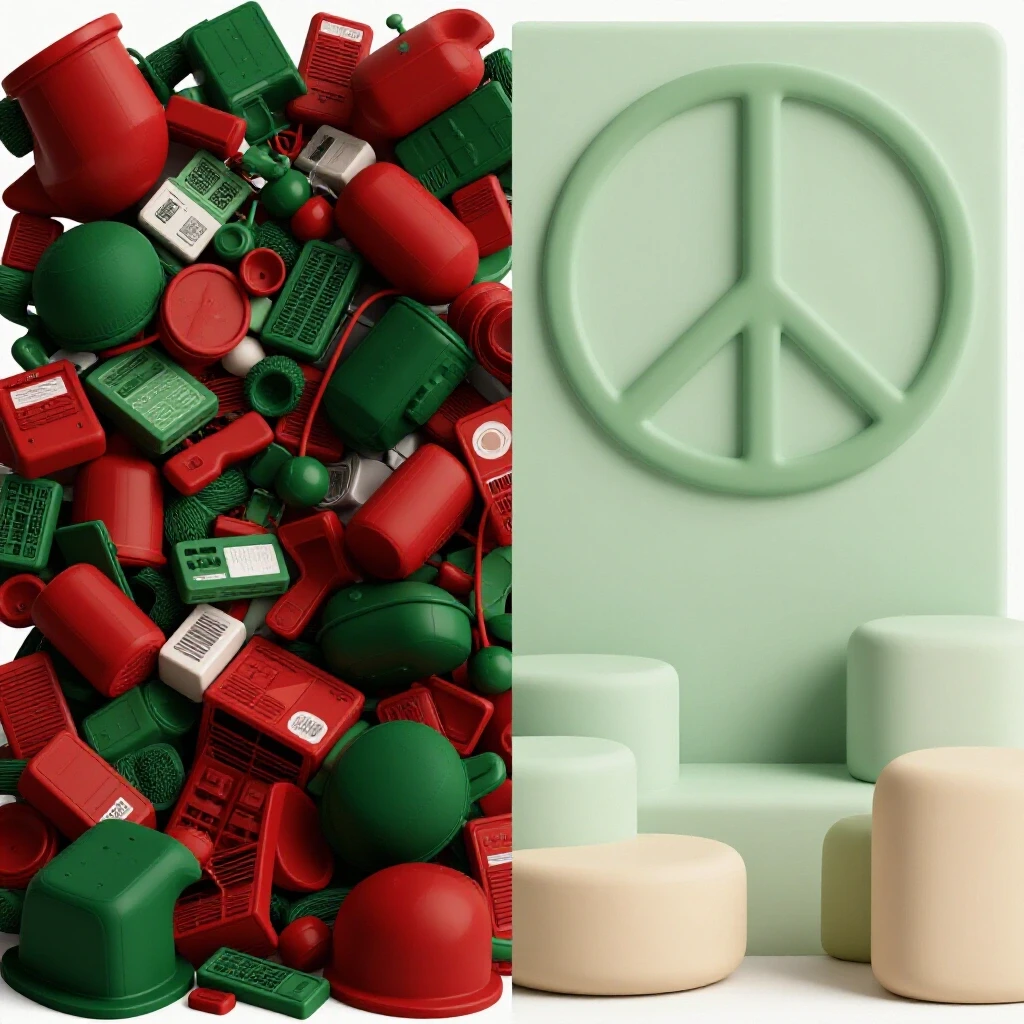
The relationship between physical items and the brain’s processing power is a matter of cognitive load. Every object in your field of vision is a piece of data your brain must process, which can lead to increased mental fatigue and higher cortisol levels over time.
Research from the University of California, Los Angeles (UCLA) found a direct link between high item density in a home and elevated stress hormones in mothers. When our brains are constantly scanning “visual noise,” we have less energy for decision-making and patience. In my own home, I noticed that when the kitchen counters were covered in mail and appliances, my ability to focus on cooking a simple meal plummeted. This is because our brains are wired to find patterns; when a space is cluttered, the pattern is “unfinished work.”
Environmental psychology suggests that our physical environment acts as an extension of our internal state. When we reduce the number of items we own, we are effectively lowering the “bandwidth” required to maintain our surroundings. This isn’t about achieving a minimalist aesthetic. It is about matching our inventory to our available time. If you have 1,000 items to manage but only 10 minutes of “sorting time” per day, the system will eventually fail.
- Visual Processing Overload: The brain’s inability to ignore irrelevant stimuli in a crowded room.
- Decision Fatigue: The exhaustion caused by having to choose where to put things or which item to use.
- Cortisol Correlation: The measurable rise in stress hormones when surrounded by unorganized belongings.
Understanding the Threshold of Manageability
The threshold of manageability is the specific point where the volume of items in a room exceeds the family’s ability to put them away in under 15 minutes. This limit varies based on family size, the age of children, and daily schedules.
In my household, we found that our living room reached this threshold when the toy count exceeded twenty large items. Beyond that, the “cleanup cost” became too high, and we would simply give up. Finding your family’s threshold is the first step in sustainable decluttering. It allows you to set realistic goals for how much stuff can actually exist in your home without causing a breakdown in the system.
Analyzing Retrieval Friction and Spatial Capacity Limits
Retrieval friction refers to the number of physical and mental steps required to access or put away an item. Spatial capacity is the hard limit of how much a specific area can hold while still allowing for easy movement and access.
In logistics, we measure “touches.” Every time you touch an item, it costs time and energy. If a child has to open a lid, move a tray, and unlatch a clip to put away a toy, they simply won’t do it. This is “high-friction” storage. To reduce household clutter, we must aim for “low-friction” systems. This means prioritizing open bins or one-step storage solutions for items used daily.
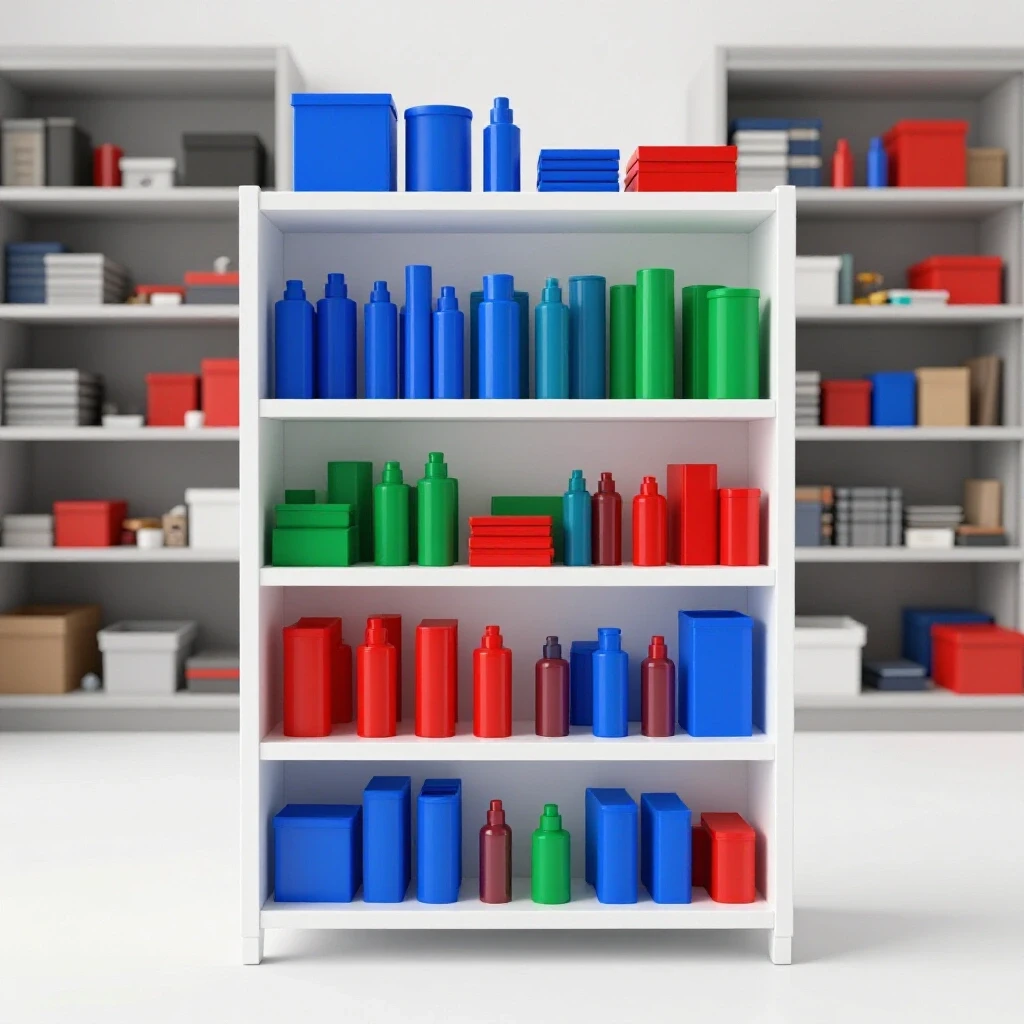
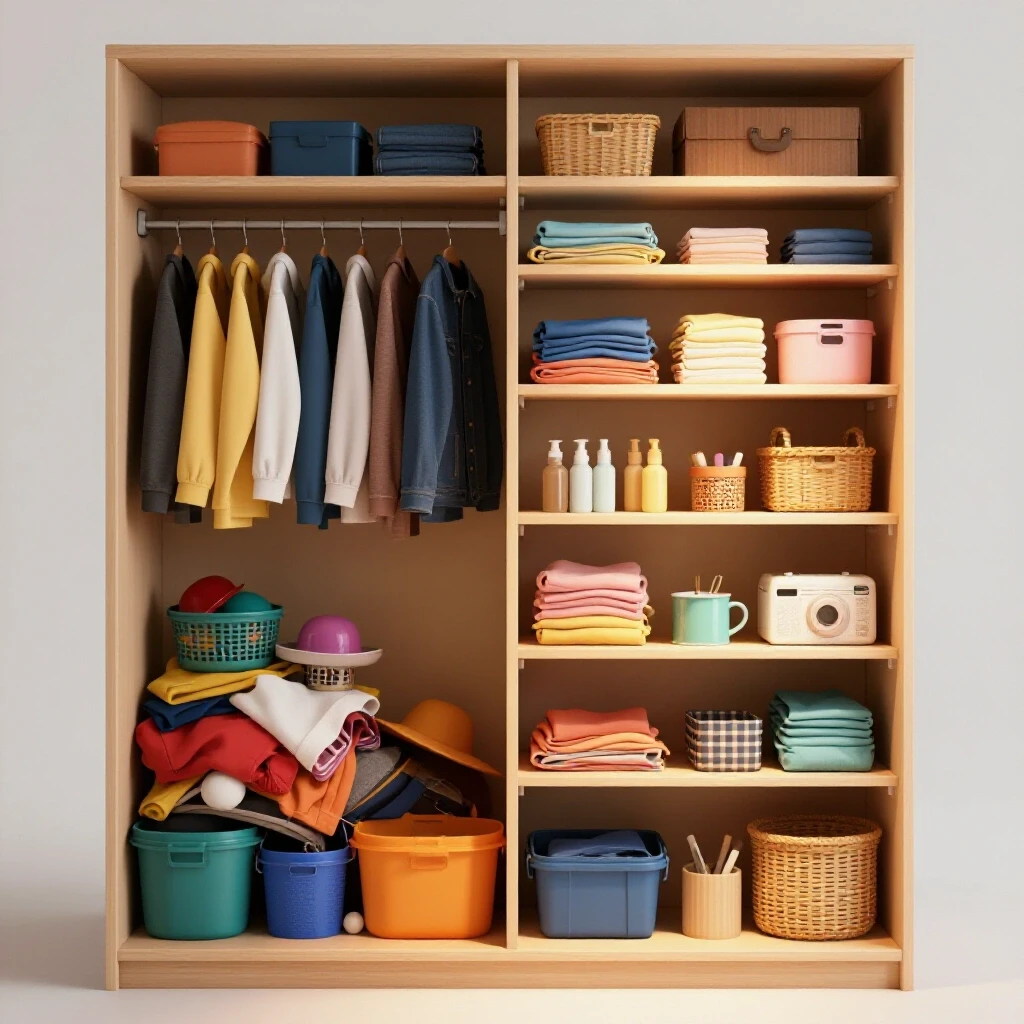
Interestingly, most people overfill their storage spaces. A functional home storage system should follow the 80% rule: never fill a shelf or bin more than 80% full. The remaining 20% is “buffer space” that allows you to move items around without causing a landslide. When we ignore spatial capacity limits, we create a situation where taking one thing out requires moving three other things. This is a primary cause of rapid clutter reversion.
The Storage Friction Index by Bin Type
| Storage Type | Retrieval Steps | Friction Level | Best Use Case |
|---|---|---|---|
| Open Basket | 1 Step | Very Low | Daily toys, shoes, frequently used blankets |
| Drawer (no divider) | 2 Steps | Low | Clothing, kitchen tools |
| Lidded Bin (clear) | 3 Steps | Medium | Seasonal decor, occasional craft supplies |
| Lidded Bin (opaque) | 4 Steps | High | Long-term archives, holiday items |
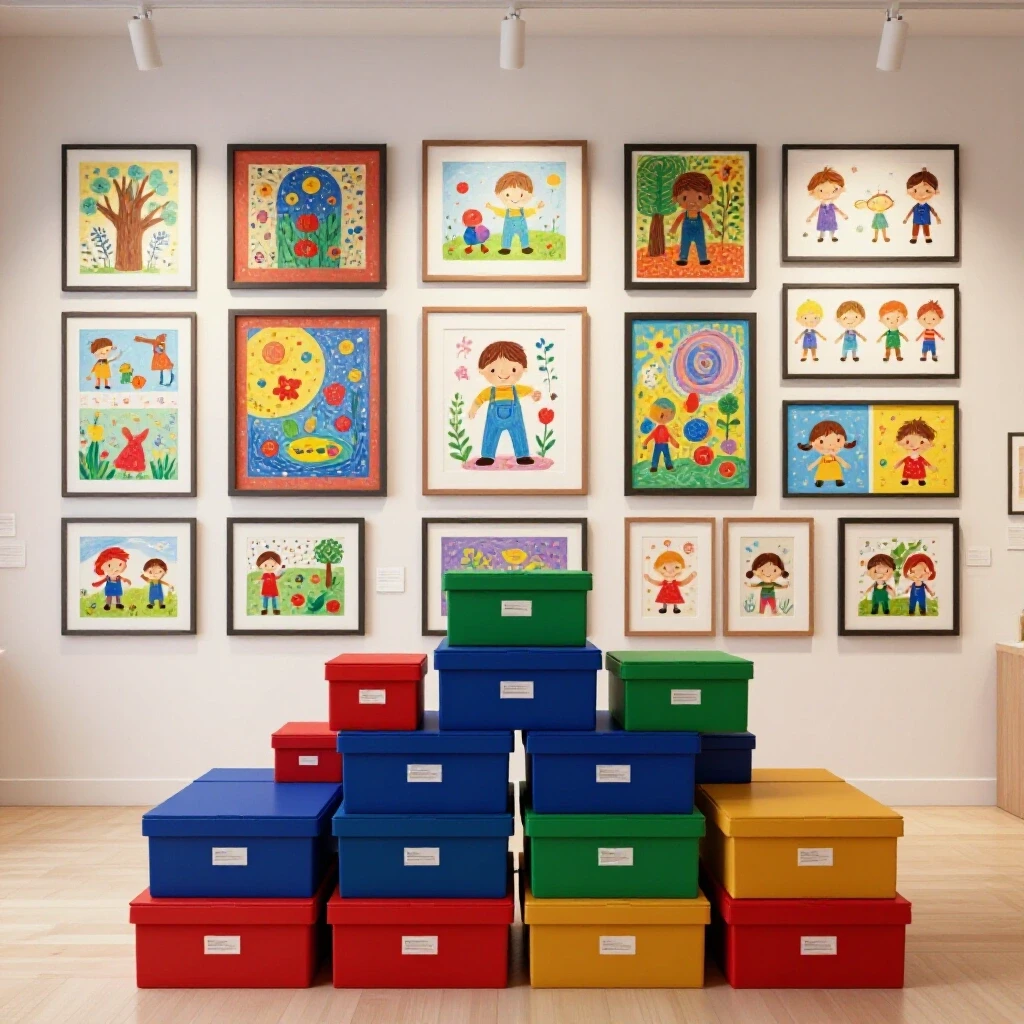
| Stacked Lidded Bins | 5+ Steps | Critical | Deep storage only; avoid for daily items |
The Industrial Sorting Framework for Busy Families
A structured sorting framework is a logical method for categorizing household items based on their utility and frequency of use. This approach removes the emotional weight of decluttering by focusing on objective data and spatial constraints.
When I lead my family through a decluttering journey, we use a “Flow Rate” analysis. We look at how items enter the home (inflow) and how they leave (outflow). If the inflow is higher than the outflow, the home will inevitably become cluttered. To manage this, we use a sorting log to track what we actually use over a two-week period. This data-driven approach helps us identify which items are “dead inventory”—things that take up space but provide no value.
Decluttering Sorting Log Example
- Active Inventory: Used daily or weekly (e.g., coffee maker, school shoes).
- Passive Inventory: Used monthly or seasonally (e.g., heavy coats, baking sheets).
- Dead Inventory: Not used in 6+ months (e.g., broken toys, clothes that don’t fit).
- Transit Inventory: Items that belong elsewhere or need to be donated.
By categorizing items this way, you can make faster decisions. Dead inventory is removed immediately. Passive inventory is moved to “secondary storage” (higher shelves or closets). Active inventory is placed in “prime real estate”—the areas between your waist and shoulders that are easiest to reach.
How to Use Time-Box Intervals for Sorting
To prevent mental fatigue, we use 15-minute sorting intervals. Set a timer and focus on one small zone, like a single drawer or a shelf. This prevents the “tornado effect,” where you tear apart an entire room and then feel too tired to put it back together.
- Select Zone: Choose a space no larger than 3×3 feet.
- Clear Surface: Remove everything from the area.
- Rapid Sort: Categorize items into “Keep,” “Relocate,” or “Remove” within 10 minutes.
- Restore: Put the “Keep” items back using the 80% rule.
- Dispose: Immediately take the “Remove” bag to the trash or car.
Building Low-Maintenance Home Organization Systems
Low-maintenance systems are designed to be “easy-to-put-away” rather than “easy-to-find.” This distinction is vital because clutter usually happens during the cleanup phase, not the retrieval phase.
Many families fail because they buy complex storage solutions for families that require too much precision. For example, a color-coded Lego bin system looks great but is impossible for a six-year-old to maintain. A better functional home storage solution is a single large bin for all Legos. It might take an extra minute to find a specific piece, but it takes five seconds to clean up. This reduces the daily stress of maintaining order.
Why High-Friction Bins Lead to Rapid Clutter Reversion
When a storage system is too complex, the “cost” of putting an item away becomes higher than the “cost” of leaving it on the counter. This is why we see “clutter piles” form next to expensive organizing systems. To avoid this, analyze your family’s behavior. If your kids always drop their bags at the front door, don’t try to force them to walk to a bedroom closet. Instead, install heavy-duty hooks right at the point of entry.
- Zoning Principles: Group items by activity, not just by type. A “morning routine” zone might include keys, wallets, and transit passes.
- Labeling for Logic: Use text and picture labels. This ensures every family member knows exactly where an item belongs without asking.
- Visibility vs. Utility: Keep frequently used items visible but contained. Use clear bins for things you need to see, and opaque bins for things that look messy (like tangled cables).
High-Speed Zoning Maps and Layout Planning
A zoning map is a visual plan of your home that designates specific areas for specific activities and their associated items. This prevents “item drift,” where belongings migrate from room to room without a home.
In logistics, we call this “slotted storage.” In a family home, this means creating a “Launch Pad” for school and work, a “Reset Zone” for the kitchen, and “Deep Storage” for items rarely used. When everyone knows the “slot” for an item, the mental effort of tidying disappears. We mapped our downstairs into four main zones, which reduced our daily cleanup time by 40%.
Standard Item-Density Guidelines
- Countertops: Aim for 20% or less coverage. This provides enough “work surface” for daily tasks.
- Closets: 80% capacity to allow for hanger movement.
- Bookshelves: 70% capacity to leave room for new additions or decorative breathing room.
- Floor Space: 95% clear in high-traffic hallways to ensure safety and flow.
Sustainable Habits for Long-Term Household Order
Sustainable habits are small, repeatable actions that focus on the “flow” of items rather than one-time deep cleans. These habits ensure that reducing household clutter remains a permanent change rather than a temporary fix.
The most effective habit I’ve implemented is the “One-In, One-Out” rule. For every new item that enters the house, an old one must leave. This keeps our inventory stable. Additionally, we use a “Daily Reset” timeline. This isn’t a deep clean; it’s a 10-minute sweep to return “Active Inventory” to its designated zones.
Daily Maintenance Timelines by Family Size
| Family Size | Morning Reset | Evening Reset | Weekly Deep-Sort |
|---|---|---|---|
| 1-2 People | 5 Minutes | 10 Minutes | 30 Minutes |
| 3-4 People | 10 Minutes | 20 Minutes | 60 Minutes |
| 5+ People | 15 Minutes | 30 Minutes | 90 Minutes |
By sticking to these timelines, we prevent the “clutter snowball” effect. When cleanup is a scheduled part of the day, it becomes a low-stress routine rather than a looming chore. It’s about maintaining the system’s “operating efficiency” so the house never reaches that overwhelming state again.
Selecting the Right Tools and Technologies
Modern organizing technologies can help track inventory and reduce the need for physical labels. While I prefer low-tech solutions for kids, digital tools can be excellent for managing “Deep Storage” or home maintenance schedules.
- Smart-Label Tracking: Systems like QR code stickers for bins allow you to scan a box with your phone to see what’s inside without opening it.
- Modular Storage Units: Use furniture that can be reconfigured as your family’s needs change.
- Digital Inventory Apps: Useful for tracking warranties, manual locations, and bulk pantry stock.
- Heavy-Duty Shelving: Industrial-grade wire shelving in garages or basements provides the highest weight-to-cost ratio and prevents moisture buildup.
Practical Next Steps for Your Decluttering Journey
Starting a decluttering journey can feel daunting, but the key is to focus on logistics rather than perfection. Start by identifying your “High-Friction Zones”—the areas that frustrate you the most every day. Is it the shoe pile by the door? The overflowing junk drawer?
Begin with a 15-minute audit of that one zone. Don’t buy new bins yet. First, reduce the volume of items until the remaining ones fit comfortably within the 80% capacity of the space. Then, choose the simplest storage solution possible. If you can make it easier to put things away, the stress of a messy home will naturally begin to fade.
- Audit: Spend 10 minutes identifying where the most “inventory” piles up.
- Purge: Remove anything not used in the last year.
- Simplify: Replace complex lids with open baskets for daily items.
- Repeat: Set a daily timer for a 15-minute “System Reset.”
Reducing the amount of stuff you manage is not about deprivation; it is about reclaiming your time and mental energy. When your home systems are designed for real life, you spend less time “managing things” and more time living.
Frequently Asked Questions
Does reducing the number of items in my home really lower my stress levels?
Yes, evidence from environmental psychology shows that a high volume of visual stimuli (clutter) increases cortisol levels and causes mental fatigue. By reducing the number of items your brain has to process, you lower the “cognitive load” of your environment. This creates a calmer space that is easier to maintain, leading to less daily frustration.
Why does my house get messy again so quickly after I organize it?
This usually happens because of “system friction.” If your storage solutions are too complex—like needing to stack and unstack bins to reach something—you or your family members will eventually stop using them. Clutter reversion is often a sign that your organization system requires more effort than your daily schedule allows.
What is the “80% Rule” in home organization?
The 80% rule suggests that you should never fill any shelf, drawer, or bin more than 80% full. Leaving 20% of the space empty provides “buffer room.” This makes it easier to remove and return items without disturbing everything else, which significantly reduces the time it takes to keep a room tidy.
How do I get my children to follow an organization system?
The key is to design systems with “one-step retrieval.” Use open bins without lids and place them at the child’s height. Label the bins with pictures so the child knows exactly where things go. If a system is easy enough for a child to use, it is much more likely to be maintained by the whole family.
Is minimalism the only way to reduce household stress?
No, you don’t need to be a minimalist to have a functional home. The goal is “manageable volume.” This means having only as much stuff as you can reasonably maintain given your current lifestyle and time constraints. It’s about the ratio of items to maintenance time, not a specific number of possessions.
What are “High-Friction” vs. “Low-Friction” storage solutions?
Low-friction storage requires only one or two steps to use, like an open basket or a single drawer. High-friction storage requires multiple steps, such as unstacking boxes, removing lids, or unlatching clips. For daily items, low-friction storage is essential to prevent clutter from building up on surfaces.
How much time should I spend on daily maintenance?
For a typical family of four, a 20-minute “evening reset” is usually enough to return the home to a functional state. This isn’t for deep cleaning; it’s simply for putting “active inventory” back in its designated zones. Breaking it down into small, daily habits prevents the need for overwhelming weekend-long cleaning marathons.
What is “Dead Inventory,” and why should I remove it?
Dead inventory refers to items that take up space but are no longer used, such as broken electronics, outgrown clothes, or duplicate kitchen gadgets. These items consume “spatial capacity” without providing value. Removing them is the fastest way to make your existing storage systems more effective and less crowded.
Should I buy organizing bins before I start decluttering?
No, this is a common mistake. You should always declutter first to see how much “inventory” you actually have left. Once you know the volume and frequency of use for your remaining items, you can choose the right storage gear based on the “Storage Friction Index” to ensure the system lasts.
What is a “Launch Pad” in a home organization system?
A Launch Pad is a designated zone near the exit of your home for items you need every time you leave, such as keys, bags, and coats. By centralizing these items in a low-friction zone, you reduce morning stress and prevent these objects from migrating to kitchen counters or dining tables.
(This article was written by one of our staff writers, Christopher Bennett. Visit our Meet the Team page to learn more about the author and their expertise.)