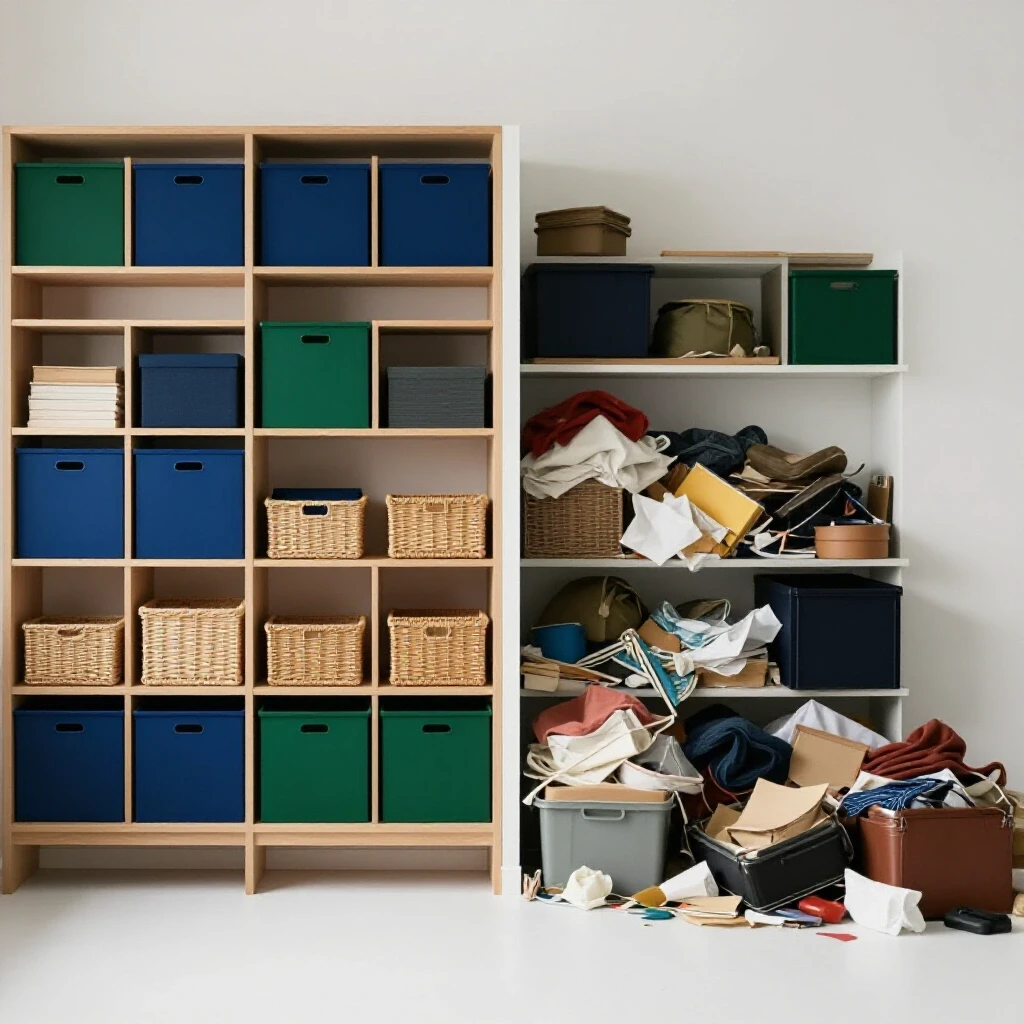
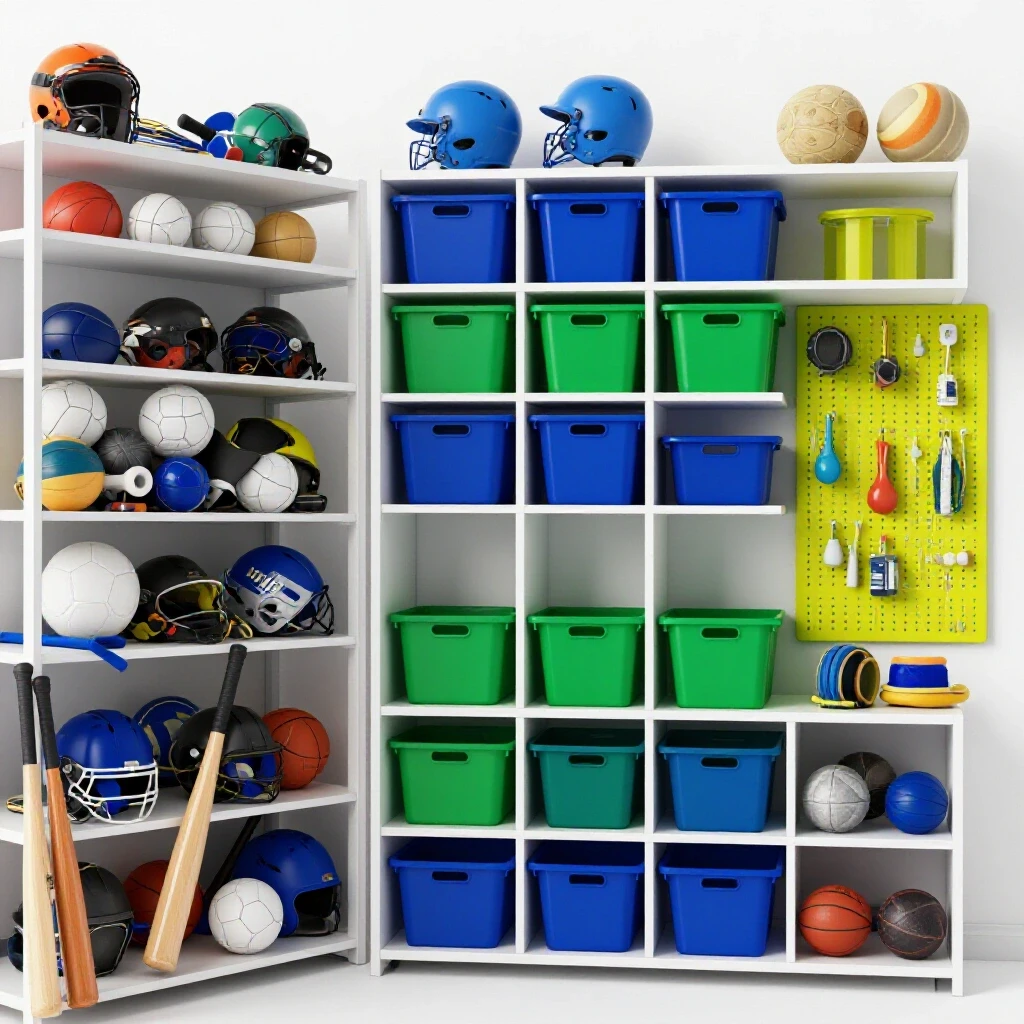
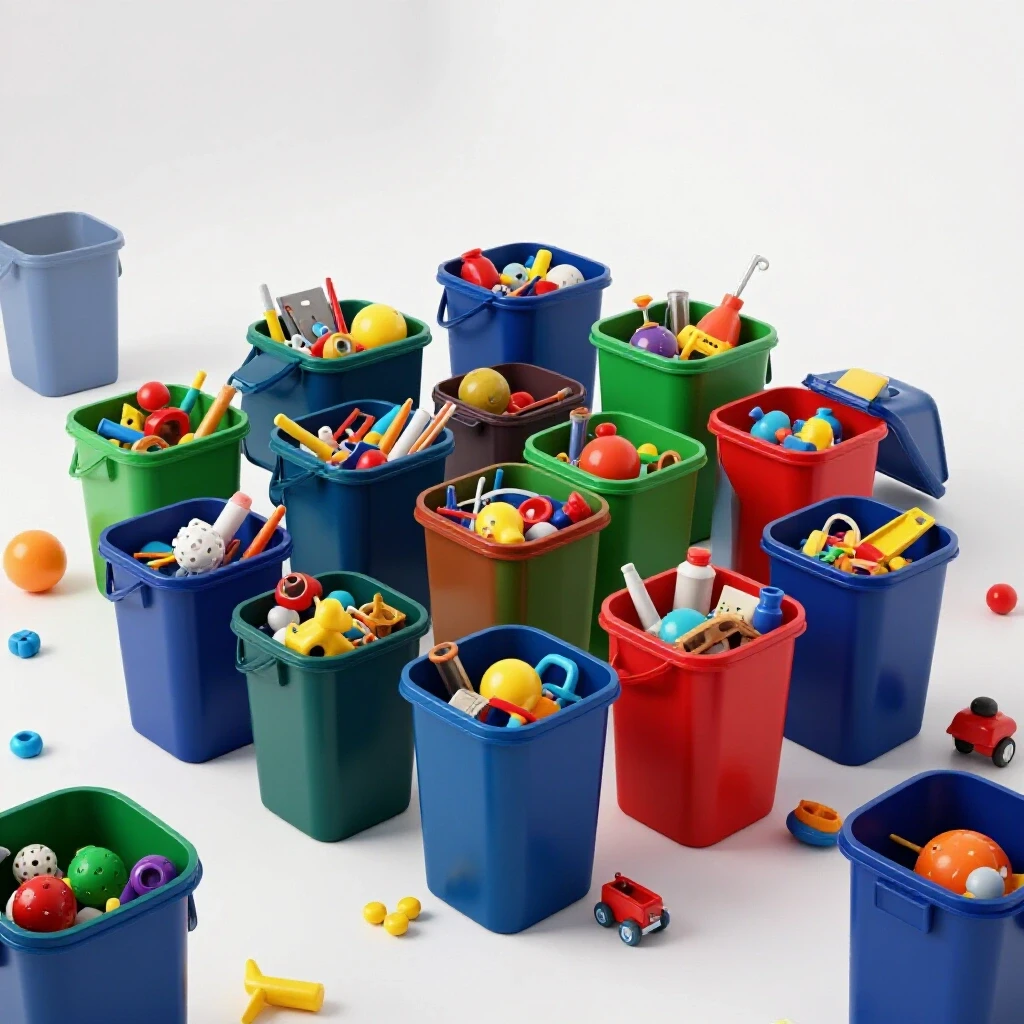
Affordable Garage Storage Solutions for Better Organization (Guide)

Three years ago, I stood in my garage on a Saturday morning, staring at a wall of cardboard boxes while my six-year-old begged to go for a bike ride. I knew the bike was in there somewhere, likely buried under a stack of “miscellaneous” bins and seasonal décor. It took me forty-five minutes of heavy lifting and frustrated searching just to find his helmet. As a professional in operations and logistics, I felt a deep sense of irony; I spent my workdays optimizing global supply chains, yet my own home’s primary storage hub was a bottleneck of inefficiency. This realization sparked a multi-year journey to apply industrial flow principles to our family’s high-traffic spaces.
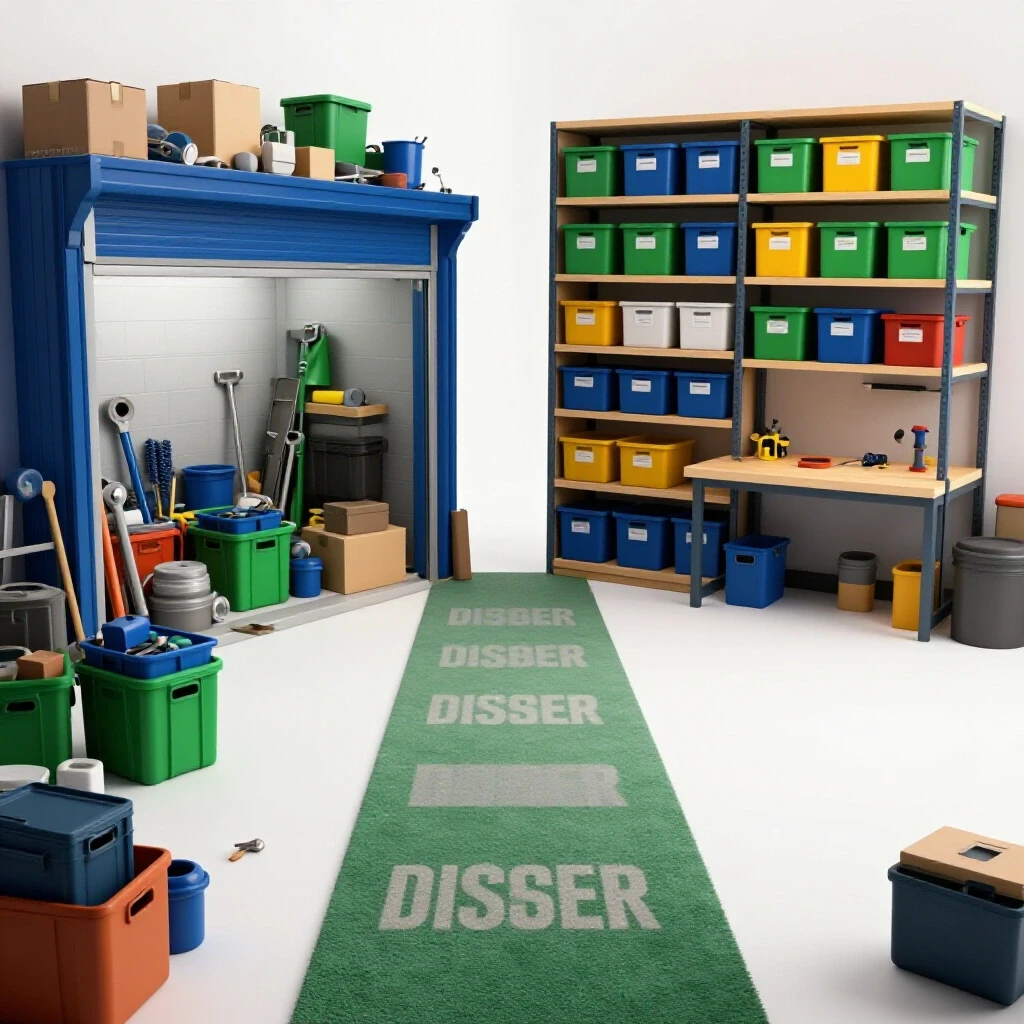
The Spatial Logistics of a Disorganized Utility Area
Spatial logistics refers to the strategic management of how items move in and out of a defined area to maximize efficiency and minimize effort. In a family home, this means understanding that a garage is not just a room, but a distribution center for your life’s activities. When this system breaks down, it creates a “holding pattern” where items are dropped rather than stored, leading to visual noise and mental fatigue.
The primary reason most home organization systems fail is that they ignore the concept of retrieval friction. Friction is the amount of physical and mental effort required to put an item away or take it out. If a child has to move three heavy boxes to reach their soccer ball, they simply won’t do it. Instead, the ball ends up on the floor, creating a trip hazard and a visual cue for more clutter to accumulate. Research in environmental psychology suggests that high levels of visual clutter in the home are directly linked to increased cortisol levels, the body’s primary stress hormone. By reducing the steps needed to access gear, we lower the cognitive load on every family member.
Managing Decision Fatigue During the Sorting Process
Decision fatigue is the psychological phenomenon where the quality of choices deteriorates after a long period of decision-making. When you face a mountain of unsorted household items, your brain quickly becomes overwhelmed by the sheer number of “keep or toss” evaluations. This is why many parents start a cleaning project with high energy but quit after two hours when the “maybe” pile becomes too large to handle.
To combat this, I utilize a high-speed sorting framework based on industrial “5S” principles (Sort, Set in order, Shine, Standardize, Sustain). Instead of looking at every item individually, we categorize by frequency of use. If an item hasn’t been touched in two years, its “flow rate” is zero, and it is likely occupying valuable real estate that should be reserved for high-turnover items like strollers or garden tools.
Table 1: The Sorting Friction Log for Family Gear
| Item Category | Current Storage Method | Retrieval Steps | Friction Level | Proposed Budget Fix |
|---|---|---|---|---|
| Kids’ Sports Balls | Deep cardboard box | 4+ steps | High | Mesh wall bag or open bin |
| Holiday Décor | Stacked lidded bins | 6+ steps | High | Secondhand heavy-duty shelving |
| Hand Tools | Random drawer | 3+ steps | Medium | Wall-mounted pegboard |
| Gardening Soil | Floor corner | 2 steps | Low | Elevated pallet or small shelf |
| Bicycles | Leaning against wall | 5+ steps | High | Heavy-duty wall hooks |
Engineering High-Efficiency Zones for Family Use
Zoning is the practice of dividing a space into specific functional areas based on the types of activities performed there. In a household setting, zoning prevents “category drift,” where holiday lights end up mixed with automotive fluids. By creating dedicated zones, you establish a mental map for the family, making it instinctively clear where an item belongs without needing a complex manual.
When I redesigned our garage, I mapped out five distinct zones: Transition (entryway items), Active (daily gear), Storage (seasonal), Utility (tools/maintenance), and Large Item (bikes/mowers). Interestingly, spatial ergonomics studies show that items stored between knee and eye level are the most likely to be maintained. We placed our children’s most-used items in this “goldilocks zone” to ensure they could manage their own gear without adult intervention.
The Five-Zone Mapping Strategy
- The Transition Zone: Located near the door to the house, this area handles high-frequency items like umbrellas, reusable grocery bags, and pet leashes.
- The Active Zone: This space is for sports equipment and hobby gear used weekly. It must be at a height accessible to the primary user.
- The Utility Zone: A dedicated spot for home repair tools and cleaning supplies, ideally utilizing vertical wall space to keep the floor clear.
- The Seasonal Zone: High-up shelves or deep corners are perfect for items used once a year, such as holiday decorations or camping gear.
- The Bulk/Large Item Zone: Designated floor space for lawnmowers or trash bins, clearly marked with floor tape to prevent “creep” into walking paths.
Low-Cost Storage Hardware That Reduces Retrieval Friction
Reducing household clutter does not require expensive, custom-built cabinetry. In fact, many high-end systems are too rigid for the changing needs of a growing family. Budget-friendly, modular solutions like pegboards, secondhand shelving units, and simple wall hooks often provide better long-term results because they can be easily reconfigured as your kids grow and your hobbies change.
I have found that the most effective storage solutions for families are those that prioritize visibility and accessibility. Open bins are almost always superior to lidded boxes for active items. In our house, we saw a 40% improvement in “put-away compliance” from our children simply by removing the lids from their sports bins. When a lid is present, it adds an extra physical step that acts as a psychological barrier to tidying up.
Table 2: Retrieval Step Count by Storage Type
| Storage Method | Steps to Access | Steps to Store | Total Friction Score |
|---|---|---|---|
| Open Wall Hook | 1 | 1 | 2 (Low) |
| Open Bin on Shelf | 1 | 1 | 2 (Low) |
| Lidded Bin (Bottom of Stack) | 5 | 5 | 10 (High) |
| Pegboard with Outline | 1 | 1 | 2 (Low) |
| Cardboard Box with Tape | 4 | 4 | 8 (High) |
Why High-Friction Bins Lead to Rapid Clutter Reversion
Clutter reversion happens when a system is too difficult to maintain, causing the space to return to its original messy state. This is often caused by “over-binning,” where every small item is placed in a specific, lidded container. While this looks beautiful in photos, it is a logistical nightmare for a busy parent. Every lid, latch, and stackable layer adds a “tax” to your time.
To create sustainable decluttering results, focus on “one-touch” storage. This means you should be able to put an item away with a single motion. For example, instead of a bin full of loose screwdrivers, a pegboard allows you to see exactly where each tool goes and hang it back up instantly. This reduces the cognitive effort of searching and the physical effort of digging through a container.
- Pegboards: Use these for hand tools, rolls of tape, and even light gardening equipment. Painting an outline around the tool helps children know exactly where it returns.
- Heavy-Duty Hooks: These are the unsung heroes of functional home storage. Use them for ladders, bicycles, and leaf blowers to reclaim floor space.
- Secondhand Shelving: Metal or plastic shelving units found at yard sales are perfect for holding heavy lidded bins that contain seasonal items.
- Clear Totes: If you must use lids for dust protection, choose clear plastic so you can see the contents without opening the box.
Establishing Sustainable Maintenance Habit Loops
A habit loop consists of a cue, a routine, and a reward. In the context of home organization systems, the “cue” is finishing an activity (like gardening), the “routine” is returning the tools to their zones, and the “reward” is a clear, stress-free path to your car the next morning. Without a maintenance system, even the best-designed space will fail within weeks.
We implemented a “Sunday Reset” in our household, a fifteen-minute family walk-through of the garage. Because we have low-friction systems in place, this isn’t a deep clean; it’s simply a quick audit to ensure items haven’t drifted out of their zones. According to organizational behavior reports, consistent, short bursts of maintenance are significantly more effective than infrequent, day-long cleaning marathons.
- Daily Sweep (2 minutes): Check the transition zone for items that belong inside the house.
- Weekly Audit (15 minutes): Return any “drifted” items to their correct zones and flatten any cardboard for recycling.
- Monthly Review (30 minutes): Check for any broken gear or items the children have outgrown that can be donated.
- Seasonal Swap (1 hour): Move winter gear to the back and bring summer gear to the front (or vice versa).
Implementing Digital Inventory for Long-Term Order
One of the modern challenges of reducing household clutter is forgetting what we actually own. This leads to “duplicate purchasing,” where you buy a second hammer because you can’t find the first one. For long-term storage items, I recommend a simple digital inventory. This doesn’t have to be a complex spreadsheet; a few photos of the contents of a bin, saved in a dedicated phone album labeled “Garage Storage,” can save hours of searching.
Using smart-labeling can also bridge the gap between physical and digital organization. You can buy or print QR codes to place on the outside of opaque bins. When scanned, the code reveals a list or photo of what is inside. This is particularly helpful for “deep storage” items like holiday lights or old tax records that you only access once a year. It maintains the visual order of the space while providing the transparency needed for quick retrieval.
Actionable Metrics for Your Decluttering Journey
To track your progress, it helps to use measurable data. In logistics, we look at “space utilization percentages.” If your garage floor is 80% covered in items, your utilization is poor because you lack “flow” (the ability to move around). Aim for a floor utilization of less than 25%, moving as much as possible to vertical wall storage or shelving.
- The 10-Second Rule: You should be able to find and touch any active-use item in your garage within 10 seconds.
- The 2-Step Rule: No item should require moving more than two other things to reach it.
- Density Guidelines: For shelving, aim for 70% fullness. Leaving 30% “white space” allows for easy maneuvering and the addition of new items without breaking the system.
- Sorting Time-Box: Never sort for more than 90 minutes at a time to avoid decision fatigue.
Conclusion: Small Shifts for Lasting Change
Reclaiming your storage space is not about achieving a magazine-perfect aesthetic; it is about reclaiming your time and mental energy. By understanding the logistics of your home and reducing the friction of daily tasks, you create a sustainable environment that supports your family’s lifestyle rather than hindering it. Start with one zone, choose low-friction containers, and remember that a functional system is one that your family can actually maintain on their worst day, not just their best.
Frequently Asked Questions
How do I start if the mess is totally overwhelming? Start with the “Transition Zone” near the door. It is the smallest area but has the highest impact on your daily stress. Clear a path and install a few simple hooks. Seeing immediate results in a high-traffic area provides the dopamine boost needed to tackle larger zones.
What are the best budget-friendly shelves for heavy items? Look for secondhand resin or metal shelving units on local marketplace apps. These are often sold at a fraction of their retail price when people move. Ensure they are anchored to the wall for safety, especially in households with children.
Why do my kids never put their bikes or scooters away? It is likely a friction issue. If they have to navigate a maze of boxes or lift a heavy bike onto a high hook, they won’t do it. Try using floor-mounted bike stands or low-profile wall hooks that allow them to roll the bike into place without lifting.
Is it worth labeling everything? Yes, but keep labels broad. Instead of “1/4 inch Wood Screws,” use “Fasteners.” Broad categories are easier to maintain. For children, use picture labels so they can identify where toys go even if they aren’t reading yet.
How do I handle items I’m not ready to throw away? Create a “Purgatory Box.” Place items you are unsure about in a box with a date six months in the future. If you haven’t opened that box by that date, you can confidently donate the contents, knowing you didn’t need them.
How can I prevent the garage from becoming a dumping ground again? Establish a “Inflow/Outflow” rule. For every large item that comes into the garage, one must leave. Additionally, keep the floor clear. Once the floor starts collecting “temporary” piles, the system begins to collapse.
What is the best way to store small hand tools on a budget? A basic pegboard from a local hardware store is the most cost-effective solution. It utilizes vertical space and keeps tools visible. If a pegboard is too much work, a simple magnetic tool strip can hold many common metal items.
Should I use plastic bins or cardboard boxes? For long-term storage in a garage, plastic bins are better because they protect against moisture, pests, and dust. However, for the initial sorting phase, use whatever you have. Only invest in matching bins once you know exactly what needs to be stored.
How do I organize sports gear that changes every season? Use adjustable wall systems or large mesh bags on hooks. These allow you to swap out baseball gear for hockey gear easily without changing the underlying infrastructure of the garage.
What should I do with old paint and chemicals? Check your local municipality for hazardous waste drop-off days. Never store these in “active zones.” Keep them on a high shelf in the “Utility Zone,” well out of reach of children and pets, and ensure they are in a secondary container to catch leaks.
(This article was written by one of our staff writers, Christopher Bennett. Visit our Meet the Team page to learn more about the author and their expertise.)