How Living With Bare Walls Impacts Moving and Home Setup (Guide)

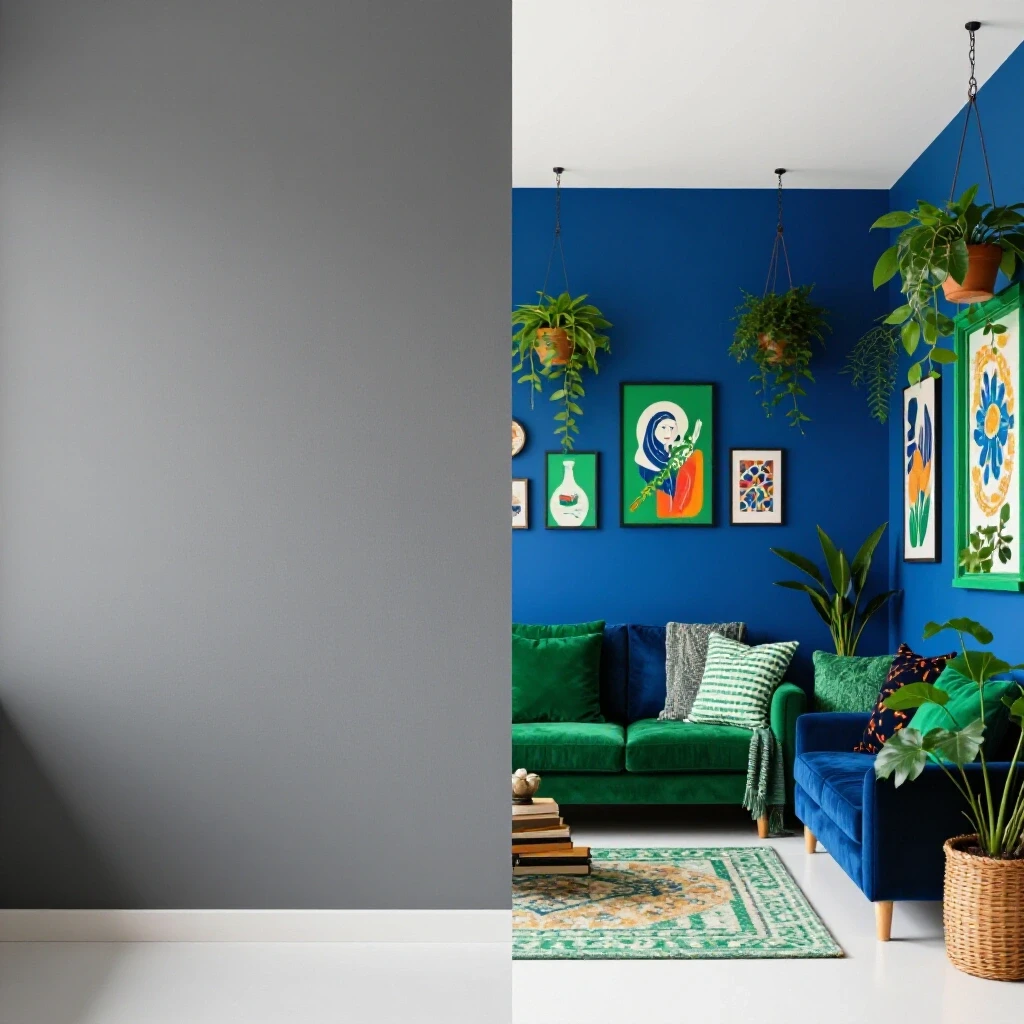
According to the American Psychological Association, moving is one of the most stressful life events a person can experience, often ranking higher than starting a new job or even a minor health crisis. Over 60% of people surveyed identify the logistics and emotional toll of relocating as a primary source of anxiety. Having moved my family four times across the country over the past 19 years, I have felt this pressure firsthand. During our third move, we decided to try something different. We intentionally kept our vertical surfaces completely clear for a full twelve months. This period of living with undecorated walls taught us more about spatial layout and functional living than any design book ever could. It allowed us to focus entirely on how we used our space rather than how we styled it.
The Strategy of Maintaining Clear Vertical Surfaces
Maintaining clear vertical surfaces involves the intentional choice to leave walls empty of art, shelving, or decor for an extended period after moving. This approach prioritizes functional utility and spatial awareness over immediate aesthetic satisfaction. It allows residents to observe how light and movement interact with the room before making permanent design decisions.
When we moved into our third home, a 1,400-square-foot townhouse with an awkward split-level floor plan, the urge to hang pictures was strong. We felt that “home” only happened once the walls were covered. However, by resisting that urge, we forced ourselves to look at the bones of the house. Spatial layout, in my view, is the way we organize our physical objects to support our daily habits. If the layout is wrong, no amount of wall decor will make the room feel right. We spent that first year watching how the sun hit the living room at 4:00 PM and realizing that where we originally planned to put the TV was actually the best spot for a reading chair.
Environmental transition is the period of adjustment where your mind and body learn the new “map” of your life. This isn’t just about finding the grocery store; it’s about not bumping into the kitchen island in the dark. By keeping the walls empty, we reduced the visual noise during this transition. This allowed our brains to process the physical dimensions of the rooms more accurately.
Spatial Blueprint Compatibility Matrix
| Room Type | Primary Layout Challenge | Recommended Clearance Margin | Ideal Flow Pattern |
|---|---|---|---|
| Living Room | Traffic paths to other rooms | 36 inches between furniture | Circular or U-shaped |
| Kitchen | Work triangle efficiency | 42 inches between counters | Linear or L-shaped |
| Bedroom | Access to closets and doors | 30 inches around the bed | Peripheral flow |
| Home Office | Cord management and glare | 24 inches behind the desk | Focused/Zoned |
Why Spatial Logistics Matter More Than Decor
Spatial logistics refers to the practical arrangement of furniture and belongings to ensure a home functions efficiently. It focuses on traffic flow, accessibility, and the relationship between different functional zones. Prioritizing logistics during a move ensures that the home supports daily activities like cooking, sleeping, and working without physical or mental friction.
During our relocations, I noticed that the biggest mistakes happened when we tried to make our old furniture fit our new life without measuring first. In one apartment, we tried to force a large sectional into a narrow living room. Because we were so focused on making it “look” like our old home, we ignored the fact that we had only 18 inches of walking space. This created a daily bottleneck that led to constant frustration.
A home moving checklist should always start with a spatial audit. This means measuring every doorway, hallway, and corner before the moving truck arrives. We now use a rule of thumb: if a piece of furniture doesn’t allow for at least 30 to 36 inches of hallway clearance, it doesn’t belong in that transition. This ensures that the physical flow of the house remains open and inviting.
- Traffic Flow: Ensure a clear path of at least 36 inches for main walkways.
- Visual Weight: Place larger items against the longest walls to keep the center of the room open.
- Utility Access: Never block outlets, vents, or thermostats with heavy furniture.
- Light Mapping: Observe where natural light falls throughout the day before placing desks or seating.
Solving the Small Room Furniture Layout Puzzle
Small room furniture layout is the art of maximizing limited square footage through strategic placement and scale. It involves selecting pieces that serve multiple purposes and arranging them to avoid a cramped or cluttered feel. Effective small-room planning relies on understanding floor footprints and maintaining open sightlines to create an illusion of greater space.
In our second move, we transitioned from a sprawling suburban house to a compact city apartment. The change was jarring. We had to learn how to adapt our spatial layout to rooms that were nearly 40% smaller than what we were used to. The key was not just getting rid of things, but rethinking how the remaining items interacted with each other.
We found that by keeping the walls bare, the small rooms felt significantly larger. Without the visual “stops” of frames and mirrors, the eye traveled all the way to the corners, making the footprint feel more expansive. We used blue painter’s tape on the floors to map out where furniture would go before we actually moved it. This allowed us to test the traffic flow without lifting heavy items.
Furniture Clearance Guidelines by Room Footprint
- Main Entryways: Keep a 48-inch radius clear around the front door for easy entry and exit.
- Dining Areas: Allow 24 to 30 inches behind chairs to let people pull them out comfortably.
- Coffee Tables: Maintain 14 to 18 inches between the sofa and the table for legroom.
- Bedside Space: Ensure at least 24 inches on either side of a bed for easy movement and cleaning.
Navigating the First Month: A Practical Unpacking Plan
A home transition planning guide provides a structured timeline for settling into a new environment. It breaks down the overwhelming task of unpacking into manageable phases, starting with essential needs and moving toward long-term organization. This systematic approach helps reduce moving stress and ensures that the most important functional systems are established first.
The first 30 days are the most critical for setting the tone of your new home. In our experience, the “bare wall” approach was most effective during this phase. Instead of rushing to decorate, we focused on “zoning.” We defined where we would eat, where the kids would do homework, and where we would drop our keys and mail.
- Days 1–3: Focus on the “Survival Zone.” Unpack the kitchen, bathrooms, and one bedroom.
- Days 4–10: Establish the “Utility Zone.” Set up the home office, laundry area, and storage systems.
- Days 11–20: Refine the “Social Zone.” Arrange the living room furniture for conversation and comfort.
- Days 21–30: Conduct a “Flow Audit.” Walk through the house and identify any spots where you feel cramped or stuck.
Interestingly, by the end of the first month, we realized that our initial furniture arrangement was often wrong. Because we hadn’t put anything on the walls, it was easy to slide the sofa to a different wall or move the bookshelf to a better-lit corner. We weren’t “locked in” by the placement of a heavy mirror or a gallery wall.
The Psychological Benefits of Visual Stillness
Visual stillness in a home environment refers to the absence of excessive decorative elements, which can reduce cognitive load and promote mental clarity. By limiting visual stimuli, residents can experience a more calming atmosphere that supports focus and relaxation. This concept is particularly beneficial during the high-stress period of relocating to a new home.
Living with empty walls for a year was an accidental experiment in mindfulness. As a family, we found that our stress levels were lower than in previous moves. There was a sense of “becoming” rather than “being finished.” We didn’t feel the pressure to have a “perfect” home immediately. This allowed us to focus on our new neighborhood and building community.
Research into housing adaptation suggests that our brains take time to map new environments. When we clutter that environment with too much visual information too quickly, it can lead to “transition fatigue.” By keeping our surroundings simple, we gave ourselves the mental bandwidth to handle the logistics of a new school district and a different commute.
First-Month Spatial Adjustment Timeline
| Week | Focus Area | Goal |
|---|---|---|
| Week 1 | Essential Systems | Ensure beds, showers, and basic cooking are functional. |
| Week 2 | Storage & Sorting | Organize closets and cabinets to reduce floor clutter. |
| Week 3 | Traffic Flow | Test furniture placement and adjust for better movement. |
| Week 4 | Routine Integration | Set up specific areas for daily habits (coffee, mail, gym). |
Establishing New Home Routines and Neighborhood Ties
Neighborhood community building is the process of integrating into a new local area by establishing social connections and familiarizing oneself with the surroundings. It involves both internal adjustments to household routines and external engagement with neighbors and local businesses. This dual focus helps turn a new house into a long-term home.
A move isn’t just about the four walls you live in; it’s about the streets around you. While we were living with our bare walls, we spent more time outside. Because our interior wasn’t “done,” we didn’t feel the urge to hide inside and admire our decor. Instead, we walked the neighborhood every evening.
We used a “Community Mapping” technique. We identified the nearest park, the best local coffee shop, and the neighbors who were most likely to say hello. We found that the stress of the move dissipated much faster when we felt like we belonged to a wider community. Inside the house, we created “Routine Anchors.” For example, we designated a specific bench by the door as the place where shoes and backpacks always went. This small bit of structure provided a sense of stability in an otherwise changing environment.
- The 5-5-5 Rule: Within the first five weeks, try to visit five local businesses and meet five neighbors.
- The Anchor Habit: Choose one daily routine (like a morning walk) and keep it consistent during the move.
- The Welcome Sign: Even if your walls are bare, a simple mat or a plant by the front door signals to neighbors that you are open to interaction.
Tools and Resources for a Smooth Transition
Modern relocation tools include digital applications and physical templates designed to simplify the moving process. These resources help with everything from floor plan visualization to inventory tracking and neighborhood discovery. Using these tools can significantly reduce the logistical burden and help residents make more informed decisions about their new space.
To manage our transitions, we relied on a mix of digital and physical tools. These helped us visualize the spatial layout adaptation before we even packed a box.
- Digital Floor Plan Creators: Apps like MagicPlan or Floorplanner allow you to scan a room with your phone and create a 2D or 3D layout. This is vital for checking furniture scale.
- Moving Inventory Trackers: Tools like Sortly help you catalog your boxes so you know exactly which one contains the coffee maker.
- Neighborhood Discovery Apps: Nextdoor or local Facebook groups are excellent for finding out about community events and local recommendations.
- Spatial Tape: A simple roll of 2-inch blue painter’s tape is the most effective tool for “drawing” furniture on the floor to test clearance margins.
- Relocation Checklists: Comprehensive lists from sites like Moving.com provide a week-by-week breakdown of tasks to keep you on schedule.
Conclusion: The Value of the Slow Settle
Looking back on those twelve months of empty walls, I realize it wasn’t about being minimalist or avoiding decor. It was about giving ourselves permission to be in transition. We often feel a societal pressure to have our homes “magazine-ready” within weeks of moving. But a home is a living thing that evolves with your family.
By focusing on the physical layout and the functional flow first, we built a foundation that lasted much longer than any trendy wallpaper could. We learned that a 36-inch hallway is more important for our daily happiness than a gallery wall. We learned that the way we move through our kitchen matters more than the color of the cabinets. When we finally did start hanging pictures a year later, every single one was placed with intention. We knew exactly where they belonged because we had lived in the space, not just moved into it.
FAQ: Navigating Your New Home Transition
How do I know if my old furniture will fit in a smaller home?
The best way to determine fit is to measure the floor footprint of your furniture and compare it to the new room’s dimensions. Use blue painter’s tape to mark the furniture’s outline on the floor of your new space. Ensure you maintain at least 30 to 36 inches of clearance for walkways to prevent the room from feeling cramped.
Why should I wait to decorate my walls after moving?
Waiting allows you to understand the natural light, shadows, and traffic flow of your new home. It prevents you from making permanent holes in the wall for items that might interfere with a better furniture layout discovered later. It also reduces visual clutter during the high-stress period of the first year.
What are the standard clearance margins for a functional home?
For most homes, hallways and main traffic paths should be 36 inches wide. In the kitchen, aim for 42 to 48 inches between counters. In bedrooms, 24 to 30 inches around the bed is usually enough for comfortable movement. These margins ensure that the house remains accessible and easy to navigate.
How can I reduce stress during the first month of a move?
Focus on “zoning” your home. Prioritize unpacking the kitchen, one bathroom, and the bedrooms first. Establish a “Survival Zone” so you can eat and sleep well immediately. Don’t worry about the whole house at once; tackle one functional area every few days to avoid burnout.
What is the best way to meet neighbors in a new area?
The “5-5-5 Rule” is a great start: meet five neighbors and visit five local spots in your first five weeks. Spend time in your front yard or on your porch to be more approachable. Walking your dog or taking children to a local park are also natural ways to start conversations with residents.
How do I handle an awkward room layout?
Identify the “anchor” of the room, such as a window or fireplace. Place your largest piece of furniture first, ensuring it doesn’t block the natural flow or light. If the room is long and narrow, create two smaller functional zones rather than one large, awkward one.
Is it normal to feel isolated after a cross-country move?
Yes, it is very common. Environmental transition involves a period of social friction where you lack the support network of your previous location. It usually takes 6 to 12 months to start feeling a true sense of belonging. Focus on small, daily interactions to gradually build new connections.
What tools can help me plan my new furniture layout?
Digital tools like Floorplanner or MagicPlan are excellent for creating virtual layouts. For a physical approach, use a tape measure and painter’s tape. These tools help you visualize the scale of your belongings within the new floor plan before you commit to moving heavy items.
How can living with empty walls improve my daily routine?
Empty walls reduce visual noise, which can lower stress and help you focus on the functional systems of your home. It forces you to prioritize how you use the floor space and furniture, leading to a more efficient layout that supports your actual habits rather than an idealized aesthetic.
What should be on my first-week home moving checklist?
Your first week should focus on essentials: setting up beds, ensuring all utilities are working, unpacking basic kitchen gear, and identifying local emergency services. Don’t worry about organization yet; just focus on making the home functional for daily life.
(This article was written by one of our staff writers, Kevin Thompson. Visit our Meet the Team page to learn more about the author and their expertise.)