How to Track Donations for Effective Decluttering (Step-by-Step)

I stood in my driveway last Saturday, staring at the back of my SUV. It was packed to the roof with twelve oversized cardboard boxes and six heavy-duty trash bags. As a logistics professional, I am used to seeing freight move, but this was different. This was my own life, or at least the physical remnants of it, headed to a local donation center. Over the last decade, I have treated my home like a small-scale warehouse, applying the same spatial management principles I use at work. Yet, despite my expertise, I found myself repeating the same cycle: organize, clutter, repeat.
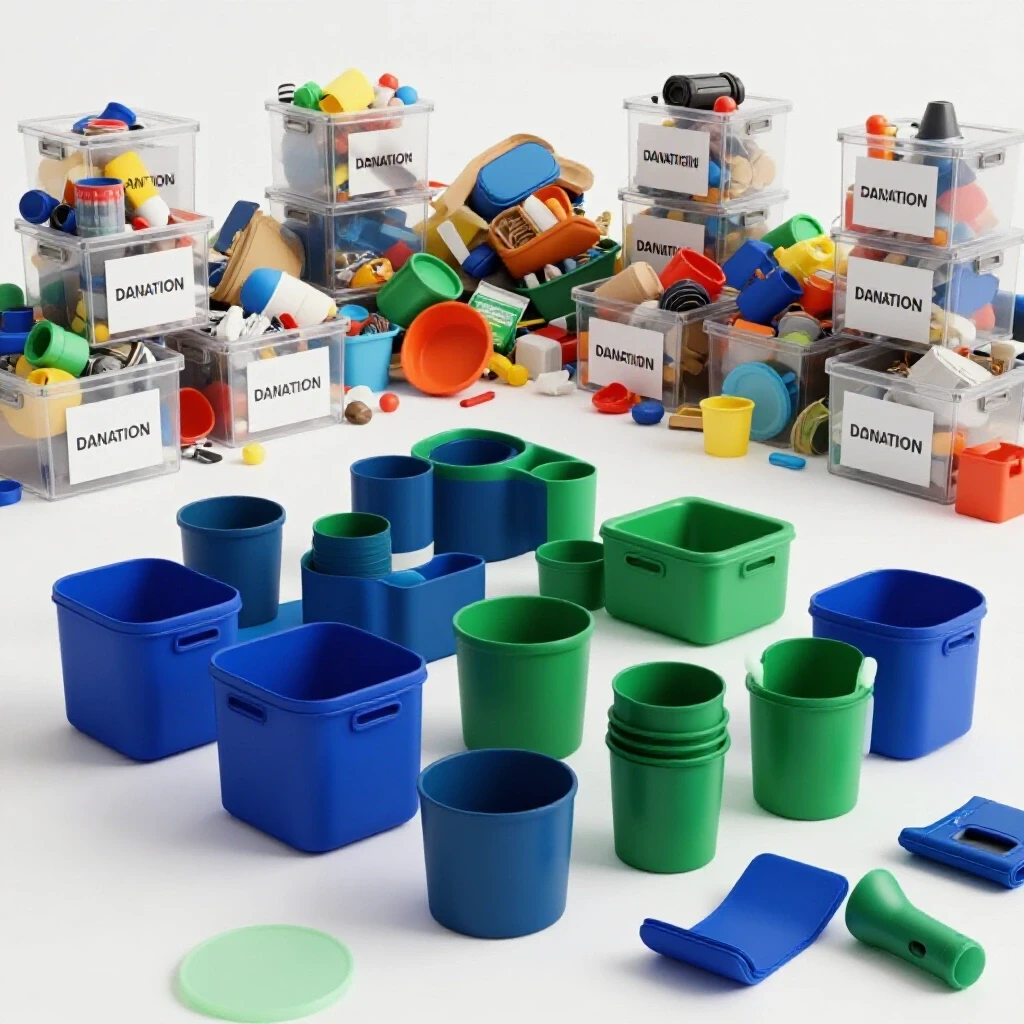
The breakthrough happened when I stopped focusing on the “perfect” bin and started tracking the actual volume of things leaving my house. I began to look at the sheer quantity of home decor, craft supplies, and “just in case” items that we were cycling through. By monitoring the outflow, I realized that our problem wasn’t a lack of storage containers. It was a failure to understand the flow rate of our household goods. We were bringing items in faster than our home’s physical capacity could handle.
This guide details what I discovered by measuring the physical mass of our belongings. It moves away from the idea of a “perfectly clean” home and toward a managed, functional system. If you feel visually overwhelmed and tired of systems that fall apart in forty-eight hours, it is time to look at your home through the lens of logistics and volume.
Analyzing the Physical Inflow and Outflow of Household Goods
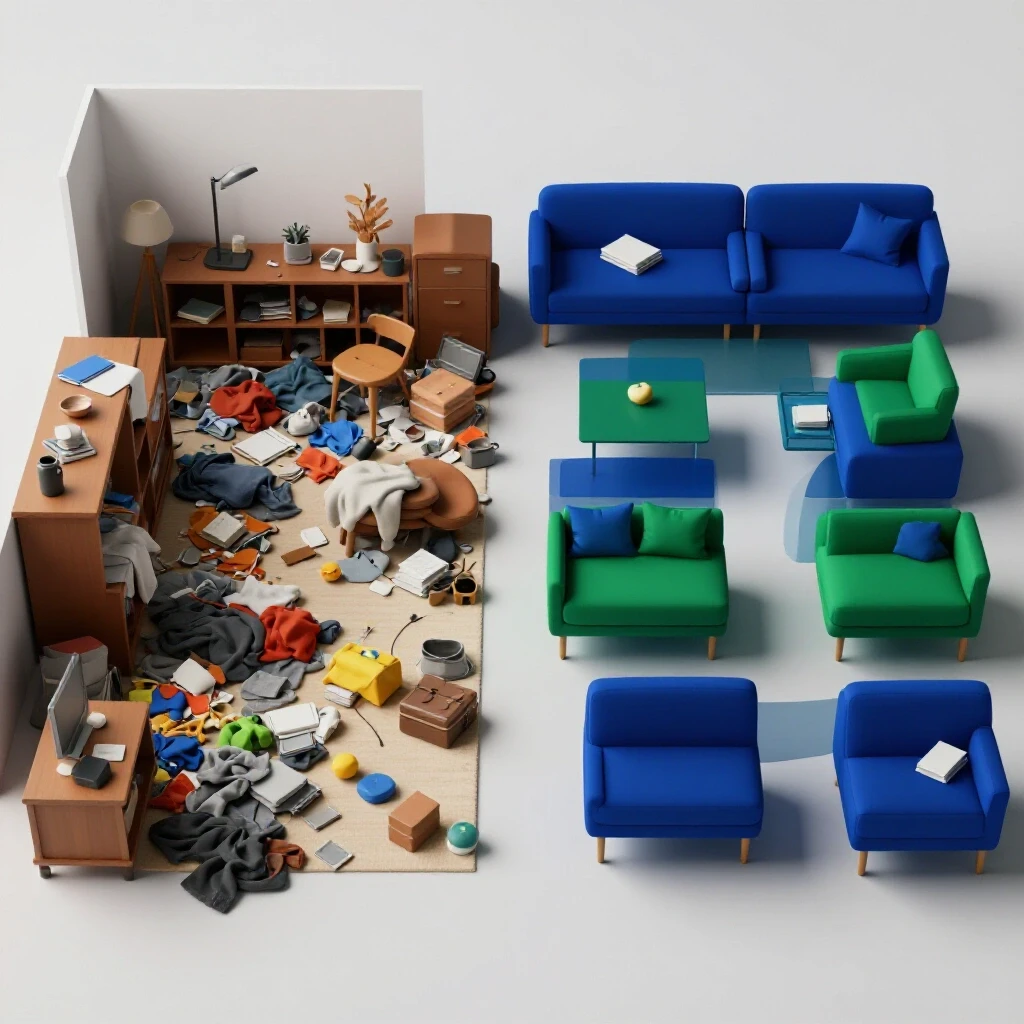
Understanding spatial logistics involves looking at your home as a system with a fixed capacity. When the volume of items entering the house exceeds the volume leaving, clutter is the inevitable result. Tracking what you remove helps identify which categories, like decor or kitchen gadgets, are most prone to excess.
In the world of logistics, we talk about “throughput.” This is the rate at which items move through a space. My home had a high inflow but a stagnant outflow. We bought things for the “future self” who would do more crafts or host more dinner parties. By keeping a simple log of the boxes we donated, I saw a pattern. We were donating the same types of things every six months. This data proved that our “stock levels” for certain categories were too high for our actual lifestyle.
When you track the volume of your donations, you begin to see your home’s true capacity. You realize that a shelf isn’t just a place for a vase; it is a fixed cubic area. If you own ten vases but only have room for two, you have a volume problem, not an organization problem. Recognizing this shift in perspective is the first step toward a home that stays tidy without constant effort.
Why Visual Overload Leads to Decision Fatigue
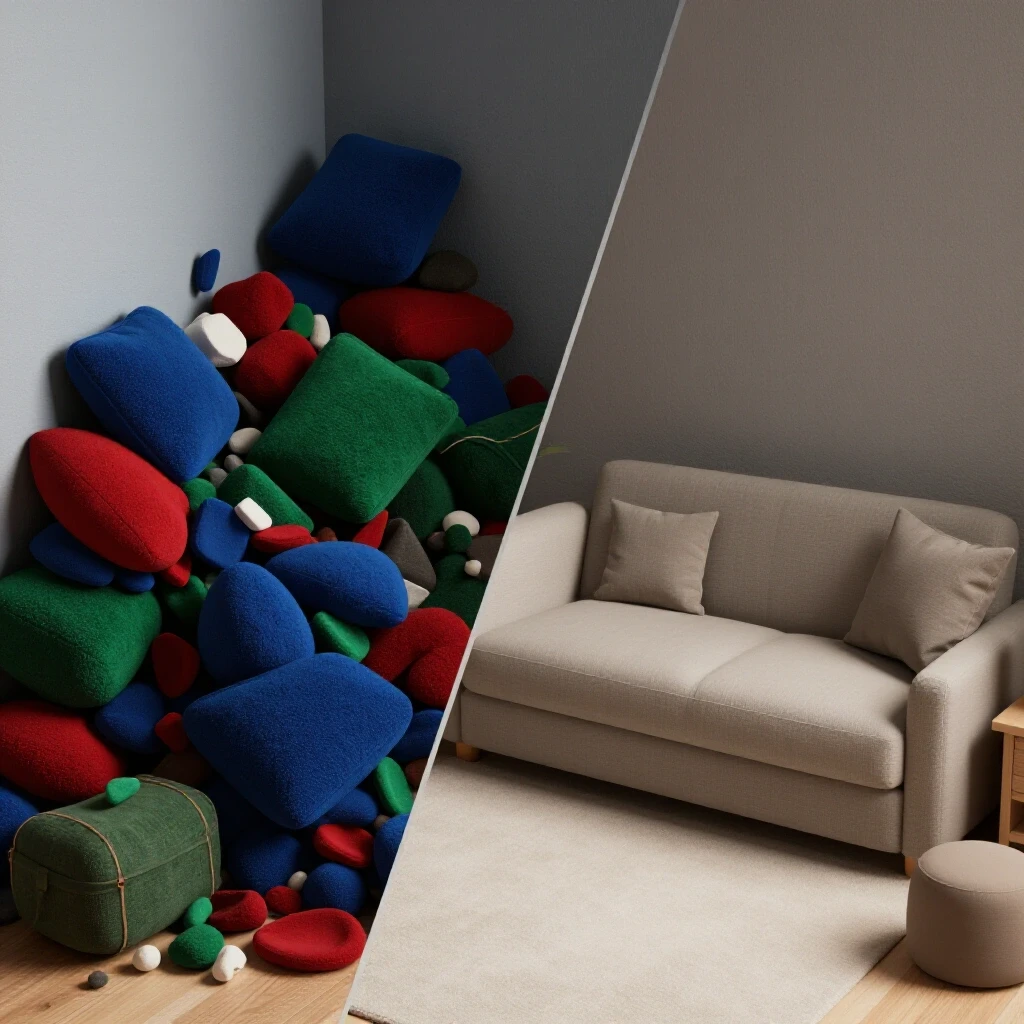
Environmental psychology shows that a high density of objects creates constant visual noise. This forces the brain to process unnecessary data, leading to mental exhaustion. By monitoring the sheer amount of items we donate, we can see exactly how much “noise” we are removing from our daily lives.
Every object in your line of sight is a piece of information your brain has to track. When your counters are covered in mail, toys, and decor, your brain is working overtime just to navigate the room. This is why you feel tired the moment you walk through the front door. It isn’t just the physical mess; it is the cognitive load of all that “stuff.”
Reducing the volume of items in a room directly lowers this mental tax. When I started tracking our donations, I noticed that as the volume of boxes leaving the house went up, my stress levels went down. We weren’t just clearing space; we were clearing mental bandwidth. This is why simple systems work better than complex ones—they require fewer decisions and less mental processing.
The Impact of Spatial Capacity Limits
Spatial capacity is the maximum amount of items a specific area can hold before it loses its function. Every drawer, closet, and room has a limit. When you exceed this limit, you experience “spillover,” which is when items end up on floors or tables because their designated homes are full.
I used to think we needed more shelves. After tracking the volume of our belongings, I realized we needed fewer items. We were trying to store 120% of what our house could actually hold. By bringing that number down to 80%, we created “buffer space.” This buffer is what allows a home to handle the daily mess of life without becoming a disaster zone.
| Metric | Definition | Goal for Families |
|---|---|---|
| Space Utilization % | The amount of storage occupied by items. | 70% to 80% (leave room for growth) |
| Inflow Rate | How many new items enter the home weekly. | Match or stay below Outflow Rate |
| Outflow Volume | The physical amount of items donated/discarded. | High during initial decluttering |
| Retrieval Time | Seconds spent looking for a common item. | Less than 30 seconds |
Developing a High-Speed Sorting Framework for Busy Families
A sorting framework is a set of rules used to categorize items based on their utility and frequency of use. Instead of debating the “spark of joy,” focus on the physical space an item occupies and how often it is handled. This logistical approach speeds up the decluttering process significantly.
When my family and I do a “sorting sprint,” we don’t look for perfection. We look for speed. In logistics, the faster you can sort a package, the more efficient the warehouse. We apply this by using a “Three-Second Rule.” If you can’t decide if an item is useful within three seconds, it goes into a “quarantine” box. If we don’t look for it in thirty days, the whole box is donated.
This method removes the emotional friction that stops most people from decluttering. We aren’t making deep life choices; we are managing inventory. By tracking the volume of these quarantine boxes, we learned that 90% of the things we were “unsure” about were actually just clutter. This gave us the confidence to move faster and donate more.
Reducing Retrieval Friction in Common Living Areas
Retrieval friction is the number of steps or physical effort required to get an item out or put it back. High-friction systems, like stacked bins with lids, often fail because they require too much effort for a tired parent or a child. Lowering this friction ensures systems last.
I once installed a beautiful set of matching bins with tight-fitting lids in our playroom. Within three days, the toys were back on the floor. The “friction” was too high. The kids had to pull out a bin, pry off a lid, play, and then reverse the process. It was too many steps. We switched to open-top baskets, and the floor stayed clear.
When you analyze the volume of items you use daily, place them in the lowest-friction zones possible. If you use a coffee mug every morning, it shouldn’t be behind a cabinet door and a stack of plates. It should be on a hook or a front-row shelf. Reducing steps is the secret to a sustainable home.
The Storage Friction Index by Container Type
Choosing the right container is about more than just looks. It is about how much work it takes to use it. In my 11 years of experience, I have categorized storage by how much “effort” it adds to a task.
- Open Baskets (Low Friction): Best for high-use items like toys, shoes, and blankets. Easy to toss things in.
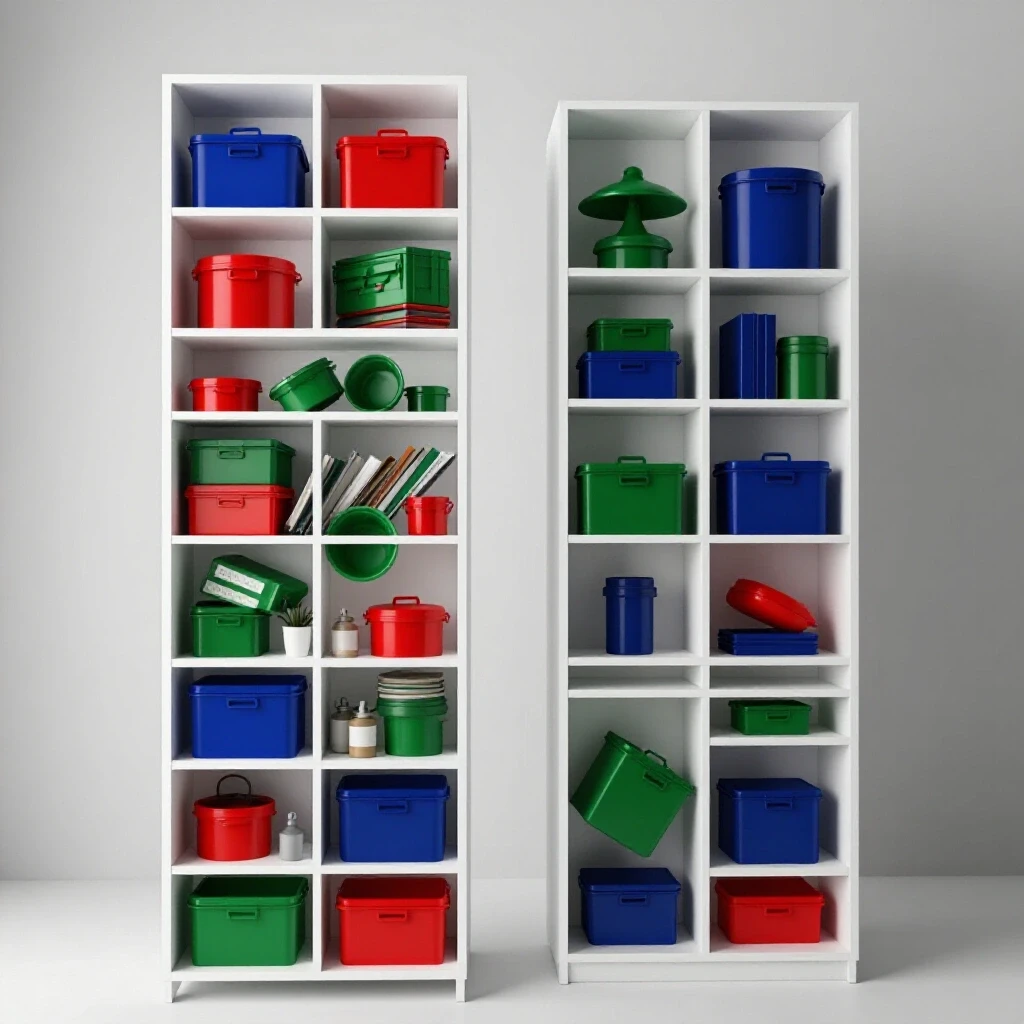
- Clear Tubs with Lids (Medium Friction): Best for seasonal items or craft supplies. You can see what’s inside, but the lid adds a step.
- Opaque Boxes with Lids (High Friction): Best for long-term storage like holiday decor. These require labeling and are the hardest to maintain.
- Stacked Drawers (Medium Friction): Good for clothing or office supplies, as they provide easy access without moving other boxes.
Designing Sustainable Home Organization Systems That Last
Sustainable systems prioritize function over aesthetics to ensure they can be maintained during busy weeks. They rely on clear zoning and accessible containers that accommodate the actual volume of items a family owns. A successful system balances the available storage space with the family’s daily habits.
The reason most “Pinterest-perfect” homes fail is that they are designed for photos, not for people. In a real home, people are tired, kids are messy, and time is short. A sustainable system assumes that you will be at your worst—tired and rushed—and makes it easy to succeed anyway. This means using labels that a five-year-old can understand and placing items where they are actually used, not where they “look best.”
By tracking the volume of what we kept versus what we donated, we built a map of our home’s “hot spots.” These are the areas where clutter naturally gathers. Instead of fighting the clutter, we placed high-volume, low-friction storage in those exact spots. If the mail always ends up on the kitchen island, put a small, attractive basket there. Don’t try to change your behavior; change the system to match it.
The Role of Zoning in Spatial Management
Zoning involves assigning specific areas of the home to certain categories of items based on where they are used. By mapping out these zones, you reduce the distance items travel, which naturally lowers the volume of “homeless” clutter that accumulates on flat surfaces like counters and tables.
In a warehouse, high-demand items are kept near the shipping dock. In a home, your “high-demand” items—keys, bags, coats—should be kept near the “dock” (the entryway). We created a “Zone Map” for our house. The kitchen is the “Fuel Zone,” the living room is the “Recovery Zone,” and the bedrooms are the “Rest Zones.”
When an item from the “Recovery Zone” (like a remote or a throw blanket) ends up in the “Fuel Zone,” it creates a logistical error. By teaching the family the zones, everyone knows exactly where an item belongs. This reduces the time spent “cleaning” because you are simply returning items to their designated zones.
Storage Density and Space Utilization
One of the most important metrics I tracked was item density. This is the number of items packed into a specific cubic foot of space. When density is too high, you can’t see what you have, which leads to “duplicate buying.” You buy a second pair of scissors because you can’t find the first pair under a mountain of junk.
- Standard Item-Density Guideline: Aim for 30% empty space in every drawer and shelf.
- Visual Access: You should be able to see 90% of a zone’s contents without moving more than two items.
- Sorting Time-Box: Limit decluttering sessions to 20-minute intervals to avoid decision fatigue.
Practical Metrics for Maintaining a Functional Living Space
Metrics provide a way to measure the success of your organization efforts beyond just how a room looks. By tracking sorting times and the volume of items donated over several months, you can see if your home is reaching a stable state or if accumulation is still winning.
I keep a simple “Decluttering Log” on the side of our refrigerator. Every time a bag of donations leaves the house, we mark it down. This visual representation of “outflow” is incredibly motivating. It shows that we are making progress, even on days when the house feels messy. It also helps us identify “high-volume months,” like December or birthdays, so we can plan an extra donation trip in advance.
The goal isn’t to have zero items. The goal is to have a manageable volume. If your “daily cleanup” takes more than fifteen minutes, your volume is likely too high for your current system. By measuring this time, you can objectively decide when it is time to do another round of donations.
Establishing Weekly Maintenance Habit Loops
Habit loops are small, repeatable actions that keep the organizational system from breaking down. These include a ten-minute evening “reset” or a monthly check of the donation bin. Consistent, low-effort routines are more effective than massive, exhausting weekend purging sessions that leave the family drained.
Our family uses a “One-In, One-Out” rule for certain categories, like shoes and toys. If a new pair of sneakers comes in, an old pair must be added to the donation box. This maintains a steady volume and prevents the slow creep of clutter. This is a logistical “steady state.”
We also perform a “Five-Minute Sweep” every night before bed. We aren’t deep cleaning; we are just moving items back to their zones. Because we have reduced the volume of our belongings and lowered the friction of our storage, this sweep is fast and easy. It prevents the “clutter snowball” from rolling into the next day.
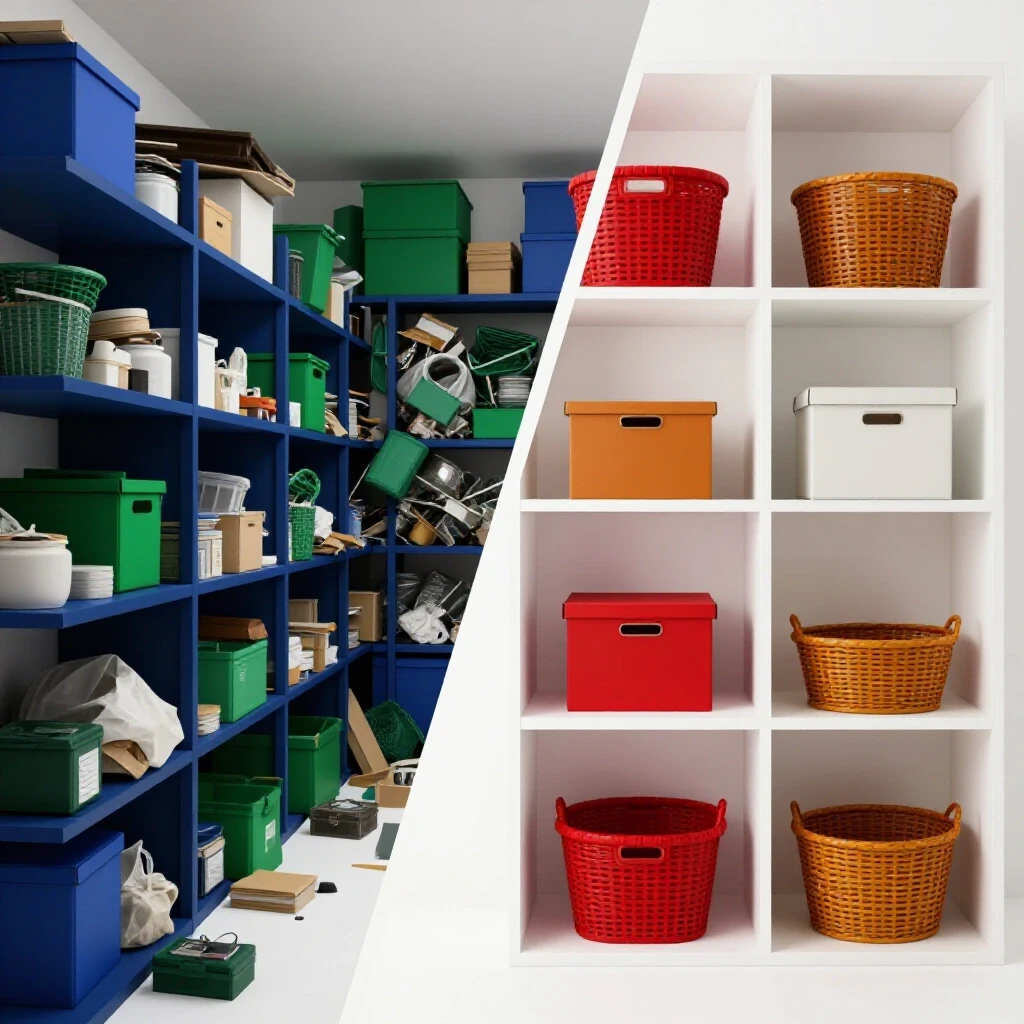
Comparison of Visual vs. Functional Systems
| Feature | Visual-Focused Systems | Functional-Focused Systems |
|---|---|---|
| Primary Goal | Aesthetic appeal (looks “perfect”) | Ease of use and maintenance |
| Storage Type | Matching, often opaque bins | Transparent or open-top containers |
| Labeling | Small, stylish, or non-existent | Large, clear, and descriptive |
| Maintenance | High (requires constant fussing) | Low (designed for speed) |
| Family Adoption | Difficult (too many rules) | Easy (aligned with natural habits) |
Lessons from the Donation Log
Tracking the volume of items leaving my home taught me that organization is not a one-time event; it is a management of flow. I learned that our family was prone to “decor accumulation”—buying small items to refresh a room rather than addressing the underlying clutter. By seeing the number of picture frames and candles in our donation boxes, we became more mindful of what we bought in the future.
We also learned that “just in case” is a dangerous phrase. We held onto a high volume of items—extra cables, old textbooks, various kitchen gadgets—that we never used. They took up valuable “real estate” in our home. Once we cleared that volume, the house felt lighter, and our daily routines became faster.
If you are ready to start, don’t buy new bins yet. Start by tracking your outflow. Grab a box, put it in a high-traffic area, and label it “Donations.” Every time you find something that doesn’t serve your current life, put it in the box. When the box is full, take it to a center and record the volume. You will be surprised at how much “weight” you are actually carrying in your home.
Practical Steps for Your First Volume Audit
- Select a “Donation Zone”: Pick a spot in the garage or a closet to collect items.
- Use Uniform Boxes: This makes it easier to measure the volume (e.g., “We donated 5 medium boxes this month”).
- Track by Category: Note if the items are clothes, kitchenware, or toys to find your “problem areas.”
- Set a “Capacity Limit”: Decide that once you have three boxes, they must leave the house within 48 hours.
- Audit Your Storage: Open one drawer today. If it is 100% full, remove items until it is 70% full.
By focusing on the volume of things and the logistics of your home, you can move away from the frustration of constant cleaning. You don’t need a perfect home; you need a home that works for you. Start measuring your progress by what leaves the house, and the rest will follow.
Frequently Asked Questions
How do I know if the volume of my belongings is too high? If your daily cleanup takes longer than 15-20 minutes, or if you frequently find “homeless” items on flat surfaces, your volume likely exceeds your storage capacity. Another sign is “retrieval frustration,” where you have to move three things to get to the one item you actually need.
Why does my house get cluttered again so quickly after I organize it? This usually happens because the system has too much “friction” or the volume of items is still too high. If a system is hard to use, your family will naturally stop using it. Focus on low-friction, open-storage solutions and reducing the total number of items in that area.
What is the “One-In, One-Out” rule, and does it really work? It is a logistical principle where you commit to removing one item for every new item you bring into the home. It is highly effective for maintaining a “steady state” of volume, especially for high-turnover categories like clothing, toys, and books.
How can I get my kids to follow these organization systems? Use “Low-Friction” storage. Replace bins that have lids with open baskets. Place storage at their height and use clear, visual labels (like pictures for younger children). When the system is easier than leaving the toy on the floor, they are more likely to use it.
Is it better to use clear or opaque bins? For families, clear bins are almost always better. They reduce “search time” and visual mystery. Opaque bins often become “clutter graveyards” because people forget what is inside them. Use opaque bins only for items you use once a year, like holiday lights.
How often should I audit the volume of my donations? A monthly check-in is usually enough for most busy families. Simply look at your donation log or the physical box you’ve set aside. If the box has been sitting full for more than a week, it’s time to move it out to maintain the flow.
What should I do with “just in case” items that take up space? Apply the “20/20 Rule.” If you can replace the item for less than $20 and in less than 20 minutes from your house, you can safely donate it. The “cost” of storing the item is often higher than the cost of replacing it if you ever actually need it.
How do I handle “sentimental” volume? Focus on the physical space first. If you have ten boxes of sentimental items, try to consolidate them into two. Keep the most meaningful pieces and take photos of the rest. Remember, the goal is to manage the volume so you can enjoy the space you live in now.
(This article was written by one of our staff writers, Christopher Bennett. Visit our Meet the Team page to learn more about the author and their expertise.)