How to Organize Business Inventory at Home With Family (Step-by-Step)

The floor of my living room has seen better days. Between the scuff marks from my kids’ plastic trucks and the heavy crates of handmade pottery I once stored there, the wear-and-tear is a constant reminder that a home is a high-traffic zone. Over the last 11 years, I have navigated the messy intersection of professional logistics and family life. I have learned that the “perfect” home shown in magazines does not exist for those of us who run a small business from the kitchen table or a spare bedroom.
When you manage professional supplies alongside a busy household, the boundaries often blur. You might find a prototype for a new product tucked into a toy box or discover that your packing tape has been used for a school project. This overlap causes more than just physical mess; it creates mental fatigue. My background in operations taught me that when a system fails, it is rarely the fault of the person. Usually, the system itself has too much friction.
Why Mixed-Use Spaces Fail and the Science of Visual Overload
Spatial processing is how our brains understand the physical layout of our environment. In a home that serves as both a living space and a storage hub for professional goods, our brains struggle to switch between “rest mode” and “work mode.” This leads to a constant state of low-level stress.
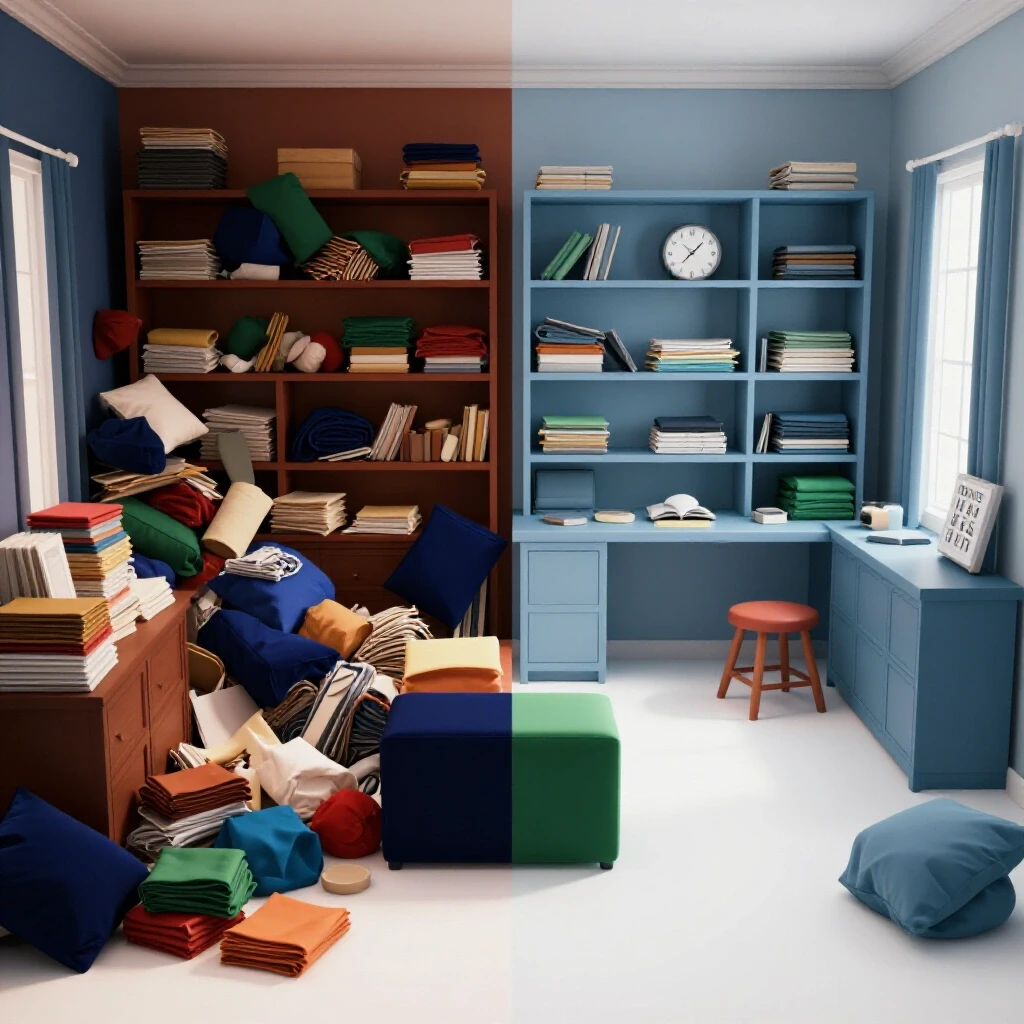
Research in environmental psychology journals suggests that high levels of visual clutter can increase cortisol, the body’s primary stress hormone. For parents, this effect is doubled. You are not just looking at a mess; you are looking at unfinished work and unplayed games. In my own home, I noticed that my frustration peaked when I couldn’t find a shipping label because it was buried under a pile of mail. This is what logistics experts call “retrieval friction”—the number of steps and the amount of effort required to get what you need.
The Psychological Cost of Decision Fatigue in Sorting
Decision fatigue occurs when the brain becomes exhausted after making too many choices. When every item in your home lacks a clear “home,” you have to decide where to put it every single time you pick it up.
In a professional setting, we use “standardized work” to prevent this. At home, we can apply the same logic. If your professional supplies are mixed with family items, every cleaning session requires a hundred tiny decisions. Should this go in the office? The garage? The trash? By the time you finish one room, your brain is spent. This is why many families find their homes revert to chaos within days. The system requires too much thinking to maintain.
Redesigning Your Home Logistics for Better Flow
Flow rates and retrieval friction are the two most important concepts for a functional home. Flow rate refers to how quickly items enter and leave your house. Retrieval friction is the physical effort needed to reach an item, such as moving three boxes to get to one bin.
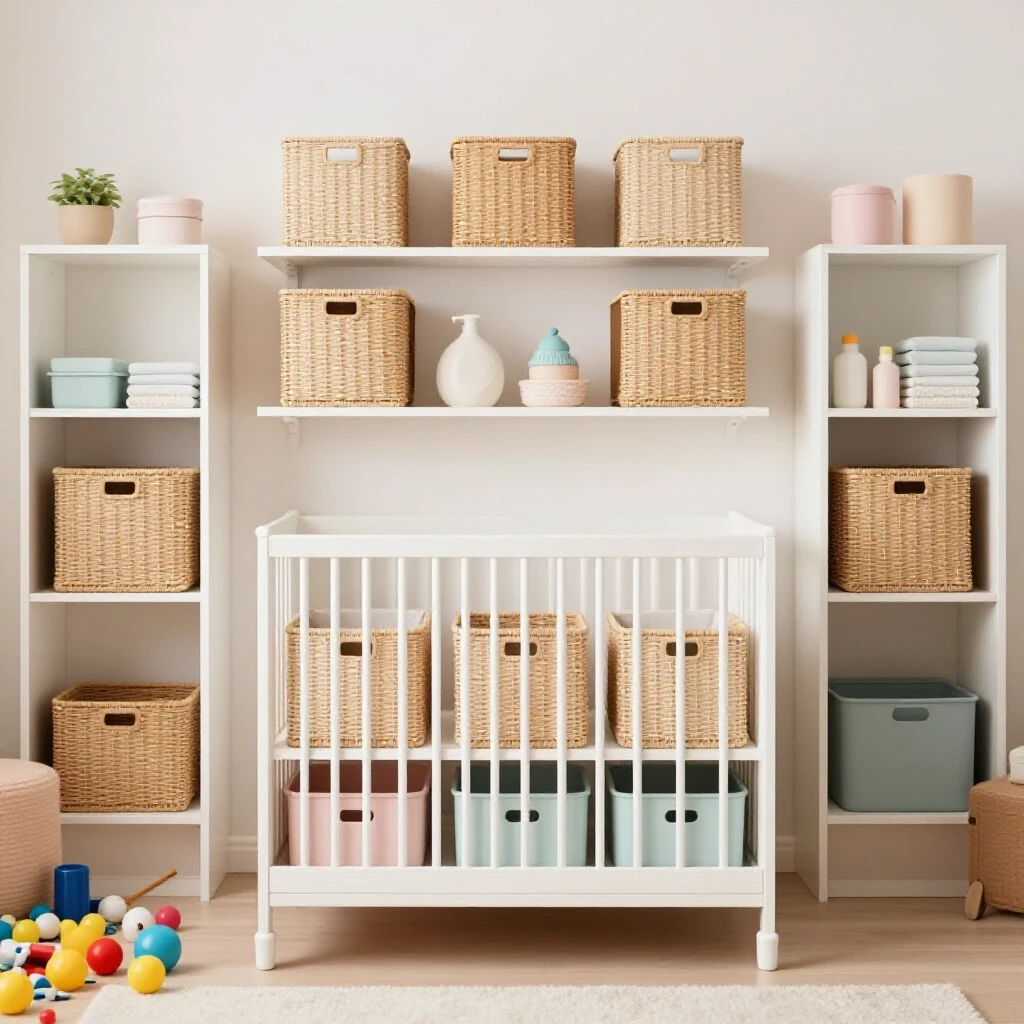
I once tried to organize my inventory in beautiful, deep wicker baskets. They looked great on Instagram. However, I couldn’t see what was inside, and I had to unstack them to find specific items. This was a high-friction system. Eventually, I stopped putting things away because the effort was too high. To build sustainable decluttering habits, we must focus on “low-friction” solutions that prioritize speed over aesthetics.
Comparing Visual vs. Functional Organization Systems
| Feature | Visual Systems (Aesthetic) | Functional Systems (Logistical) |
|---|---|---|
| Primary Goal | Looking “tidy” or “pretty” | Reducing retrieval time |
| Container Type | Opaque, decorative, or matching | Clear, labeled, or open-top |
| Accessibility | Often stacked or hidden | Single-layer or easy-access |
| Maintenance | High (requires constant fussing) | Low (easy to put things back) |
| Family Friendly | Low (hard for kids to follow) | High (intuitive for all ages) |
The Sorting Framework for Makers and Parents
Sorting speed is the time it takes to categorize a group of items. To manage professional inventory without losing your mind, you need a framework that separates “active” items from “archived” items. This prevents professional gear from creeping into family relaxation zones.
During one of my family organization sprints, I realized we were treating every item with the same level of importance. My logistics training kicked in, and I started using a “Sorting Log.” This tool helps identify which items are essential for daily life and which are just taking up valuable real estate. By reducing the number of items you have to touch daily, you reduce the overall household clutter.
Professional and Family Sorting Log
Use this log to audit a specific room or storage area. Rate each category based on how often you use it.
- Daily Essentials: Items used every day (e.g., shipping scale, coffee mugs). Store these at “waist-to-eye” level.
- Weekly Tools: Items used 1-2 times a week (e.g., bulk packaging tape, library books). Store these on lower or higher shelves.
- Monthly/Seasonal: Items used rarely (e.g., holiday decor, back-stock of raw materials). Store these in “deep storage” like a garage or attic.
Zoning Strategies for Shared Environments
Zoning principles involve dividing a single room into specific functional areas. In a mixed-use home, zoning is the only way to prevent professional supplies from colonizing the dining table or the sofa.
I recommend creating “Hard Zones” and “Soft Zones.” A Hard Zone is for professional work only—no toys or snacks allowed. A Soft Zone is for family life, where professional items are strictly banned. This clear boundary reduces the mental load of seeing work while you are trying to relax with your children. Interestingly, spatial ergonomics studies show that even a small physical barrier, like a rug or a different colored shelf, can help the brain recognize these boundaries.
High-Speed Zoning Map for a Multi-Purpose Room
- The Work Core: A desk or table dedicated to your craft. Keep only “Daily Essentials” here.
- The Buffer Zone: A 3-foot radius around the work core. Use this for temporary storage of items waiting to be processed.
- The Family Perimeter: The rest of the room. This area must remain clear of professional inventory to preserve the “home” feeling.
- The Transit Station: A small bin or shelf near the door for outgoing packages or items leaving the house.
Why High-Friction Bins Lead to Rapid Clutter Reversion
Storage volume metrics help us understand if we are overstuffing our homes. A common mistake is filling a space to 100% capacity. In logistics, we aim for 80% capacity. This extra 20% “buffer” allows you to move items around without having to empty the entire shelf.
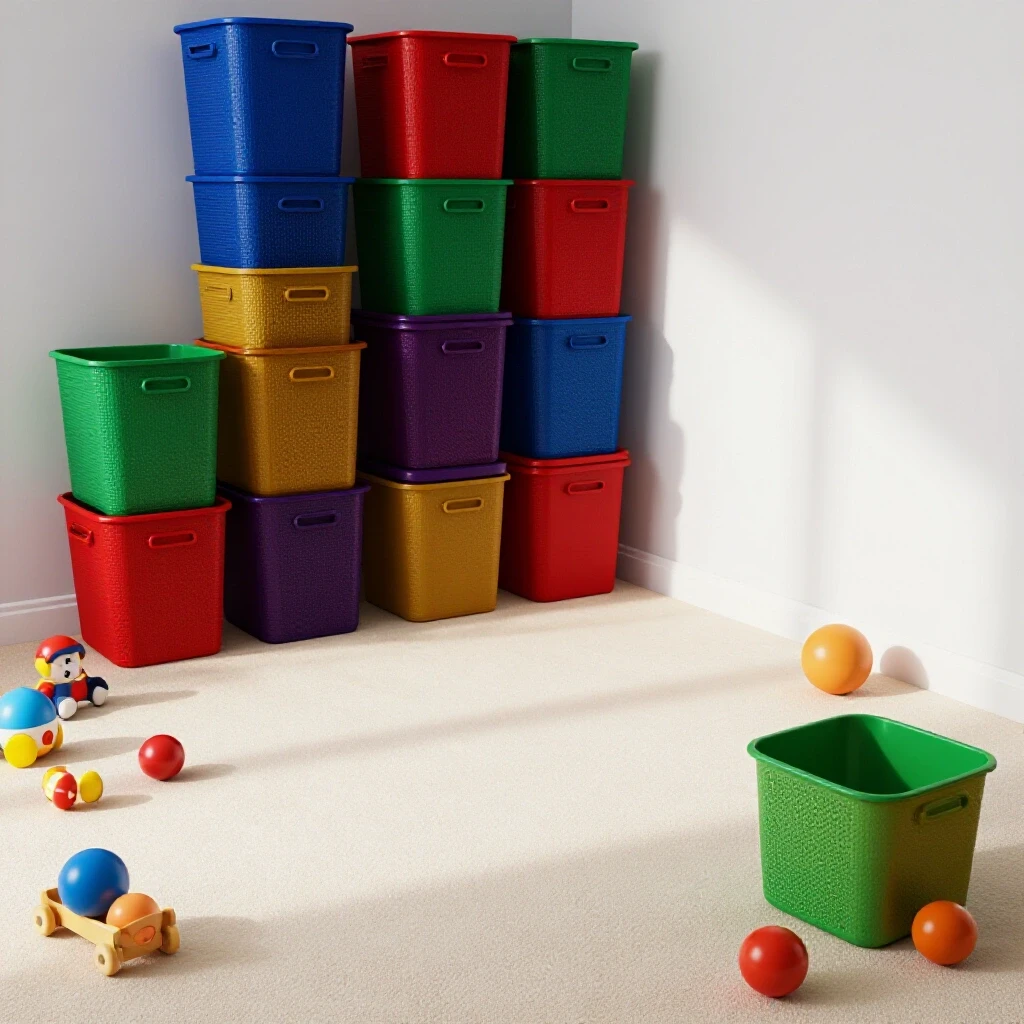
When you choose storage solutions for families, you must consider the “step count.” If it takes five steps to put a toy away (open lid, move tray, drop toy, replace tray, close lid), the toy will stay on the floor. The same applies to your professional inventory. If your craft supplies are hard to reach, they will end up scattered across your workspace.
Storage Friction Index by Bin Type
- Open Baskets (Friction Level: 1/5): Best for high-frequency items. Just toss and go.
- Clear Bins with No Lids (Friction Level: 2/5): Great for visibility and quick access.
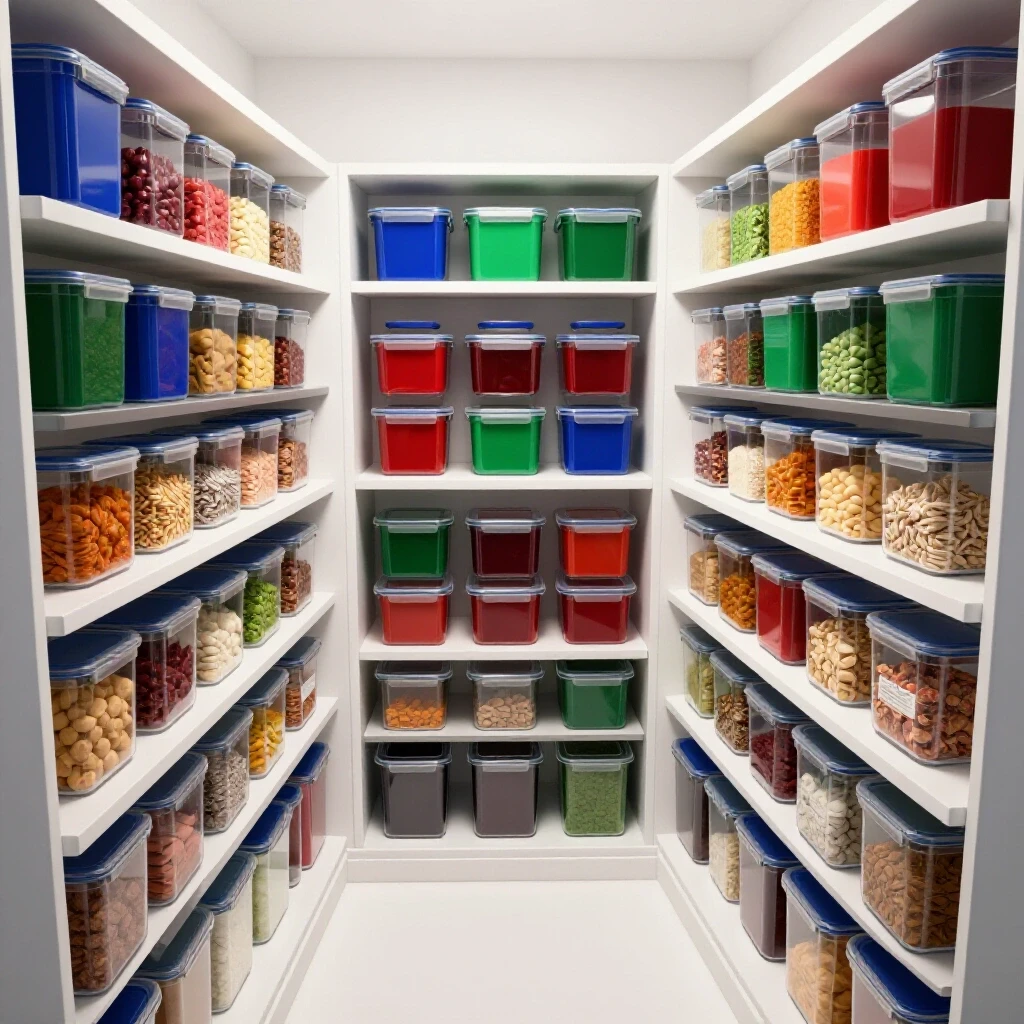
- Lidded Clear Bins (Friction Level: 3/5): Good for stacking, but adds a step for retrieval.
- Opaque Bins with Lids (Friction Level: 5/5): The “clutter trap.” Items are often forgotten or lost here. Use only for seasonal storage.
Building Sustainable Household Habit Loops
Feedback loops are the secret to maintaining order over months rather than days. A feedback loop is a signal that tells you when a system is working or failing. For example, if you can’t close a drawer, that is a feedback signal that your “inflow” has exceeded your “spatial capacity.”
To keep functional home storage working, every family member needs to understand the “One-In, One-Out” rule. If you bring in a new crate of supplies, an old one must be used up or moved to deep storage. This keeps your inventory at a manageable level and prevents the slow creep of mess that leads to a failed decluttering journey.
Daily Maintenance Timelines by Family Size
Maintaining a tidy home shouldn’t take hours. Focus on small, timed intervals to keep the system running.
- Families of 2: 10 minutes of “resetting” zones each evening.
- Families of 3-4: 20 minutes of total family participation. Focus on clearing the “Transit Station” and “Buffer Zones.”
- Families of 5+: 30 minutes. Assign specific zones to each person to reduce decision fatigue.
Selecting Low-Maintenance Gear and Smart Labels
Modern technology has made it much easier to track physical goods in a small space. Digital inventory methods, such as using QR code labels on bins, allow you to see what is inside a box without opening it. This is a game-changer for professional makers who have large amounts of back-stock.
I use a simple smartphone app to scan labels on my storage bins. When I need a specific fabric or tool, the app tells me exactly which bin it is in. This reduces “search time” and prevents me from tearing apart a neatly organized shelf just to find one small item.
Steps to Implement a Smart Labeling System
- Group by Category: Place all similar professional supplies in clear, heavy-duty bins.
- Number the Bins: Assign a unique number to every container.
- Digital Log: Use a spreadsheet or a dedicated app to list the contents of Bin #1, Bin #2, etc.
- Print QR Codes: Attach a scannable code to the outside of the bin for instant digital searching.
- Standardize Placement: Always return the bin to its assigned shelf location.
Practical Measurements for a Balanced Home
To manage a home-based business effectively, you need to treat your space like a small warehouse. This sounds cold, but it actually provides more freedom for family time. By knowing your numbers, you can stop guessing and start managing.
- Standard Item Density: Aim for no more than 5 items per square foot of open shelf space to maintain visual calm.
- Sorting Time-Box: Never sort for more than 45 minutes at a time. After this, decision fatigue sets in and your efficiency drops.
- Retrieval Step Count: Aim for a maximum of 2 steps (e.g., pull out bin, remove item). If it takes 3 or more steps, redesign the storage.
- Daily Habit Tracking: It takes about 21 to 60 days for a new organization habit to become automatic. Use a simple wall calendar to mark off “Reset Days.”
Transitioning from Chaos to a Sustainable System
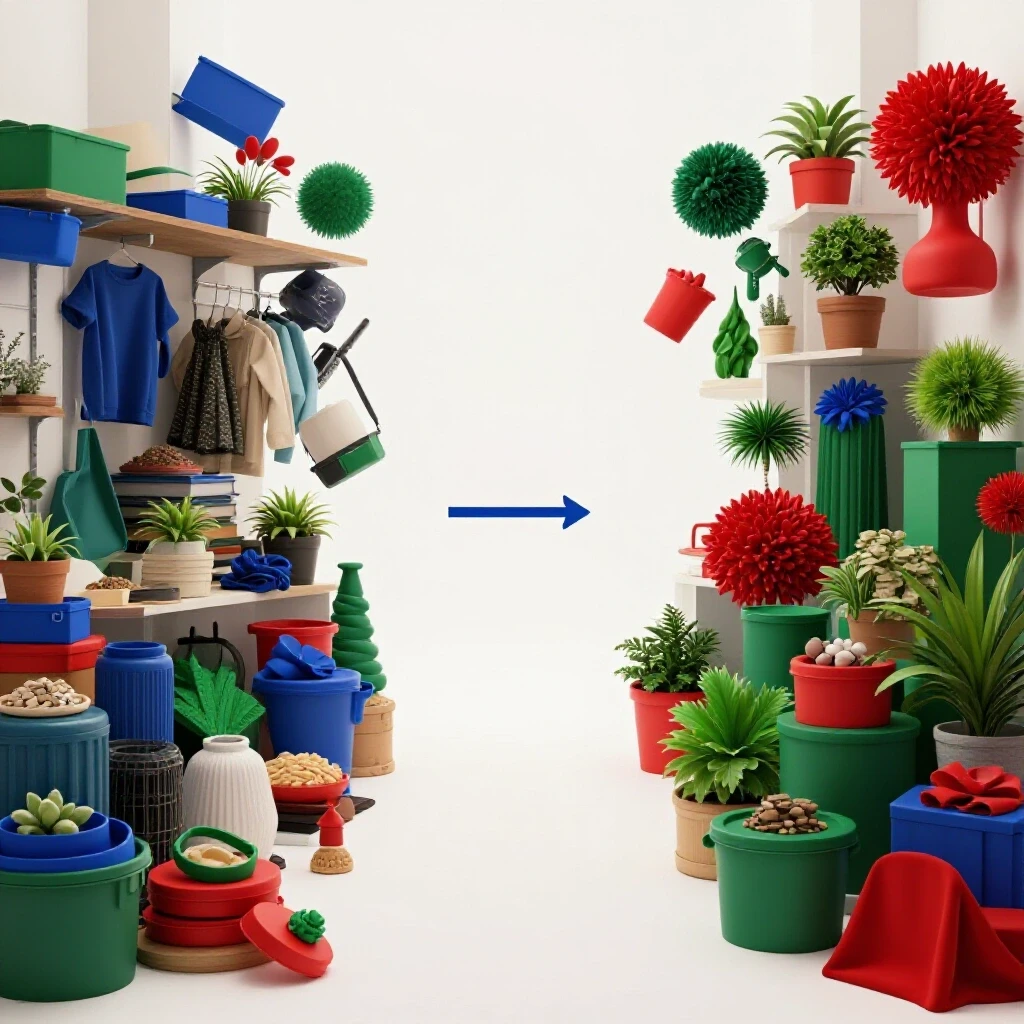
Moving from a cluttered state to a functional one is not a weekend project; it is a shift in how you view your home. You are the “Operations Manager” of your household. By focusing on logistics—flow, friction, and zoning—you can create a space that supports both your professional goals and your family’s need for peace.
I remember the day I finally stopped trying to make my home look like a showroom. I embraced clear bins, labeled zones, and 15-minute resets. The relief was immediate. My kids knew where their toys went, and I knew exactly where my professional tools were. The scuff marks on the floor are still there, but the mental weight of the mess is gone.
Actionable Next Steps
- Identify your highest-friction area. Where does the mess always start?
- Create one “Hard Zone” today. Clear one shelf or desk and declare it “Work Only.”
- Audit your containers. Replace one opaque, hard-to-open box with a clear, easy-access bin.
- Set a 15-minute timer. Involve the whole family in a “spatial reset” before bed.
Frequently Asked Questions
How do I stop my kids from touching my professional supplies?
The best way is to use “Visual Boundaries” and “Physical Locks.” Use a specific color of bin (like red) for work items and teach children that red means “stop.” For high-risk items, use bins with latches that are too difficult for small hands to open, or store them on shelves above the 5-foot mark.
What is the best way to handle seasonal professional stock?
Seasonal items should be moved to “Deep Storage” zones, such as high closet shelves or labeled bins in the garage. Do not let items you only use once a year take up “Prime Real Estate” (waist-to-eye level) in your daily living areas.
How can I tell if my organization system is too complex?
If you find yourself “piling” instead of “filing,” the system is too complex. If it takes more than 10 seconds to put an item away correctly, your friction is too high. A good system should feel almost effortless to maintain.
Does every item really need a label?
Not every item, but every category does. Labels serve as a “contract” for the family. When a shelf is labeled “Shipping Supplies,” it prevents someone from putting a board game there. Labels reduce the mental work of deciding where things go.
How do I handle items that don’t have a clear category?
Logistics professionals use a “Miscellaneous Transit Bin.” If you aren’t sure where an item goes, put it in this bin. Once a week, go through the bin. If you still don’t have a home for it, it might be time to declutter it.
What should I do if my partner doesn’t follow the system?
Focus on reducing friction for them. If your partner leaves mail on the counter, put a “Mail Inbox” exactly where they usually drop it. Systems should adapt to human behavior, not the other way around.
Can I organize my home without buying expensive bins?
Absolutely. Use sturdy cardboard boxes and cut the tops off to create open-top bins. The goal is the logic of the system (zoning and accessibility), not the price tag of the containers.
How often should I perform a deep declutter?
If you follow the “One-In, One-Out” rule, you should only need a deep audit once every six months. This usually aligns with seasonal shifts when you are moving stock or clothing in and out of storage.
Why does my home get messy again so fast?
This usually happens because the “Inflow” is higher than the “Outflow,” or because the storage is too hard to reach. Check your retrieval friction. If it’s too hard to put things away, they will stay on the surfaces.
How do I manage large, bulky inventory in a small apartment?
Use “Vertical Scaling.” Use industrial-style shelving that reaches the ceiling. Store the heaviest, least-used items at the bottom and the light, frequently-used items at eye level. Always secure tall shelves to the wall for safety.
What is the most important rule for a functional home?
The 80% Rule. Never fill your shelves, drawers, or bins to more than 80% capacity. That extra space is the “breathing room” that allows you to maintain the system without stress.
(This article was written by one of our staff writers, Christopher Bennett. Visit our Meet the Team page to learn more about the author and their expertise.)