How to Fix Bathroom Sink Smells: Causes & Solutions (Guide)

Focusing on pet-friendly choices is a priority for many homeowners when maintaining older properties. During my 17 years as a facilities technician, I found that the safest and most effective ways to manage household systems often involve simple, non-toxic ingredients. Using natural mixtures ensures that we protect our plumbing and our pets while addressing persistent issues like recurring drain odors. In my experience managing legacy homes, I have learned that a systematic approach to diagnostics usually reveals that the most frustrating problems have surprisingly simple biological or mechanical roots.
The Building Science of Drainage Air Quality
Building science is the study of how heat, air, and moisture move through a structure and affect its longevity and comfort. In a bathroom, the drainage system relies on a water seal and proper venting to keep sewer gases out of the living space. When these physical barriers fail or when organic matter accumulates in hidden channels, the air quality in the room degrades quickly.
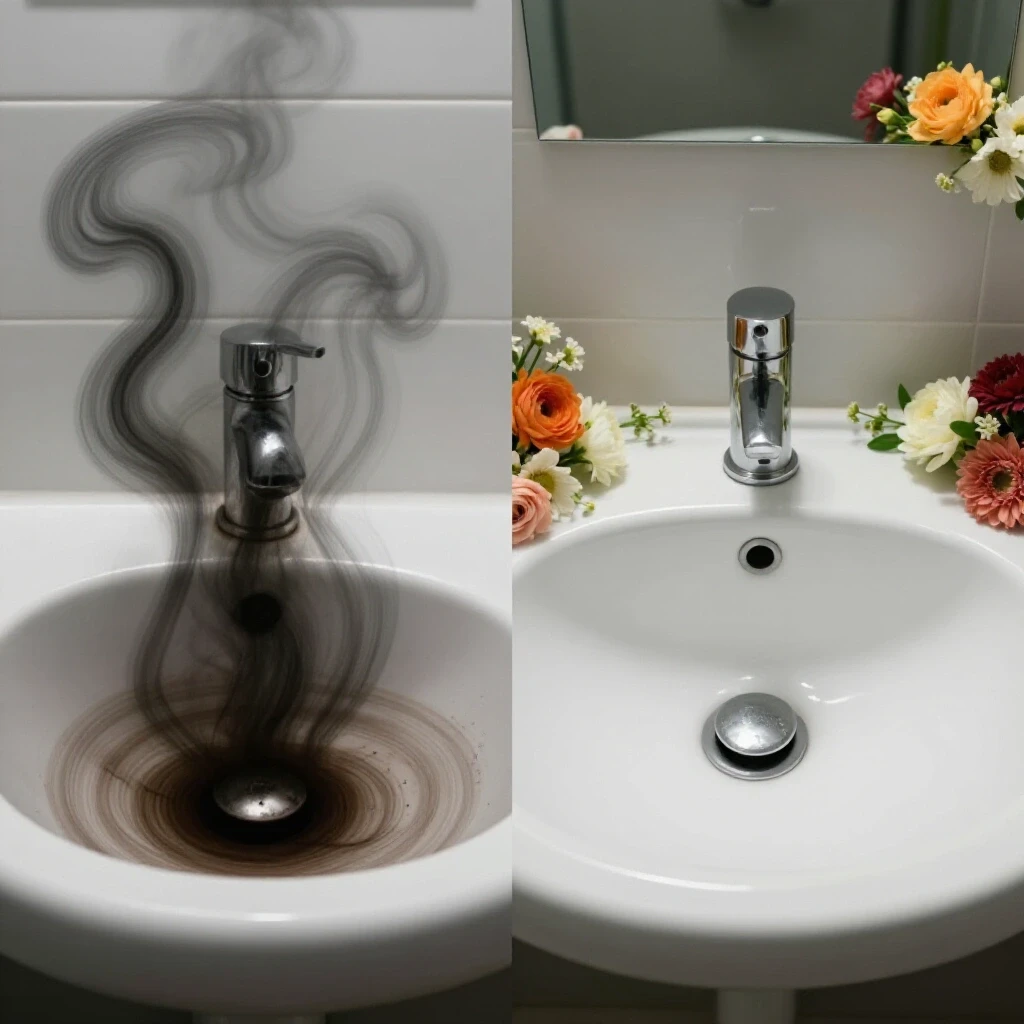
Understanding the “why” behind drainage issues requires looking at the P-trap and the overflow channel. The P-trap is a U-shaped pipe under the sink designed to hold a small amount of water. This water acts as a physical seal, blocking gases from the sewer lines from entering your home. If this water evaporates or is siphoned away, the seal is broken. Additionally, the overflow—the small hole near the top of the sink—is a prime location for biofilm. Biofilm is a colony of bacteria that creates a slimy, protective layer, often thriving in moist, dark areas where soap scum and hair collect.
Residential Diagnostic Tools for Moisture and Air Quality
Residential diagnostics involve using specific tools to measure the performance of a home’s mechanical systems and identify failures. For a homeowner, having a baseline set of tools allows for an objective assessment of whether a problem is a simple cleaning task or a sign of a deeper structural issue.
To accurately track down the source of a persistent scent in a bathroom, I recommend the following specialized but accessible tools:
- Non-Contact Moisture Meter: This device measures the moisture content in drywall or wood around the sink. A reading above 15% in surrounding cabinetry may indicate a slow leak rather than a simple drain issue.
- High-Lumen LED Flashlight: Essential for inspecting the dark interior of the overflow channel and the underside of the pop-up stopper.
- Flexible Nylon Bottle Brush: Used to physically disturb biofilm in narrow channels that water alone cannot reach.
- Infrared Thermometer: Helpful for verifying that water used for cleaning reaches the necessary temperature (ideally 140°F to 160°F) to break down fats and oils without damaging older pipes.
- Small Inspection Mirror: Allows you to see the underside of the sink rim and the interior of the overflow hole.
| Symptom | Potential Root Cause | Diagnostic Action |
|---|---|---|
| Odor only when water runs | Biofilm in the overflow or tailpiece | Inspect overflow with a flashlight and mirror. |
| Constant “sewer” smell | Dry P-trap or broken seal | Check water level in the trap; refill if empty. |
| Slow drain + Odor | Hair and soap scum clog | Remove and clean the pop-up stopper. |
| Damp smell inside cabinet | Slow leak at the slip joints | Use moisture meter on cabinet floor. |
Why the Sink Overflow is the Unexpected Culprit
The sink overflow is a safety feature designed to prevent flooding if the drain is plugged while the faucet is running. It consists of a hidden channel molded into the porcelain or metal of the sink that connects to the main drain line below the stopper. Because this channel rarely sees a high volume of rushing water, it becomes a stagnant environment perfect for bacterial growth.
In my years maintaining older properties, I found that homeowners often scrub the basin and the drain but completely overlook the overflow. Over time, soap splash, toothpaste, and skin cells migrate into this channel. Bacteria feed on this organic matter, creating a thick biofilm. Because the overflow is “upstream” of the P-trap’s water seal, the odors produced inside that hidden channel can rise freely into the bathroom. This is why a sink can smell even if the trap is full and the drain is clear.
Physical Troubleshooting Sequence for Biofilm
To address this hidden accumulation, you must use a combination of mechanical agitation and natural cleaners. Start by inspecting the opening with your flashlight. If you see a dark, slimy residue, you have confirmed the presence of biofilm.
- Mechanical Agitation: Insert a flexible nylon brush into the overflow hole. Move it up and down to break the surface tension of the biofilm.
- The Funnel Method: Place a small funnel into the overflow hole. This ensures your cleaning solution goes into the channel rather than just splashing into the sink basin.
- Natural Reaction: Pour one cup of baking soda into the overflow, followed by one cup of white vinegar. The resulting foam expands through the channel, reaching surfaces that are otherwise inaccessible.
- Thermal Flush: After the foam subsides (about 15 minutes), pour one gallon of hot water (approx. 150°F) through the funnel to wash away the loosened debris.
Managing Trap Seal Integrity in Legacy Homes
The P-trap seal is a fundamental component of a home’s plumbing safety. In older properties, especially in guest bathrooms or powder rooms that are rarely used, the water in the P-trap can evaporate at a rate of approximately 0.05 to 0.1 inches per day depending on humidity levels. Once the water level drops below the “dip” of the trap, the seal is lost.
This creates a direct path for sewer air to enter the home. During my facility logs, I noted that this was the most common cause of “mystery” smells in vacant or seasonal properties. The solution is not a repair, but a change in maintenance habits. If a sink is not used for more than a week, the trap seal is at risk.
Preventive Maintenance for Unused Drains
- Weekly Flushing: Run the faucet for 30 seconds in every bathroom once a week to ensure the traps are topped off.
- Mineral Oil Barrier: For long-term vacancies, a teaspoon of mineral oil added to the trap can create a thin film on top of the water, significantly slowing the evaporation rate.
- Depth Measurement: You can check the seal by shining a light down the drain. You should see the reflection of standing water about 4 to 6 inches below the basin floor.
Systematic Cleaning with Natural Mixtures
Plumbing repair guides for older homes often warn against harsh chemical cleaners because they can cause heat-related stress to aged pipes or damage the finish on vintage fixtures. Instead, natural mixtures rely on pH shifts and thermal energy to break down the organic binders that hold clogs and odors together.
Building a routine around these mixtures prevents the buildup of the “unexpected” biofilm mentioned earlier. A mixture of sodium bicarbonate (baking soda) and acetic acid (vinegar) creates a bubbling action that physically lifts grime. When followed by a high-temperature water flush, it effectively scours the interior of the pipes without the risk of chemical burns or environmental damage.
The Maintenance Schedule Tracker
| Frequency | Task | Targeted System |
|---|---|---|
| Weekly | Run water in all sinks for 30 seconds | P-trap Seal Integrity |
| Monthly | Clean pop-up stopper and tailpiece | Biofilm Prevention |
| Quarterly | Vinegar and Baking Soda flush of overflow | Hidden Channel Hygiene |
| Annually | Inspect slip joints and P-trap for slow leaks | Structural Protection |
When to Move Beyond DIY Diagnostics
While most bathroom odors can be solved through cleaning and trap maintenance, there are specific boundaries where a homeowner should stop and reassess. In older properties, the structural protection of the home depends on recognizing when a mechanical failure is beyond a simple fix.
- Persistent Gurgling: If the sink gurgles when the toilet flushes, this indicates a venting issue. This is a pressure imbalance that can pull water out of your P-trap, breaking the seal.
- Visible Corrosion: If you see “weeping” or green/white crusty deposits on metal pipes (efflorescence), the material is reaching the end of its service life.
- Moisture in Subflooring: If your moisture meter detects readings above 20% in the floor joists or subfloor beneath the sink, you are facing a potential structural rot issue.
Building a Multi-Year Prevention Program
A prevention-focused homeowner views their property as a set of interconnected systems. By addressing small issues like a dry trap or a dirty overflow, you prevent the long-term degradation of air quality and the potential for moisture-related damage to cabinetry and flooring.
My facility logs from 17 years of service consistently showed that homes with a documented maintenance schedule had 40% fewer emergency issues. Start by marking your calendar for a quarterly “overflow audit.” This simple act ensures that the hidden channels of your plumbing remain as clean as the surfaces you see every day.
Frequently Asked Questions
Why does my sink smell even after I’ve cleaned the drain hole? The smell often originates from the overflow channel, a hidden passage that prevents the sink from overflowing. Biofilm—a colony of bacteria—grows on the walls of this channel. Because it is located above the P-trap, the odor can rise directly into the room. Cleaning the overflow with a brush and a baking soda-vinegar mixture is usually necessary.
How much water should be in my P-trap? A standard residential P-trap should hold enough water to create a seal of at least 2 inches in depth. This is known as the “trap seal.” If the water evaporates or is siphoned out, sewer gases can enter the home. In a standard bathroom sink, you should see water standing in the bottom of the pipe when looking down through the drain.
Is it safe to use boiling water in older porcelain sinks? Extremely hot water (near boiling) can cause “thermal shock” to older porcelain or thin-walled plastic pipes, potentially leading to cracks. It is safer to use water between 140°F and 160°F. This is hot enough to melt soap scum and kill most bacteria without risking the structural integrity of the fixture.
How often should I clean my sink overflow? For a prevention-focused homeowner, cleaning the overflow every three to six months is ideal. If the bathroom is used frequently or by multiple people, monthly cleaning may be required to prevent biofilm from establishing a thick layer.
What is the “unexpected” cause of odors in guest bathrooms? The most common unexpected cause is a “dry trap.” If a sink isn’t used, the water seal in the P-trap evaporates. This allows sewer air to bypass the plumbing and enter the room. Simply running the water for a minute once a week will prevent this.
Can a dirty pop-up stopper cause a smell? Yes. The pop-up stopper is a magnet for hair and soap scum. This organic “mat” becomes a breeding ground for bacteria. Removing the stopper and cleaning it with a brush and vinegar once a month is a critical part of residential diagnostics and maintenance.
Does vinegar damage my plumbing? White vinegar is a mild acetic acid. When used in moderation and flushed thoroughly with water, it is safe for most standard plumbing materials, including PVC, copper, and cast iron. However, avoid letting high concentrations of vinegar sit on plated metal finishes (like gold or oil-rubbed bronze) for extended periods, as it can dull the finish.
How do I know if my sink odor is a venting problem? If you hear a “glug-glug” sound from the sink when other fixtures (like the shower or toilet) are used, your plumbing vents may be blocked. This creates a vacuum that sucks the water out of your sink’s P-trap. If the smell returns immediately after you refill the trap, a venting issue is likely.
What tools do I need to clean a sink overflow? You will need a flexible nylon bottle brush, a small funnel, one cup of baking soda, one cup of white vinegar, and a gallon of hot water. A flashlight is also helpful for inspecting the channel before and after cleaning.
Why shouldn’t I use commercial liquid drain cleaners? Many commercial cleaners use caustic chemicals that generate intense heat. In older legacy properties, this heat can soften plastic pipes or cause old metal pipes to leak. Furthermore, these chemicals are often harsh on the environment and can be dangerous if they splash back onto your skin or your pets. Natural mixtures are a safer, more sustainable alternative for routine maintenance.
(This article was written by one of our staff writers, Daniel Whitaker. Visit our Meet the Team page to learn more about the author and their expertise.)