How to Fix a Sticking Sliding Door Track (Easy Home Solution)

Recent shifts in residential building science have moved toward the concept of “High-Performance Aging,” where the goal is to maintain the original efficiency of a home’s moving parts through rigorous, non-invasive care. Modern homeowners are increasingly adopting a “maintenance-first” mindset, realizing that the longevity of a building envelope depends heavily on the cleanliness of its transitional points, such as the thresholds of large exterior openings.
During my 17 years managing older facilities, I found that many perceived mechanical failures were actually simple maintenance lapses. I once inspected a 1920s estate where the heavy glass sliders felt like they were set in concrete. The owner feared a structural settling issue that would cost thousands to remediate. After a systematic 30-minute diagnostic and deep cleaning of the debris channels, the doors glided with a single finger. This taught me that friction is often the primary enemy of home systems, and managing it starts with a vacuum and a scrub brush rather than a contractor’s estimate.
Understanding the Mechanics of Friction in Residential Thresholds
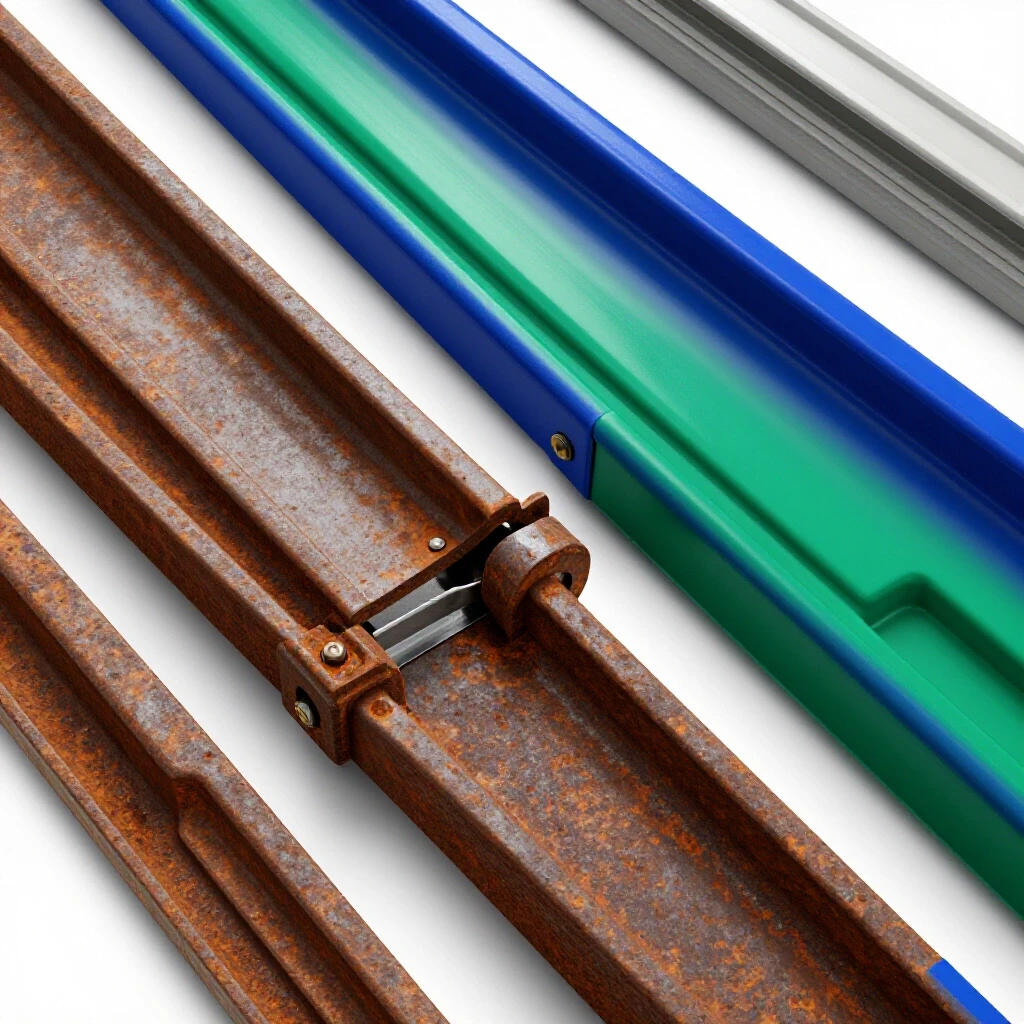
Friction is the resistance that one surface or object encounters when moving over another, and in the context of a home’s entryway, it is often caused by abrasive wear. Abrasive wear occurs when hard particles, like sand or dried mud, get trapped between the roller and the metal path, acting like sandpaper that slowly grinds down the finish and increases resistance.
The Impact of Particulate Accumulation on Door Glide
Particulate accumulation refers to the buildup of organic and inorganic matter, such as pet hair, dust, and outdoor grit, within a confined space. In a sliding system, these materials compress into a solid mass under the weight of the glass, creating “speed bumps” that force the user to apply excessive lateral pressure, which can eventually strain the door frame.
When I perform a residential diagnostic, I look for “grittiness” in the movement. If you hear a crunching sound, you are dealing with inorganic particulates like sand or salt. If the movement feels “mushy” or heavy, the culprit is likely organic—dust bunnies and hair that have absorbed moisture and become a thick, felt-like barrier. Identifying these symptoms early is a core part of a preventative home care strategy.
Diagnostic Tools for Assessing Track Performance
To properly evaluate why a door is resisting movement, you need more than just your eyes; you need a systematic approach using basic household tools to measure the extent of the buildup. Residential diagnostics involve quantifying the problem so you can track the effectiveness of your cleaning routine over time.
Identifying Moisture and Debris Patterns
Moisture detection in a threshold is critical because water trapped in a dirty channel leads to oxidation and the growth of biofilm, which increases surface tension. By using a simple moisture meter or even a dry paper towel, you can determine if the resistance is being exacerbated by poor drainage or local humidity.
- High-Powered Vacuum with Crevice Attachment: This is the most important tool for removing loose particulates before they become wet and compacted.
- Luggage Scale (Tension Tester): Hook this to the door handle to measure the “pull force” in pounds. A clean door should require less than 10 lbs of force to move.
- Stiff Nylon Detail Brush: Essential for agitating deeply embedded grit in the corners of the metal channels.
- Flashlight (1000+ Lumens): Used to inspect the “v-groove” of the track for hidden obstructions or metal shavings.
- Microfiber Cloths: These are superior to paper towels as they trap microscopic particles rather than just pushing them around.
A Systematic Cleaning Protocol for Restoring Motion
A systematic repair begins with the least invasive method possible, which in this case is a multi-stage cleaning process. By following a strict order of operations—dry cleaning followed by wet cleaning—you ensure that you aren’t creating a “mud” that clogs the internal roller housings.
Step-by-Step Debris Removal and Sanitization
Sanitization in this context refers to the removal of both physical debris and the sticky residues (like soda spills or tree sap) that bind dirt to the metal surfaces. Using a pH-neutral cleaner ensures you do not etch the aluminum or vinyl surfaces, which would create more friction in the long run.
- Stage 1: The Dry Extraction. Start by opening the door fully and vacuuming the entire length of the exposed path. Use the crevice tool to get into the narrow grooves. I recommend doing this twice, once with the door open and once with it closed, to reach the areas hidden under the panels.
- Stage 2: Mechanical Agitation. Use a stiff brush to loosen the “crust” that often forms in the corners. In my experience, this is where most homeowners fail; they leave the corners dirty, which eventually migrates back into the center of the path.
- Stage 3: The Solvent Application. Mix a solution of 50% water and 50% white vinegar, or use a mild dish soap. Avoid harsh chemicals that can degrade the weatherstripping. Spray the solution lightly and let it sit for two minutes to break down grease.
- Stage 4: The Wipe-Down. Use a microfiber cloth wrapped around a flat-head screwdriver to reach the very bottom of the grooves. Wipe until the cloth comes away clean.
- Stage 5: Final Inspection. Shine your light along the track. It should be shiny and free of any dark spots or clumps.
| Symptom | Probable Root Cause | Cleaning Action |
|---|---|---|
| Grinding/Crunching sound | Inorganic grit (sand/salt) | Deep vacuuming and brush agitation |
| Heavy, sluggish sliding | Organic buildup (hair/dust) | Wet wipe-down with pH-neutral soap |
| Door “jumps” or stutters | Localized sticky spot (sap/spills) | Targeted scrubbing with vinegar solution |
| Visible black streaks | Metal-on-metal friction from dirt | Full decontamination and dry lubrication |
Long-Term Preventive Maintenance and Environmental Control
Structural protection starts with keeping the elements out, and a clean threshold ensures that the door seals tightly against the weatherstripping. If dirt prevents the door from closing fully, you lose energy efficiency and invite moisture into the subflooring, which can lead to rot in older legacy properties.
Seasonal Schedules for Threshold Integrity
A home maintenance checklist should include threshold care at least twice a year—once in the spring after winter salt buildup and once in the autumn after summer dust and pollen. If you live in a high-traffic area or have pets, this frequency should increase to once every three months.
- Spring Maintenance: Focus on removing salt and ice-melt chemicals that can corrode the metal. Ensure the weep holes (the tiny drainage slots) are clear of debris to prevent water from backing up into the house.
- Fall Maintenance: Focus on removing dried leaves and seeds that can get crushed into the rollers.
- Monthly Check: A quick 30-second vacuum of the track during your regular house cleaning can prevent 90% of friction-related issues.
Diagnostic Data: When Cleaning Isn’t Enough
In my facility logs, I tracked the “Point of Diminishing Returns”—the moment when cleaning no longer improves performance. If you have performed a deep clean and the pull force remains above 15 lbs, or if you see actual metal shavings (not just dirt), you have moved from a maintenance issue to a mechanical one.
DIY vs. Professional Scope Limits
Knowing when to stop is a vital skill for the prevention-focused homeowner. While cleaning is a safe, high-reward DIY task, attempting to force a door that is stuck due to a bent frame can lead to glass breakage.
- Safe DIY Zone: Removing dirt, washing surfaces, applying dry lubricants, and clearing drainage weep holes.
- Caution Zone: Using a pry bar to lift the door slightly to clean underneath. This should only be done with a helper and proper blocking.
- Pro Transition Point: If the track itself is physically dented, the rollers are shattered, or the door frame is no longer square (check with a 4-foot level), cleaning will not solve the problem. At this point, the structural integrity of the opening is compromised.
Building Science: The Role of Lubrication
Building science tells us that not all lubricants are created equal. In a sliding track environment, “wet” lubricants like standard oils or grease are actually counterproductive because they act as a magnet for dust. This creates a “lapping compound” that accelerates the wear on the rollers.
Instead, I recommend using “dry” lubricants such as PTFE (Teflon) or silicone sprays. These products leave a thin, non-stick film that reduces friction without attracting new debris. Always apply the lubricant to a cloth first, then wipe it onto the track, rather than spraying it directly. This prevents overspray from getting on your floors, which creates a significant slip hazard.
Metrics for Success
- Pull Force: Should drop by at least 30-50% after a deep cleaning.
- Visual Clarity: No visible debris in the v-groove.
- Auditory Check: The door should operate with a “whoosh” sound rather than a “grind.”
- Drainage Speed: Water poured into the track should exit through the weep holes within 5-10 seconds.
Practical Next Steps for Homeowners
To ensure your home remains in peak condition, start by adding “threshold audit” to your residential diagnostics routine. Grab a flashlight tonight and look into the tracks of every sliding opening in your home. If you see a buildup of more than 1/16th of an inch of dust, it is time for a cleaning cycle.
By maintaining these paths, you aren’t just making the door easier to open; you are protecting the building envelope. A door that glides easily is a door that seals correctly, keeping your conditioned air inside and the moisture out. This simple act of preventative home care is one of the most effective ways to avoid the “big” repair bills that come from neglected mechanical systems.
Frequently Asked Questions
Why does my door still stick after I vacuumed the track? Vacuuming only removes loose debris. Often, a layer of “grime”—a mix of oils, moisture, and fine dust—acts like a glue on the surface of the track. You must follow up the vacuuming with a wet wipe-down using a microfiber cloth and a mild cleaner to break the surface tension and restore a smooth glide.
Can I use WD-40 to make the door slide better? I generally advise against standard WD-40 for this purpose. While it provides immediate relief, it is a “wet” petroleum-based product that attracts dust and hair. Within a few weeks, it will create a sticky sludge that makes the problem worse. Use a dedicated dry silicone or PTFE spray instead.
How do I clean the part of the track that is under the door? This is a common challenge. The best method is to clean the visible track, then slide the door to the other side and clean the newly exposed section. To get directly under the rollers without removing the door, you can use a compressed air canister to blow debris out toward the open sections where it can be vacuumed.
What are “weep holes” and why do they matter for my door track? Weep holes are small rectangular slots on the exterior side of the bottom track. They are designed to allow rainwater that hits the glass to drain out of the track. If these are plugged with dirt, water will sit in the track, causing the rollers to rust and potentially leaking into your home’s subfloor.
How often should I perform this cleaning test? In a standard environment, a deep clean every six months is sufficient. However, if you live near a beach (sand), a construction site (dust), or have high-shedding pets, you should perform a quick dry-vacuuming once a month as part of your home maintenance checklist.
Is it safe to use a wire brush on the metal tracks? No, I do not recommend wire brushes, especially those made of steel. They can scratch the protective anodized coating on aluminum tracks, leading to oxidation (white rust). Stick to stiff nylon brushes, which are aggressive enough to remove dirt but soft enough to protect the metal finish.
Why does my sliding door feel heavier when it’s humid outside? Humidity can cause organic debris in the track to swell and become “tacky.” Additionally, high humidity can cause certain types of weatherstripping to expand slightly, increasing the friction against the glass. A thorough cleaning and a light application of dry lubricant can mitigate these environmental effects.
What is the best way to remove pet hair that is wrapped around the rollers? If you can’t reach the rollers, try using a thin crochet hook or a pair of long-reach tweezers. Gently fishing through the gap between the door and the track can often pull out large clumps of hair that the vacuum can’t reach.
Can a dirty track cause the glass to break? While rare, it is possible. If a track is so dirty that the door “jumps” or requires extreme force to move, the resulting vibration or a sudden slip of your hand can cause the glass to strike the frame or an object, leading to a fracture. Keeping the path clear ensures a smooth, controlled movement.
What if my track is made of vinyl instead of aluminum? The cleaning process is the same, but you must be even more careful with chemicals. Vinyl is susceptible to damage from certain solvents. Stick to a simple mixture of dish soap and water, and avoid any abrasive pads that could “scuff” the vinyl, as these micro-scratches will trap more dirt in the future.
(This article was written by one of our staff writers, Daniel Whitaker. Visit our Meet the Team page to learn more about the author and their expertise.)