How to Build a Laundry Shelf With Rod for Drying (Easy Guide)

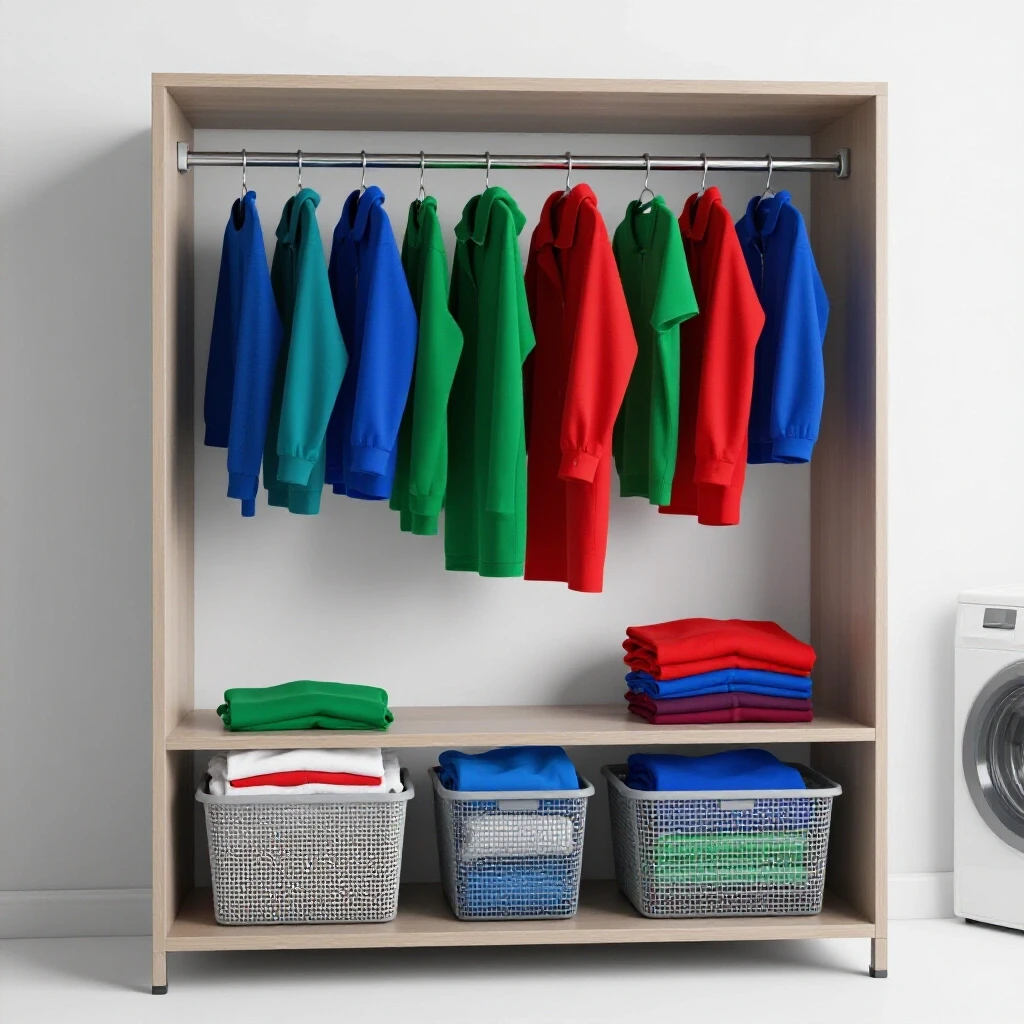
Focusing on bold designs doesn’t always require a massive renovation budget or a team of contractors. In my 12 years as a facilities manager, I’ve found that the most satisfying upgrades are the ones that solve a functional bottleneck in the home. For me, that bottleneck was the laundry room. My wife and I were tired of draped wet clothes over every available chair and door frame. I realized that a dedicated wall-mounted station for air-drying was the missing link in our weekend routine.
In my early DIY days, I made the mistake of overestimating how much a basic tension rod could handle. I once hung a load of wet jeans on a flimsy plastic rack, only to hear a sickening “crunch” as it pulled the drywall anchors straight out of the wall. That experience taught me the value of structural integrity. When you are dealing with the weight of wet fabric, you aren’t just building a shelf; you are engineering a load-bearing utility fixture. This project is about creating a permanent, code-compliant solution that looks professional and stands up to daily use.
Project Overview and Realistic Expectations
Before you pick up a drill, it is essential to understand the scope of this weekend DIY project. This isn’t a 20-minute “hack.” It requires a few hours of focused work spread over a couple of days to allow for finishes to dry.
- Estimated Active Time: 4 to 6 hours.
- Total Project Duration: One weekend (including finish curing).
- Skill Level: Intermediate Beginner. You should be comfortable finding studs and using a power drill.
- Material Cost: $60 to $120, depending on the wood species you choose.
| Feature | DIY Approach | Professional Installation |
|---|---|---|
| Direct Cost | $80 (Materials) | $350 – $500 (Labor + Materials) |
| Time Investment | 5 Hours | 2 Hours (Plus scheduling wait) |
| Customization | High (Exact fit) | Low (Standard kits) |
| Tool Knowledge | High Learning Value | None |
Assessing Structural Requirements and Wall Placement
This phase involves evaluating your wall type, identifying stud locations, and calculating the potential weight of wet laundry to ensure the shelf remains securely attached. It prevents structural failure and drywall damage by matching the right fasteners to the load requirements of the project.
In the world of facilities management, we talk a lot about “static” versus “dynamic” loads. A shelf holding empty baskets is a static load. A rod where you are constantly sliding hangers and adding heavy, water-saturated sweaters is a dynamic load. A single wet wool coat can weigh up to 10 pounds. If you plan to hang ten of them, your mounting system must be able to support at least 100 pounds of downward force, plus the weight of the shelf itself.
Finding the Right Location
You want a spot that allows for natural airflow. Building your drying station directly above the washer or dryer is common, but ensure you have enough vertical clearance so long items don’t touch the machines. Interestingly, placing the station near a HVAC vent can speed up drying times, provided you aren’t blocking the airflow entirely.
Identifying Wall Studs
Never rely on drywall anchors for a project involving a hanging rod. You must anchor your supports directly into the wall studs. In most modern American homes, studs are spaced 16 inches apart on center. I use a high-quality deep-scan stud finder to locate the edges of the wood behind the drywall. Marking the center of the stud is the most critical step for a safe home repair.
Essential Equipment and Material Inventory
Selecting the correct tools and moisture-resistant materials is critical for a long-lasting utility upgrade. This list covers everything from precision measuring devices to the specific wood species and finishes that can withstand the high-humidity environment common in laundry rooms.
When I consult manufacturer technical guides, they often emphasize the “right tool for the right substrate.” For this project, you’ll need a mix of standard hand tools and a few power tools. If you don’t own these, consider the tool investment ROI; these are foundational tools you will use for dozens of future step-by-step home upgrades.
Required Tool List
- Power Drill/Driver: Essential for pre-drilling holes and driving long wood screws.
- Level (24-inch minimum): A shelf that isn’t level will cause hangers to slide to one side.
- Stud Finder: To ensure structural mounting.
- Miter Saw or Circular Saw: For making clean, square cuts in your lumber.
- Tape Measure: Accuracy within 1/16th of an inch is your goal.
- Speed Square: To ensure your shelf brackets are perfectly 90 degrees to the wall.
Material Selection
For the wood, I recommend a moisture-resistant species like poplar or a high-grade plywood with a solid wood edge banding. Avoid particle board or MDF (Medium Density Fiberboard) for this project. Laundry rooms are high-humidity zones. MDF acts like a sponge; once it absorbs moisture from wet clothes, it will swell and crumble, leading to a total failure of the unit.
- Shelf Board: 1×12 select pine or poplar.
- Cleats/Supports: 1×2 or 1×3 solid wood.
- Hanging Rod: 1-inch diameter wooden dowel or a stainless steel closet rod.
- Fasteners: 2.5-inch or 3-inch #8 wood screws for stud mounting.
- Finish: Water-based polyurethane or exterior-grade enamel paint.
Safety Protocols and Building Code Compliance
Even simple wall upgrades must adhere to basic safety standards and building logic. This includes avoiding hidden electrical lines and ensuring the installation doesn’t interfere with appliance clearances or ventilation paths, maintaining a safe and functional utility space.
Safety is the cornerstone of any successful DIY project. In my career, I’ve seen what happens when someone “guesses” what is behind a wall. The National Electrical Code (NEC) has specific requirements for laundry room circuits (NEC 210.11(C)(2)). These wires often run horizontally through the studs at the same height you might want to mount your shelf.
Avoiding Utilities Behind the Wall
Before drilling, use a “live wire” detector. Most modern stud finders have this feature built-in. If you see a wire, move your mounting height up or down by a few inches. Also, be mindful of plumbing. If your laundry room is on the second floor, drain lines for the washer often run through the wall directly behind the machines.
Load Tolerances and Fastener Safety
Building code doesn’t strictly dictate how many shirts you can hang, but it does dictate how we secure things to the structure. Using a 2.5-inch screw ensures that at least 1.5 inches of the fastener is embedded into the solid wood of the stud, after passing through 3/4-inch wood and 1/2-inch drywall. This is the gold standard for secure mounting.
Step-by-Step Execution: From Raw Lumber to Hanging Station
This core phase breaks down the assembly process into manageable segments, including measuring, cutting, and dry-fitting components. It emphasizes precision and the importance of pre-drilling holes to prevent wood splitting, ensuring a professional-grade result that fits your specific space perfectly.
Phase 1: Measuring and Cutting
Start by measuring the width of the space where the shelf will live. If you are mounting it between two walls (an alcove), subtract 1/4 inch from the total width to allow for easy installation. This is called a “clearance margin.” It accounts for walls that might not be perfectly square.
- Cut your top shelf to length.
- Cut two side cleats (the pieces the shelf sits on) to the depth of the shelf minus 1 inch.
- Cut a back cleat to the length of the shelf.
Phase 2: The Importance of Dry-Fitting
Dry-fitting is the process of assembling the project without glue or final fasteners to ensure everything fits. I never skip this step. Hold your cleats up to the wall, check them with your level, and mark your stud locations on the wood itself. This ensures that when you go to drive the final screws, you aren’t guessing.
Phase 3: Pre-Drilling and Assembly
Wood splits easily, especially near the ends of a board. Always drill a pilot hole. A pilot hole is a small hole drilled into the wood that is slightly smaller than the diameter of your screw. It removes the wood fibers so the screw can enter without creating internal pressure that cracks the board.
- Attach the back cleat to the wall studs using 3-inch screws. Use your level constantly.
- Attach the side cleats to the back cleat or the side walls if available.
- Install the rod brackets to the side cleats. Ensure they are positioned far enough forward so that a standard hanger has room to turn without hitting the wall. Usually, this means the center of the rod should be at least 10 to 12 inches from the wall.
- Place the top shelf onto the cleats and secure it with smaller 1.25-inch screws from the top.
Moisture Protection and Finishing Techniques
Laundry areas are high-moisture zones that can cause untreated wood to warp or mold. This section explains how to apply protective coatings and sealants that preserve the integrity of your project while keeping your clean clothes safe from wood tannins or stains.
In facilities management, we prioritize “cleanability.” Raw wood is porous. If you hang a wet, white cotton shirt on a raw pine rod, the tannins in the wood can bleed into the fabric, leaving a permanent yellow stain. You must seal the wood.
Selecting a Sealant
I prefer water-based polyurethane for weekend DIY projects. It dries quickly (usually 2 hours between coats) and doesn’t have the harsh odors of oil-based products.
- Sanding: Use 120-grit sandpaper followed by 220-grit to get a smooth surface.
- Application: Apply the first coat, let it dry, then lightly sand again with 220-grit. This knocks down the “raised grain” that occurs when wood gets wet.
- Final Coats: Apply two more coats for maximum protection.
Curing Times
Don’t rush the drying process. While the finish might feel dry to the touch in a few hours, it takes about 24 to 48 hours to “cure” or reach its full hardness. If you hang heavy wet clothes on the rod too soon, the hangers might indent the finish.
Troubleshooting Common Installation Hurdles
Projects rarely go exactly as planned, especially in older homes with uneven walls or non-standard stud spacing. This guide provides solutions for common issues like missed studs, out-of-level surfaces, and rod sagging, helping you recover from mistakes without starting over.
What if the Studs Aren’t Where You Need Them?
If your studs don’t align with where you want to place your support cleats, you can use a “ledger board.” This is a piece of wood that spans across two studs, which you then mount your shelf to. It distributes the weight across the wall structure safely.
Dealing with Out-of-Square Walls
In my 12 years of experience, I have never seen a perfectly square room. If your wall has a “bow” in it, your shelf might have a gap at one end. You can use “scribing” to match the wood to the wall’s curve, or simply use a small bead of paintable caulk to hide the gap after installation.
Preventing Rod Sag
If your drying station is wider than 36 inches, a wooden dowel will likely sag under the weight of wet laundry. Building on this, you should either upgrade to a heavy-duty stainless steel rod or add a center support bracket anchored into a stud midway through the span.
Final Quality Control and Maintenance
Once the assembly is complete and the finish has cured, perform a final safety check. Apply downward pressure on the shelf with your hands (about 40 pounds of force) to check for any movement or creaking. If it feels solid, you’ve succeeded.
To maintain your new drying station: * Wipe down the rod once a month to remove any lint or dust buildup. * Check the wall fasteners once a year to ensure they haven’t loosened due to the vibration of the nearby washing machine. * If you notice any “checking” or cracking in the finish, sand that area and re-apply a coat of polyurethane to prevent moisture from reaching the wood.
Frequently Asked Questions
How much weight can a standard wall-mounted drying rod actually hold? When anchored into at least two wooden studs with 3-inch screws, a solid wood or steel rod can safely hold 50 to 80 pounds. However, the limit is often the rod itself rather than the wall connection. A 1-inch wooden dowel will start to bend if it exceeds 40 pounds over a 3-foot span.
Can I use a metal rod instead of a wooden one? Yes, stainless steel or chrome-plated closet rods are excellent choices. They are impervious to moisture and often have a higher weight capacity than wood. Just ensure the rod is rated for “heavy-duty” use and that the end brackets are made of metal, not plastic.
What is the best height to mount the drying station? The standard height for a high shelf is 84 inches from the floor, but for a drying station, you should base it on your own reach. A height of 65 to 70 inches is usually the “sweet spot” that allows for long items like dresses to hang freely without the user needing a step stool.
Do I need to worry about mold growing behind the shelf? If you use a back cleat, there is a small risk of moisture being trapped against the wall. To prevent this, ensure your laundry room has adequate ventilation. You can also apply a thin bead of silicone caulk along the top edge of the shelf where it meets the wall to prevent water from dripping behind it.
Is it safe to mount this on a wall with a pocket door? Be extremely careful. Pocket door frames use very thin studs (usually 1x2s turned sideways) to leave room for the door. Standard 3-inch screws will pierce the door inside the wall. If you have a pocket door, you should use specialized fasteners or move the project to a different wall.
What wood is best for a high-humidity laundry environment? Poplar is my top choice for painted projects because it is stable and affordable. If you want a natural wood look, white oak is naturally rot-resistant. Avoid “white wood” or “common pine” from big-box stores unless you seal it very thoroughly, as these tend to warp quickly.
How do I stop hangers from sliding to one side? This is almost always caused by the shelf not being level. If the bubble on your level isn’t centered, you can add small plastic shims behind the support cleats to tilt the shelf back into a level position before tightening the screws completely.
Can I build this if my walls are made of plaster and lath? Yes, but you must be more careful. Plaster is brittle and can crack when you drive screws into it. Always use a masonry bit to drill a pilot hole through the plaster layer before switching to a wood bit for the stud behind it.
Should I glue the shelf to the support cleats? I don’t recommend it. Wood expands and contracts with changes in humidity. If you glue the shelf down, it may crack as it tries to move. Using screws allows for microscopic movement while keeping the unit structurally sound.
How do I calculate the amount of lumber I need? Measure your desired width and depth, then add 10% for “waste.” This accounts for the portions of the board lost to the width of the saw blade (the kerf) and any mistakes you might make during the cutting phase.
By following these steps and respecting the structural needs of the project, you can create a high-functioning utility space that rivals any professional installation. This upgrade doesn’t just save money on your energy bill; it provides the organized, stress-free environment that every busy professional deserves on the weekend.
(This article was written by one of our staff writers, Robert Callahan. Visit our Meet the Team page to learn more about the author and their expertise.)