How to Choose Functional Decor That Reduces Clutter (Practical Guide)

You spent all Saturday afternoon tidying the living room, only for it to look like a disaster zone by Tuesday morning. It is a cycle I know well. In my 11 years managing logistics for global supply chains and applying those same principles to my own home, I have learned that the problem is rarely a lack of effort. Usually, the issue is that the items we bring into our homes look good but do nothing to help us manage the daily flow of life. When an object has no job, it becomes an obstacle.
In my own home, we once struggled with a massive pile of mail and school papers on the kitchen island. I bought a beautiful, intricate wire basket to solve it. It looked great in the store, but the gaps were so wide that small slips of paper fell through. It was hard to clean, and it took too many steps to sort the contents. That was a failed system because I prioritized the look over the logistical need. To stop the cycle of constant tidying, we must shift our focus toward objects that serve a clear purpose while fitting our style.
The Logistics of Visual Overload: Why Objects Often Become Clutter
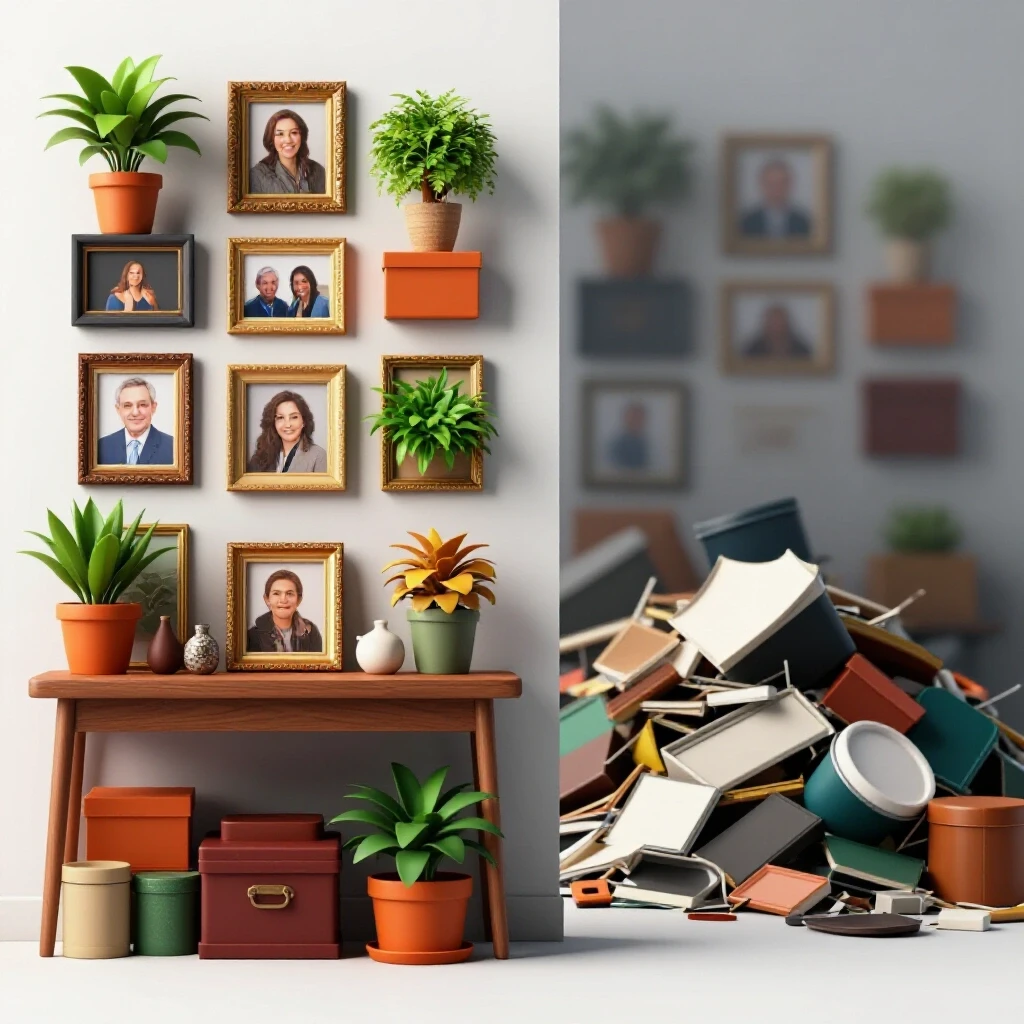
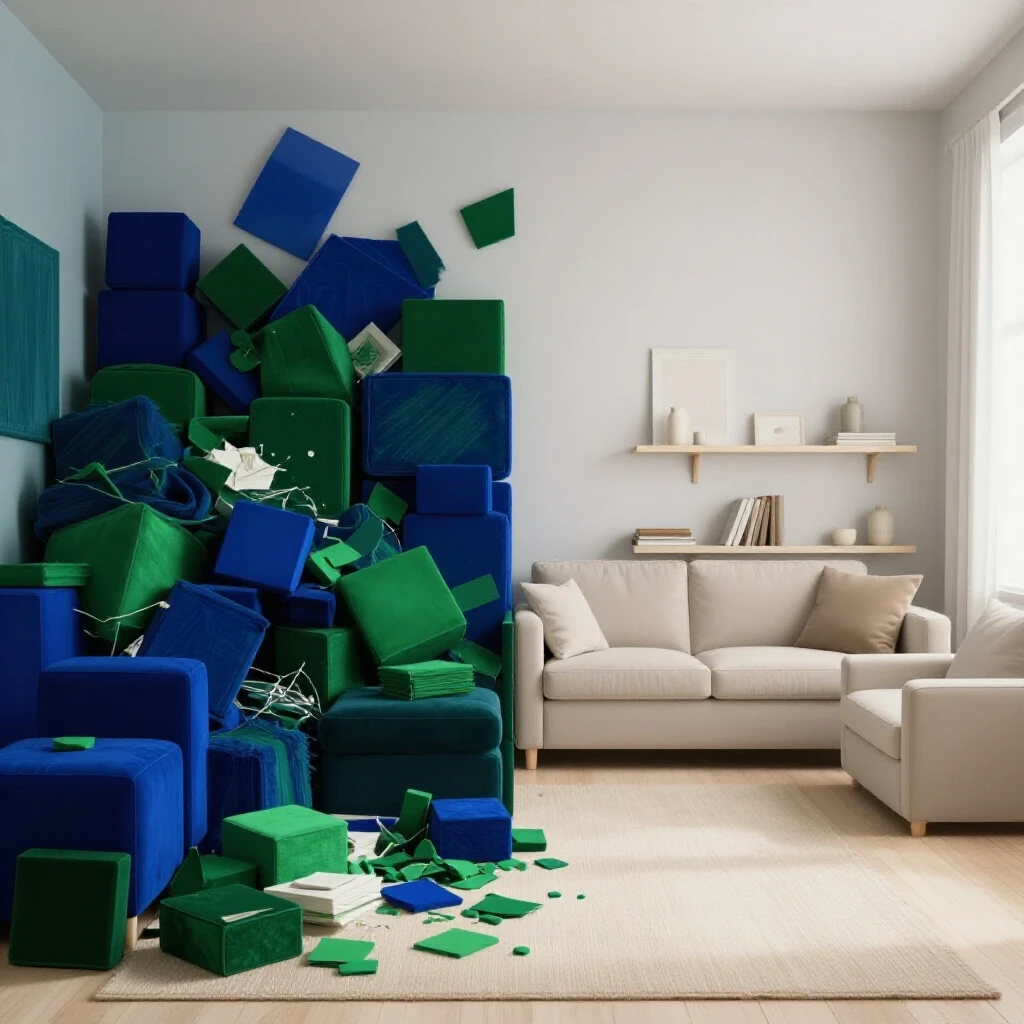
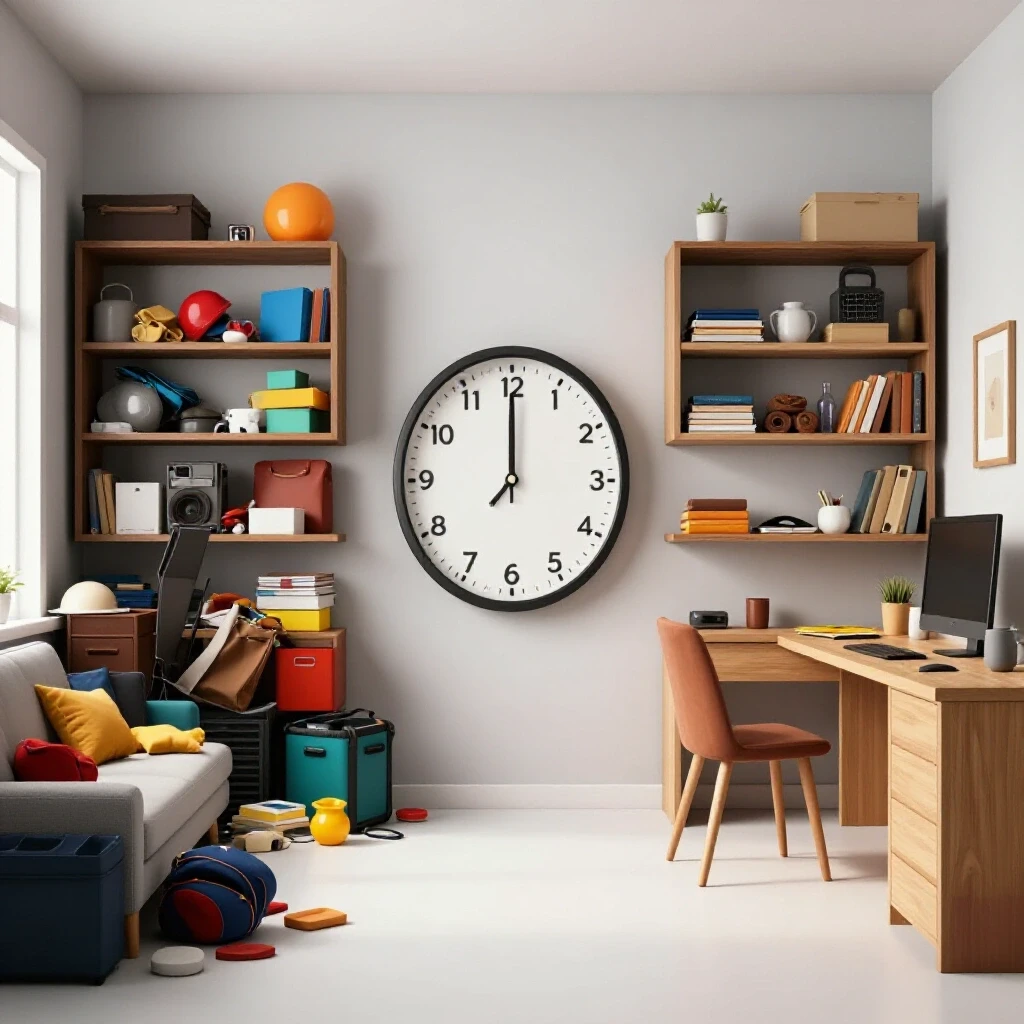
Visual overload occurs when the brain processes too many non-essential stimuli, leading to cognitive fatigue. In a home setting, this often stems from items that look nice but serve no logistical purpose, creating friction in daily movement and cleaning routines. When every surface is covered in items that just “sit there,” your brain cannot rest.
Environmental psychology tells us that “visual noise” increases cortisol levels, the hormone responsible for stress. For a busy parent, a room filled with purely ornamental items is a room that requires more dusting, more moving, and more mental energy to navigate. In logistics, we call this “dead stock.” These are items that take up space but do not contribute to the “output” of a functional home.
When you choose items for your home, you are essentially hiring them for a job. If a vase just sits on a shelf and holds nothing, its only job is to be dusted. If that same vase is sturdy enough to hold the mail or the TV remotes, it has earned its place. Reducing household clutter starts with ensuring every visible object helps reduce the number of steps you take to finish a task.
- Visual Processing Overload: The mental exhaustion caused by seeing too many items that require attention or cleaning.
- Decision Fatigue: The struggle to decide where an object belongs when it has no designated functional home.
- Space Utilization Percentage: The amount of usable surface area in a room compared to the area taken up by non-functional items.
Assessing Item Utility: A Framework for High-Performance Objects
This framework evaluates every object based on its utility-to-aesthetic ratio. It prioritizes pieces that perform a specific task—like holding keys or providing light—while fitting the room’s design. This ensures that every visible item justifies its footprint in your living area and supports sustainable decluttering.
In my professional work, we measure the efficiency of a warehouse by how quickly an item can be found and moved. Your home is no different. A “high-performance” item is one that makes a daily habit easier. For example, a heavy ceramic bowl on an entry table is not just a piece of pottery; it is a “landing zone” for keys and wallets. It prevents the “search-and-rescue” missions we often go through every morning before work.
To evaluate an item, ask yourself: “Does this object solve a problem?” If the answer is no, it is likely adding to your mental load. We want to aim for a high “Utility-to-Aesthetic Ratio.” This means the item is at least 70% functional and 30% visual. When you balance these two, your home starts to work for you rather than against you.
The Utility-to-Aesthetic Ratio (UAR) Table
| Item Type | Primary Function | Aesthetic Value | System Friction Level |
|---|---|---|---|
| Decorative Bowl | Key/Coin Capture | High | Low (Easy to use) |
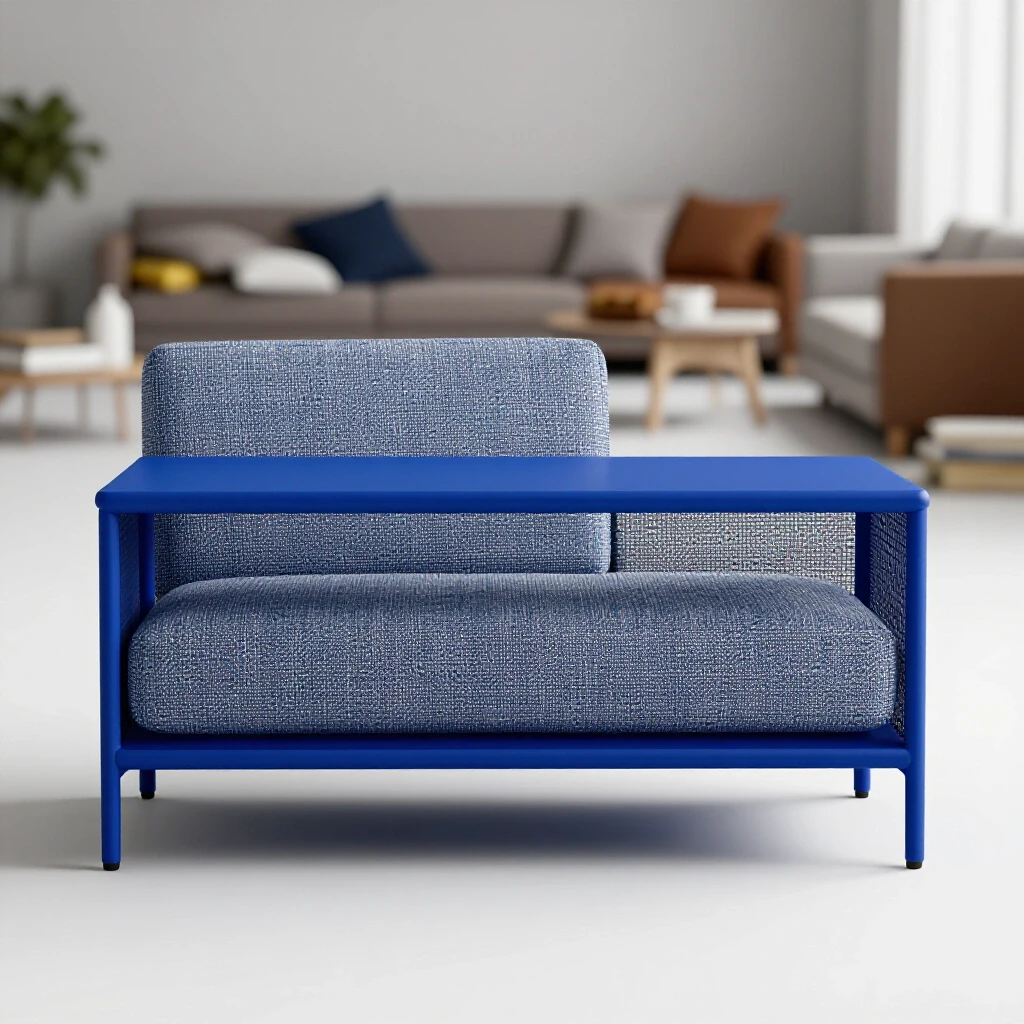
| Storage Ottoman | Seating/Blanket Hide | Medium | Low (Hides clutter) |
| Wall-Mounted Hooks | Coat/Bag Management | Low to High | Very Low (One-step) |
| Purely Ornamental Statue | None | High | High (Must be moved to clean) |
| Lidded Woven Basket | Toy/Laundry Sorting | Medium | Medium (Requires lid lift) |
Reducing Retrieval Friction with Purposeful Storage Solutions for Families
Retrieval friction is the number of steps required to access or put away an item. Lowering this friction is the key to sustainable decluttering. Functional items should act as landing zones that capture daily items before they scatter across flat surfaces, making home organization systems much easier to maintain.
In logistics, we try to reduce “touches.” Every time a person has to touch an item to get to what they actually need, efficiency drops. In a family home, high friction leads to “drop-and-go” behavior. If a child has to open a closet, pull out a bin, and remove a lid to put away a toy, they won’t do it. The toy ends up on the floor.
By using open-top baskets or sturdy trays as part of your design, you reduce the steps to zero. A tray on a coffee table defines a boundary. It says, “The remotes and coasters live here.” This simple visual cue reduces the cognitive load of deciding where things go. It also makes cleaning easier because you can lift the entire tray to wipe the table in one motion.
Storage Friction Index by Container Type
- Open Baskets/Trays: 1 Step (Drop in). 95% success rate for children.
- Lidded Totes: 3 Steps (Lift lid, place item, replace lid). 60% success rate.
- Drawer Dividers: 2 Steps (Open drawer, place item). 80% success rate.
- Stacked Containers: 5+ Steps (Move top bins, open target bin, replace all). 10% success rate.
Mapping Your Space for Better Flow and Functional Home Storage
Spatial mapping involves identifying high-traffic hotspots where items naturally accumulate. By placing objects with dual-purpose utility in these zones, you can intercept clutter. This proactive approach uses the home’s natural flow to maintain order without constant effort, creating a decluttering journey that actually lasts.
Think of your home as a series of “flow rates.” Some areas, like the entryway or the kitchen counter, have high inflow. Items are constantly arriving—mail, groceries, school bags. Other areas, like a guest bedroom, have low flow. Clutter happens when high-inflow areas don’t have enough “capture capacity.”
I mapped my own home and found that the “drop zone” for my kids was the bottom of the stairs. Instead of fighting it, I placed a sturdy, attractive wooden chest there. It looks like a nice piece of furniture, but it serves as a temporary holding cell for items that need to go upstairs. This reduced the visual mess on the stairs by 80% and cut my daily sorting time by 15 minutes.
High-Efficiency Sorting Zones
- The Launchpad (Entryway): Must have hooks and a surface for “outbound” items.
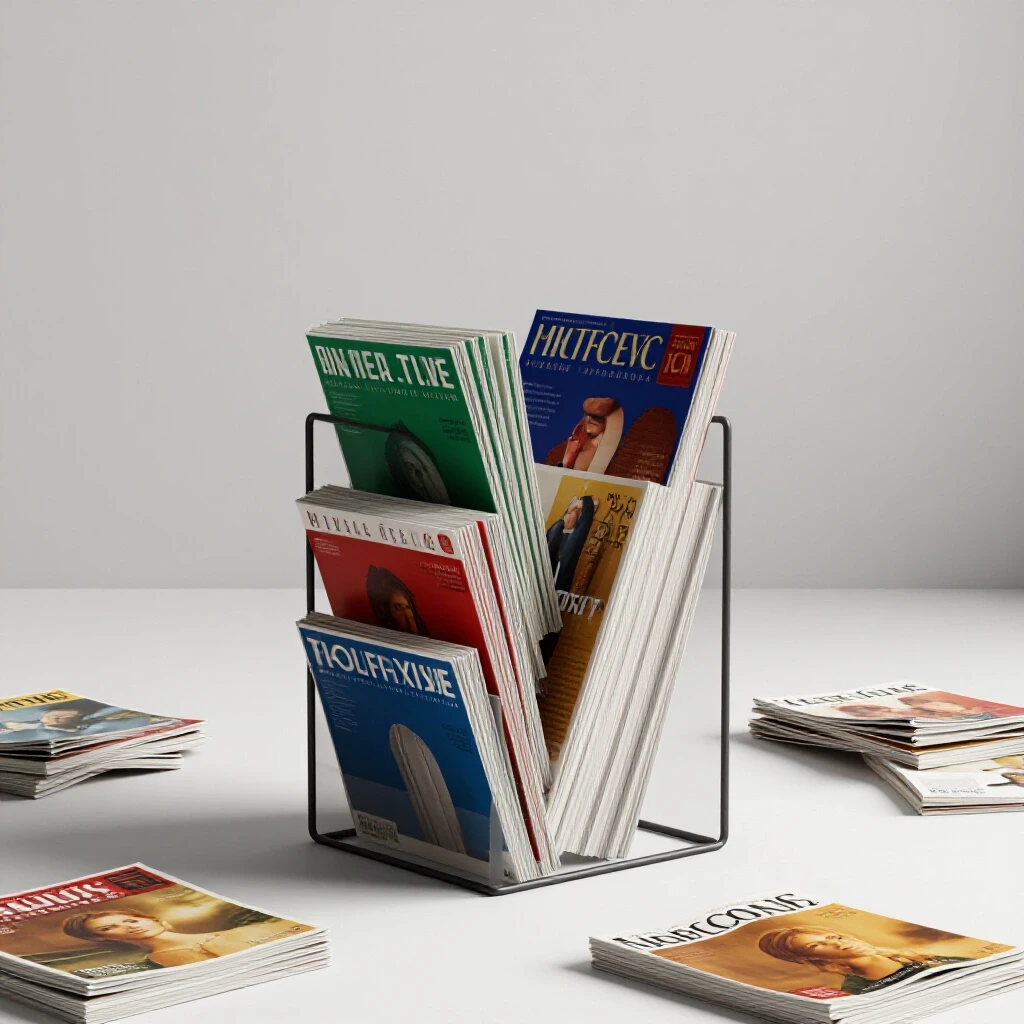
- The Command Center (Kitchen/Office): Needs a vertical sorter for active paperwork.
- The Relaxation Zone (Living Room): Requires “hidden” storage like ottomans for items used only at night.
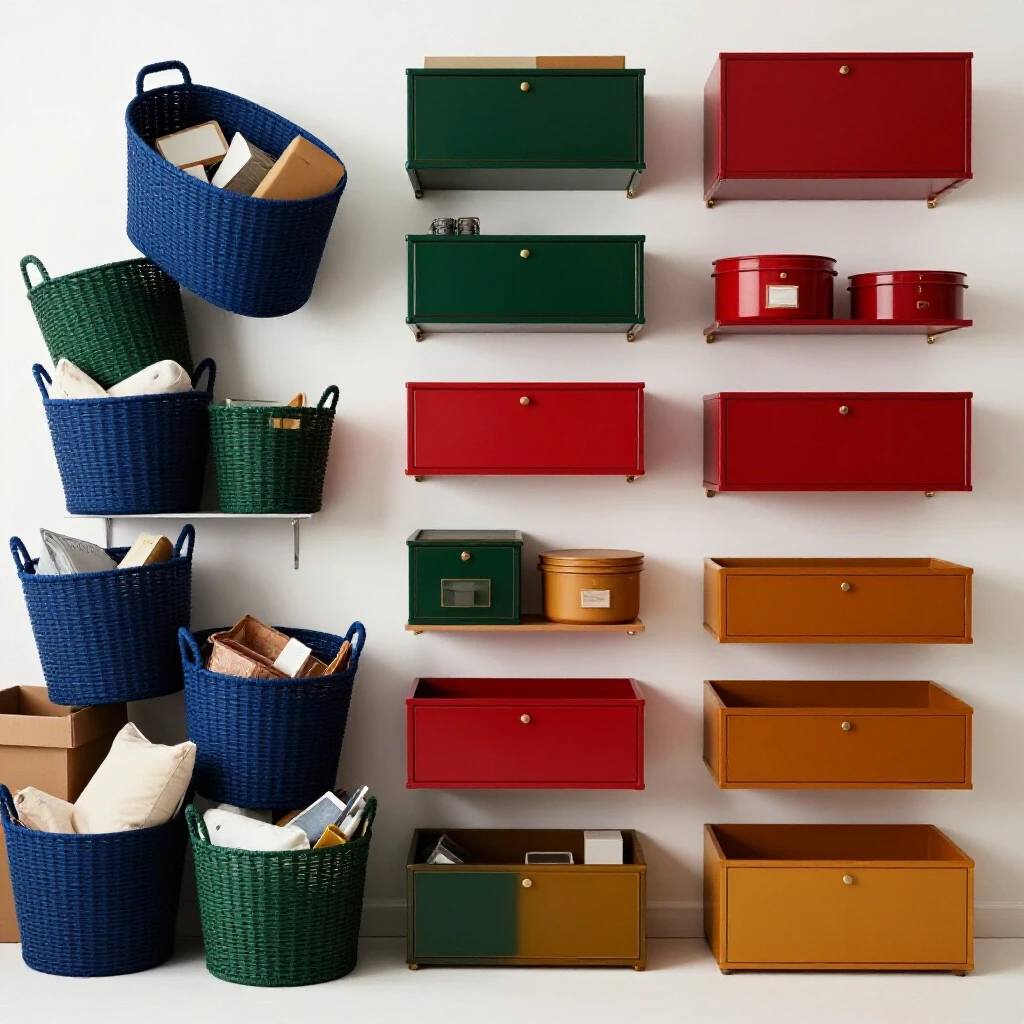
- The Transition Zone (Hallways/Stairs): Use baskets to catch items moving between floors.
Selecting Low-Maintenance Gear that Supports Sustainable Decluttering
Low-maintenance gear refers to items that are easy to clean and difficult to break. In a busy home, the best functional pieces are those that can be wiped down quickly and don’t require delicate handling. This reduces the overall mental load of home upkeep and keeps your functional home storage looking great.
When selecting items, consider the “surface energy.” Smooth, non-porous materials like treated wood, metal, or high-quality plastics are easier to maintain than intricate carvings or delicate fabrics. In my house, we replaced a glass-topped coffee table with a solid wood one that had built-in drawers. The glass required daily cleaning to look decent; the wood hides a bit of dust and provides a place to tuck away magazines.
We also look at “durability metrics.” If an item can’t survive being bumped by a vacuum or a stray soccer ball, it isn’t functional for a family. Sustainable decluttering is about creating a space that lives with you, not a space you have to protect.
- Material Density: Choose heavier items for “landing zones” so they don’t slide around when you drop keys into them.
- Cleaning Time Requirement: An item should take less than 10 seconds to dust or wipe.
- Accessibility Score: Can the item be used with one hand? (Crucial for parents holding a child or groceries).
Building Systematic Habit Loops for Long-Term Order
Habit loops are repetitive actions triggered by environmental cues. By adding functional objects into these loops—like a designated mail basket—you automate the tidying process. This shifts the burden from your willpower to the design of your home environment, ensuring your home organization systems remain intact.
A habit loop consists of a cue, a routine, and a reward. If your cue is “walking through the door,” and your routine is “dropping your bag on the floor,” the reward is immediate relief from carrying a heavy weight. To change this, you change the environment. Place a sturdy bench with cubbies exactly where you usually drop the bag. The cue stays the same, but the routine becomes “drop bag in cubby,” which keeps the floor clear.
In our home, we follow a “Daily Maintenance Timeline.” We don’t aim for perfection; we aim for “resetting the baseline.” By using functional pieces that make sorting fast, we can reset the entire living area in under 10 minutes.
Daily Maintenance Timelines by Family Size
| Family Size | Daily Reset Duration | Key Focus Area | Tools Needed |
|---|---|---|---|
| 2 Adults | 5 Minutes | Kitchen/Entry | 1 Sorting Tray |
| 2 Adults + 1 Child | 12 Minutes | Living Room/Play | 2 Open Baskets |
| 2 Adults + 2-3 Children | 20 Minutes | All Common Areas | 4+ Zoning Baskets |
| 2 Adults + 4+ Children | 30 Minutes | High-Traffic Zones | Integrated Wall Systems |
Why High-Friction Bins Lead to Rapid Clutter Reversion
Many people buy complex storage systems with tiny labels and specific slots for everything. In the logistics world, we call this “over-processing.” If a system is too complex, people will bypass it. This is why your home reverts to a mess within days of a big clean. The system you built requires more energy than your family has at the end of a long day.
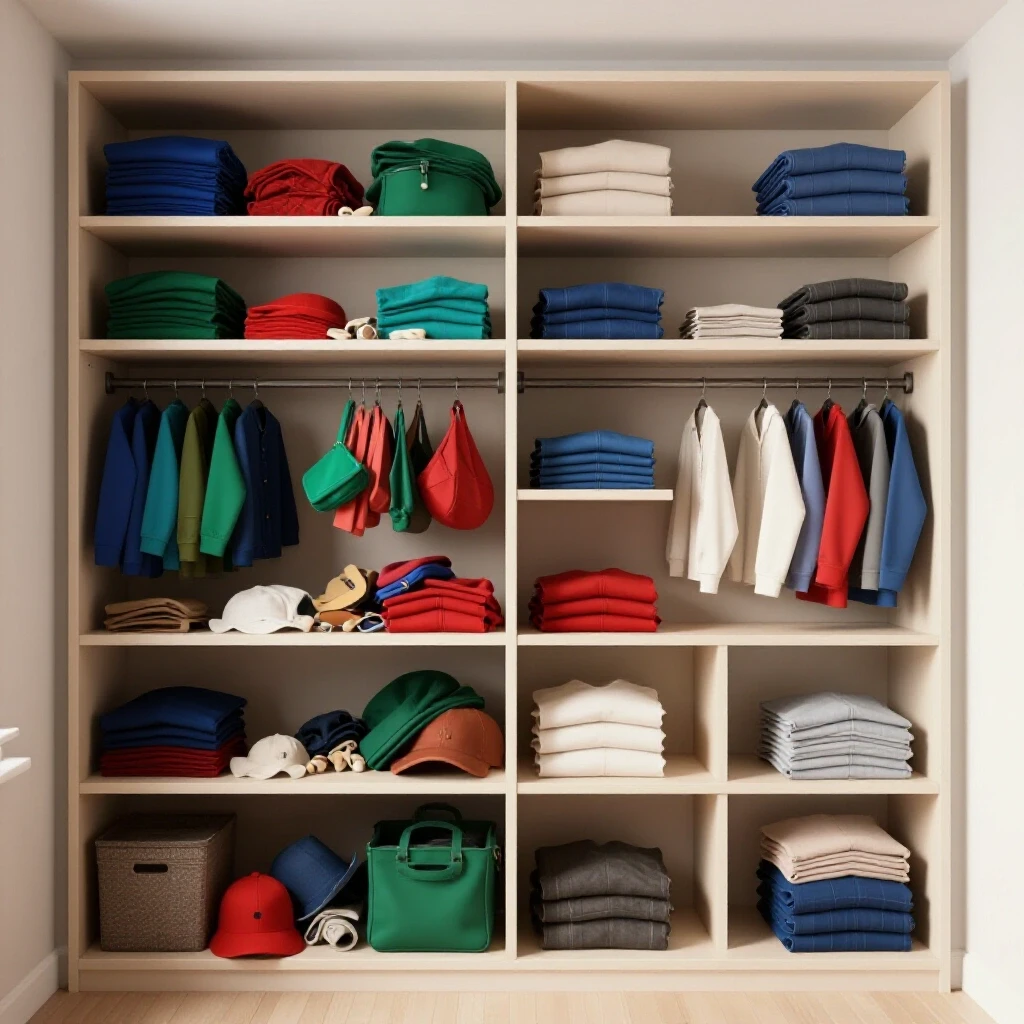
To fix this, simplify your containers. Instead of ten small bins for different types of toys, use two large, sturdy baskets. One for “hard toys” (blocks, cars) and one for “soft toys” (stuffed animals). This reduces the decision fatigue of sorting. The goal is to make it harder to create a mess than it is to stay organized.
- Mistake: Buying containers before measuring the space.
- Mistake: Using opaque bins for items you need to see (leads to “out of sight, out of mind” hoarding).
- Mistake: Choosing “pretty” items that are too fragile for daily use.
Actionable Steps to Audit Your Home Objects
To start improving your home’s logistics, you need to conduct a “Spatial Audit.” This is a simple way to see which items are helping and which are just taking up space. Follow these steps to refine your environment:
- Identify the “Hotspots”: Look for surfaces where clutter naturally lands. This is where you need a functional object (a tray, a bowl, or a hook).
- The 3-Second Rule: Pick up an item. If it takes more than 3 seconds to figure out what it does or where it goes, it is a “friction point.”
- Check the “Retrievability”: Try to get an item you use daily. Count the steps. If it’s more than three steps (e.g., walk to closet, move box, open lid), find a more accessible functional piece for it.
- Replace “Dead Stock”: Take one purely ornamental item that you find yourself moving often to clean. Replace it with something that looks similar but can hold items or serve a purpose.
By focusing on the flow of your home and the utility of your belongings, you can create a space that stays tidy with minimal effort. You don’t need a “perfect” home; you need a home that supports your life. When form meets function, the result isn’t just a prettier room—it’s a calmer mind and more time for the things that actually matter.
Frequently Asked Questions
How do I know if a piece of decor is actually useful? Ask yourself what specific problem it solves. Does it hold something you use daily? Does it hide something unsightly? Does it make a surface easier to clean? If it only provides visual appeal and requires extra maintenance, it is likely clutter. A useful piece should reduce the number of steps in a daily routine.
What are the best materials for low-maintenance household items? Look for non-porous and durable materials. Metal, treated wood, leather, and heavy ceramics are excellent. They are easy to wipe down and can withstand the “high-traffic” reality of a family home. Avoid delicate glass, unsealed stone, or intricate fabrics for items that will be handled frequently.
How can I stop my family from ignoring the organization systems I set up? The most common reason families ignore systems is “retrieval friction.” If a system has too many steps, people won’t use it. Switch to open-top containers, hooks instead of hangers, and trays to define boundaries. Make the right choice the easiest choice for them.
Is it possible to have a stylish home that is also functional for kids? Yes. The key is “hidden utility.” Use furniture like storage ottomans or benches with drawers. These look like high-end decor but act as massive “catch-alls” for toys and gear. Choose items with rounded edges and sturdy builds that can survive daily use.
How often should I audit the items in my living space? A quick logistical audit every three to six months is usually enough. Look for “dead stock” that hasn’t been used or items that have become “clutter magnets.” As your family’s needs change—for example, as kids grow—your functional items should change with them.
What is the “3-Second Rule” in home organization? This is a metric used to measure friction. If you cannot put an item away in under three seconds, the system is too complex. For daily-use items, aim for one-step storage solutions like hooks or open bins to ensure the habit sticks.
Why do my storage bins always seem to overflow? This is usually a “capacity limit” issue. Every storage item has a maximum volume. When you exceed it, the system breaks. Follow the “one-in, one-out” rule: for every new item brought into a category, an old one must be removed to maintain the logistical balance.
Can “visual noise” really affect my mental health? Yes, research in environmental psychology shows that cluttered environments increase stress and make it harder to focus. By choosing items that serve a purpose and reducing unnecessary visual stimuli, you create a “low-load” environment that allows your brain to recover from the day’s stress.
What is the best way to manage mail and paper clutter? Use a vertical sorter or a dedicated tray in a high-traffic area. The key is to have a “triage” system: one slot for “to do,” one for “to file,” and a recycling bin nearby for “to trash.” This prevents the pile from ever starting.
How do I handle sentimental items that have no function? Limit these to “curated zones.” Instead of scattering them across every surface, dedicate one shelf or a shadow box to them. This honors the memory without letting the items interfere with the functional flow of your daily living spaces.
(This article was written by one of our staff writers, Christopher Bennett. Visit our Meet the Team page to learn more about the author and their expertise.)