How to Store Seasonal Gear Out of Sight for Organized Homes (Guide)

For years, my home felt like a revolving door of chaos. Every few months, as the weather shifted from biting cold to humid heat, our living room would be overtaken by piles of heavy coats or tangled swim gear. I would spend a whole Saturday organizing, only to find the same mess creeping back into our living spaces within a week. My background in operations and logistics taught me that if a system fails, it is usually because the “friction” of the process is too high for the users. In a family home, the “users” are tired parents and energetic children who will always take the path of least resistance. By applying spatial management principles, I moved away from temporary tidying and toward a sustainable method for managing seasonal rotations within our existing walls.
Why Interior Storage Systems Fail During Seasonal Transitions
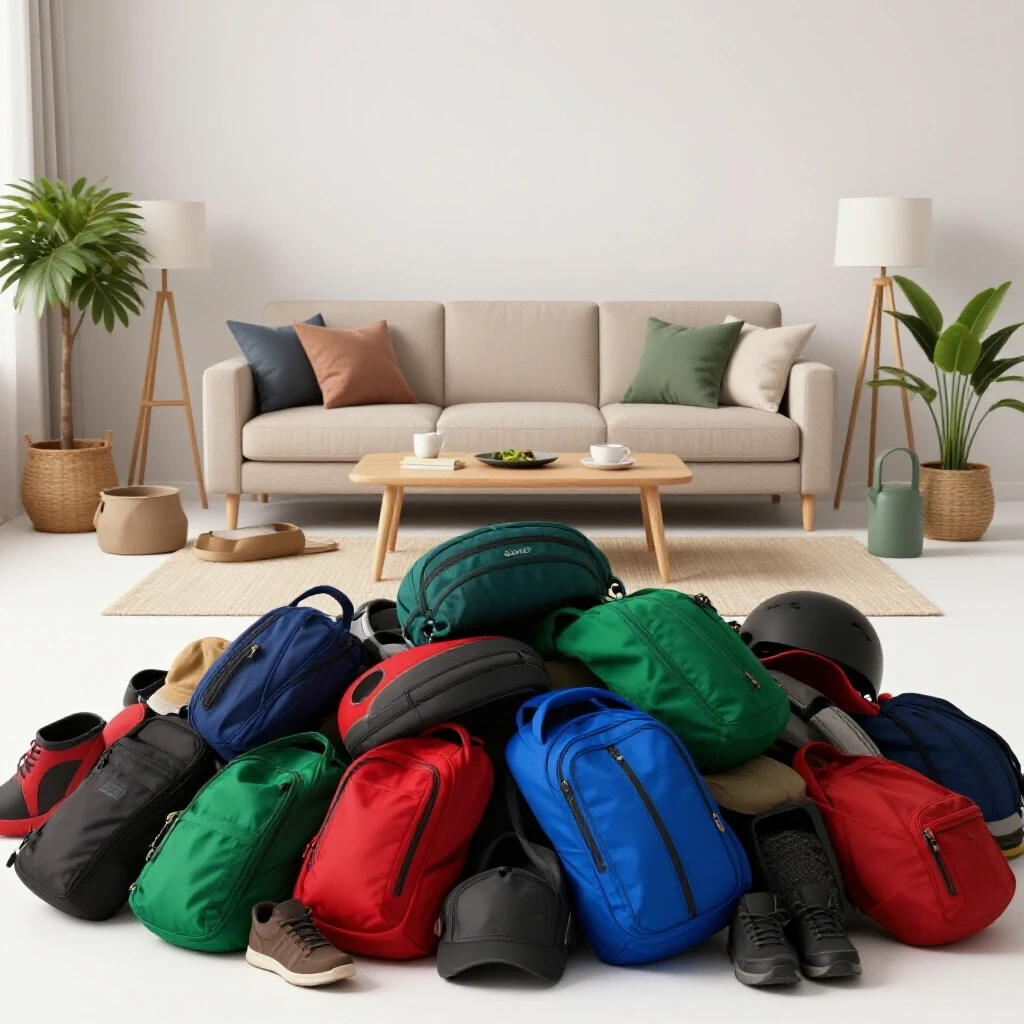
Spatial logistics in a family home fail when the effort required to put an item away exceeds the user’s immediate energy levels. When we store items we don’t currently need in high-traffic areas, we create visual processing overload, which leads to mental fatigue and a sense of being overwhelmed.
Environmental psychology research suggests that “visual noise”—the unorganized items in our peripheral vision—competes for our attention and raises cortisol levels. In my own home, I noticed that when winter boots were left in the entryway during June, my family stopped seeing them as footwear and started seeing them as obstacles. This led to a “clutter creep” where more items were dropped nearby. To fix this, we have to look at the “retrieval friction” of our home organization systems. If it takes more than three steps to put a winter coat into a long-term bin, that coat will likely end up on the back of a chair instead.
Understanding the Psychological Cost of Visual Clutter
Visual processing overload occurs when our brains are forced to filter out irrelevant items in our daily environment. For busy professionals, this adds to the “decision fatigue” already accumulated at work, making it harder to maintain household order.
When our closets are packed with items we won’t use for another six months, every morning starts with a struggle. We have to push aside bulky sweaters to find a light summer blouse. This daily friction is a primary driver of household stress. Studies in organizational behavior show that a “functional home” isn’t one that is empty, but one where the items in use are easily accessible, and the items not in use are effectively invisible. By moving out-of-season gear into dedicated, low-access zones, we reduce the cognitive load required to navigate our own homes.
Managing Spatial Capacity and Flow Rates for Family Belongings
Spatial capacity is the fixed amount of volume your home can hold before systems break down, while flow rate is the speed at which items move in and out of active use. Sustainable decluttering requires balancing these two metrics to prevent “logistical bottlenecks” in hallways and bedrooms.
In logistics, we measure “utilization percentages.” If a warehouse is 100% full, it is actually inefficient because there is no room to move things around. The same applies to your closets. I aim for a 70-80% utilization rate in active storage areas. The remaining 20% of space is what allows a family to function without feeling cramped. When we rotate our seasonal gear, we are essentially managing the flow of inventory to ensure our “active” shelves never hit that 100% breaking point.
The “Friction Index” measures how many physical actions (opening lids, unstacking, moving furniture) are required to access or store an item.| Container Type | Friction Level | Best Use Case | Retrieval Time (Avg) |
|---|---|---|---|
| Clear Lidded Bins | Low | Under-bed clothes, holiday decor | 15 Seconds |
| Opaque Heavy-Duty Totes | Medium | Sports gear in high closets | 45 Seconds |
| Vacuum-Sealed Bags | High | Bulky bedding, winter parkas | 3 Minutes |
| Drawer Dividers | Very Low | Daily socks, seasonal accessories | 5 Seconds |
In my household, I found that high-friction storage, like vacuum bags, is excellent for items we only touch twice a year. However, using them for things we might need occasionally—like a stray rain jacket—is a mistake. The effort to reseal the bag is so high that the jacket usually ends up draped over a banister for three weeks.
Mapping Your Home: High-Efficiency Zoning for Seasonal Items
Zoning is the practice of assigning specific areas of the home for different levels of activity, ensuring that long-term items do not interfere with daily routines. By creating a custom zoning map, you can identify “dead spaces” within your interior architecture that are perfect for items currently out of rotation.
I categorize my home into three distinct zones. Zone 1 is “Prime Real Estate,” which includes eye-level shelves and drawers in the kitchen and bedrooms. Zone 2 is “Secondary Storage,” such as the top shelves of closets or the back of a deep pantry. Zone 3 is “Deep Storage,” which includes under-bed areas and the highest reaches of built-in cabinetry. For a functional home storage plan, seasonal gear should live exclusively in Zone 3.
Identifying Underutilized Interior Spaces
Most homes have significant “hidden” volume that can be used for storage solutions for families without requiring expensive renovations or external units. Utilizing the vertical height of closets or the space beneath bed frames can significantly reduce visible clutter.
- Under-Bed Cavities: This is the gold mine of seasonal storage. Using long, shallow bins for out-of-season shoes or linens keeps them out of sight but easily accessible when the months change.
- High-Reach Cabinetry: The top 12 inches of a closet are often wasted. This is the ideal spot for lightweight, labeled bins containing holiday textiles or summer hats.
- Back-of-Door Systems: While often used for shoes, these can be repurposed for small seasonal gear like scarves, gloves, or swim goggles, keeping them contained but visible.
A Sustainable Decluttering Journey: Sorting and Labeling for Longevity
A successful transition between seasons depends on a logical sorting framework that prevents the “reversion effect.” This occurs when items are thrown into bins without a plan, making the next seasonal change a nightmare of searching and re-sorting.
When I lead my family through a seasonal rotation, we use a “Sorting Log.” We don’t just move items; we categorize them by “User” and “Frequency of Use.” This ensures that when my daughter needs her soccer cleats in the spring, I know exactly which bin to pull. We also use a “One-Touch” rule: once an item is identified as out-of-season, it must go directly into its designated long-term container. No “staging piles” on the bed or floor, as these are the seeds of new clutter.
Implementing a Digital Inventory and Labeling System
Modern home organization systems benefit greatly from simple technology. Using QR code labels or a basic digital spreadsheet allows you to know exactly what is in a bin without having to pull it down from a high shelf.
- Categorize by Season and Member: Label bins clearly (e.g., “Dad – Winter Boots”).
- Use Transparent Labels: For opaque bins, use large, clear lettering that can be read from a distance.
- Digital Tracking: Take a quick photo of the bin’s contents before closing it. Save these in a “Home Storage” folder on your phone.
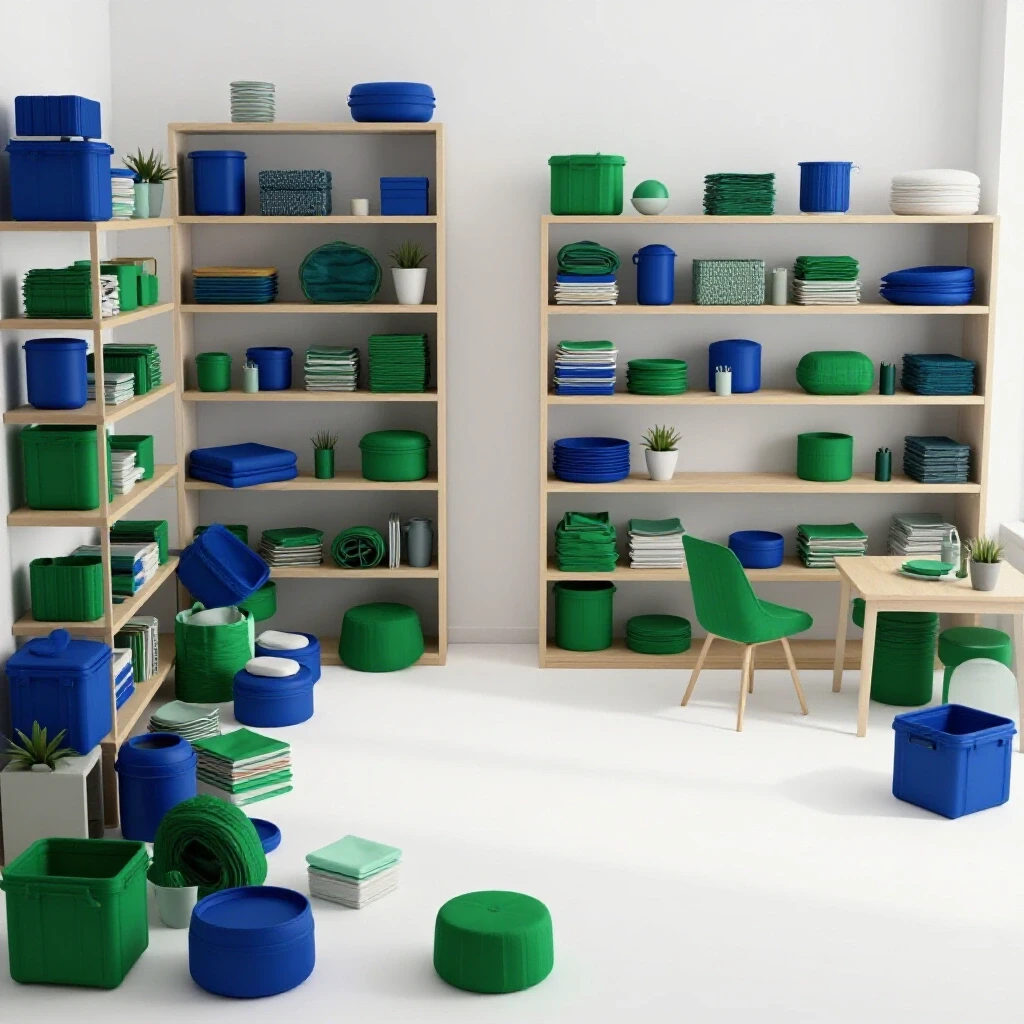
- Color Coding: Use specific lid colors for different seasons (e.g., blue for winter, green for summer) to allow for instant visual identification.
Household Behavior Alignment: Systems the Whole Family Can Follow
The most sophisticated storage system will fail if it doesn’t account for human behavior. To maintain a tidy, functional living space, the system must be simple enough for a child to understand and low-maintenance enough for a busy professional to uphold.
In my experience, “system friction” is the biggest enemy of a clean home. If my kids have to move three boxes to get to their summer toys, they won’t do it. Instead, they will pull everything out and leave the mess behind. We solved this by involving the children in the “zoning” process. They helped choose which toys went into the “vacation” bins for the winter. This gave them a sense of ownership and made them more likely to respect the boundaries of the system.
Daily Maintenance and the Habit Loop
Long-term success isn’t about one big cleaning day; it’s about the small habit loops that keep the system running. We focus on “micro-sorts” that take less than five minutes a day.
- The 5-Minute Sweep: Every evening, we do a quick walk-through to ensure no Zone 3 items have migrated into Zone 1.
- Inflow Control: For every new seasonal item that comes into the house, we check the existing storage capacity. If the bin is full, we evaluate the oldest item.
- System Feedback: Once a month, I ask my spouse if any particular area feels “heavy” or difficult to use. We then adjust the friction of that specific storage point.
Case Study: The Bennett Family Winter-to-Spring Transition
To illustrate these principles, let’s look at how we handled our most recent gear rotation. We have a family of four living in a standard three-bedroom home. Previously, the hallway closet was a disaster zone of coats and umbrellas.
By implementing a “High-Efficiency Zoning Map,” we moved all heavy winter parkas into vacuum-sealed bags and placed them in the “Deep Storage” zone under our bed. We used the “Storage Friction Index” to decide that the kids’ spring rain gear should be in low-friction, open-top bins on a reachable shelf.
The Results: * Retrieval Time: Reduced from 10 minutes (searching through a pile) to 30 seconds. * Visual Clutter: The entryway floor remained clear for 14 consecutive days. * Mental Fatigue: My spouse reported a significant decrease in “morning exit stress” because everyone could find their gear instantly.
Actionable Metrics for Your Home Storage Plan
To see real progress, you need to track more than just how “clean” a room looks. Use these logistical metrics to measure the health of your home organization systems.
- Item Density: No more than 5 items per square foot in active drawers.
- Sorting Time-Box: Limit seasonal rotations to 90-minute intervals to prevent burnout.
- Step Count: Aim for less than 5 steps between where an item is used and where it is stored.
- Space Utilization: Keep at least 15% of your shelf space empty to allow for “breathing room” and easy movement.
Reducing Household Clutter Through Logical Flow
By treating your home like a well-oiled logistics center, you remove the emotional weight of “cleaning” and replace it with the mechanical efficiency of “management.” This shift in perspective is what makes the system sustainable. You aren’t just fighting a mess; you are optimizing a workspace for your family’s life. When every item has a designated “off-season” home that is out of sight, your daily environment becomes a place of rest rather than a source of stress.
Frequently Asked Questions
How do I prevent my storage bins from becoming “junk drawers”? The key is strict categorization and labeling. Never have a bin labeled “Misc.” Every container should have a specific theme (e.g., “Beach Towels” or “Ski Gear”). If an item doesn’t fit a category, it needs a new home or a new category. Regularly checking the “Item Density” of your bins ensures they don’t become overstuffed and unmanageable.
What is the best way to store bulky items like comforters in a small home? Vacuum-sealed bags are the gold standard for soft, bulky items. They can reduce the volume of bedding by up to 70%, allowing them to fit into “Deep Storage” zones like under-bed drawers or the very top of a linen closet. Just ensure they are kept in a climate-controlled interior space to prevent the plastic from degrading over time.
How can I get my spouse and kids to actually use the system? Reduce the friction. If the system is too hard to use, people will bypass it. Use open bins for kids’ gear so they don’t have to struggle with lids. Place labels at their eye level. Most importantly, explain the “why” behind the system—focus on how much faster they can get to their toys when the “boring” stuff is put away.
Is it worth buying expensive matching bins? Uniform bins are not just about aesthetics; they are about modularity. Matching bins stack more securely and utilize space more efficiently than a hodgepodge of different sizes. However, you don’t need the most expensive brand. Look for bins with straight sides (rather than tapered) to maximize the internal volume and ensure they fit snugly against one another.
How often should I audit my off-season storage? A full audit should happen twice a year, during the major seasonal shifts (Spring/Summer and Fall/Winter). During these transitions, as you pull items out, take 10 minutes to wipe down the storage area and check that the labels are still accurate. This prevents the “clutter creep” that happens when systems are ignored for years.
What if I don’t have any under-bed space or high shelves? Look for “furniture with a secret.” Ottomans with storage lids, bed frames with built-in drawers, or even decorative trunks that serve as coffee tables can provide essential “Deep Storage” zones. The goal is to use the existing footprint of your furniture to house items that are currently out of rotation.
How do I handle “transitional” weather gear like light jackets? These items belong in “Secondary Storage.” They shouldn’t be in your prime entryway space, but they shouldn’t be vacuum-sealed under the bed either. A dedicated “Mid-Season” bin on a closet shelf allows you to grab a light layer quickly without disrupting the long-term storage systems.
Does labeling really make a difference? Yes, because it removes the “cognitive load” of remembering where things are. When you are tired after a long work day, you don’t want to play a guessing game with six identical bins. Clear labels provide an immediate “feedback loop” that tells your brain exactly where an item belongs, reducing the mental friction of putting things away.
How do I manage items that don’t fit into a specific season? Categorize these by activity rather than weather. For example, a “Camping Gear” bin or a “Formal Wear” section. These items stay in “Deep Storage” year-round and are only moved to “Active Zones” when a specific event occurs. This keeps them from cluttering your daily-use areas.
What should I do if a storage zone is consistently overflowing? This is a sign that your “Spatial Capacity” has been exceeded. You have two choices: increase storage efficiency (using vacuum bags or better stacking) or evaluate the “Flow Rate” of items entering the home. If the inflow is higher than the outflow, the system will eventually fail regardless of how well you organize it.
(This article was written by one of our staff writers, Christopher Bennett. Visit our Meet the Team page to learn more about the author and their expertise.)