Small Storage Tweaks to Organize Busy Mornings (Easy Routine)

How to transform your home’s flow to save ten minutes every morning begins with a shift in how you view your storage. Most of us treat organization as a way to hide things, but in a busy household, storage should act as a staging ground for action. When my family first started our decluttering journey, we were stuck in a cycle of “clean and crash.” We would spend Saturday making the house look like a magazine, only for Tuesday morning to feel like a chaotic search for missing socks and keys. My background in logistics taught me that the problem wasn’t our lack of effort; it was the “retrieval friction” built into our storage. By making small, strategic adjustments to where and how we kept our daily essentials, we reduced the mental fatigue of the early hours and finally made our tidiness stick.
Understanding Spatial Logistics and Retrieval Friction
Spatial logistics is the study of how people and objects move through a defined area to complete a task. In the context of a family home, it focuses on minimizing the number of steps and decisions required to get out the door.
When a home quickly reverts to a cluttered state, it is often because the “cost of return” is too high. If a child has to open a closet, find a specific hanger, and navigate a crowded rail to put away a jacket, they likely won’t do it. This is what I call high retrieval friction. To combat this, I look at the “touch points” of an item. A hook has one touch point (hanging), while a hanger in a closet has four (opening the door, moving other clothes, sliding the hanger, closing the door). By replacing closet bars with sturdy wall hooks in the entryway, our family’s “floor pile” disappeared almost overnight.
The Impact of Visual Complexity on Mental Fatigue
Visual complexity refers to the amount of detail and number of objects within a person’s field of vision. Research in environmental psychology suggests that high visual complexity in a living space can lead to increased cortisol levels and a sense of being overwhelmed.
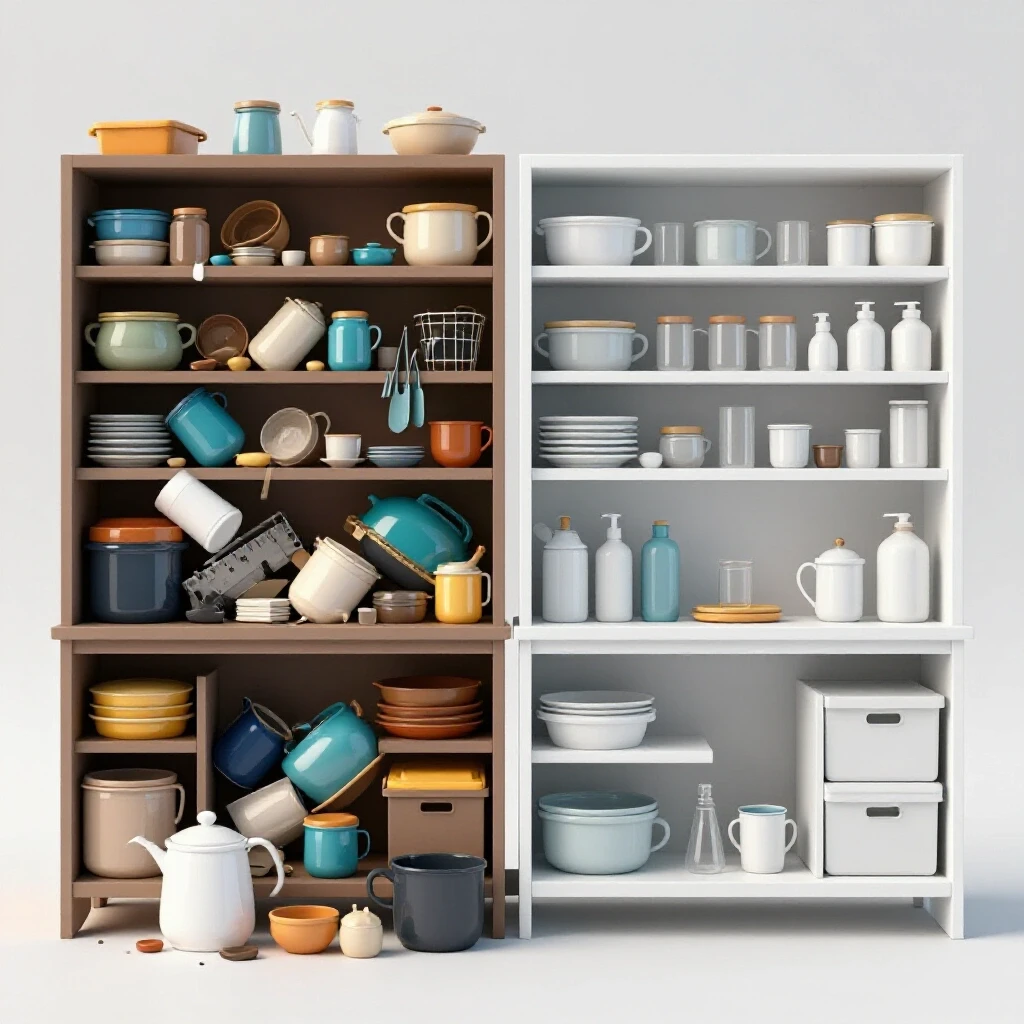
For a parent already managing a busy schedule, a countertop covered in small, unsorted items acts as a constant “to-do” list for the brain. This cognitive load makes it harder to focus on simple tasks like finding a pair of matching shoes. We found that by using opaque bins for small items and clear bins only for things that need frequent inventory checks, we could lower the “visual noise” in our high-traffic zones. This small change helped us feel calmer during the first hour of the day.
Designing High-Efficiency Sorting Frameworks
A sorting framework is a logical set of rules used to categorize items based on their frequency of use and the location where they are needed. It moves away from “general storage” toward “point-of-use” placement.
In my professional work, we use a “velocity” metric to decide where items sit in a warehouse. I applied this to our home by tracking how often we touched certain items between 6:00 AM and 8:00 AM. We realized that 80% of our morning stress came from 20% of our items—mostly shoes, bags, and grooming supplies. We stopped storing these items in “logical” places (like a bedroom closet) and moved them to “functional” places (like a small station near the exit).
Creating Your Own Household Sorting Log
To build a sustainable system, you need data on your family’s actual behavior. I recommend a three-day “friction audit” where you note every time someone asks, “Where is the…?” or leaves an item on a flat surface instead of putting it away.
| Item Category | Current Location | Daily Retrieval Time | Friction Level (1-10) | Recommended Tweak |
|---|---|---|---|---|
| School Backpacks | Bedroom Floor | 2 Minutes | 8 | Wall hooks in hallway |
| Car Keys | Kitchen Counter | 1 Minute | 5 | Dedicated bowl by door |
| Daily Shoes | Bottom of Closet | 3 Minutes | 9 | Open cubbies in entryway |
| Hair Brushes | Shared Drawer | 2 Minutes | 7 | Individual bins by person |
Implementing Low-Friction Zoning Maps
Zoning is the practice of dedicating specific areas of a room to a single, repeatable activity. A well-designed zone ensures that everything needed for a task is within arm’s reach, preventing “cross-room wandering.”
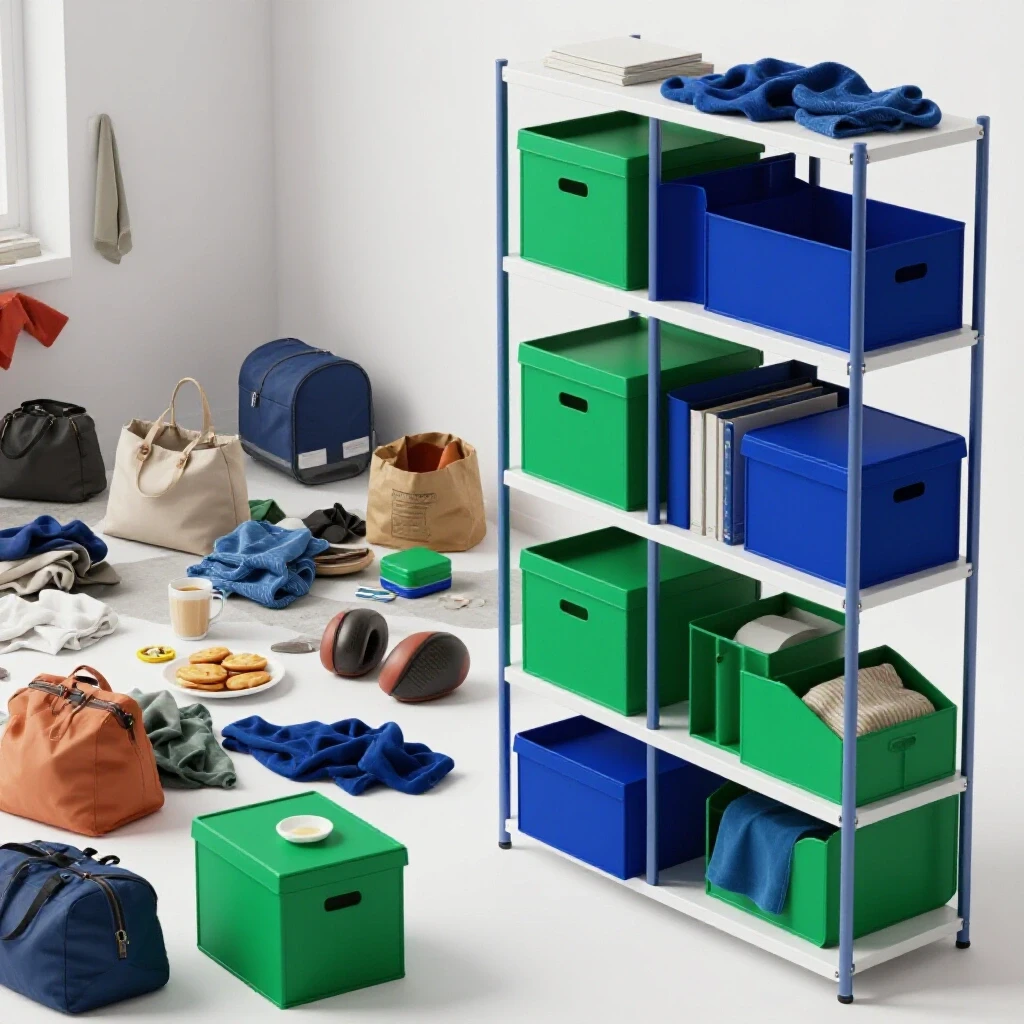
In our home, the “Launchpad Zone” became our most important spatial modification. We took four square feet of our entryway and dedicated it strictly to outgoing items. By using a small bench with open cubbies underneath and a row of hooks above, we created a physical boundary for clutter. If it wasn’t something needed for the next morning’s departure, it wasn’t allowed in that zone. This prevented the entryway from becoming a graveyard for random household objects.
The Three-Step Retrieval Rule
The Three-Step Retrieval Rule states that any item used daily should be accessible in three or fewer physical movements. This reduces the “barrier to entry” for staying organized and helps children follow the system.
- Step 1: Reach for the container.
- Step 2: Open or access the item.
- Step 3: Use the item.
If your current storage requires you to move a box to get to another box, or reach behind three other items, your system has too much friction. We replaced our lidded shoe boxes with open-front bins. This took us from a five-step process (find box, pull out, remove lid, get shoes, replace lid) to a two-step process (reach and grab). The result was a 60% reduction in the time spent managing footwear each morning.
Selecting Sustainable Storage Hardware
Sustainable storage hardware consists of physical tools that are easy to use, durable, and adaptable to changing family needs. These items focus on function over aesthetic perfection to ensure they remain useful for years.
When choosing bins or dividers, I look for “system feedback.” This is the immediate visual or physical signal that an item is in the right place. For example, a drawer divider provides a physical “stop” that prevents items from sliding around. In our bathroom, we added simple tension-rod dividers to the vanity drawers. This kept my grooming kit separate from my wife’s, ending the daily frustration of digging through a jumbled mess to find a razor.
Storage Friction Index by Container Type
Different containers require different levels of effort. Understanding this index helps you choose the right tool for the right person.
| Container Type | Access Steps | Best Used For | Friction Rating |
|---|---|---|---|
| Open Wall Hook | 1 | Jackets, Bags, Towels | Very Low |
| Open-Top Bin | 1 | Shoes, Large Toys, Daily Gear | Low |
| Drawer with Dividers | 2 | Socks, Grooming Tools, Pens | Medium |
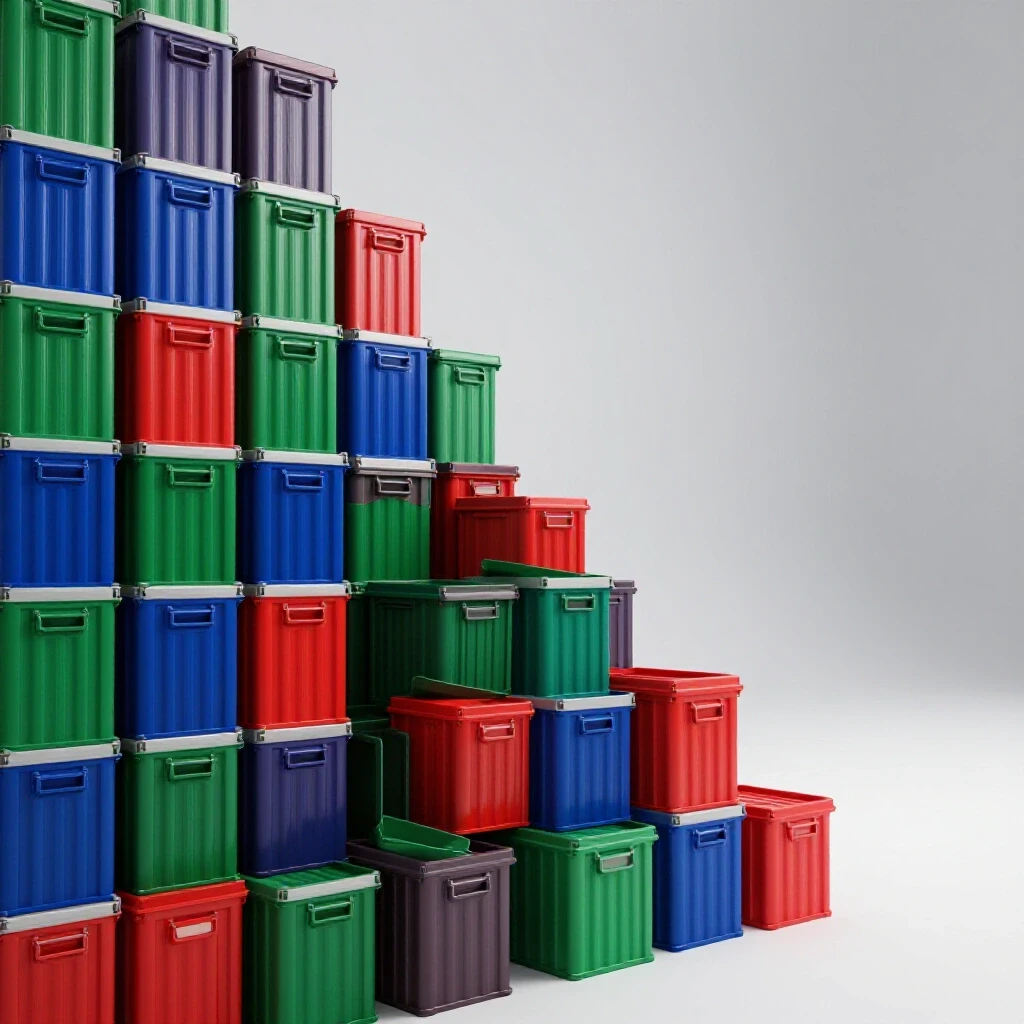
| Lidded Plastic Bin | 3+ | Seasonal Decor, Keepsakes | High |
| Stacked Lidded Bins | 5+ | Long-term Attic Storage | Very High |
Aligning Household Systems with Family Behavior
Behavioral alignment is the strategy of building organization systems around the natural paths and habits of your family members. It avoids the “perfect home” trap by acknowledging that people will take the path of least resistance.
I once spent an entire weekend setting up a beautiful color-coded filing system for our mail in the home office. It failed within three days because we always opened mail in the kitchen. The “outflow control” was in the wrong room. Once I placed a small, two-slot sorter (Action vs. Recycle) exactly where we naturally dropped the mail, the kitchen counter stayed clear. We must design for who our family is, not who we wish they were.
Building Simple Habit Loops for Maintenance
A habit loop consists of a cue, a routine, and a reward. In a functional home, the “cue” is the completion of a task, such as arriving home or finishing a grooming routine.
To maintain our morning efficiency, we established a “PM Launchpad Reset.” This is a five-minute routine every evening where each family member ensures their specific cubby or hook in the Launchpad Zone is ready for the next day. Because the storage is low-friction (just hooks and open bins), the “routine” part of the loop takes less than sixty seconds per person. The “reward” is a stress-free departure the following morning.
Practical Measurements for a Balanced Home
Using measurable metrics allows you to see progress that isn’t just visual. It helps you understand if your home organization systems are actually saving you time and energy.
We track our “Sorting Speed,” which is the amount of time it takes to clear the common areas before bed. Before our small storage tweaks, this took twenty minutes of active decision-making. Now, because every item has a low-friction “home,” it takes an average of six minutes for a family of four. We also look at “Space Utilization Percentage”—ensuring that our most accessible shelves aren’t wasted on items we only use once a year.
- Standard Item Density: Aim for 70% fullness in bins to allow for easy retrieval without digging.
- Daily Cleanup Duration: A sustainable system should require no more than 10-15 minutes of total daily maintenance.
- Sorting Time-Box: Use 5-minute intervals for quick resets to avoid mental fatigue.
Conclusion and Next Steps
Creating a functional home isn’t about buying the most expensive containers or achieving a minimalist aesthetic. It is about logistics—reducing the friction between you and the items you need to start your day. By focusing on small modifications like hooks, open bins, and zoning, you can build a system that survives the reality of a busy family life. Start by identifying your highest-friction morning item and moving it to a “one-touch” storage solution today.
Frequently Asked Questions
Why do my storage bins always end up filled with random junk? This usually happens because the bins are too large or lack a specific “zone” purpose. When a container is “general use,” it becomes a magnet for items that don’t have a home. Try using smaller, divided bins and labeling them with specific categories like “Keys” or “Chargers” to prevent “junk creep.”
How do I get my children to actually use the hooks and bins? The key is ergonomics and simplicity. Ensure hooks are at the child’s eye level and that bins don’t have heavy or complicated lids. If a child can “drop and go,” they are much more likely to follow the system than if they have to perform a multi-step task.
What is the best way to label bins without it looking messy? Simple, consistent labeling is best. Use a consistent font or hand-writing style on small, uniform tags. For younger children, a small icon or picture alongside the word can provide a visual cue that speeds up their sorting time.
How can I organize a small entryway with no closet? Focus on vertical space. A “wall-mounted launchpad” consisting of a few sturdy hooks and a small floating shelf can handle the essentials of a morning routine without taking up any floor space.
Is it better to have clear or opaque storage bins? It depends on the “visual noise” of the room. Clear bins are great for inside closets where you need to see inventory quickly. Opaque bins are better for open shelves in living areas because they hide the varied shapes and colors of the items inside, reducing mental fatigue.
How often should I audit my storage systems? A quick “logistics check” every change of season is usually enough. As the weather changes, your morning needs change (from coats to umbrellas, for example). Adjust your hooks and bin placements to match the current “high-velocity” items.
What should I do if my spouse doesn’t follow the new system? Observe their natural habits first. If they always drop their bag on a specific chair, move a hook or a small bin to that exact spot. It is much easier to move the storage to the person than to change the person’s natural path.
Can small storage changes really reduce my stress? Yes. Reducing the number of small decisions and physical obstacles you face in the first hour of the day preserves your “decision capital” for more important tasks at work or with your family.
What is the most common mistake in home organization? The most common mistake is buying containers before understanding the flow of the room. Always do a “spatial audit” to see where items naturally land before you spend money on storage hardware.
How do I handle items that don’t fit into a specific zone? Every item should have a “home,” even if that home is a “Miscellaneous Action” bin. The rule is that the bin must be emptied or sorted once a week to prevent it from becoming a permanent clutter spot.
(This article was written by one of our staff writers, Christopher Bennett. Visit our Meet the Team page to learn more about the author and their expertise.)