How to Organize and Reset Your First Aid Kit (Step-by-Step Guide)

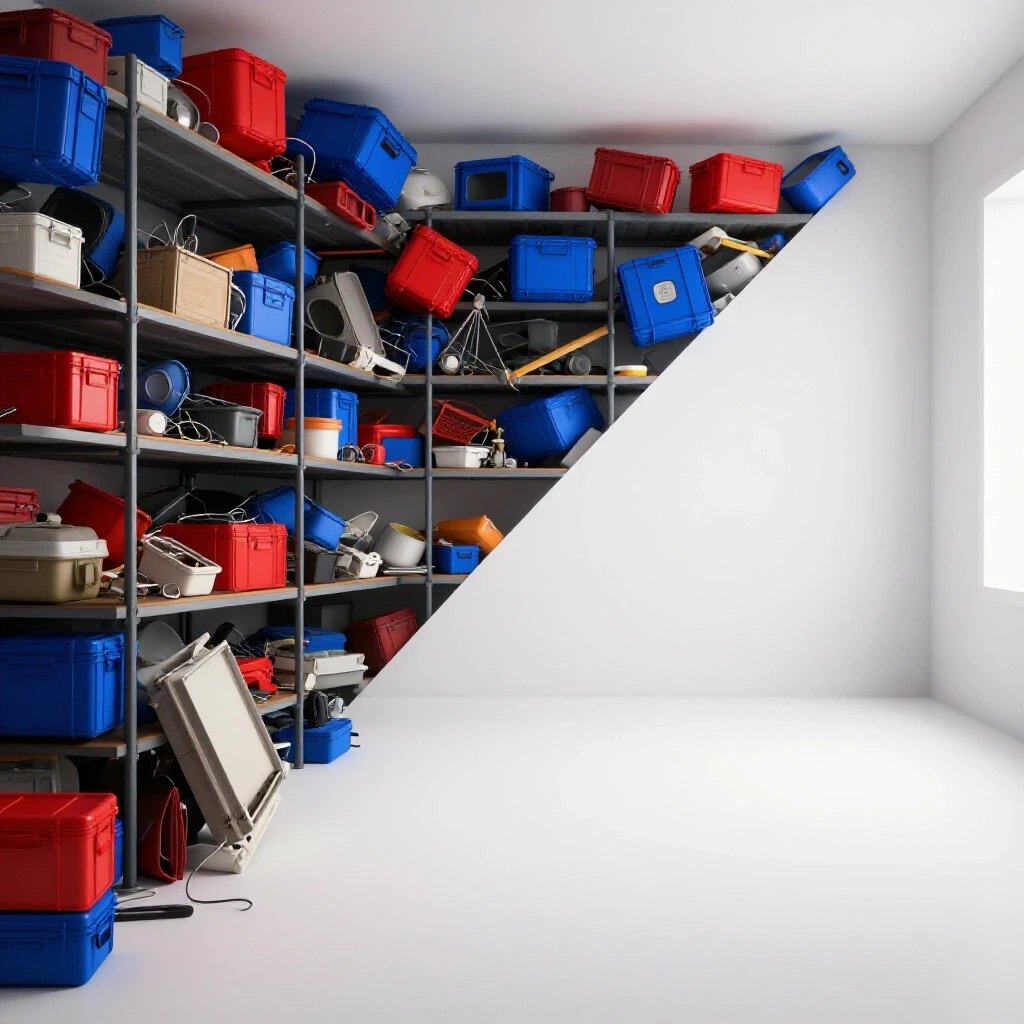
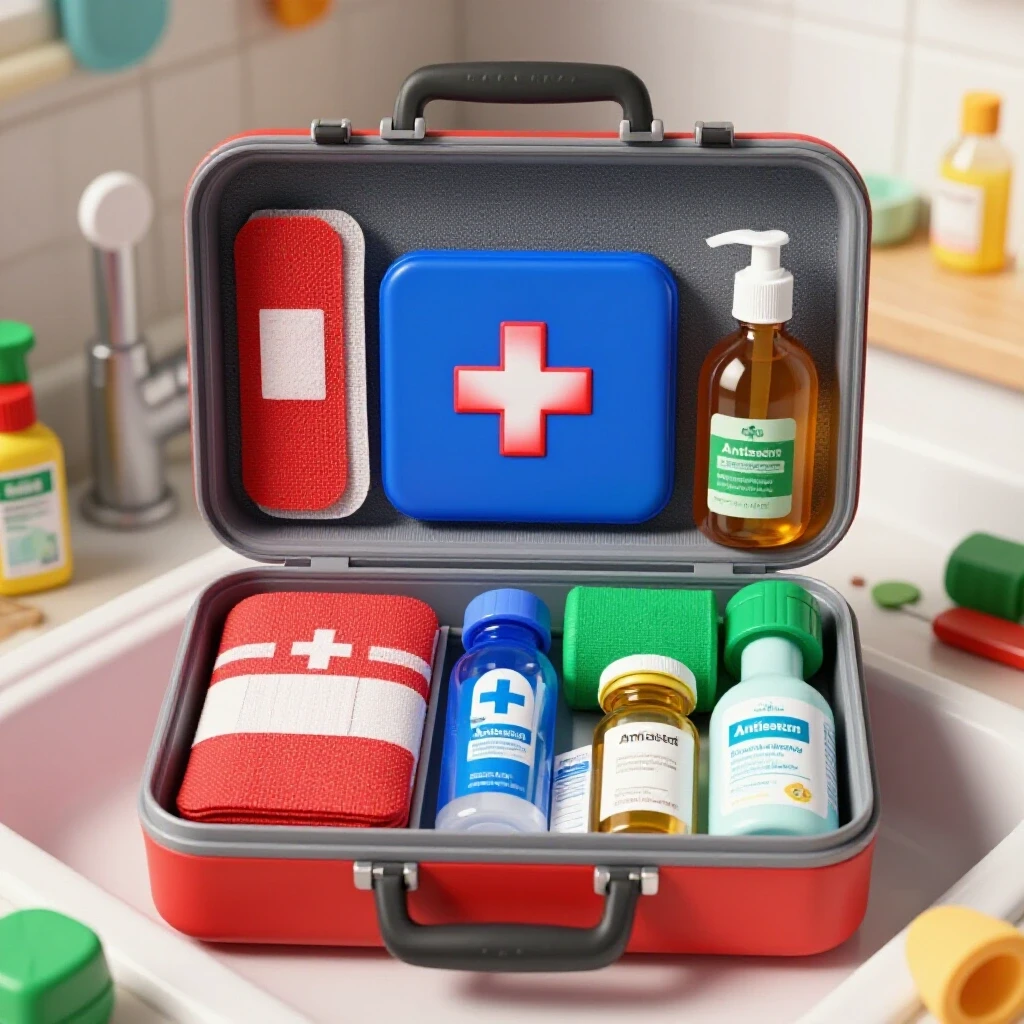
Focusing on fast solutions for household organization often feels like a losing battle against time and gravity. As an operations professional with 11 years of experience in logistics, I have spent a decade applying industrial efficiency to the chaotic reality of a home with children. One of the most common areas where these systems fail is the storage of essential healthcare and wellness supplies. We often buy a pre-packaged box or toss everything into a single deep drawer, only to find ourselves digging through a mountain of loose bandages and expired ointments when someone is actually in need.
Sustainable decluttering in this area is not about achieving a magazine-worthy aesthetic. Instead, it is about reducing the cognitive load and physical effort required to find what you need during a stressful moment. My own family’s journey through various home organization systems taught me that high-maintenance bins with complex latches are the enemy of order. We need systems that respect the “flow rate” of our daily lives—how fast items come in, how often they are used, and how easily they can be put back.
The Psychological Impact of Disorganized Home Care Supplies
This section explores how visual chaos in storage areas creates mental fatigue and decision paralysis. When essential supplies are scattered or buried, the brain perceives the space as a series of unfinished tasks, leading to a state of low-level chronic stress.
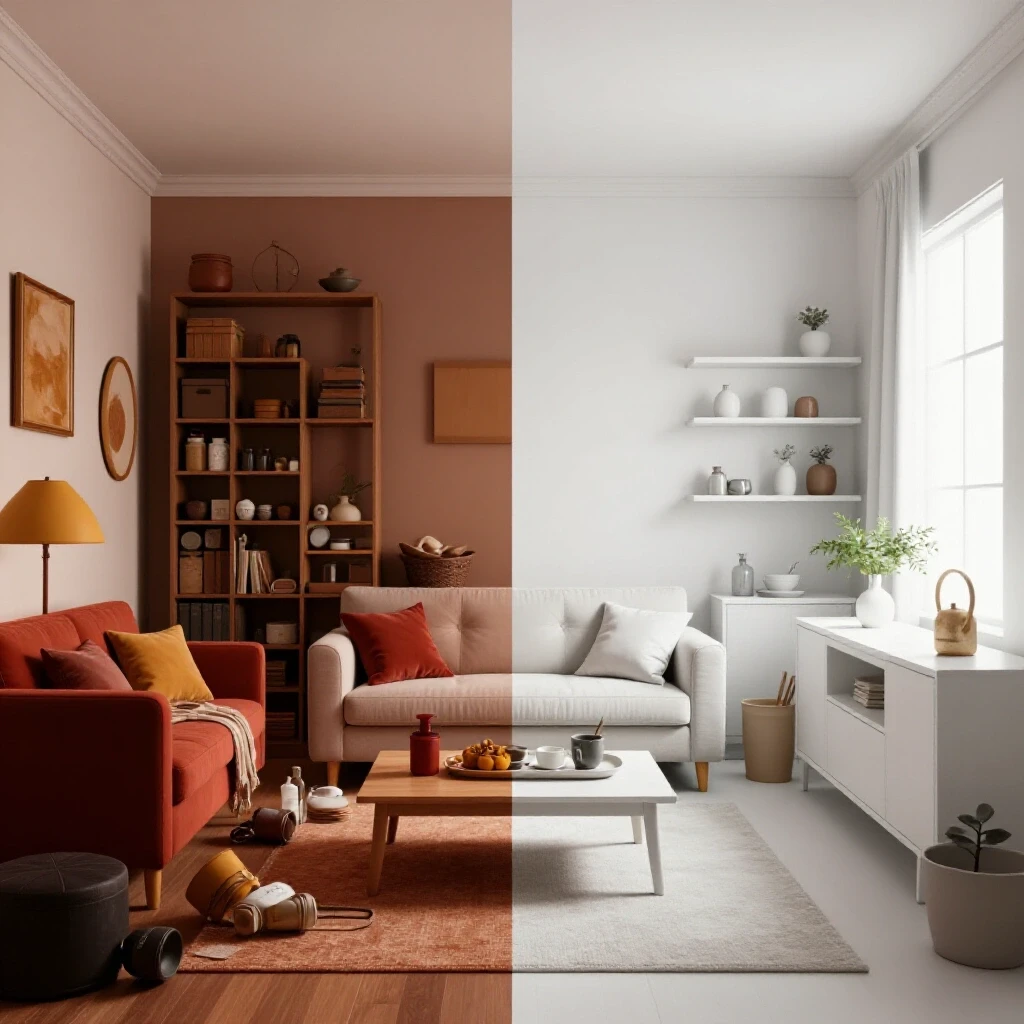
In environmental psychology, the concept of “visual complexity” explains why a cluttered medicine cabinet can feel so draining. When your eyes scan a shelf and see fifty different shapes, colors, and overlapping labels, your brain has to work overtime to filter out the noise. This is called cognitive load. For a busy parent, this load is already high. Adding a disorganized storage system to the mix often leads to “system abandonment,” where you stop trying to put things away because the mental cost is too high.
In my professional work, we look at “spatial ergonomics,” which is the study of how people interact with their physical environment. If a storage bin requires you to move three other items to reach it, the friction is too high. Studies in organizational behavior suggest that we are most likely to maintain a system when the “path of least resistance” is the organized one. When we redesigned our home wellness station, we focused on reducing these micro-stresses by ensuring every item had a clear, visible home that required only one hand to access.
Analyzing Retrieval Friction and Spatial Logistics
Retrieval friction is the measurable amount of effort, time, and physical steps required to locate and remove an item from its storage location. Lowering this friction is the key to ensuring a home organization system survives more than a week of heavy use.
To understand why your current setup keeps reverting to a mess, you have to look at the “step count.” In logistics, we measure how many touches an item needs before it reaches its destination. If your bandages are in a box, inside a lidded bin, on a high shelf, that is a four-step retrieval process. In a busy household, any system requiring more than two steps for frequently used items is destined to fail.
We also look at “spatial capacity limits.” Every drawer or shelf has a “saturation point”—the moment where adding one more item makes the entire system collapse. Most families try to use 100% of their shelf space, but industrial standards suggest leaving 15% to 20% of a shelf empty. This “buffer space” allows you to move items around without causing a landslide, significantly reducing the frustration that leads to clutter.
Storage Friction Index by Container Type
| Container Type | Retrieval Steps | Visibility Score | Maintenance Effort | Best Use Case |
|---|---|---|---|---|
| Open Front Bin | 1 Step | High | Very Low | Daily essentials, bandages |
| Clear Lidded Bin | 2 Steps | High | Low | Seasonal items, backups |
| Opaque Latched Box | 3+ Steps | Low | High | Dangerous items, long-term storage |
| Deep Drawers | 2 Steps | Medium | Medium | Bulky items, wraps |
A Personal Case Study: From Chaos to Logical Flow
This narrative details a specific instance where my family’s wellness storage failed during a minor household event and how we used logistics principles to redesign the space. It highlights the transition from complex, “pretty” storage to functional, low-friction systems.
A few years ago, my youngest child scraped a knee while I was on a conference call. I ran to our “organized” cabinet, which featured beautiful, matching white baskets with handwritten tags. I couldn’t find a simple adhesive strip because they were tucked inside a smaller decorative tin inside one of those baskets. I spent three minutes digging while my child cried. That was a “logistics bottleneck.” The system looked great on social media, but it failed the functional test.
We sat down as a family to perform a “sorting sprint.” We emptied the entire cabinet and timed how long it took to find five common items. The average was 45 seconds. After applying a “zone-based” layout and switching to open-top clear bins, we got that time down to 8 seconds. We stopped prioritizing how the cabinet looked when the door was closed and started prioritizing how quickly we could solve a problem.
Decluttering Sorting Log (Family Wellness Edition)
- Zone A (High Frequency): Items used weekly (adhesive strips, antiseptic wipes, thermometer).
- Zone B (Medium Frequency): Items used monthly (itch creams, gauze, tweezers).
- Zone C (Low Frequency): Items used annually or for specific events (wraps, splints, emergency blankets).
- The “Outbox”: Items that are expired or no longer needed by the family’s current age demographic.
Building a Sustainable Sorting Framework
A sorting framework is a set of rules that governs how items are categorized and where they live based on their usage frequency and the physical layout of the home. It moves the decision-making process from the “moment of use” to a pre-defined system.
To build a system that stays ready, you must control the “inflow and outflow.” Household clutter often happens because we bring new items in without a designated landing zone. For wellness supplies, I recommend a “one-in, one-out” rule. If you buy a new box of bandages, the old, nearly empty box must be consolidated or removed. This prevents “item density” from exceeding the spatial capacity of your bins.
We also use “zoning principles.” In a warehouse, the most popular items are placed at “Golden Zone” height—between the shoulders and the waist. In your home, your most used wellness supplies should be in this same zone. Items for children should be reachable by them if appropriate, or kept in the “High Zone” if they require adult supervision. This reduces the physical reaching and bending that adds to daily fatigue.
- Standard Item-Density Guideline: No bin should be more than 75% full.
- Sorting Time-Box Interval: Dedicate 15 minutes every three months to check for expired items.
- Retrieval Goal: Any essential item should be accessible within 10 seconds.
Selecting Low-Maintenance Storage Gear
Low-maintenance storage gear refers to containers and labeling systems that require minimal effort to use and clean. The goal is to choose “frictionless” hardware that supports the family’s natural habits rather than fighting against them.
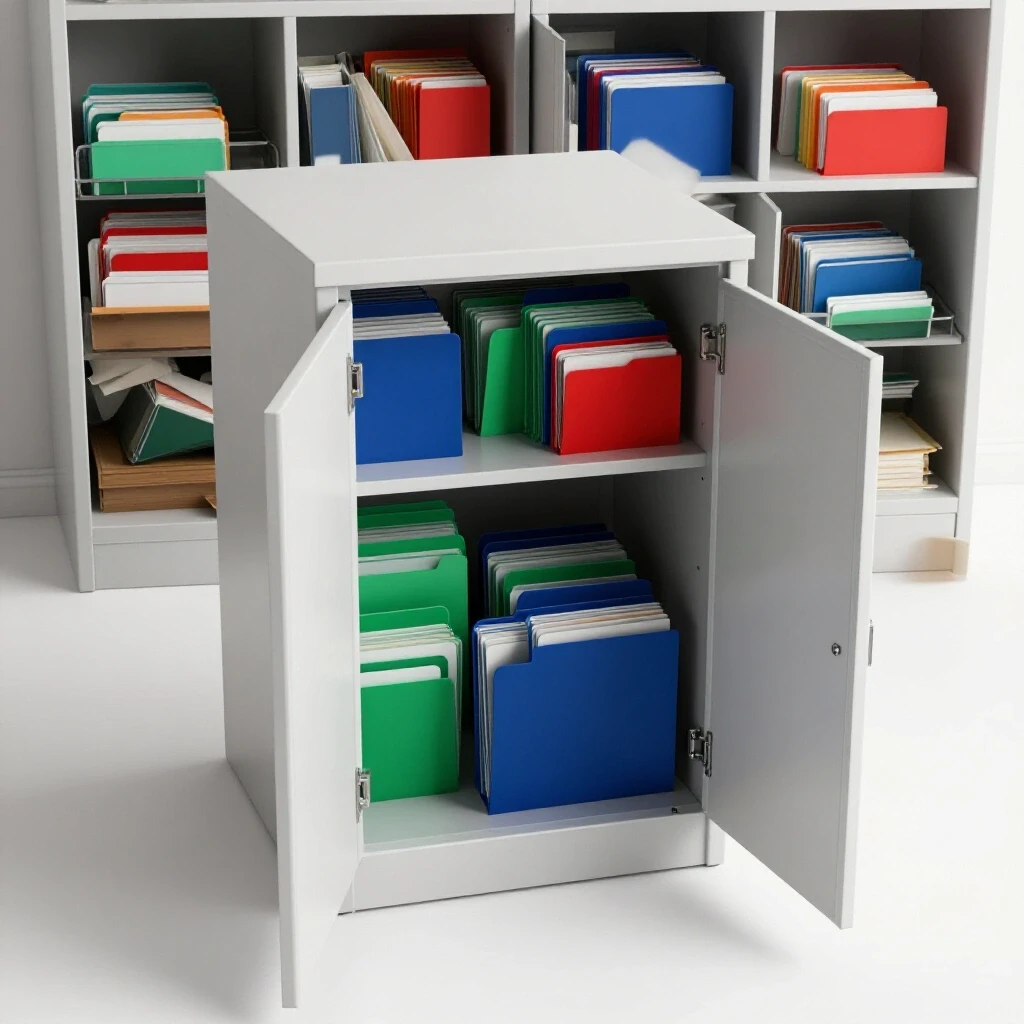
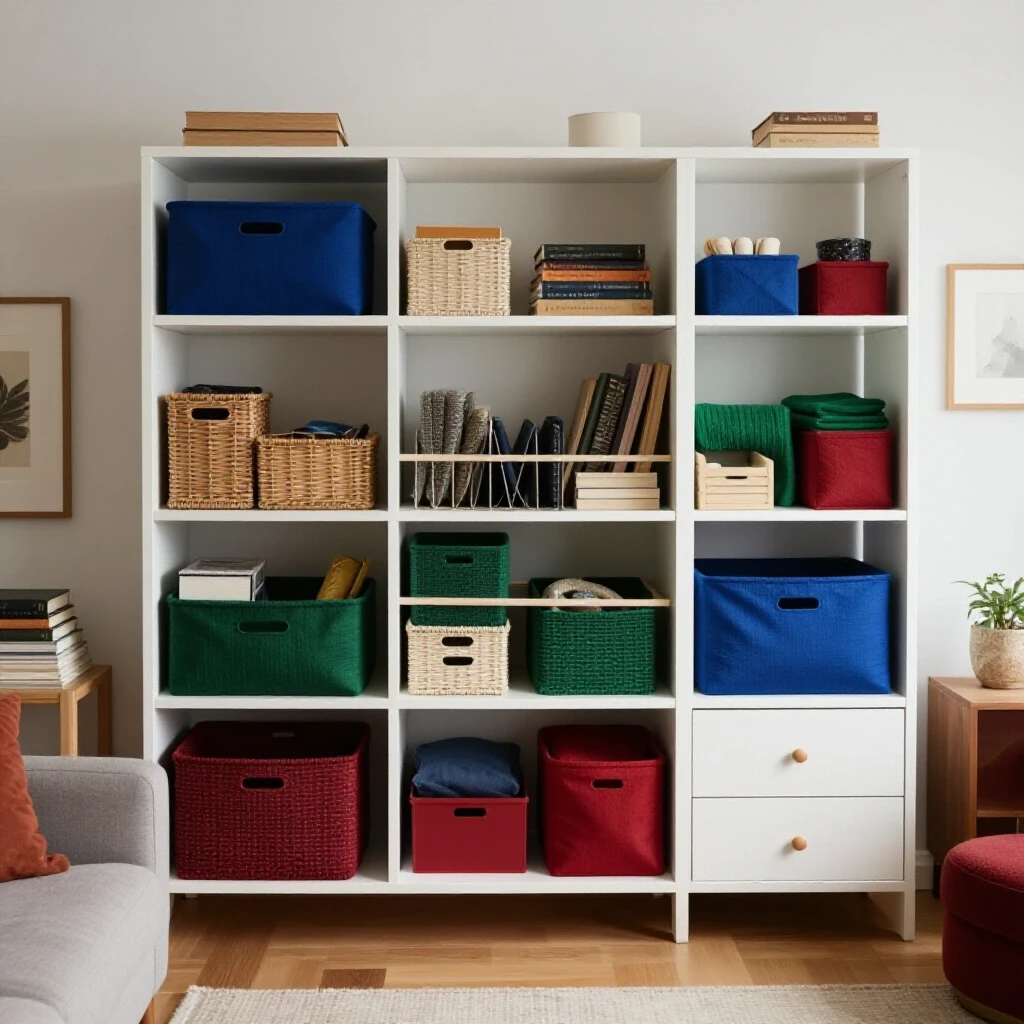
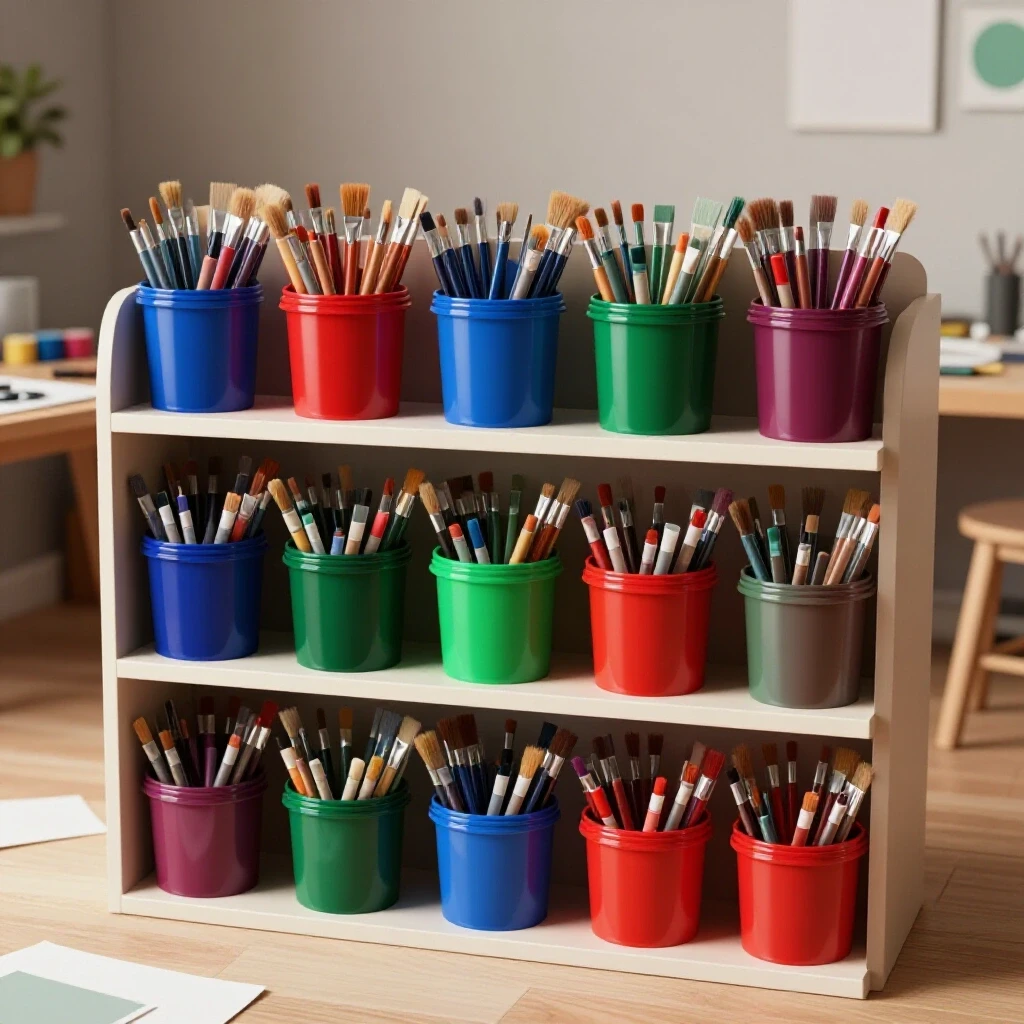
When selecting containers, I avoid anything with complex latches or “nesting” features where one bin sits on top of another. If you have to move a bin to get to another bin, you won’t do it. Instead, I use modular, stackable units only if they have drawers that pull out. Clear acrylic or heavy-duty plastic is superior to wicker or fabric because it allows for “instant visual inventory.” You can see you are low on supplies without opening a single lid.
Labeling is the final step in reducing mental fatigue. Use bold, sans-serif fonts that are easy to read from a distance. Digital label makers are excellent for this because they create a uniform look that the brain can process quickly. I label the bin, not the shelf, so that if the bin is moved, the “home” for those items moves with it. This creates a flexible system that can grow with your family.
- Clear Modular Bins: Choose square or rectangular shapes to maximize “space utilization percentages.” Round bins waste the corners of your cabinets.
- Adhesive Bin Clips: These allow you to change labels easily as your family’s needs evolve (e.g., moving from baby supplies to sports injury supplies).
- Tiered Shelf Organizers: These “stadium seating” inserts allow you to see items in the back of a cabinet without reaching over items in the front.
- Digital Inventory Tracking: For larger households, a simple QR code on the inside of the cabinet door can link to a list of what is in stock, preventing over-buying.
Family Behavior Alignment and System Feedback Loops
Family behavior alignment is the process of designing a system that accounts for the reality of how children and busy adults actually move through a space. It relies on “feedback loops” to identify when a system is failing and needs adjustment.
Even the best logistics system will fail if it doesn’t account for human nature. In my home, I noticed my kids never put the lid back on the bandage bin. Instead of fighting that behavior, I removed the lid. This is a “system adjustment.” If you find a specific drawer is always messy, it’s a sign that the “sorting friction” is too high. The system is giving you feedback that it is too complex.
We use a “Daily Maintenance Timeline” to keep things on track. This isn’t a deep clean; it’s a 2-minute scan. For a family of four, this usually happens right before bed. We check if any bins are out of place and put them back. Because the system is low-friction, this takes almost no effort. It prevents the “clutter creep” that usually happens over a few days.
Daily Maintenance Timelines by Family Size
| Family Size | Daily Scan Duration | Weekly Audit Time | Monthly Inventory Check |
|---|---|---|---|
| 1-2 People | 1 Minute | 5 Minutes | 10 Minutes |
| 3-4 People | 3 Minutes | 10 Minutes | 15 Minutes |
| 5+ People | 5 Minutes | 15 Minutes | 20 Minutes |
Maintaining Order Over the Long Term
Long-term maintenance is the result of building “habit loops” around your storage systems. It moves the task of organizing from a “big project” to a series of small, automated actions that happen throughout the week.
The key to a system that “stays ready” is the audit. In logistics, we call this a “cycle count.” Instead of counting everything once a year, we check one small category every month. For your wellness supplies, this might mean checking the expiration dates on creams in January and checking the bandage stock in February. This prevents the “mental overwhelm” of a massive reorganization project.
Remember that a functional home is a moving target. As your children grow, their needs change. A system that worked for a toddler (lots of diaper creams and thermometers) won’t work for a teenager (athletic tape and muscle rubs). By using flexible, modular bins and clear labels, you can “reset” your zones in minutes rather than hours. This adaptability is what makes a storage system truly sustainable.
- Key Takeaway: Prioritize “findability” over “tidiness.”
- Next Step: Identify the one drawer in your home that causes the most frustration and count the “retrieval steps” required to use it.
Frequently Asked Questions
Why does my cabinet get messy again just days after I organize it?
This usually happens because the “return friction” is too high. If it’s harder to put an item back than it was to take it out, people will just leave it on the counter. To fix this, use open-top bins or remove unnecessary lids so that “putting away” is a one-handed motion.
What is the best way to categorize wellness supplies for a family?
Categorize by “symptom” or “use case” rather than by item type. For example, have a “Cuts & Scrapes” bin and a “Cold & Flu” bin. This reduces the “decision fatigue” of trying to remember which bottle does what when you are feeling unwell or hurried.
Should I keep everything in one central location or spread it out?
Use a “Hub and Spoke” model. Keep the bulk of your supplies in one central “Hub” (like a linen closet), but keep small, high-frequency “Spoke” kits in locations where they are most needed, such as the kitchen or the car. This reduces “travel time” within the home.
How do I handle items that don’t fit into a specific category?
Create a “General Utility” bin for miscellaneous items, but limit its size. If the bin gets full, it’s a signal to re-evaluate those items. In logistics, these are “non-conforming goods,” and they should never represent more than 5% of your total inventory.
Are expensive container systems worth the investment?
Not necessarily. The “functionality” of a bin is more important than its brand. Look for clear walls, stackability, and ease of cleaning. Often, simple plastic bins from a hardware store are more durable and functional for a busy family than high-end decorative options.
How can I get my spouse and children to follow the system?
Involve them in the “zoning” process. Ask them where they would naturally look for a bandage. If you build the system around their existing habits (their “natural flow”), they are much more likely to maintain it without constant reminders.
What is the “one-touch” rule in home organization?
The “one-touch” rule suggests that you should aim to handle an item only once to put it away. For example, instead of putting a tube of cream on the counter and moving it to the cabinet later, the system should be easy enough that you can put it directly into its designated bin immediately.
How often should I realistically audit my supplies?
A quick visual scan should happen weekly, but a thorough inventory check only needs to happen every six months. This ensures you aren’t keeping expired products that take up valuable “spatial capacity” and create unnecessary clutter.
What should I do with bulky items like large bottles or boxes?
Remove items from their bulky outer packaging whenever possible. Transferring loose items into uniform, clear bins saves significant space and removes the “visual noise” of competing brand logos, which helps reduce mental fatigue.
How do I know if my organization system is “successful”?
A system is successful if it can be maintained during your busiest, most stressful week. If the house stays functional even when you don’t have time to “clean,” your logistics and friction levels are correctly balanced for your family’s lifestyle.
(This article was written by one of our staff writers, Christopher Bennett. Visit our Meet the Team page to learn more about the author and their expertise.)