How to Maintain and Restore Older Home Fixtures (Step-by-Step Guide)

One of the fastest ways to improve the function of an older home is to address the mineral buildup in a kitchen or bathroom aerator. By soaking the small mesh screen at the end of a faucet in white vinegar for thirty minutes, you can restore full water flow without calling a plumber or replacing the fixture. This simple act of preservation is the foundation of maintaining a legacy property.
Establishing a Baseline for Heritage Hardware Care
Systematic care of original home components involves assessing the physical condition of metals, woods, and mechanical joints to prevent degradation. It requires understanding how environmental factors like humidity and friction impact the longevity of items installed decades ago.

During my 17 years as a facilities technician, I learned that older fixtures were often built to be serviced rather than discarded. Building science teaches us that materials like solid brass, cast iron, and old-growth wood have different thermal expansion rates. When a 1940s brass faucet handle becomes difficult to turn, it is rarely a sign of total failure. Instead, it is usually a result of “stiction”—a combination of static friction and mineral deposits.
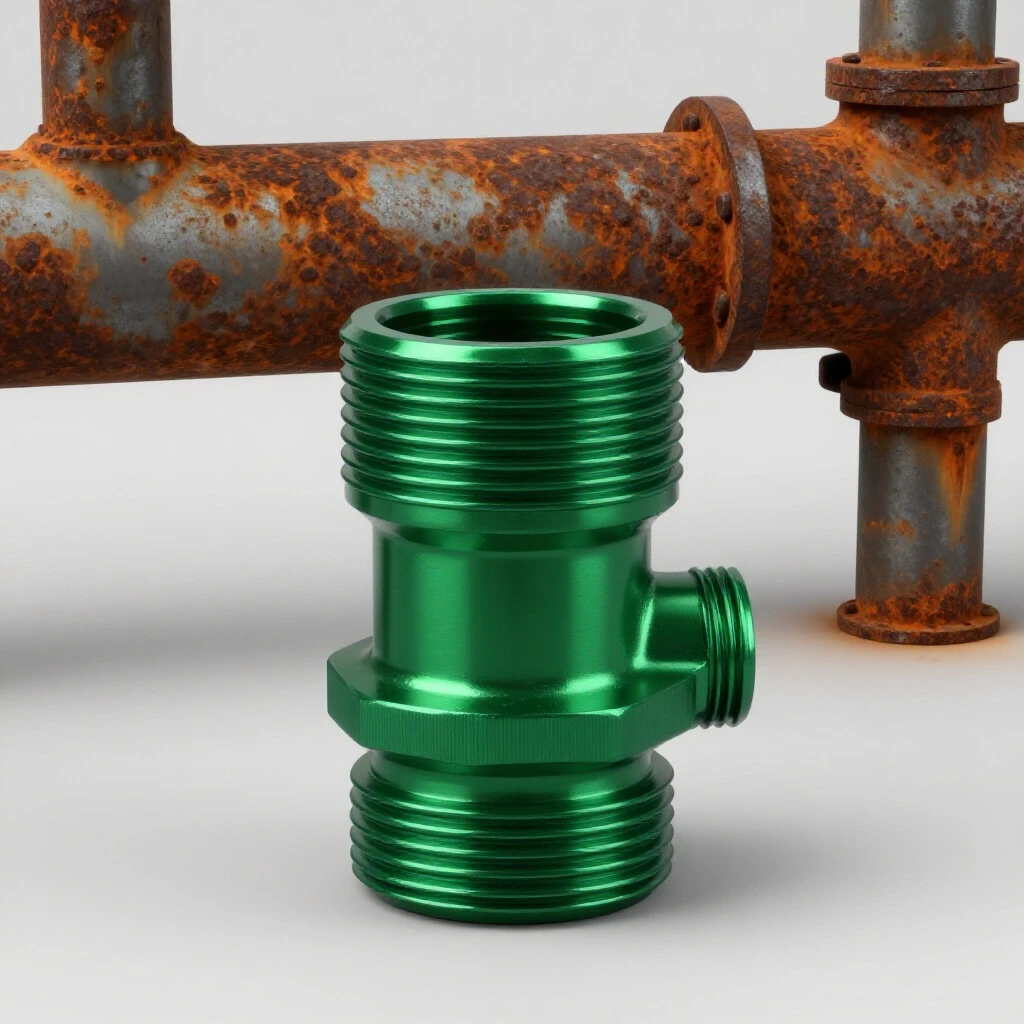
To manage these systems, I start with a non-invasive diagnostic. I look for signs of galvanic corrosion, which occurs when two dissimilar metals touch in the presence of moisture. This can lead to the “freezing” of valves or hinges. By identifying these issues early, you can apply targeted lubrication or cleaning before the mechanical stress causes a permanent fracture in the metal.
Diagnostic Tools for Assessing Vintage Components
Effective maintenance relies on objective data rather than guesswork, using specialized tools to measure the health of home systems. These instruments allow you to see hidden moisture or mechanical wear that could lead to costly structural damage if left unaddressed.
I recommend keeping a specific kit for evaluating the state of your home’s original hardware. These tools help you stay within safety boundaries while providing the metrics needed for a preventative plan.
- Non-contact infrared thermometer: Useful for detecting “thermal bridging” around old window locks or identifying overheating electrical faceplates.
- Pinless moisture meter: Measures the moisture content percentage in wood cabinetry or flooring near plumbing fixtures. A reading above 15% indicates a slow leak that requires immediate attention.
- Magnifying glass (5x or 10x): Essential for inspecting small cracks in porcelain or checking the integrity of vintage screw heads.
- Non-marring pliers: These have plastic-coated jaws to prevent scratching the finish on original chrome or brass fixtures during adjustments.
- Telescoping mirror: Allows you to see the underside of sinks or behind heavy radiators to check for “weeping” joints.
Managing Moisture and Mineral Buildup in Legacy Plumbing
Plumbing maintenance for older homes focuses on controlling hydraulic pressure and removing calcium carbonate deposits that restrict flow. Because older pipes may have thinner walls due to age, using gentle, non-chemical methods is the safest approach for the system.
In many older properties, “hard water” creates a crust known as limescale. This scale can seize the internal stems of compression valves. Instead of forcing a stuck handle, which can snap the stem, I use a localized heat wrap—a rag soaked in hot water—to expand the metal slightly. This often breaks the mineral bond.
I also monitor water pressure levels (PSI). Most residential systems should operate between 40 and 60 PSI. If your pressure is too high, it puts undue stress on vintage washers and gaskets, leading to premature leaks. You can test this with a simple gauge that threads onto an outdoor hose bib.
Symptom-to-Root-Cause Diagnostic Tree
| Symptom | Potential Root Cause | Non-Invasive Action |
|---|---|---|
| Slow flow from faucet | Mineral scale in aerator | Vinegar soak (30 mins) |
| Stiff cabinet hinge | Dust and oxidized grease | Clean with mineral spirits; lubricate |
| “Green” crust on brass | Slow moisture weep or high humidity | Dry area; check Gasket; polish with mild acid |
| Window sash binds | Wood swelling or paint friction | Check moisture %; apply paste wax to tracks |
| Flickering light fixture | Loose contact or oxidized socket | Clean socket with contact cleaner (Power OFF) |
Restoring Movement to Original Cabinetry and Doors
Maintaining the mechanical function of original hinges and latches prevents the wood frames from warping due to uneven weight distribution. When a door or drawer does not close smoothly, it often creates “leveraged stress” on the surrounding structure.
I often encounter “binding” in older wooden components. This is frequently a result of the stack effect, where warm air rises and pulls moisture into the upper levels of a home, causing wood to expand. Before sanding or trimming a door, I check the hinges. Often, the screws have slightly backed out over 50 years. Tightening them with a manual screwdriver—never a power drill—can realign the entire unit.
For lubrication, I avoid multi-purpose sprays that contain solvents, as these can attract dust and create a “grinding paste” over time. Instead, I use dry graphite for lock cylinders and high-quality paste wax for wooden drawer slides. This reduces friction without introducing moisture that could lead to rot.
Maintaining Electrical Hardware Safety and Function
Safety is the primary concern when dealing with original electrical fixtures like push-button switches or brass-encased sockets. While full wiring upgrades are a separate matter, the homeowner can maintain the physical interface of these systems to ensure they remain cool and functional.
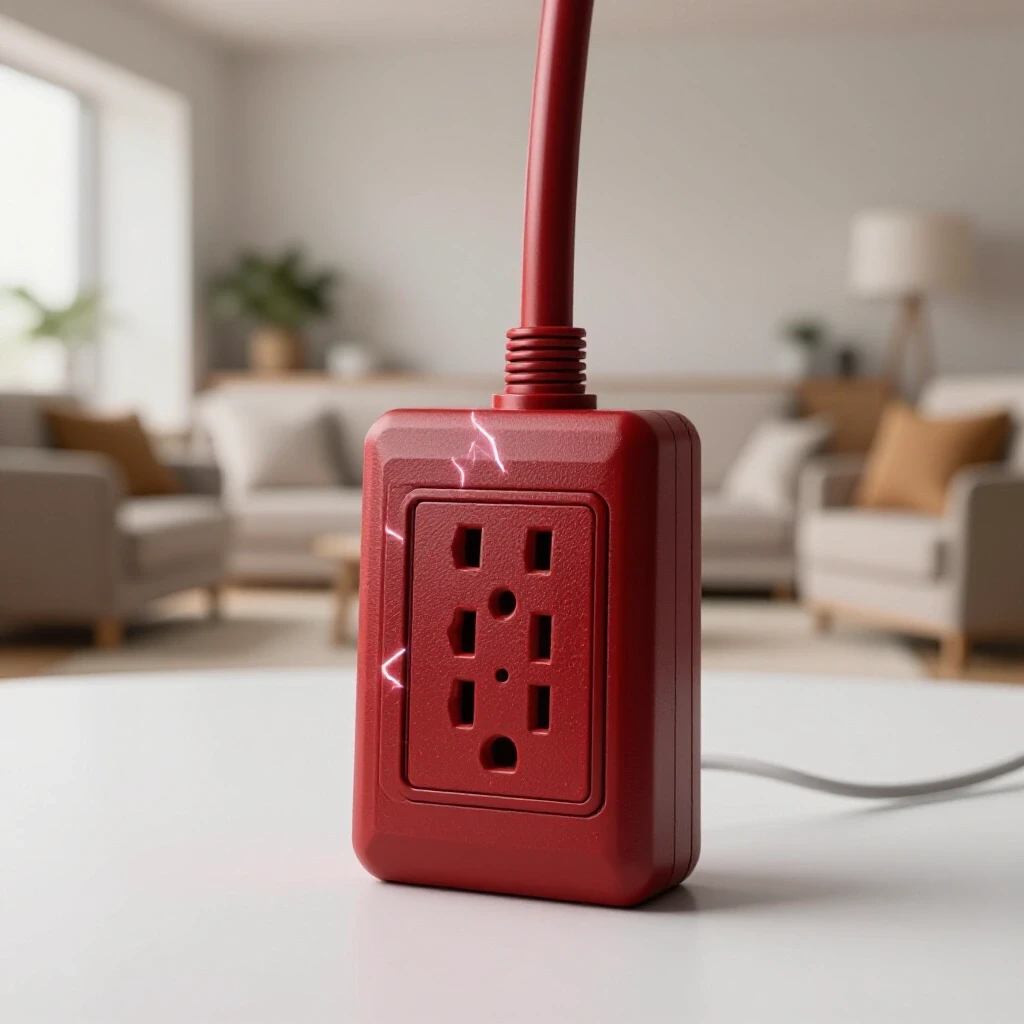
Electrical resistance creates heat. If a switch plate feels warm to the touch, it indicates a poor connection or an internal failure. I use a non-contact voltage tester to ensure power is off before removing a faceplate to vacuum out dust. Dust accumulation inside a switch box is a common fire hazard in older homes.
Cleaning the contacts of a vintage lamp socket can also prevent arcing. Using a specialized electrical contact cleaner and a cotton swab can remove oxidation. Always ensure the fixture is unplugged and the cleaner has fully evaporated before restoring power.
Physical Troubleshooting Sequences for Window Hardware
Older windows are often the most complex mechanical systems in a legacy home, involving pulleys, weights, and interlocking sashes. Maintaining these prevents drafts and reduces the energy load on your HVAC system.
- Inspect the Sash Cord: Look for fraying or paint saturation. A snapped cord causes the weight to drop, which can damage the interior of the window pocket.
- Test the Lock Alignment: If the “meeting rail” (where the two sashes touch) is not level, the lock will not engage. This is often caused by debris in the bottom track.
- Check the Weatherstripping: Original bronze “V-strip” weatherstripping can be gently pried back into shape with a putty knife to restore a tight seal.
- Lubricate the Pulleys: A single drop of 3-in-1 oil on the pulley axle can eliminate squeaks and reduce the force needed to open the window.
Systematic Repairs and Preventative Maintenance Schedule
A proactive approach involves regular inspections to catch issues before they require invasive measures. By following a schedule, you can track the “rate of decay” and intervene at the optimal moment.
Building science emphasizes the “envelope” of the home. If moisture enters through a poorly maintained window fixture, it can travel through the wall via capillary action, potentially damaging the structural studs. Regular maintenance of the fixture is, therefore, an act of structural protection.
Preventative Maintenance Schedule by System
- Quarterly (Every 3 Months):
- Inspect under-sink plumbing for “ghost leaks” (moisture without a visible drip).
- Test all shut-off valves by turning them halfway and back to prevent seizing.
- Check moisture content of wood near exterior doors.
- Bi-Annually (Every 6 Months):
- Lubricate all door hinges and lock cylinders.
- Clean aerators and showerheads in vinegar.
- Vacuum dust from electrical switch boxes (Power OFF).
- Annually:
- Inspect window sash cords and pulleys.
- Check the “slope” of exterior hardware to ensure water drains away from the house.
- Polish and protect brass or bronze fixtures to prevent deep pitting.
Identifying Thermal and Moisture Failures
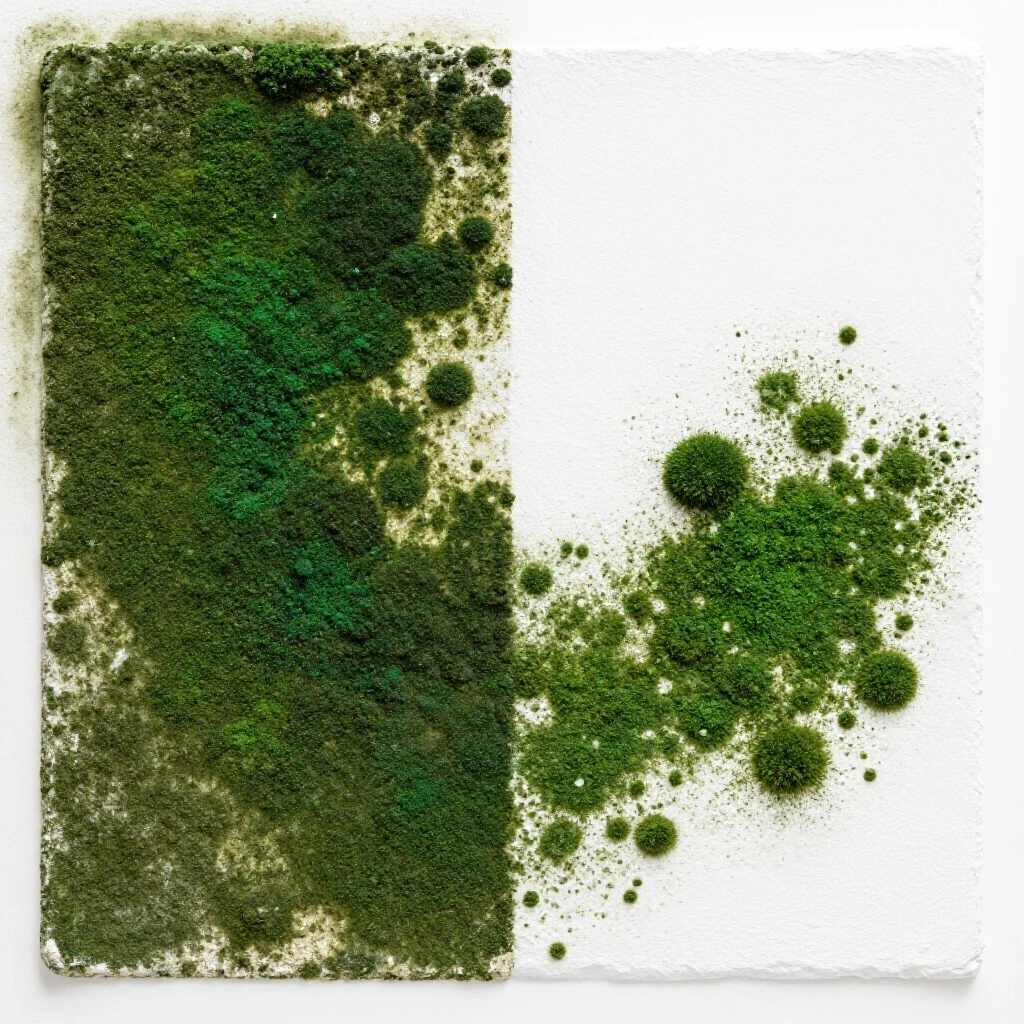
Understanding how heat and water move through your fixtures allows you to diagnose the “why” behind a failure. For example, efflorescence—a white, powdery substance on masonry—near a fixture indicates that water is moving through the material and evaporating, leaving salts behind.
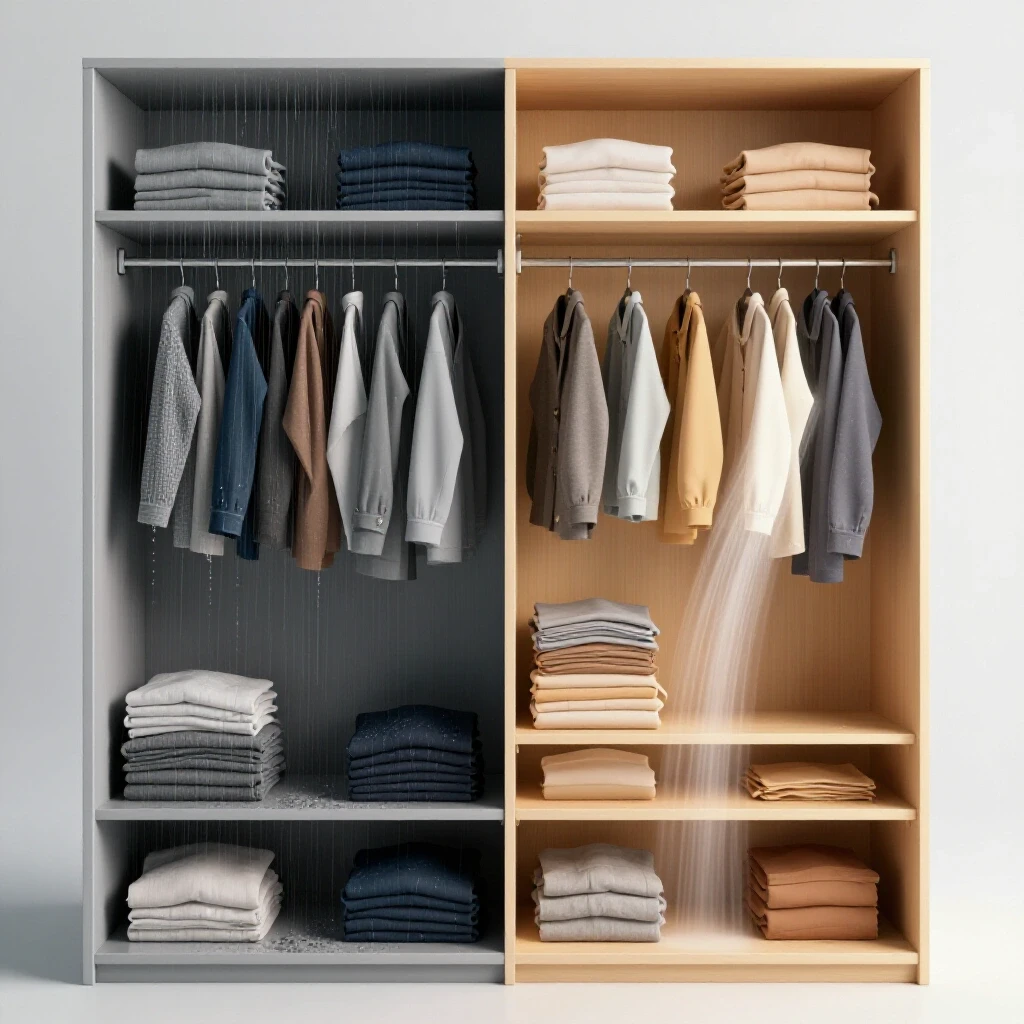
If you notice condensation on the interior of an original metal fixture, it may be due to a “thermal bridge.” The metal is colder than the indoor air, causing moisture to drop out of the air. Increasing the local R-value or reducing indoor humidity can stop this cycle, preventing the metal from rusting from the inside out.
I always tell homeowners to look for “pathways.” Water follows the path of least resistance. A poorly adjusted door handle might allow a tiny gap in the weatherstripping. This gap allows air infiltration, which brings in moisture, which eventually rusts the internal spring of the latch. Fixing the alignment solves the mechanical issue and the moisture issue simultaneously.
Building a Multi-Year Prevention Program
Maintaining an older home is a marathon, not a sprint. I recommend keeping a “facility log” where you record the date of every lubrication, cleaning, and adjustment. This data allows you to see patterns. If a specific faucet requires cleaning every three months while others do not, you may have a localized pipe issue or a failing water heater anode rod.
When you approach maintenance with this level of technical detail, you transition from a reactive homeowner to a proactive steward of the property. You are no longer waiting for something to break; you are managing the natural aging process of the materials.
By focusing on these non-invasive techniques, you preserve the historical integrity of your home while ensuring that every mechanical system operates at peak efficiency. This systematic care is the most effective way to avoid the sudden, high-cost repairs that often plague older properties.
Frequently Asked Questions
How do I loosen a stuck brass faucet handle without breaking it?
Wrap the handle in a rag soaked in very hot water for several minutes. This expands the metal. If it remains stuck, apply a small amount of penetrating oil to the seam and wait 24 hours. Use a manual screwdriver to apply steady, even pressure rather than sudden jerks.
What is the best way to clean “green gunk” off old plumbing?
This green substance is usually verdigris, a form of oxidation. Use a paste made of equal parts salt, flour, and vinegar. Apply it to the spot, let it sit for 30 minutes, and wipe it away. This is a non-invasive way to remove the oxidation without scratching the metal.
Why do my original cabinet drawers stick in the summer?
This is due to high humidity causing the wood to expand. Check your home’s humidity levels; they should be between 30% and 50%. You can reduce friction by rubbing a block of paraffin wax or a plain white candle along the drawer slides.
Is it safe to clean the inside of an old light switch?
Yes, provided the power is turned off at the breaker. Use a non-contact voltage tester to confirm there is no current. Use a vacuum with a brush attachment or a can of compressed air to remove dust. Do not use liquid cleaners inside the switch box.
How can I tell if a window pulley needs replacement or just oil?
If the pulley wheel turns but squeaks, it needs a drop of oil. If the wheel is frozen and the cord slides over it without the wheel moving, it is likely seized by paint or rust. Use a small scraper to remove paint from the axle area before applying oil.
What does it mean if my brass fixtures are “pitting”?
Pitting is a sign of deep corrosion where small holes form in the metal. This is often caused by exposure to harsh chemical cleaners or salt air. Once pitting starts, it cannot be reversed, but it can be slowed by cleaning the metal and applying a thin coat of high-quality paste wax.
Why is my faucet dripping even after I tightened the handle?
In older compression faucets, a drip usually means the rubber washer is worn or the “seat” has mineral buildup. Over-tightening the handle can actually damage the metal stem. The correct maintenance is to disassemble the handle and clean the internal seat with a soft cloth.
How often should I check the moisture levels in my bathroom?
In an older home, I recommend checking monthly. Use a moisture meter on the baseboards and the vanity cabinet. If you see readings consistently above 15%, you have a hidden moisture issue that could lead to mold or structural rot.
Can I use WD-40 on my original door hinges?
I do not recommend it for long-term maintenance. WD-40 is a “water displacer” and solvent, not a dedicated lubricant. It can dry out and leave a sticky residue. A dedicated machine oil or a dry silicone spray is a better choice for heritage hardware.
What is “stiction” and how does it affect my home?
Stiction is the “static friction” that needs to be overcome to start moving two surfaces. In older fixtures, it is caused by old grease hardening. Regular movement and proper lubrication keep stiction low, preventing you from having to apply excessive force that might break a vintage part.
(This article was written by one of our staff writers, Daniel Whitaker. Visit our Meet the Team page to learn more about the author and their expertise.)