How to Install a Weatherproof Mail Slot Without Drafts (Step-by-Step)

Every time the winter wind picked up, I could feel a cold breeze cutting through my foyer. It wasn’t coming from the windows or the gap under the door. Instead, it was whistling straight through the old, thin metal plate on my front door. As a facilities manager, I know that even a small opening can lead to significant heat loss and higher energy bills. I spent a Saturday morning researching how to stop this air leak without losing the convenience of door-side mail delivery. My journey through two home renovations taught me that many online guides skip the hardest part: making sure the new assembly actually seals out the weather.
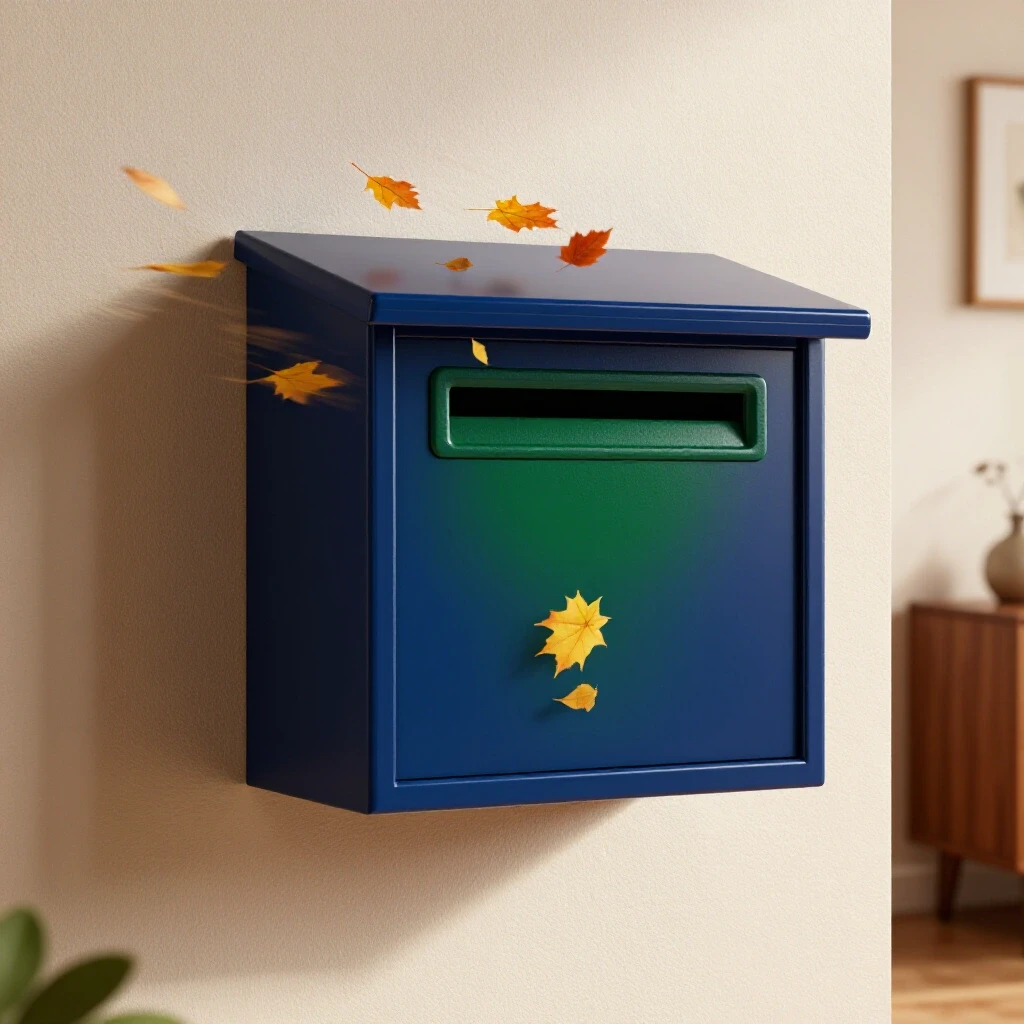
Upgrading a door-integrated letter plate is more than just a cosmetic change. It is a functional repair that improves your home’s envelope. In this guide, I will share the exact steps I took to replace a drafty, dated mail entry with a high-efficiency, insulated model. We will cover tool selection, precise cutting techniques, and the critical sealing steps that most tutorials ignore.
Assessing Your Entryway for a Weatherproof Upgrade
This initial phase involves checking your door’s material, thickness, and current aperture size to ensure compatibility with a modern, insulated assembly. You must determine if your door is solid wood, metal-clad, or fiberglass before you begin.
Before you buy any parts, you need to know what you are working with. Most standard residential doors are 1-3/4 inches thick, but some older homes have thinner 1-3/8 inch doors. If your door is too thin or too thick, the internal sleeve of a new letter plate might not fit correctly. I once bought a beautiful brass assembly only to find the sleeve was designed for a commercial door. It was a wasted trip to the store that I could have avoided with a simple measurement.
Measuring the Existing Aperture
The aperture is the hole currently cut into your door for mail delivery. You need to remove the internal and external plates to measure the height and width of this opening accurately.
Most modern insulated assemblies require a specific hole size to house the internal “tunnel” or sleeve. If your existing hole is too large, you may need a plate with a wider flange to cover the gap. If it is too small, you will need to prepare for some careful cutting. I recommend using a digital caliper or a standard tape measure to get the exact dimensions of the current cutout.
Choosing an Insulated Assembly
Selecting a unit with dual flaps and integrated brushes or gaskets is the most effective way to stop air infiltration. Look for models that feature a thermal break or a “sleeve” that connects the front and back plates.
When I upgraded my foyer, I chose a model with a spring-loaded external flap and a secondary internal flap. This “dual-stage” design creates a pocket of air that acts as insulation. Interestingly, some manufacturers now include nylon brush seals inside the sleeve. These brushes allow mail to pass through while blocking the wind from blowing directly into your living room.
| Feature | Standard Plate | High-Efficiency Assembly |
|---|---|---|
| Material | Thin stamped metal | Heavy-duty cast or insulated plastic |
| Seal Type | Gravity flap (none) | Spring-loaded with brush gaskets |
| Air Leakage | High | Minimal to None |
| DIY Time | 30 minutes | 2 to 3 hours |
| Material Cost | $15 – $25 | $45 – $90 |
Essential Tools and Materials for a Precise Fit
A successful installation depends on having the right equipment to make clean cuts and create a tight seal against the door’s surface. Using the wrong blade or a dull bit can splinter wood or jaggedly tear metal skins.
I have learned the hard way that a “close enough” tool list leads to a messy finish. For this project, you are modifying the most visible part of your home’s exterior. Taking the time to gather professional-grade DIY tools will save you from the frustration of a crooked cut or a stripped screw.
The Required Tool Inventory
- Jigsaw with a Fine-Tooth Blade: Use a 20-24 TPI (teeth per inch) blade for metal doors or a 10-12 TPI clean-cut blade for wood.
- Power Drill and Bits: A 3/8-inch bit is usually needed to create “starter holes” for the jigsaw blade.
- Painter’s Tape: This is used to protect the door’s finish from the jigsaw’s base plate.
- Level: A small torpedo level ensures the new plate isn’t slanted.
- Screwdrivers: Both Phillips and flat-head, depending on the hardware provided.
- Silicone Sealant: Clear, exterior-grade silicone for perimeter waterproofing.
- Sandpaper: 120-grit for smoothing the edges of the cutout.
Material Safety and Site Prep
Safety gear is non-negotiable when cutting into a door, as metal shards or wood dust can cause injury. Always wear wrap-around safety glasses and hearing protection when operating a jigsaw or drill.
Before you start, lay a drop cloth on both sides of the door. When you cut through a door, the debris will fly everywhere. Building on this, make sure the door is propped open or secured so it doesn’t move while you are sawing. I prefer using a heavy doorstop or a wedge to keep everything stable.
Preparing the Template and Marking the Cut
This stage involves aligning the manufacturer’s paper template with your door’s existing hole to mark the new dimensions. Accuracy here prevents the “over-cutting” mistake that can ruin a door’s structural integrity.
Most high-quality kits come with a paper template. Do not throw this away. It shows you exactly where the screw holes and the main sleeve opening need to be. If your kit didn’t come with one, you can make your own by tracing the back of the assembly onto a piece of cardboard.
Why Dry-Fitting is Critical
Dry-fitting is the process of placing the hardware into the hole without any fasteners or adhesives to check for gaps. This allows you to see if the sleeve hits any internal door bracing.
I always dry-fit my projects twice. On my second home, I assumed the template was perfect, but the internal structure of the fiberglass door had a reinforced rib right where the screw needed to go. By dry-fitting, I was able to shift the entire assembly by 1/8 of an inch, saving the project. As a result, I avoided drilling a hole into a steel reinforcement bar.
Marking the Door Safely
Apply a wide layer of painter’s tape over the area where you will be marking and cutting. This prevents the pencil or marker from staining the door and protects the paint from the saw.
Once the tape is down, use your level to draw a perfectly horizontal line. Align your template to this line. If you rely on the “look” of the old hole, you might find that the old one was crooked. Always trust the level over your eyes. Use a sharp pencil to trace the cutout and the four mounting holes.
Executing the Cut and Managing the Core
This is the most labor-intensive part of the project, requiring a steady hand and the correct saw speed to penetrate the door layers. You will be cutting through two skins and the internal insulation or wood core.
Cutting into a front door can be nerve-wracking. The key is to let the tool do the work. If you push a jigsaw too hard, the blade will flex, and your cut will be slanted on the other side of the door. I find that using a medium speed with a high TPI blade provides the most control.
Drilling Starter Holes
Starter holes are 3/8-inch or 1/2-inch holes drilled at the corners of your marked rectangle. They provide a place for the jigsaw blade to enter the door material safely.
Drill these holes just inside the lines you marked. Be careful not to let the drill bit “walk” across the door surface. I usually use a center punch or a small nail to make a tiny divot before drilling. This keeps the bit exactly where I want it.
Mastering the Jigsaw Path
Position the jigsaw blade in a starter hole and follow your pencil line slowly. Keep the base of the saw flat against the door at all times to ensure a 90-degree cut.
If you are cutting a metal door, you will hear a loud, high-pitched noise. This is normal. Interestingly, metal-clad doors often have a foam core that can melt if the blade gets too hot. To avoid this, take short breaks between sides to let the blade cool down. Once the rectangle is cut, the “core” of the door will fall out. Be ready to catch it so it doesn’t scratch your flooring.
Sealing and Weatherproofing for Draft Reduction
This phase focuses on the application of gaskets and sealants to ensure no air or water can bypass the new assembly. Proper sealing is what separates a basic installation from a true energy-saving upgrade.
Once the hole is cut and sanded smooth, it is time to address the drafts. Most kits come with a thin foam gasket, but in my experience, these aren’t enough for a truly airtight seal. I like to add a thin bead of clear silicone behind the exterior flange. This creates a secondary barrier against driving rain and wind.
Applying Perimeter Weatherstripping
Compressible weatherstripping can be added to the edges of the internal sleeve to fill any tiny gaps between the sleeve and the door core. This prevents air from “looping” inside the door itself.
- Clean the cut edges of the door with a damp cloth to remove dust.
- Apply a thin layer of exterior-grade silicone to the back of the outer plate.
- If the kit includes a brush seal, ensure it is seated deeply in its track.
- Slide the outer plate into the hole and press firmly.
- From the inside, slide the inner plate or sleeve into position.
Securing the Hardware
Tighten the mounting screws by hand rather than using a power drill. Over-tightening can warp the metal plates or strip the threads in the sleeve.
I always start all four screws by hand first to make sure they are threaded correctly. Once they are all started, I tighten them in a “cross” pattern—top left, then bottom right—to ensure even pressure. This prevents the plate from tilting or creating a gap on one side.
Final Testing and Maintenance Procedures
The final stage involves checking the flap tension and ensuring the seal is tight when the door is closed. Regular maintenance will keep the assembly working smoothly for years.
After everything is tightened, walk outside and try to push a piece of mail through. It should move easily but the flap should snap shut immediately afterward. If the flap stays open, the sleeve might be slightly pinched. Loosen the screws a quarter-turn to see if the flap regains its tension.
Troubleshooting Common Issues
- The Flap Rattles: This usually means the spring is weak or the door isn’t level. You can add a small piece of adhesive-backed felt to the inside of the flap to dampen the sound.
- Water Leaks In: This happens if the top edge of the exterior plate isn’t sealed. Apply a small “cap” of silicone along the top edge of the plate where it meets the door.
- The Sleeve is Too Long: If the sleeve sticks out from the interior of the door, you may need to trim it with tin snips or a hacksaw. Always wear gloves when handling trimmed metal edges.
Long-Term Care
Every six months, I recommend wiping the gaskets with a damp cloth. Dust and hair can build up in the brush seals, which prevents them from closing tightly. A drop of dry lubricant on the hinges once a year will prevent squeaking and ensure the spring-loaded flaps keep the drafts out.
By taking these extra steps to seal and insulate, you have turned a simple mail entry into a functional barrier against the elements. This project typically takes about three hours of active work, but the comfort you gain in your foyer is well worth the weekend effort.
Frequently Asked Questions
Can I install a new letter plate on a hollow-core door?
It is not recommended. Hollow-core doors lack the internal structure to hold the mounting screws securely. Most exterior doors are solid-core, metal-clad, or fiberglass, which are all suitable for this upgrade. If you must use a hollow door, you will need to install wood blocking inside the door to give the screws something to bite into.
How do I know if my new assembly is actually stopping drafts?
The easiest way to check is with a “smoke pen” or a simple stick of incense. On a windy day, hold the smoke source near the edges of the mail slot inside your house. If the smoke blows sideways, you still have a leak. You can also feel for temperature differences with an infrared thermometer.
What should I do if the new plate is smaller than the old hole?
If the new plate doesn’t cover the old opening, you have two options. You can use a “repair plate” or “beauty ring,” which is a larger piece of metal that sits behind the new plate. Alternatively, you can patch the door with wood filler or epoxy, sand it, and repaint it before installing the new hardware.
Is a vertical mail slot different to install than a horizontal one?
The process is the same, but the flap tension is different. Vertical slots rely more heavily on strong springs because gravity won’t help the flap stay closed. Ensure the model you buy is specifically rated for vertical installation to prevent it from hanging open.
Will cutting into a metal door cause it to rust?
The cut edges of a steel door can rust over time if exposed to moisture. To prevent this, I always paint the raw metal edges of the cutout with a rust-inhibiting primer before I slide the sleeve into place. This small step protects the integrity of your door for decades.
Do I need to remove the door from its hinges to do this?
No, you can complete this project with the door on its hinges. In fact, it is often easier to keep the door upright so you can check the level of the plate as you work. Just make sure to use a doorstop to keep it from swinging while you are using the saw.
What is the best way to cut fiberglass without splintering?
Fiberglass can splinter easily. Use a very high TPI blade and run the jigsaw at a high speed with a slow forward motion. Applying a double layer of painter’s tape over the cut line is essential here, as it holds the fiberglass fibers together while the blade passes through.
How much money can I save on my heating bill?
While it depends on your climate, a drafty mail slot can be equivalent to leaving a small window open all winter. By sealing this gap, most homeowners see a noticeable reduction in foyer drafts, which reduces the load on their HVAC system. In very cold climates, the assembly can pay for itself in energy savings within two or three seasons.
What if my door has decorative molding where the slot needs to go?
You should avoid cutting through raised molding if possible, as it makes sealing the plate very difficult. If the molding is in the way, you may need to use a “stand-off” spacer or choose a different location on the door. Cutting through molding often requires a professional level of carpentry to make the finish look intentional.
Can I use a reciprocating saw instead of a jigsaw?
I strongly advise against using a reciprocating saw. They are demolition tools and are far too aggressive for this type of precision work. They vibrate heavily and can easily bend the metal skin of your door or create a jagged, uncontrollable cut. A jigsaw is the correct tool for this task.
(This article was written by one of our staff writers, Robert Callahan. Visit our Meet the Team page to learn more about the author and their expertise.)