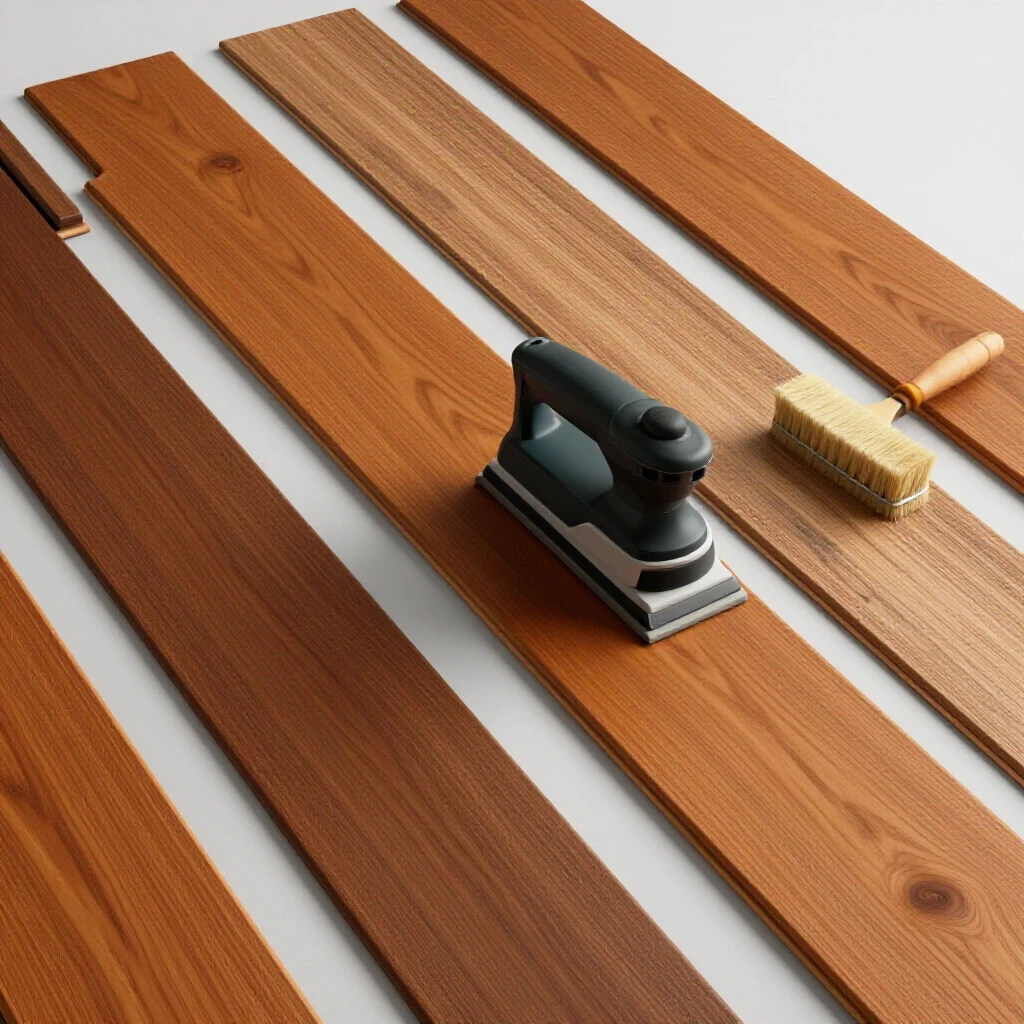
How to Repair Gaps in Trim for a Smooth, Clean Finish (Guide)

It is a strange feeling to realize your house is slowly stretching its limbs, much like a person waking up from a long nap. You walk into the living room one morning and notice a hairline crack where the baseboard meets the wall, or a dark shadow in the corner of your crown molding that definitely wasn’t there last summer. These seasonal shifts are a natural part of home ownership, yet they can make even the most expensive interior woodwork look neglected.
In my twelve years as a facilities manager, I have learned that the difference between a high-end finish and a sloppy repair often comes down to about a sixteenth of an inch and a lot of patience. I remember my first major DIY project in my first home; I assumed that a thick layer of paint would hide the gaps in my door casings. By the time the paint dried, the gaps had reappeared, looking even worse because they were now filled with uneven, dried drips. That failure taught me that achieving a seamless look requires understanding how materials behave under stress and temperature changes.

Understanding the Mechanics of Interior Woodwork Separations
This phase involves identifying the root causes of gaps between molding pieces or between trim and walls to determine the best repair method.
Wood is a hygroscopic material, meaning it absorbs and releases moisture based on the humidity of your home. When the air gets dry in the winter, the wood shrinks, and those tiny gaps at the mitered corners of your door frames begin to yawn. If you fill these gaps with a material that is too rigid, it will simply crack again when the seasons change.
In a professional facility setting, we look at these separations as “movement joints.” If the gap is between two pieces of wood, like a miter joint on a window casing, we need a filler that can be sanded smooth. If the gap is between the wood and the drywall, we need something flexible that can stretch. Understanding this distinction is the first step toward a repair that lasts longer than a single season.
Essential Inventory for Seamless Joint Restoration
A curated list of tools and materials specifically designed to fill, smooth, and finish interior molding gaps effectively.
You do not need a massive workshop to handle these repairs, but you do need the right chemistry. I have found that a high-quality, dripless caulk gun is worth three times its price in saved frustration. Cheap guns continue to ooze material after you release the trigger, leading to a mess on your floors and sticky fingers.
- Siliconized Acrylic Caulk: This is the standard for gaps between trim and walls. It is paintable and stays flexible.
- High-Performance Wood Filler: Used for holes and gaps within the wood itself where you need to sand the surface flat.
- Flexible Putty Knives: A 1-inch and 2-inch knife allow you to press filler into tight spaces.
- Sanding Sponges: Medium (120 grit) and fine (220 grit) are necessary for smoothing wood filler without gouging the trim.
- Damp Rags and a Five-Gallon Bucket: Water is your best friend for cleaning up excess caulk before it skins over.
- Painter’s Tape: Useful for protecting the wall or floor if you are still mastering your steady hand.
DIY vs. Professional Cost & Time Analysis
| Metric | DIY Approach | Professional Contractor |
|---|---|---|
| Material Cost | $40 – $75 | Included in Labor |
| Labor Cost | $0 (Sweat Equity) | $150 – $450 (Minimum call-out) |
| Time Investment | 4 – 6 Hours (Weekend) | 2 – 3 Hours |
| Tool Investment | $30 (If starting from scratch) | N/A |
| Learning Curve | Moderate | High Expertise |
Safety Protocols and Workspace Preparation
Establishing a secure environment to prevent accidents and ensure the longevity of the repair work through proper substrate cleaning.
Safety in DIY home improvement often gets overlooked because the tasks seem small. However, even when closing small gaps, you are dealing with chemical vapors and fine dust. I always ensure the room is well-ventilated, especially if I am using solvent-based fillers. According to ASTM D4236 standards, it is vital to check that your materials are non-toxic, but wearing a basic N95 mask while sanding is still a non-negotiable for me.
Before you open a single tube of sealant, you must clean the area. Dust, oils, and old, loose paint will prevent your new filler from bonding. I use a vacuum with a brush attachment to pull debris out of the cracks. If there is old, cracked caulk in the gap, I use a small 5-in-1 tool to carefully scrape it out. Putting new material over failing old material is a recipe for a project that will fail within months.
Choosing Between Flexible Sealants and Rigid Fillers
A technical guide on selecting the appropriate material based on the location and size of the trim gap.
The biggest mistake I see in weekend DIY projects is using wood filler where caulk should be used, or vice versa. Wood filler is rigid. It is excellent for filling a nail hole or a gap in a flat joint that you intend to sand until it is invisible. However, if you put wood filler in the long bead between your baseboard and the wall, the house will move, and that filler will crumble out like dried crackers.
For those long runs where the wood meets the sheetrock, you need “toolable” caulk. “Tooling” is the process of smoothing the bead of caulk with a finger or a specialized tool to create a concave shape. This shape allows the material to expand and contract without pulling away from the edges. In my career, I’ve seen countless “professional” jobs fail because the installer didn’t understand the “elongation at break” specifications of their sealant.
Material Cure & Drying Timelines
- Acrylic Caulk (Skins over): 20 – 30 minutes.
- Acrylic Caulk (Ready for paint): 2 – 4 hours (check manufacturer specs).
- Water-based Wood Filler: 15 – 30 minutes for small holes.
- Water-based Wood Filler (Full cure for sanding): 2 hours.
- Solvent-based Fillers: 1 – 2 hours (requires high ventilation).
Step-by-Step Execution for Closing Trim Gaps
A detailed, chronological process for applying materials to achieve a flush, professional-grade finish on interior moldings.
Phase 1: The Application
When applying caulk to a gap, cut the nozzle at a 45-degree angle. The size of the hole should be slightly smaller than the gap you are trying to fill. I always start in a less visible corner to get my “flow” right. Hold the gun at a consistent angle and pull it toward you in one steady motion. It is better to apply too little than too much; you can always add more, but cleaning up a massive over-application is a nightmare.
Phase 2: Tooling the Joint
Once the bead is down, wet your finger in a bucket of clean water. Lightly run your finger over the bead to smooth it into the gap. You aren’t trying to wipe it all away; you are trying to press it into the edges to create a seal. Keep a damp rag in your other hand to wipe your finger frequently. If the caulk starts to stick to your skin, it will pull the material out of the gap instead of smoothing it.
Phase 3: Filling Miter Joints
For the corners where two pieces of wood meet, I prefer a high-quality wood filler. I overfill these gaps slightly because most fillers shrink as the moisture evaporates. Once it is completely dry—and I mean “knuckle-tap” dry—I use a 220-grit sanding sponge. Sand in the direction of the wood grain. If you sand across the grain, you will leave tiny scratches that show up clearly once you apply a semi-gloss or satin paint.
Troubleshooting Common Finishing Failures
Identifying and correcting issues that arise during the drying and painting stages of trim repair.
One of the most frustrating things is watching your beautiful, smooth joint develop a crack as it dries. This usually happens for two reasons: the gap was too deep, or the temperature in the room dropped too quickly. If a gap is deeper than 1/2 inch, you should use a “backer rod.” This is a foam rope that you stuff into the gap first so that the caulk has something to sit on. This prevents “three-sided adhesion,” which is a common cause of sealant failure in facility maintenance.
If you notice the wood filler is “flashing” (showing through the paint), it’s likely because the filler was more porous than the wood. To fix this, I always apply a quick coat of primer over the repaired area before the final paint. This seals the filler and ensures the paint sheen is consistent across the entire surface. It adds an hour to the project, but it saves you from looking at a dull spot every time the sun hits that wall.
Time and Effort Estimation for Busy Professionals
A realistic breakdown of the hours required to complete a standard room’s trim repairs over a weekend.
I know your time is valuable. You are likely balancing a career and family, and you don’t want a “quick project” to bleed into your Monday morning. For a standard 12×12 room with baseboards, two windows, and one door, here is a realistic breakdown of the effort required.
- Preparation and Cleaning: 45 minutes.
- Caulking and Filling: 1.5 hours.
- Drying Time (Passive): 2 – 4 hours.
- Sanding and Touch-up Prep: 1 hour.
- Painting/Finishing: 1.5 hours.
Total active working time is roughly 5 hours. I recommend doing the cleaning and filling on a Saturday morning. This allows the materials to cure fully overnight. On Sunday morning, you can do your light sanding and final painting. By Sunday night, the room is back in order, and you haven’t burned your entire weekend.
Final Clean-up and Tool Maintenance
Procedures for preserving your equipment and ensuring the workspace is returned to a functional state.
When you finish, don’t just toss your caulk gun in the garage. Take a moment to clean the tip of the tube. I use a large wire nail or a specialized “caulk saver” cap to seal the tube. If air gets in, the whole tube will harden, and you’ll be buying a new one next time.
Wash your putty knives and dry them immediately. Even stainless steel can develop spots if left wet. I’ve had the same set of putty knives for nearly a decade because I take three minutes to wipe them down with a bit of mineral spirits or soapy water after every use. This discipline is what separates a hobbyist from someone who treats their home like a professional facility.
Knowing When to Call a Professional
Guidelines for recognizing structural or complex issues that exceed standard DIY repair techniques.
While most gaps are cosmetic, some are warnings. If you see a gap in your trim that is wider than 1/4 inch and seems to be getting larger every week, or if the trim is pulling away from the wall along with the drywall tape, you might have a structural settling issue.
In my experience, if the gap is so large that you can see through to the framing of the house, or if there is evidence of moisture (staining or mold) behind the trim, it is time to stop the DIY approach. A professional carpenter or a structural engineer should be consulted to ensure your home’s envelope isn’t compromised. For 90% of cases, however, a steady hand and the right tube of sealant are all you need to restore that clean, intentional look to your home.
Frequently Asked Questions
Why does my caulk always crack a few weeks after I apply it? Cracking usually occurs because of “shrinkage” or “lack of elasticity.” If you use a cheap, contractor-grade caulk, it may not have enough acrylic polymer to handle the natural movement of your home. Additionally, if you apply caulk to a dusty surface, it won’t bond properly, causing it to pull away as it dries. Always clean the gap and use a “Class 25” or higher sealant, which indicates it can handle 25% movement.
Can I use wood filler on the gap between the baseboard and the floor? I would advise against it. The floor and the wall move independently. Wood filler is rigid and will crack and fall out within weeks. For gaps at the floor line, use a color-matched flexible sealant or consider installing a “shoe molding” or “quarter round” to cover the gap, as these are nailed into the baseboard, not the floor, allowing for movement.
How do I get a perfectly straight line without using tape? The secret is in the “cut” of the nozzle and the pressure of your finger. By cutting the nozzle at a sharp angle and keeping the opening small, you control the volume. When you tool the joint with a wet finger, the excess material is pushed into the gap rather than onto the wall. If you do use tape, pull it off while the caulk is still wet to avoid peeling the edges of the new seal.
What is the best way to fill a large hole in a miter joint? For large gaps in wood-to-wood joints, use a two-part wood filler (often called wood epoxy). These don’t shrink like standard water-based fillers. You mix a hardener with a resin, apply it, and then sand it down. It is much more durable for corners that might get bumped by a vacuum or furniture.
Is it necessary to paint over the filler? Yes. Most fillers and caulks are porous or have a different sheen than your trim. Even if the filler is white and your trim is white, they will reflect light differently. Painting seals the repair and makes it truly invisible. Without paint, the repaired area will also attract dust and turn grey over time.
How do I remove old, hardened caulk before starting? Use a dedicated caulk removal tool or a sharp utility knife. Be careful not to gouge the wood or the drywall. If the caulk is particularly stubborn, there are chemical “caulk softeners” available at hardware stores that you can apply for 24 hours to break down the bond before scraping.
Can I use a hair dryer to speed up the drying time? I don’t recommend this. Forcing a sealant or wood filler to dry too quickly can cause it to crack or lose its adhesive properties. Most manufacturers specify a drying temperature between 50°F and 90°F. Natural airflow is the best way to ensure a proper cure.
What grit sandpaper should I use for the final finish? Start with 120-grit if the filler is very uneven, but always finish with 220-grit. For a very high-end look on gloss-painted trim, you can even go up to 320-grit. The smoother the surface before painting, the more the repair will disappear into the surrounding wood.
Is it better to push or pull the caulk gun? Most professionals prefer to pull the gun. This allows you to see the bead as it is being laid down and ensures a consistent volume. Pushing the gun can lead to “plowing,” where the nozzle digs into the material you just laid down, creating an uneven mess.
How long should I wait to paint after filling a gap? While some products claim to be “paintable in 30 minutes,” I always suggest waiting at least two hours for caulk and four hours for wood filler. In humid environments, I wait a full 24 hours. Painting over “green” or wet filler can cause the paint to bubble or peel as the moisture tries to escape.
(This article was written by one of our staff writers, Robert Callahan. Visit our Meet the Team page to learn more about the author and their expertise.)