How to Store Kids’ Artwork Without Clutter (Easy Storage Guide)

Introducing modern aesthetics into a home filled with the creative energy of children often feels like a losing battle. My journey into managing this specific type of household volume began in my own kitchen, where a single drawing of a sun-yellowed cat quickly multiplied into a mountain of paper. As a logistics professional, I realized that the “paper flood” from school and weekend projects was not a lack of effort on my part but a failure of system design. Over the last 11 years, I have applied the same flow-rate principles I use in industrial operations to help my family manage these creative archives without feeling visually overwhelmed.
Most home organization systems fail because they ignore the reality of “retrieval friction.” If a storage solution requires more than three steps to access, the system will collapse within 48 hours. In my household, we moved away from deep, lidded bins that lived at the bottom of closets. Instead, we shifted toward accessible, modifiable structures that treat every painting and sketch as a physical asset moving through a pipeline. This approach reduces the mental fatigue of deciding where things go and ensures that our living spaces remain functional and tidy.
Understanding the Spatial Logistics of Creative Paper Management
Spatial logistics refers to the strategic management of the physical footprint that items occupy within a fixed living area. In a busy family home, every square inch must be earned, and paper projects often occupy high-value surfaces like counters and dining tables because they lack a designated “docking station.”
When a child brings home a new drawing, it represents an “inbound shipment.” If your home does not have a clear receiving area, that shipment sits in a transition zone, creating visual noise. Research in environmental psychology suggests that visual clutter can increase cortisol levels, particularly in parents who feel responsible for the state of the home. To combat this, we must view our walls and shelves as a warehouse with limited capacity. We are not just storing paper; we are managing the flow of memories and creative output.
Sustainable decluttering in this context does not mean getting rid of things. It means creating a system where items move from an “active display” phase to a “passive archive” phase with minimal effort. By establishing these zones, we reduce the cognitive load required to maintain order.
Why High-Friction Systems Lead to Rapid Clutter Reversion
Retrieval friction is the amount of physical and mental energy required to put an item away or take it out. High-friction systems, such as heavy bins with tight lids or containers stored behind other objects, are the primary cause of household organization failure.
In my early attempts to organize our family drawings, I used large plastic totes. To put a single piece of art away, I had to move a chair, unstack two other bins, pry off a lid, and carefully place the paper inside. This five-step process was too slow for a busy Tuesday evening. Consequently, the art stayed on the counter. We need low-friction storage solutions for families that allow for “one-handed” filing.
The following table illustrates how different storage methods impact the long-term success of your home organization systems.
| Storage Method | Physical Steps to File | Mental Decision Energy | System Success Rate |
|---|---|---|---|
| Open-Top Wall Pockets | 1 Step | Low | 95% |
| Side-Loading Portfolio | 2 Steps | Medium | 80% |
| Lidded Bins (Stacked) | 5 Steps | High | 25% |
| Deep Closet Boxes | 6+ Steps | High | 10% |
Designing Functional Home Storage with Zoning Maps
Zoning is the practice of assigning specific functional purposes to different areas of the home to prevent items from drifting into spaces where they do not belong. For managing creative projects, I recommend a three-zone map: The Gallery, The Holding Station, and The Vault.
The Gallery is your active display area. This should be a high-visibility zone where items are rotated frequently. The Holding Station is a low-friction “inbox” where new items land before they are sorted. The Vault is your long-term preservation area, located in a less accessible but safe environment. By separating these zones, you prevent the “all-in-one-pile” syndrome that plagues many cluttered homes.
In our house, The Holding Station is a simple wooden tray on a side table. Every school project goes there immediately. Once a month, we move items from the tray to The Vault. This routine prevents the daily “where does this go?” frustration and keeps our surfaces clear for actual use.
The Gallery: High-Efficiency Display Methods
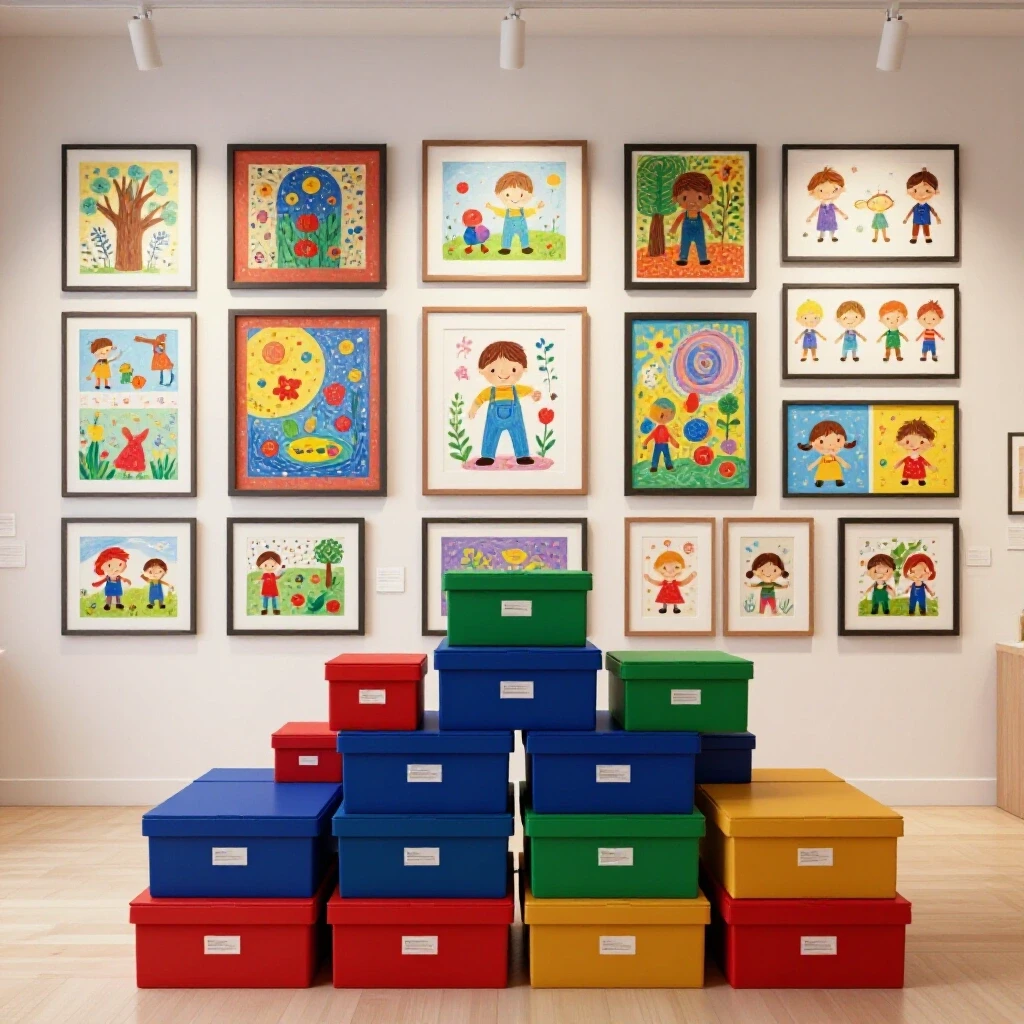
The Gallery zone is where we celebrate the work. To keep this area from becoming cluttered, use DIY-modified frames or wall-mounted clips. A simple logistical fix is to use frames that open from the front, allowing you to slide a new drawing over the old one.
- Use a series of three to five frames to limit the total volume of active display.
- When a new piece arrives, the oldest piece in the frame moves to the archive.
- This creates a natural “one-in, one-out” flow that prevents wall clutter.
The Holding Station: Reducing Daily Sorting Friction
The Holding Station acts as a buffer in your logistics chain. It accounts for the fact that parents are often too tired for deep sorting on a daily basis. By having a designated “landing strip” for paper, you protect your kitchen counters from the creeping paper tide.
- Place the holding station near the primary entry point of the home.
- Ensure the container is large enough for oversized construction paper.
- Use a DIY divider to separate work by child or by date.
Implementing a High-Speed Sorting Framework
A sorting framework is a set of binary decisions that allow you to process a large volume of items quickly. When I look at a stack of school projects, I don’t ask, “Do I like this?” That question is too subjective and leads to decision fatigue. Instead, I use logistical criteria based on the item’s physical properties and emotional value.
I recommend a “time-boxed” sorting interval. Set a timer for 15 minutes once a month. This prevents the task from becoming a multi-hour ordeal that you dread. During this time, you are simply moving items from the Holding Station to the Vault.
- Identify the “Signature” Pieces: These are items that show a specific developmental milestone, such as the first time a child wrote their name or a particularly detailed painting.
- Standardize the Volume: Decide on a physical limit for The Vault. For example, one two-inch thick portfolio per school year.
- Check for Durability: Items with loose glitter or heavy 3D elements require different handling than flat drawings. Use DIY cardboard spacers to protect these delicate items within your storage units.
Modifying Storage Gear for Long-Term Preservation
Generic storage containers often fail because they aren’t built for the specific dimensions of children’s creations. Standard letter-size folders are too small for large finger paintings. To create sustainable storage systems, you must modify your gear to fit your specific inventory.
I prefer using large-format artist portfolios, but with a DIY twist. I add custom-cut heavy cardstock dividers to create “sub-bins” within the portfolio. This allows us to sort by age or project type without needing multiple bulky containers.
DIY Modifications for Commercial Units
- Reinforce the Base: If using fabric bins, insert a custom-cut piece of plywood or heavy plastic at the bottom to prevent sagging under the weight of paper.
- Custom Labeling: Use a numbering system rather than just names. For example, “Child A – Vol 1” allows for a chronological archive that is easier to navigate than a giant pile.
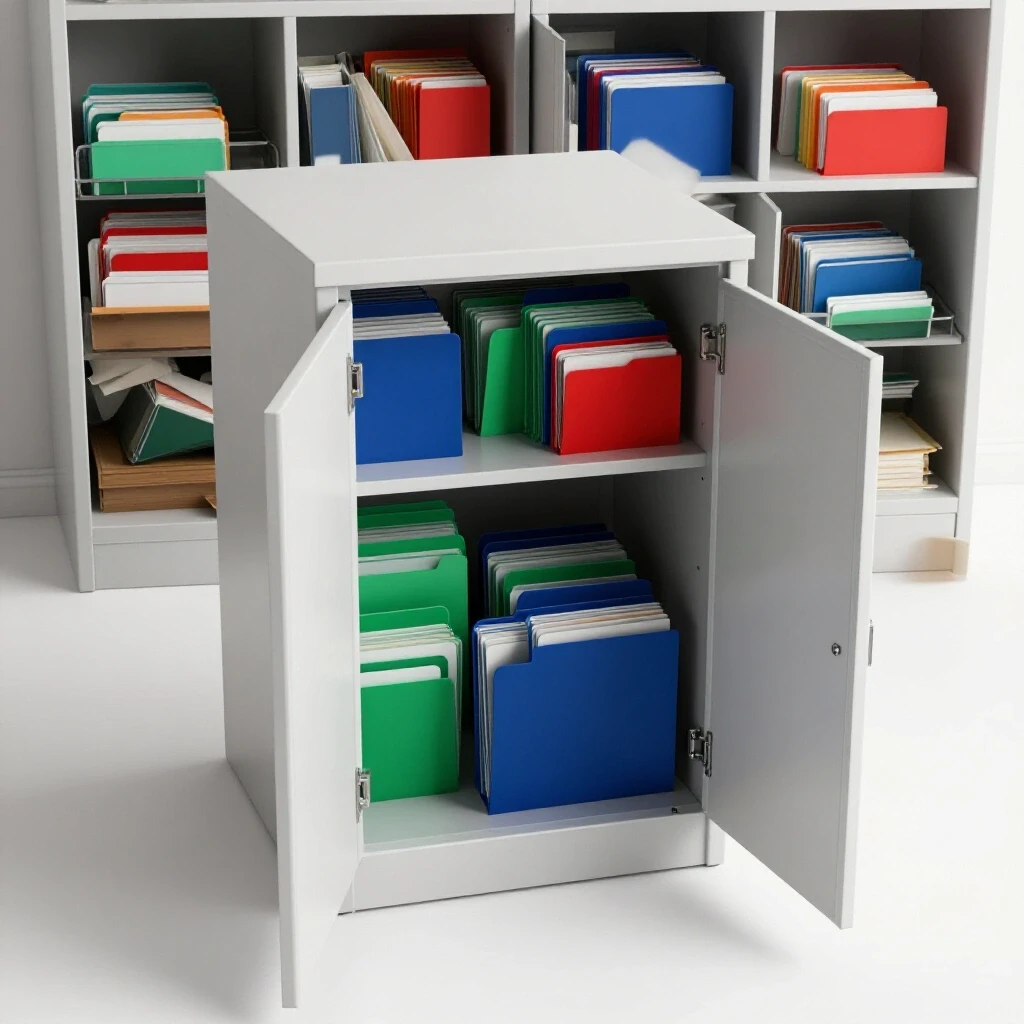
- Adjustable Shelving: If you are using a bookshelf, move the shelves to create a slim “paper slot” specifically for flat projects. This maximizes vertical space utilization.
Building Sustainable Habit Loops for the Whole Family
A habit loop consists of a cue, a routine, and a reward. In the context of reducing household clutter, the “cue” is the child arriving home with a backpack. The “routine” is placing the art in the Holding Station. The “reward” is a clear, functional dining table where the family can eat without moving piles of paper.
To make this stick, the system must be simple enough for a five-year-old to follow. In my experience, children are surprisingly good at following logistical flows if the “bins” are clearly marked and easy to reach. We use a color-coded system: blue for my eldest, green for my youngest.
Daily and Monthly Maintenance Timelines
Consistency is more important than intensity. You do not need a “perfect” system; you need a system that survives a bad week.
- Daily (2 minutes): Empty backpacks and place all paper in the Holding Station.
- Weekly (5 minutes): Rotate one item from the Holding Station to the Gallery display.
- Monthly (15 minutes): Move the contents of the Holding Station to the Vault and organize by date.
- Yearly (30 minutes): Review the Vault and ensure everything is labeled correctly for long-term storage.
Measuring the Success of Your Storage System
In logistics, we measure success through metrics. You can do the same for your home. If you find that paper is still accumulating on the counters, your “flow rate” is off, or your “retrieval friction” is too high.
Standard Metrics for Art Management: – Sorting Time: Should not exceed 20 minutes per month. – Retrieval Steps: Should be 3 steps or fewer for daily items. – Space Utilization: Archives should occupy no more than 5% of your total closet volume. – Item Density: Aim for 50 to 100 sheets per inch of storage depth in your Vault.
Common Mistakes in Managing Creative Archives
One of the biggest mistakes I see is the “perfection trap.” Parents try to create beautiful, color-coordinated scrapbooks for every single doodle. This is not sustainable for a busy professional. It creates a massive backlog of “work to be done,” which adds to your mental fatigue.
Another mistake is using containers that are too small. When you have to fold or cram a drawing into a box, you increase the friction of the system. Always choose a storage footprint that is slightly larger than your largest common item (typically 12×18 inches for school art).
Finally, avoid “hidden” storage. If the Vault is buried under holiday decorations in the attic, you will never put things away. Keep your long-term preservation units in a location that is accessible within 60 seconds.
Case Study: The Bennett Family System Redesign
Two years ago, our “system” was a pile of paper on top of the refrigerator. It was high-friction (I needed a step stool), disorganized, and visually stressful. We implemented a “Vertical Flow” model.
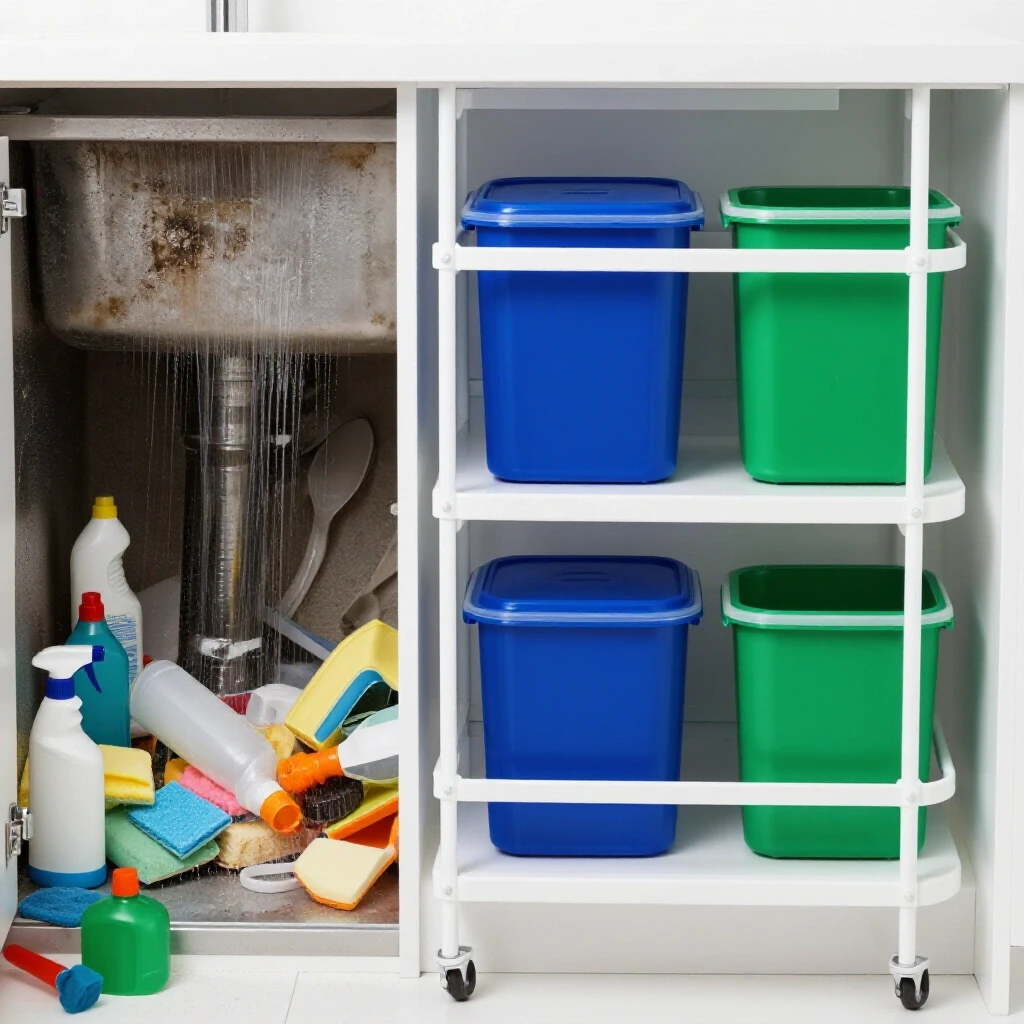
We installed three wall-mounted metal bins in the hallway. Each bin was a DIY project: we spray-painted them to match our decor and added large, clear nameplates. This reduced our retrieval friction from a “5” (get stool, climb, sort, descend) to a “1” (drop paper in slot).
As a result, our kitchen remained clear for the first time in years. The mental fatigue of seeing that “to-do” pile disappeared. We also noticed that our children took more pride in their work because they knew exactly where their “best” pieces would be displayed in the Gallery frames.
Final Steps Toward a Functional Living Space
Starting your decluttering journey doesn’t require a total home overhaul. Begin with a single “Holding Station.” Find a tray or a basket today and declare it the only place where new paper lives. This simple act of zoning will immediately reduce the visual noise in your main living areas.
Next, look at your current storage containers. If they have lids that are hard to open or if they are stored in hard-to-reach places, move them. Low-maintenance organization is about making the right choice the easiest choice. By reducing the physical steps required to manage your family’s creative output, you create a home that supports your busy life rather than adding to your stress.
Quick Start Checklist:
- Identify one “Holding Station” location near the entryway.
- Select three “Gallery” spots for active display.
- Purchase or DIY one large-format “Vault” container for long-term archives.
- Set a recurring monthly calendar alert for a 15-minute sorting sprint.
Frequently Asked Questions
How do I handle very large or 3D craft projects?
For three-dimensional items, use a “Shadow Box” approach or a deep-shelf zoning strategy. I recommend DIY-modifying a standard bookshelf by adding a “lip” to the front of one shelf to prevent items from sliding off. This creates a dedicated “3D Gallery” that keeps bulky items off the floor and tables.
What is the best way to label archives so I can find things later?
Use a standardized “Logistics Label.” Include the child’s name, the year, and the grade level. Place the label on both the front and the spine of your storage unit. This ensures that no matter how the box is oriented on a shelf, you can identify the contents at a glance.
How can I involve my children in the organization process?
Make the “Holding Station” accessible to them. If the bin is at their eye level, they can take responsibility for their own “inbound shipments.” This teaches them the basics of spatial management and reduces the workload on the parents.
My house has very little storage space. Where should “The Vault” go?
Utilize “dead space” that is often overlooked. This includes the area under a bed or the very top shelf of a linen closet. Since the Vault is for passive storage, it doesn’t need to be as accessible as the Gallery or the Holding Station. Just ensure it is in a climate-controlled area to prevent paper degradation.
How do I prevent glitter and paint from ruining other items in storage?
Use DIY “Interleaving.” Place a single sheet of inexpensive parchment paper or wax paper between layers of art. This prevents “blocking” (where pages stick together) and contains loose materials like glitter or charcoal within the layers.
What should I do if the “Holding Station” overflows before my monthly sort?
This is a sign that your “inflow rate” is higher than your “processing capacity.” You have two choices: increase the size of the Holding Station or increase the frequency of your sorting sprints. For most busy families, a quick 5-minute “mid-month clear” is the best logistical fix.
How do I manage oversized posters that don’t fit in standard bins?
Use a DIY “Mailing Tube” system for very large items. Roll the poster loosely and secure it with a soft ribbon (not a rubber band, which can damage the paper). Label the outside of the tube and store it vertically in a corner of a closet to save floor space.
Why does my home still feel cluttered even when I have bins?
This is likely due to “Visual Weight.” If your bins are all different colors, sizes, and styles, they create visual noise. To fix this, use uniform containers or DIY-wrap your existing bins in the same neutral-colored contact paper. This creates a cohesive look that reduces mental fatigue.
Is it better to store art by child or by year?
From a logistical standpoint, storing by child is more efficient for retrieval, while storing by year is better for tracking developmental progress. I recommend a hybrid: one large “Vault” per child, with internal dividers separating the years.
How do I handle art that is made on unconventional materials like cardboard or wood?
Treat these as “High-Volume Assets.” They require a dedicated shelf zone rather than a bin. Use DIY “Shelf Dividers” made from sturdy cardboard to keep these items upright, which prevents them from becoming a messy pile and makes them easier to browse.
(This article was written by one of our staff writers, Christopher Bennett. Visit our Meet the Team page to learn more about the author and their expertise.)