How to Arrange Awkward Floor Plans for Comfortable Living (Guide)

Have you ever stood in the center of a new living room, staring at a giant sofa that suddenly looks like a boulder in a stream, wondering how you will ever make the space feel like home? I have stood in that exact spot four times over the last 19 years. Each move, from a wide suburban house to a narrow urban townhouse, taught me that the hardest part of relocating isn’t the heavy lifting. It is the mental and physical puzzle of making your old life fit into a brand-new, often strangely shaped environment.
In my nearly two decades of navigating cross-country moves with a growing family, I have learned that spatial layout is more than just where the chairs go. It is the intentional arrangement of your belongings to support how you actually move, breathe, and interact. When we moved into our third home, a 1920s bungalow, we were met with a “pass-through” bedroom and a kitchen with five different doorways. It felt impossible. But by focusing on environmental transitions—the process of habituating to a new space—we turned those architectural quirks into functional zones that worked for our daily routines.
Analyzing the Footprint of Your New Home
A spatial layout audit is the process of measuring your new environment’s physical limits and identifying how traffic will flow between rooms. This step is vital because it prevents the common mistake of forcing a large-scale furniture set into a room with narrow circulation paths. By understanding the “why” behind your room’s shape, you can plan for comfort rather than clutter.
When I talk about structural scale, I am referring to the relationship between the size of a room and the objects within it. In our second move, I ignored the scale of our new dining area. I assumed our heavy oak table would fit because the square footage was technically enough. However, I didn’t account for the “swing space” needed for the back door. We spent three weeks squeezing past chairs until I finally mapped out the actual walking paths.
- Circulation Paths: These are the invisible “roads” in your home where people walk. You need at least 30 to 36 inches of width for a comfortable hallway or walkway.
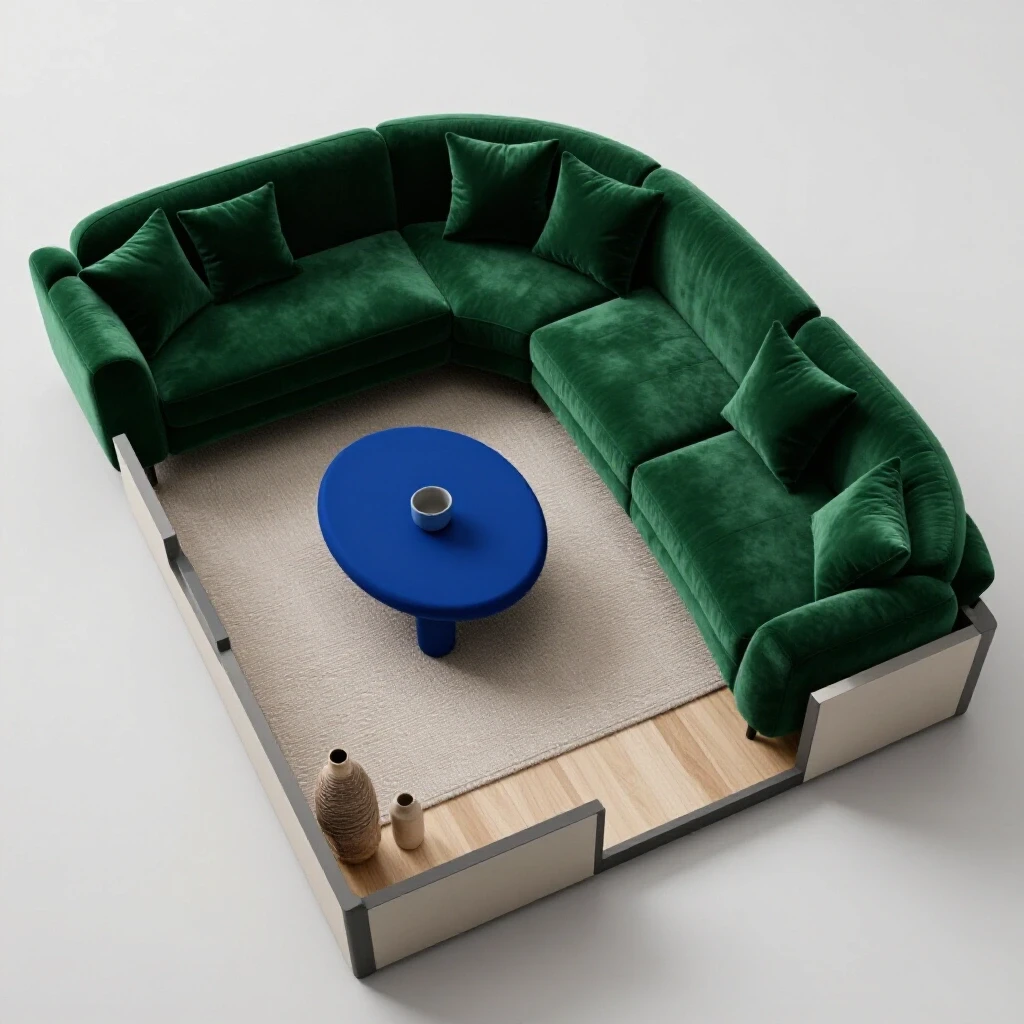
- Visual Weight: This refers to how “heavy” a piece of furniture looks. A dark, solid velvet sofa feels heavier than a light-colored one with visible legs, even if they are the same size.
- Zoning: This is the act of dividing a single room into multiple functional areas using rugs, lighting, or furniture placement.
Why Blind Furniture Placement Fails—And How to Draft Your First Spatial Layout Blueprint
A spatial layout blueprint is a scaled drawing or digital map of your new home that includes all permanent fixtures like radiators, windows, and outlets. Creating this before you move prevents the physical exhaustion of shifting heavy furniture multiple times. It allows you to see where your existing pieces will create “choke points” in the daily flow of your household.
In my experience, the biggest stressor during a home transition is the “trial and error” method of decorating. We once spent an entire Saturday moving a sectional sofa to four different corners, only to realize it blocked the heater in every single one. If I had used a simple home moving checklist that included a floor plan sketch, we would have known to sell that sofa before the moving truck even arrived.
| Room Type | Common Awkward Feature | Recommended Fix | Clearance Margin |
|---|---|---|---|
| Living Room | Off-center fireplace | Use “floating” furniture away from walls | 18 inches (coffee table to sofa) |
| Bedroom | Multiple doors/windows | Place bed on the longest solid wall | 24 inches (sides of bed) |
| Dining Area | Narrow “galley” shape | Use a round table or a narrow bench | 36 inches (table to wall) |
| Entryway | No defined foyer | Use a low console and a rug to “zone” it | 42 inches (entry width) |
Mastering Scale and Flow in Challenging Room Shapes
Spatial layout adaptation is the strategic adjustment of furniture and decor to overcome irregular architectural features like slanted ceilings or narrow footprints. This is necessary because most furniture is designed for standard rectangular rooms, which many modern or historic homes lack. Adapting your layout ensures that every square foot serves a purpose.
When we moved into a home with a long, narrow “bowling alley” living room, I felt defeated. The space felt cold and cavernous. I eventually learned to break the room into two distinct zones: a cozy conversation area and a small home office. By placing a open-backed bookshelf perpendicular to the wall, I created a visual divider that didn’t block the light. This is a classic example of how to handle a small room furniture layout without making it feel cramped.
- The Rule of Thirds: Divide a long room into three equal sections and assign a different function to at least two of them.
- Vertical Space: In rooms with small floor footprints, use tall shelving or wall-mounted desks to keep the floor clear.
- Multi-functional Pieces: Use ottomans that double as storage or nesting tables that can be tucked away when not in use.
Strategic Furniture Placement for Irregular Walls
Adapting your furniture to angled walls or “cut-out” corners requires a shift in how you view the perimeter of a room. Instead of pushing every piece of furniture against a wall, try “floating” items in the center of the space. This creates a clear walking path around the edges and makes the room feel more intentional.
- Identify the Focal Point: This could be a window, a fireplace, or even a large piece of art.
- Map the Traffic: Ensure no furniture blocks the natural path from the entrance to the exit.
- Use Rugs to Define Borders: A large area rug acts as an “anchor,” telling the eye where a specific zone begins and ends.
- Check the Clearance: Ensure you have 12 to 18 inches between a sofa and a coffee table for legroom.
Establishing Functional Zones for Daily Life
Functional zoning is the practice of organizing your home based on the activities that happen there rather than just the names of the rooms. This is important during a home transition because your old routines may not fit the new floor plan. Zoning helps you establish new habits quickly, reducing the “where is my stuff?” friction that causes moving stress.
During our fourth move, my kids were older and needed a place for homework that wasn’t the kitchen table. We had a strange nook under the stairs that most people would use for storage. Instead, we turned it into a “launchpad” with a small desk and hooks for backpacks. This simple home transition planning move kept the rest of the house organized and gave the kids a predictable routine.
- The Launchpad: A zone near the front door for keys, bags, and shoes to prevent morning chaos.
- The Command Center: A central spot for calendars, mail, and chargers.
- The Rest Zone: Areas strictly for relaxation, free from work-related clutter.
First-Month Spatial Adjustment Timeline
Adjusting to a new home is a marathon, not a sprint. Research into housing adaptation suggests that it takes about 21 to 60 days for a new environment to feel “normal.” Setting a timeline helps manage expectations and prevents the urge to finish everything in the first weekend.
| Phase | Focus Area | Key Task |
|---|---|---|
| Week 1 | Essential Systems | Unpack kitchen, beds, and “launchpad” zone. |
| Week 2 | Flow Testing | Observe where people “clog” the hallways; adjust furniture. |
| Week 3 | Storage Solutions | Set up closets and long-term organization. |
| Week 4 | Personalization | Hang art and refine the neighborhood community building plan. |
Building Community Beyond the Front Door
Neighborhood community building is the intentional effort to connect with your new surroundings and the people living there. While the interior of your home is important, your “extended living room” is the neighborhood itself. Feeling isolated is a major pain point for movers, so integrating into the local culture is key to a successful transition.
When we moved cross-country, I made a point to walk the dog at the same time every evening. This simple routine led to “fence-line chats” with neighbors. I also looked for local “third places”—coffee shops or parks—where I could become a “regular.” This new home adjustment guide isn’t just about rugs and chairs; it’s about feeling like you belong in your new zip code.
- The “Front Yard” Strategy: Spend time in your front yard or on your porch to signal that you are open to meeting people.
- Local Exploration: Visit a new local business every week for the first month.
- Join Digital Groups: Use neighborhood apps to find out about local events or “buy nothing” groups.
Essential Tools for Navigating a Home Transition
Having the right resources can significantly lower the stress of a move. These tools help you visualize your space and track your progress so you don’t feel overwhelmed by the logistics.
- MagicPlan or RoomScan Pro: These apps allow you to create floor plans simply by walking around the room with your phone.
- Sortly: A visual inventory app that helps you track what is in every box so you don’t have to open ten boxes to find the toaster.
- Trello or Notion: Use these for a digital home moving checklist to share tasks with family members.
- Nextdoor: A platform for connecting with neighbors and finding local service recommendations.
- Blueprints and Measuring Tape: Never underestimate the power of a physical 25-foot tape measure and a roll of painter’s tape to “draw” furniture on the floor.
Practical Next Steps for a Smooth Transition
Making a new house feel right takes patience and a willingness to experiment. Start by measuring your largest pieces of furniture and comparing them to the “clearance margins” of your new rooms. If a piece doesn’t fit the flow, consider selling it or repurposing it in a different room.
Remember that your first layout doesn’t have to be your permanent one. I usually recommend living with a furniture arrangement for at least two weeks before making any major changes. This gives you time to see how the light hits the room and where the natural “traffic jams” occur. Focus on the “launchpad” and the kitchen first, as these areas drive your daily routine.
Finally, be kind to yourself. Moving is one of the most stressful life events. By using a structured approach to your spatial layout and neighborhood integration, you can turn that stress into a sense of agency and excitement for your new chapter.
Frequently Asked Questions
What should I do if my sofa is too big for the only wall in the living room? If your sofa won’t fit against a wall, try “floating” it in the center of the room. This creates a walkway behind the sofa, which can actually make a room feel larger. Ensure you have at least 30 inches of space behind the sofa for people to walk comfortably. If the back of the sofa is unsightly, place a slim console table behind it.
How do I handle a room with too many doors and windows? In rooms with limited wall space, look for the “primary” wall—usually the one opposite the main entrance. If you must place furniture in front of a window, choose low-profile pieces like a bed with a simple headboard or a low bench. Avoid blocking more than 25% of the window’s height to maintain natural light.
What are the most important measurements to know before moving in? Beyond the room dimensions, you must measure the width and height of all doorways, hallways, and stairwell turns. A standard doorway is usually 32 to 36 inches wide. Also, measure the height of windowsills and the location of all electrical outlets and air vents to ensure your furniture doesn’t block them.
How can I make a long, narrow room feel less like a hallway? Break the room into two or three functional zones using rugs. For example, place a rug under a seating area at one end and another rug under a small desk or play area at the other. Use round furniture, like a circular coffee table, to “break” the long, straight lines of the walls.
How do I prioritize which rooms to unpack first? The “Rule of Three” suggests focusing on the kitchen, the primary bedroom, and the main bathroom. Having a functional place to cook, a comfortable place to sleep, and a clean place to wash will significantly reduce your stress levels during the first 72 hours of the move.
How much space do I need between a dining table and the wall? You should aim for at least 36 inches between the edge of the table and the nearest wall or piece of furniture. This allows enough room for a person to sit and for someone else to walk behind them. If space is tight, consider a dining bench that can be tucked under the table when not in use.
What is the best way to meet neighbors without being intrusive? The “consistent presence” method works best. Spend time in common areas at the same time each day, such as walking the dog or checking the mail. Small, low-pressure interactions like a wave or a comment about the weather are the building blocks of neighborhood community building.
How do I deal with a “pass-through” room where people have to walk through to get elsewhere? Create a dedicated “travel lane” by keeping all furniture on one side of the room. Use a runner rug to define the walking path. This prevents people from walking directly through the middle of a conversation or a movie-watching area.
Is it worth buying new furniture specifically for an awkward layout? Wait at least 30 days before buying new furniture. This allows you to understand the “rhythm” of the house. You might find that a piece you thought was “essential” isn’t actually needed, or that a different type of storage would work better for your daily habits.
How can I use lighting to fix a weird floor plan? Lighting can define zones without using physical barriers. Use a floor lamp to “anchor” a reading chair or a pendant light to define a dining area. Avoid relying solely on overhead “boob” lights, which can make a room feel flat and emphasize awkward corners.
(This article was written by one of our staff writers, Kevin Thompson. Visit our Meet the Team page to learn more about the author and their expertise.)