Mood Board vs Real Samples: Making Informed Material Choices (Guide)

Imagine standing in your kitchen on a bright Tuesday morning, coffee in hand, looking at a countertop that looked perfect on your laptop screen but now feels strangely “off” in your actual home. I have spent 13 years analyzing supply chains and evaluating home materials, yet I once made the mistake of trusting a digital preview over a physical specimen. The light in my kitchen turned a “neutral gray” tile into a sickly lavender, a detail no high-resolution image could have predicted. This disconnect between a visual plan and the physical reality of materials is where many homeowners lose the battle for durability and aesthetic harmony.
Why Technical Specifications Outperform Visual Previews
Technical specifications provide a measurable baseline for how a material will behave under stress, moisture, and light. While a digital image captures color and pattern, it cannot convey the density, thermal conductivity, or surface friction of a material. Relying on verified data ensures that your choice survives daily life, not just the initial installation.
In my professional experience, the most common error is prioritizing a visual match over a performance rating. For instance, a digital mockup might show a beautiful marble-look floor, but it won’t tell you the Coefficient of Friction (COF). If the COF is below 0.42, that floor becomes a significant slip hazard when wet. When I evaluate materials for my own properties, I look at the ASTM (American Society for Testing and Materials) ratings first. These ratings are the “truth” behind the marketing, offering an objective look at how a material handles abrasion, water, and weight.
Building on this, we must understand the “what” and “why” of material science. Material science is the study of how the structure of a material at the molecular level dictates its macroscopic properties. For homeowners, this means understanding why a material like quartz is non-porous (due to resin binders) while granite is porous (due to its natural crystalline structure). Knowing the “why” helps you predict how a material will react to a spilled glass of red wine or a hot pan.
The Physical Specimen: A Critical Verification Tool
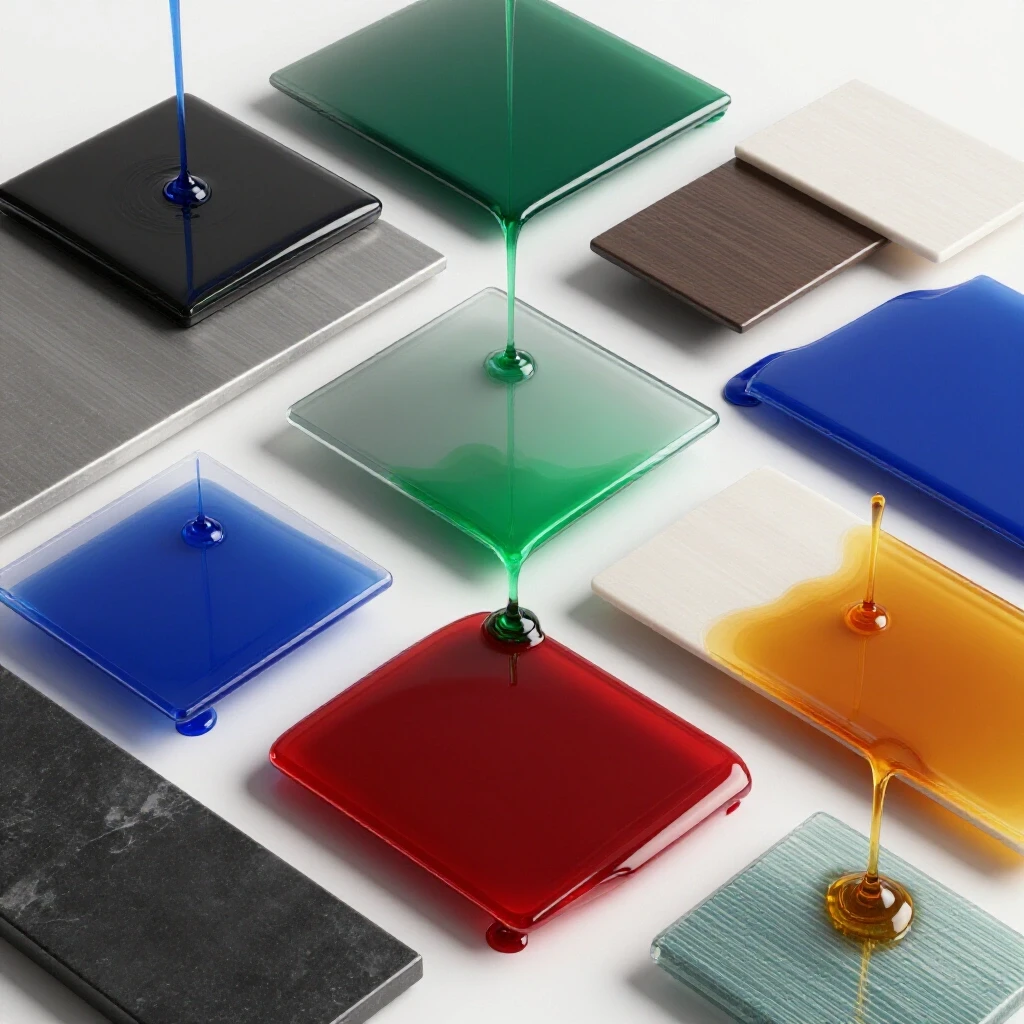
A physical specimen is a small, representative piece of the actual material you intend to install. It allows for hands-on testing of texture, light reflection, and durability that a digital image simply cannot replicate. Verification through physical samples is the only way to confirm that the technical specs listed on a sheet match the product in your hand.
During a renovation three years ago, I ordered several “high-durability” luxury vinyl plank (LVP) samples. On screen, they all looked identical. However, once the physical specimens arrived, I used a simple scratch test with a metal key. One sample, despite claiming a 20-mil wear layer, scuffed immediately. A “mil” is a unit of measurement equal to one-thousandth of an inch, used to define the thickness of the protective top layer on flooring. By testing the physical sample, I discovered a manufacturing variance that saved me from installing a floor that would have failed within months.
How to Conduct a Home Performance Test
- The Stain Test: Place lemon juice, red wine, and oil on the sample for 24 hours.
- The Impact Test: Drop a heavy object, like a screwdriver, from counter height to check for chipping.
- The Light Shift: Observe the sample at 8:00 AM, 12:00 PM, and 8:00 PM under your actual home lighting.
- The Texture Check: Run a damp cloth over the surface to see if it catches fibers or feels uncomfortably rough.
Understanding Hardness and Abrasion Resistance
Hardness refers to a material’s resistance to permanent indentation or scratching, often measured by the Mohs scale for minerals or the Janka scale for wood. Abrasion resistance is the ability of a surface to withstand wear from friction, such as foot traffic or cleaning. These metrics are vital for determining if a material is suitable for high-traffic areas.
Interestingly, many people confuse hardness with toughness. A diamond is hard but brittle; a piece of rubber is soft but tough. In your home, you need a balance. For example, I often reference the Janka Hardness Scale when comparing wood species. This test measures the force required to embed a 0.444-inch steel ball halfway into a piece of wood. A high Janka rating, like 1820 for Hickory, means the floor will resist dents from dropped toys or high heels much better than White Pine, which sits at a lowly 380.
| Material Type | Testing Standard | Metric to Watch | High Performance Range |
|---|---|---|---|
| Natural Stone | ASTM C170 | Compressive Strength | >19,000 psi (Granite) |
| Wood Flooring | Janka Scale | Pounds-Force (lbf) | >1,200 lbf |
| Floor Tile | ASTM C1027 | PEI Rating | Class 4 or 5 |
| Countertops | Mohs Scale | Mineral Hardness | 6 to 7 |
Evaluating Porosity and Absorption Rates
Porosity is the measure of void spaces in a material, expressed as a percentage of the total volume. In a home setting, high porosity means a material will absorb liquids, leading to stains, bacterial growth, or structural damage over time. Understanding absorption rates is the key to predicting a material’s long-term maintenance needs.
As a result of my work in supply chain quality control, I always check the ASTM C97 absorption rate for stone. If a stone has an absorption rate higher than 0.5%, it is considered “porous” and will require regular sealing. Digital images often show marble as a pristine, white surface. In reality, marble is highly porous and chemically reactive to acids. If you spill orange juice on a marble sample, the “etching” you see is a chemical reaction that changes the physical texture of the stone. This is a detail you can only truly appreciate by testing a physical specimen yourself.
Key Maintenance Cycles Based on Porosity
- Low Porosity (Quartz): Requires only daily wiping with mild soap.
- Medium Porosity (Sealed Granite): Requires resealing every 12 to 24 months.
- High Porosity (Unsealed Travertine): Requires immediate sealing and frequent re-application.
The Role of Metamerism in Material Selection
Metamerism is a phenomenon where two colors appear to match under one light source but look different under another. This is caused by the different spectral power distributions of light sources like LEDs, incandescent bulbs, and natural sunlight. It is the primary reason why a material that looks perfect in a showroom or on a screen looks wrong in your home.
I once evaluated a high-end cabinetry finish for a project. In the showroom’s “cool” 4000K LED lighting, the cabinets looked like a crisp, modern white. However, when I brought a physical sample into the client’s home, which used “warm” 2700K lighting, the cabinets took on a muddy, yellow hue. This is why I insist on viewing physical specimens in the specific environment where they will be installed. You cannot calibrate a digital screen to perfectly mimic the unique light bounce of your home’s windows and interior paint.
Why Higher Upfront Specs Don’t Always Mean Better Performance
In the world of material science, “over-speccing” can sometimes lead to unnecessary maintenance or poor lifestyle fit. A material with a very high hardness rating might be more prone to cracking because it lacks flexibility. It is essential to match the technical capabilities of a material to the specific demands of your household.
Building on this, consider the trade-off between a 22-gauge stainless steel sink and a 16-gauge sink. In the world of steel, a lower gauge number means a thicker material. A 16-gauge sink is thicker and quieter, but it is also much heavier. If your cabinetry isn’t reinforced to handle that weight, the “better” material could cause structural failure. I always look for the “sweet spot” where the technical specs meet the practical requirements of the installation.
Technical Trade-off Matrix
- Hardness vs. Brittleness: Extremely hard tiles may crack if the subfloor has even slight flex.
- Thickness vs. Weight: Thicker stone slabs require more robust (and expensive) support structures.
- Sealant Longevity vs. Breathability: Some high-tech sealers prevent staining but can trap moisture inside the stone, leading to “spalling” or surface flaking.
Comparing Advanced Composites and Modern Materials
Modern materials, such as sintered stone and high-pressure laminates, are engineered to solve the weaknesses of natural products. Sintered stone, for example, is made by subjecting minerals to immense pressure and heat (mimicking the metamorphic process) to create a surface that is nearly non-porous and highly heat-resistant.
When comparing these to natural options, the data is clear. Sintered stone often has a water absorption rate of less than 0.1%, making it superior to almost any natural stone in terms of stain resistance. However, because it is so dense and thin (often 6mm to 12mm), it requires specialized installation techniques. I’ve seen many homeowners choose these materials based on a digital catalog, only to find that the physical sample feels “clinical” or “cold” compared to the natural variation of granite.
Practical Steps for Verifying Your Selection
- Request “Current Batch” Samples: Materials like stone and wood vary by lot; ensure your sample is from the same run you will receive.
- Use a Digital Caliper: Measure the thickness of your samples to ensure they meet the advertised millimeter or gauge standard.
- Perform a “Real Life” Cleaning Test: Use your preferred household cleaner on the sample to ensure it doesn’t dull the finish.
- Check the “Edge Profile”: Look at the side of the sample to see if the color goes all the way through (body-matched) or is just a surface print.
Long-Term Durability vs. Maintenance Labor
The true value of a material is found in the balance between its lifespan and the labor required to keep it functional. A material that lasts 50 years but requires monthly professional maintenance may be less desirable than a 20-year material that only needs a damp cloth.
In my 13 years of analysis, I’ve found that homeowners often underestimate the “maintenance tax.” For example, a solid hardwood floor can be sanded and refinished multiple times (a high-value durability trait). However, it requires strict humidity control (between 30% and 50%) to prevent gapping or cupping. If you aren’t prepared to manage your home’s climate, a high-quality engineered wood with a thick wear layer might actually provide better long-term performance.
15-Year Performance Outlook
- Quartz: Zero structural maintenance; potential for edge chipping if struck by heavy pans.
- Granite: Requires 7-10 sealing applications; high resistance to heat and scratches.
- Luxury Vinyl Plank: Zero maintenance; will likely need replacement after 15 years due to wear-layer depletion.
- Engineered Hardwood: Requires climate control; one professional refinishing likely needed at year 10.
Final Recommendations for Confident Decision Making
To avoid the common pitfalls of visual-only planning, you must become a temporary student of technical standards. Never finalize a major material purchase without a physical specimen in your hand and a spec sheet in your inbox. Use the data to narrow your choices, then use the physical sample to confirm your intuition.
By focusing on metrics like Mohs hardness, ASTM absorption rates, and Janka ratings, you move away from guesswork and toward an evidence-based home. This systematic approach ensures that your home doesn’t just look good on day one but continues to perform for a decade or more.
Frequently Asked Questions
How does light metamerism affect my material choice? Metamerism occurs when the chemical pigments in a material react differently to various light spectrums. A sample may look gray in a showroom (which often uses 4000K-5000K “cool” bulbs) but look brown or purple in your home (which may use 2700K “warm” bulbs). Always view physical samples in your home’s specific lighting at different times of the day to ensure the color remains consistent.
What is the difference between a “mil” and a “millimeter” in flooring? A “mil” is one-thousandth of an inch (0.001 inch) and is used to measure the wear layer (the clear protective top coat) of vinyl flooring. A “millimeter” (mm) is a metric unit of length used to measure the total thickness of the plank itself. A thick plank (8mm) is more stable, but a thick wear layer (20-mil) is what actually prevents scratches.
Why does my physical sample look different from the online photo? Digital images are subject to screen calibration, studio lighting, and post-processing. Furthermore, natural materials like stone and wood have inherent “veining” and “grain” variations. A small online thumbnail cannot capture the full range of a natural slab, which is why seeing a physical specimen from the current “lot” or “batch” is essential.
What is a “PEI Rating” and why should I care? The Porcelain Enamel Institute (PEI) rating measures the abrasion resistance of ceramic and porcelain tile. It ranges from 1 (lightest duty, like walls) to 5 (heavy commercial traffic). For most home floors, you should look for a PEI rating of 3 or 4 to ensure the surface doesn’t dull from foot traffic over time.
Is quartz truly maintenance-free compared to granite? Quartz is “low maintenance” because it is non-porous and never needs sealing. However, it is not “indestructible.” The resins used in quartz can melt or discolor if exposed to high heat (above 300°F), whereas granite is naturally heat-resistant. The trade-off is between granite’s need for periodic sealing and quartz’s sensitivity to hot pans.
How can I test the scratch resistance of a sample at home? You can perform a simplified version of the Mohs test. Try scratching the surface with a copper penny (hardness 3), a steel nail (hardness 5.5), and a masonry drill bit (hardness 8.5). If a steel nail scratches your “quartz” sample, it may actually be a softer material or have a low-quality resin binder.
What does “rectified tile” mean in a technical spec? Rectified tiles are fired and then mechanically ground to a precise size with perfectly 90-degree edges. This allows for very thin grout lines (1/16 inch or less). Non-rectified tiles have slight size variations and require wider grout lines to hide those inconsistencies.
How thick should a wear layer be for a home with pets? For a household with active pets, a wear layer of at least 20-mils is recommended for luxury vinyl plank. This provides a thicker barrier against claw scratches. For engineered hardwood, look for a “lamella” (top wood layer) of at least 3mm to 4mm, which allows for at least one full sanding and refinishing in the future.
What is ASTM C97 and why is it important for countertops? ASTM C97 is the standard test method for absorption and bulk specific gravity of dimension stone. It tells you exactly how much water a stone will soak up. A lower percentage means the stone is denser and less likely to stain or harbor bacteria, which is critical for kitchen hygiene and long-term aesthetics.
Can I trust the “lifetime warranty” on home materials? Most “lifetime” warranties are limited and cover only manufacturing defects, not “wear and tear,” scratching, or improper maintenance. Always read the technical “Exclusions” section of a warranty. Often, the warranty is only valid if you use specific cleaning products or follow a documented installation protocol.
(This article was written by one of our staff writers, Andrew Morrison. Visit our Meet the Team page to learn more about the author and their expertise.)