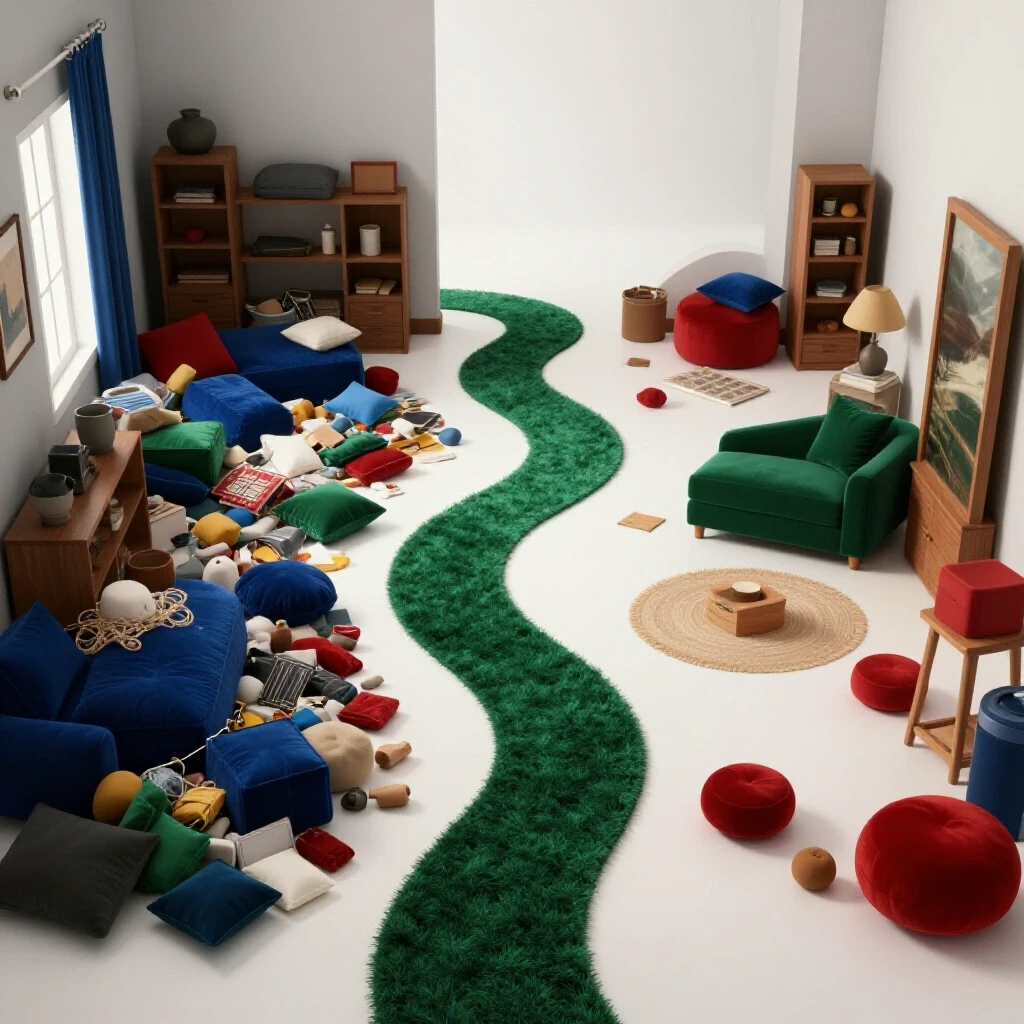
How to Organize Your Home During Pregnancy (Step-by-Step Guide)

Managing a household requires the same precision as a professional warehouse. Over my 11 years in operations and logistics, I have learned that clutter is rarely a lack of effort. Instead, it is a failure of the system to handle the “flow rate” of items entering and leaving the home. When a family prepares for a new arrival, the volume of incoming goods increases dramatically, often overwhelming existing storage. My goal is to help you build a low-friction environment that supports your daily life without requiring constant, exhausting upkeep. By applying industrial spatial principles, we can create a home that remains functional even during the most demanding life transitions.
Analyzing Spatial Logistics for Life Transitions
Spatial logistics involves the study of how physical environments support or hinder human movement and task completion. In a home preparing for a new family member, this means auditing current layouts to identify bottlenecks where items accumulate. We calculate the spatial capacity of each room to ensure that new inventory does not exceed the available storage volume.
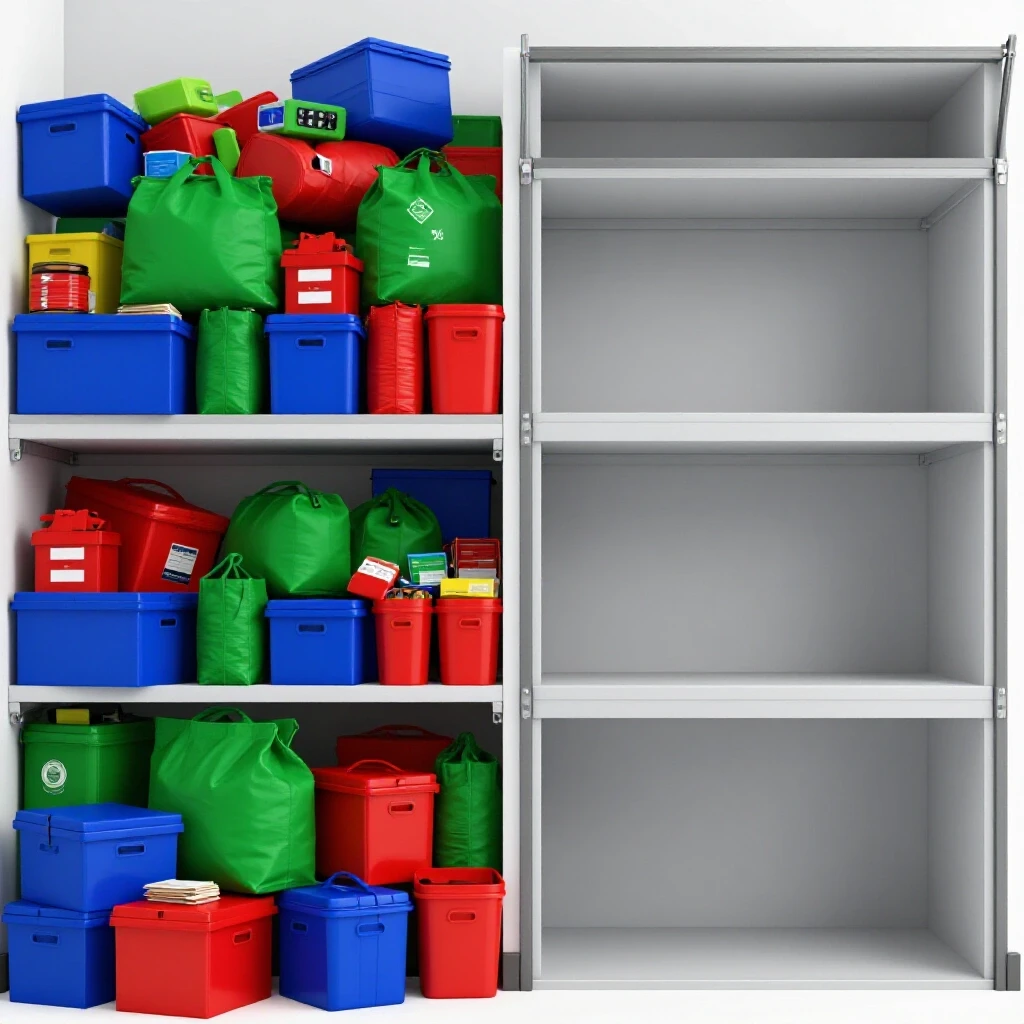
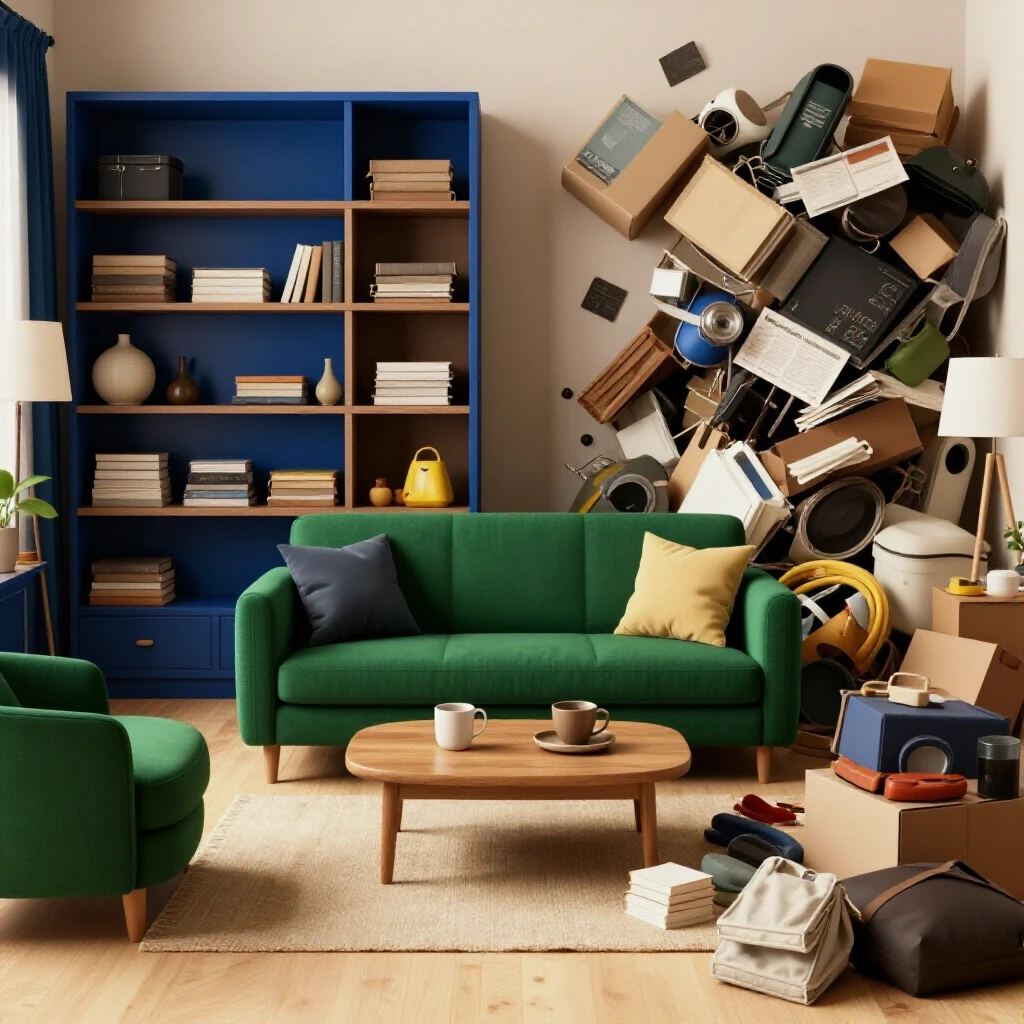
When my family was preparing for our first child, I noticed that our living room became a graveyard for boxes and gear. In logistics, we call this a “bottleneck.” The items were entering the house faster than we could assign them a permanent home. Research in environmental psychology suggests that visual clutter increases cortisol levels, which leads to mental fatigue. This is particularly true during major life changes when your cognitive load is already high.
To fix this, we performed a spatial audit. We measured our “high-traffic zones” and identified where “item-stagnation” occurred. We found that our existing home organization systems were designed for a couple, not a growing family. We had to shift our focus from how things looked to how quickly they could be put away. This is the difference between aesthetic and functional storage.
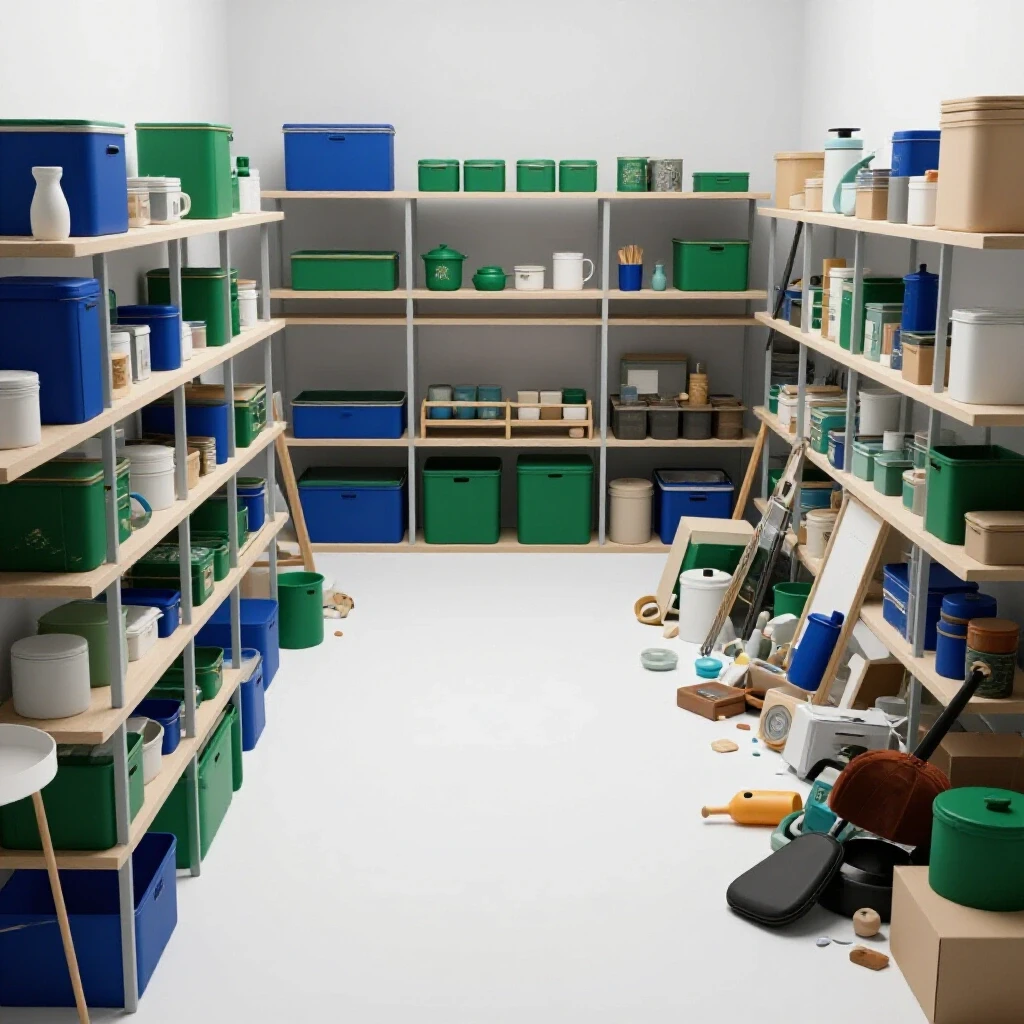
- Spatial Capacity Metric: Aim to keep shelves at 70% capacity. This “buffer” allows for quick retrieval and prevents the “domino effect” where moving one item knocks over three others.
- Visual Overload: Studies show that the human brain can only track a limited number of items in its field of vision before focus begins to drop.
- Flow Rate: This is the speed at which items move from the front door to their designated storage spot.
Implementing a Low-Friction Sorting Framework for Growing Families
A sorting framework is a systematic method for categorizing household goods based on their frequency of use and accessibility requirements. This framework prioritizes “zero-step” storage, ensuring that items needed most often require the least effort to manage. It moves away from complex filing to a more intuitive, proximity-based model.
Sustainable decluttering is not about a one-time purge; it is about managing the “inflow” and “outflow” of goods. During the nesting phase, I implemented a “Three-Bin Logistical Model” in our hallway. This allowed us to sort incoming gifts, hand-me-downs, and purchases immediately.
- Immediate Use: Items needed within the next 24 hours.
- Staging: Items for the new arrival that are not yet needed (e.g., clothes for six months from now).
- Outflow: Items we no longer need that are leaving the house.
By using this model, we reduced our “sorting time” from hours on the weekend to just five minutes every evening. We also tracked our “retrieval friction”—the number of steps it takes to get an item out of storage. If it took more than two steps (like moving a box to open another box), the system was considered a failure.
| Storage Type | Friction Level | Retrieval Steps | Sustainability Rating |
|---|---|---|---|
| Open Bin/Basket | Low | 1 Step | High |
| Lidded Box (Stacked) | High | 4+ Steps | Low |
| Drawer with Dividers | Medium | 2 Steps | High |
| Deep Closet (Unlabeled) | Very High | 6+ Steps | Very Low |
Building High-Efficiency Zoning Maps for Shared Living Spaces
Zoning maps are visual plans that designate specific areas of the home for distinct activities, such as feeding, changing, or resting. Effective zoning reduces “cross-contamination” of items and ensures that every object has a logical, proximity-based home. This prevents the “clutter creep” that happens when items from one room migrate to another.
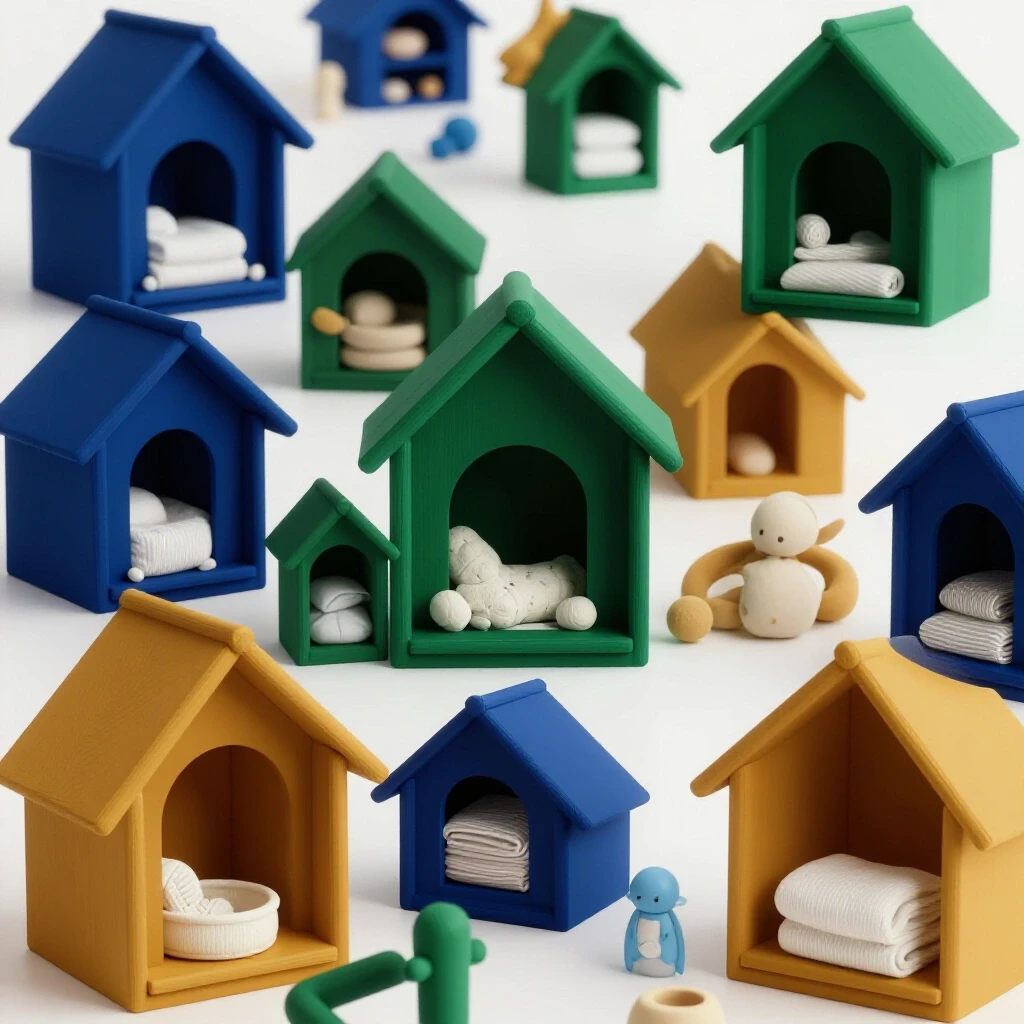
In my home, we created “Micro-Zones” to handle the new logistics of infant care. Instead of having all supplies in one nursery, we placed small “satellite stations” in the living room and our bedroom. Each station was a DIY build using upcycled wooden crates or simple modular shelving we already owned.
This reduced our “daily travel distance” within the house. In a warehouse, every extra foot a worker walks is wasted time. The same applies to a tired parent. If you have to walk across the house every time you need a burp cloth, you are more likely to leave that cloth on the couch. By placing the storage exactly where the task happens, you maintain a tidy home with zero extra effort.
- Zone A (Active): Items used 5+ times a day. These must be within arm’s reach of the task station.
- Zone B (Daily): Items used once a day. These go in drawers or eye-level shelves.
- Zone C (Storage): Items used weekly or monthly. These go on high shelves or in the garage.
Reducing Container Friction with Open-Access Storage Solutions
Container friction refers to the physical or mental resistance encountered when trying to put an item away. High-friction systems, like those requiring specific folding techniques or complex labeling, often fail within days. Low-friction solutions focus on “one-handed” access, allowing items to be dropped into place without opening lids or unstacking containers.
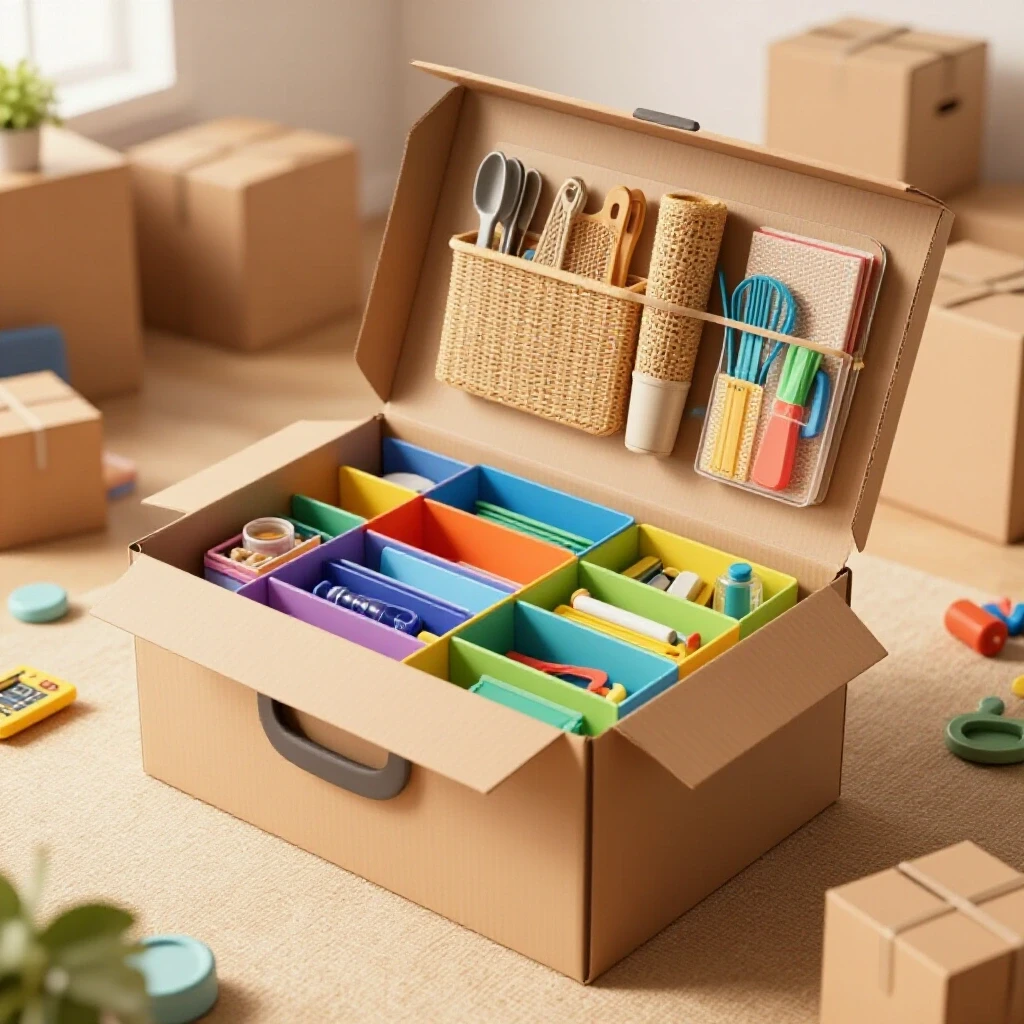
I have seen many families buy expensive, matching sets of lidded bins, only to find the lids sitting on the floor a week later. During our decluttering journey, I realized that lids are the enemy of a tidy home when you are busy. We switched to open-top baskets and DIY cardboard dividers for our drawers.
The “One-Hand Rule” became our standard. If I couldn’t put an item away while holding a sleeping baby, the storage solution was too complex. This simple change in functional home storage drastically reduced the amount of “surface clutter” on our tables and counters. We used industrial-style labeling (large, clear text) so that anyone—including visiting grandparents—knew exactly where things belonged.
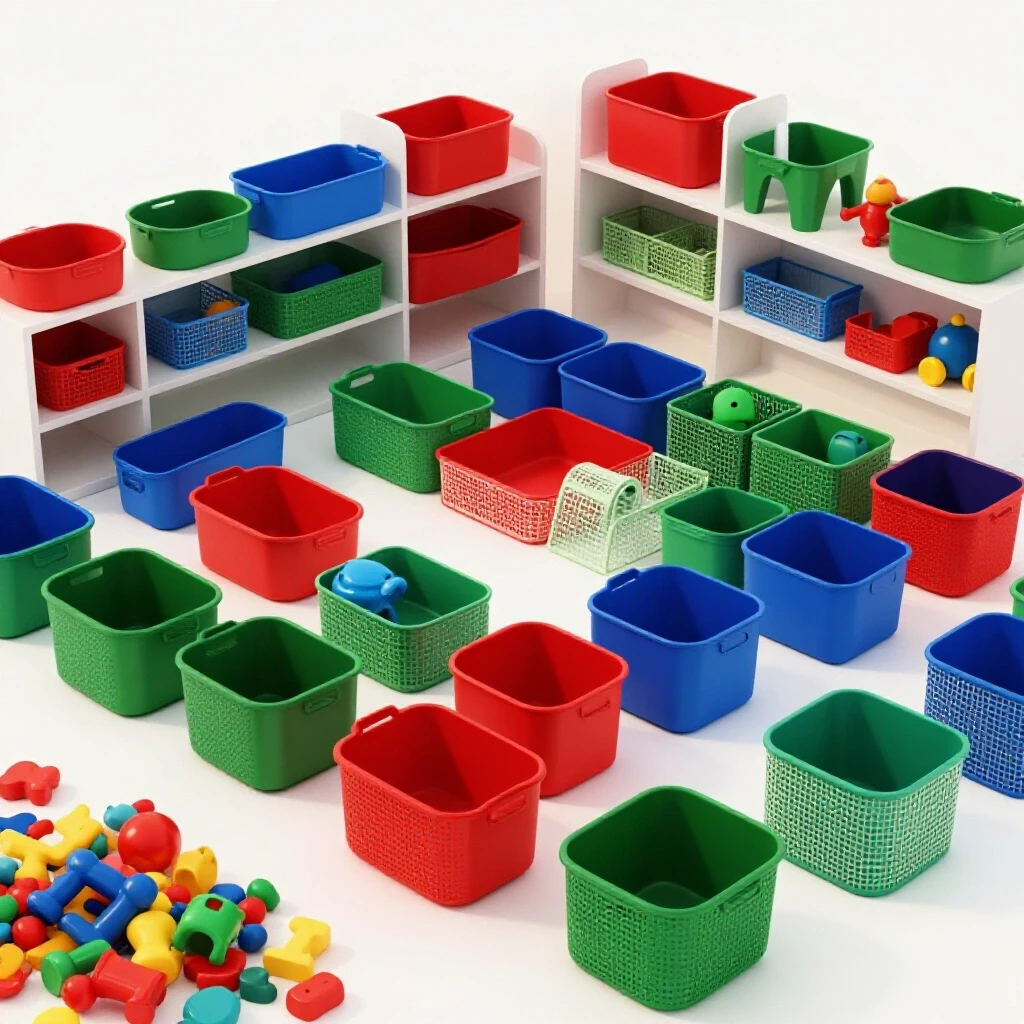
- Remove Lids: For frequently used items like toys or diapers, remove the lids entirely.
- Use Clear Boundaries: Use dividers to prevent items from shifting and mixing within a drawer.
- Standardize Sizes: Use uniform bin sizes where possible so they can be swapped between rooms as needs change.
Establishing Sustainable Maintenance Habit Loops
Habit loops are short, repeatable routines designed to prevent clutter from accumulating over time. These loops focus on “closing the cycle” of an activity, ensuring that the home returns to a baseline state of order every day. Maintenance systems succeed when they are integrated into existing behaviors rather than added as extra chores.
The secret to reducing household clutter isn’t a massive weekend clean; it is the “Five-Minute Reset.” In logistics, we call this “5S” (Sort, Set in order, Shine, Standardize, Sustain). Every evening, my wife and I would spend five minutes returning each zone to its “ready state.”
Because our systems were low-friction, this was easy. We weren’t “cleaning”; we were just resetting the flow. We tracked our “sorting speed” and found that with open bins, we could clear a room in under three minutes. This prevented the mental fatigue that comes from waking up to a messy house.
- Trigger: The “trigger” for our reset was finishing the final feeding of the evening.
- Action: Return all “Zone A” items to their bins.
- Reward: A clear, calm environment for the next morning.
Comparing Visual vs. Functional Organization Systems
Many people mistake “neatness” for “organization.” Visual systems focus on how a room looks in a photo, often using opaque bins and hidden storage. Functional systems focus on how a room works, prioritizing visibility and ease of access. Understanding this distinction is vital for maintaining order during a busy life transition.
| Feature | Visual Systems (Aesthetic) | Functional Systems (Logistical) |
|---|---|---|
| Primary Goal | Hidden clutter, uniform look | Speed of retrieval and return |
| Storage Type | Opaque, lidded, matching | Clear or open, mismatched but sized |
| Labeling | Small, decorative tags | Large, high-contrast text |
| Maintenance | High (requires precise placement) | Low (allows for “drop-in” sorting) |
| Durability | Fails under stress or fatigue | Succeeds during busy periods |
In our home, we chose the functional route. We used clear, stackable modular units that allowed us to see our inventory levels. This prevented us from over-buying supplies, as we could instantly see when we were running low on essentials. This “visual inventory” is a standard practice in lean manufacturing to reduce waste and save money.
Practical Steps for a Systematic Household Audit
To begin your own transition to a more functional home, you must first understand your current “spatial debt.” This is the amount of clutter that has accumulated because your current systems cannot handle your household’s inflow. Follow these steps to reset your environment:
- Identify the “Hot Spots”: Find the three surfaces where clutter always piles up (usually the kitchen island, entry table, or a specific chair).
- Measure Retrieval Time: Pick five common items and see how long it takes to find them. If it takes more than 30 seconds, your storage is too deep or poorly labeled.
- Apply the “One-In, One-Out” Rule: For every new item brought in for the arrival, one old item must leave the house. This maintains your spatial capacity.
- Create a “Transit Station”: Designate one box or shelf near the door for items that need to be returned, donated, or moved to the garage.
- Label for Others: Don’t just label for yourself. Label so that a guest or a partner can put things away without asking you where they go. This reduces your “mental load.”
By focusing on these logistical principles, you can create a home that supports you during the transition to a larger family. It is not about being “perfectly organized”; it is about creating a system that is resilient enough to handle the chaos of real life.
Frequently Asked Questions
How do I start decluttering when I feel physically exhausted? Focus on “micro-sprints” of only five to ten minutes. Set a timer and focus on one small area, like a single drawer or a bedside table. In logistics, we call this “incremental optimization.” You don’t need to do the whole house at once; small, consistent wins reduce the overall “spatial debt” without causing burnout.
What is the best way to store hand-me-down clothes of different sizes? Use a “Size-Sequenced Bin System.” Use clear, stackable containers and label them by age range (e.g., 0-3 months, 3-6 months). Store the current size in an easy-access “Zone B” drawer, and keep the future sizes in a “Zone C” area like a closet shelf. This prevents you from digging through piles of clothes that don’t fit yet.
How can I get my partner to follow the new organization system? The key is to reduce “system friction.” If a system is too hard to follow, people will naturally revert to leaving things on the counter. Use open bins and clear, bold labels. When the “cost” of putting an item away is lower than the “cost” of leaving it out, your partner is much more likely to maintain the system.
Should I buy all new organizers before the baby arrives? No. I recommend waiting until you see the actual “flow” of your new routine. Use what you have—cardboard boxes, existing baskets, or DIY wooden dividers. Once you know exactly where the bottlenecks are, you can invest in or build more permanent modular units that fit your specific needs.
How do I handle the influx of gifts and new gear? Establish a “Processing Zone” near your main entrance. All new items must be unboxed, packaging recycled, and items sorted into their designated zones immediately. This prevents “cardboard creep,” where empty boxes take up valuable floor space and create visual stress.
What is the “One-Hand Rule” in home organization? The One-Hand Rule states that any frequently used item should be retrievable or put away using only one hand. This is essential for parents who are often carrying a child. If you have to use two hands to open a lid or move a latch, the friction is too high for a busy household.
How often should I audit my home’s organization? Perform a “Spatial Audit” every three months during major life transitions. As a child grows, their needs change, and your “Zone A” items will shift. A quarterly check ensures that your storage remains relevant to your current daily reality rather than a past version of your life.
Is it better to have one large toy box or several small bins? Several small, categorized bins are much more effective. A large toy box creates “retrieval friction” because the item at the bottom is hard to find. Smaller bins allow you to rotate toys and make cleanup faster, as children can help sort items into the correct categories.
(This article was written by one of our staff writers, Christopher Bennett. Visit our Meet the Team page to learn more about the author and their expertise.)