Effective Post-Holiday Organization: Declutter Without Stress (Guide)

The smell of pine and the soft glow of string lights often leave a lingering sense of warmth in our memories. For many of us, these festive moments are the highlight of the year, filled with laughter and shared meals. However, once the last guest leaves and the decorations are tucked away, we are often left with a domestic hangover of misplaced items and new belongings that lack a designated home.
In my eleven years managing logistics for both global supply chains and my own family of four, I have learned that the chaos following a major season is rarely about a lack of effort. It is a matter of “system shock.” Our homes are designed for a specific volume of goods. When that volume spikes during the holidays, our existing home organization systems often buckle under the pressure. I remember one January morning staring at a mountain of new toys and kitchen gadgets, feeling a deep sense of defeat. The bins I had bought the year before were overflowing, and my “organized” living room had reverted to a cluttered state in less than forty-eight hours.

That experience changed how I view sustainable decluttering. Instead of seeking a picture-perfect aesthetic, I began applying industrial flow principles to our living space. We stopped looking for more boxes and started looking at “friction.” By understanding how items move through our home, we can create a functional home storage environment that withstands the reality of a busy family life.
The Spatial Psychology of Post-Celebration Visual Overload
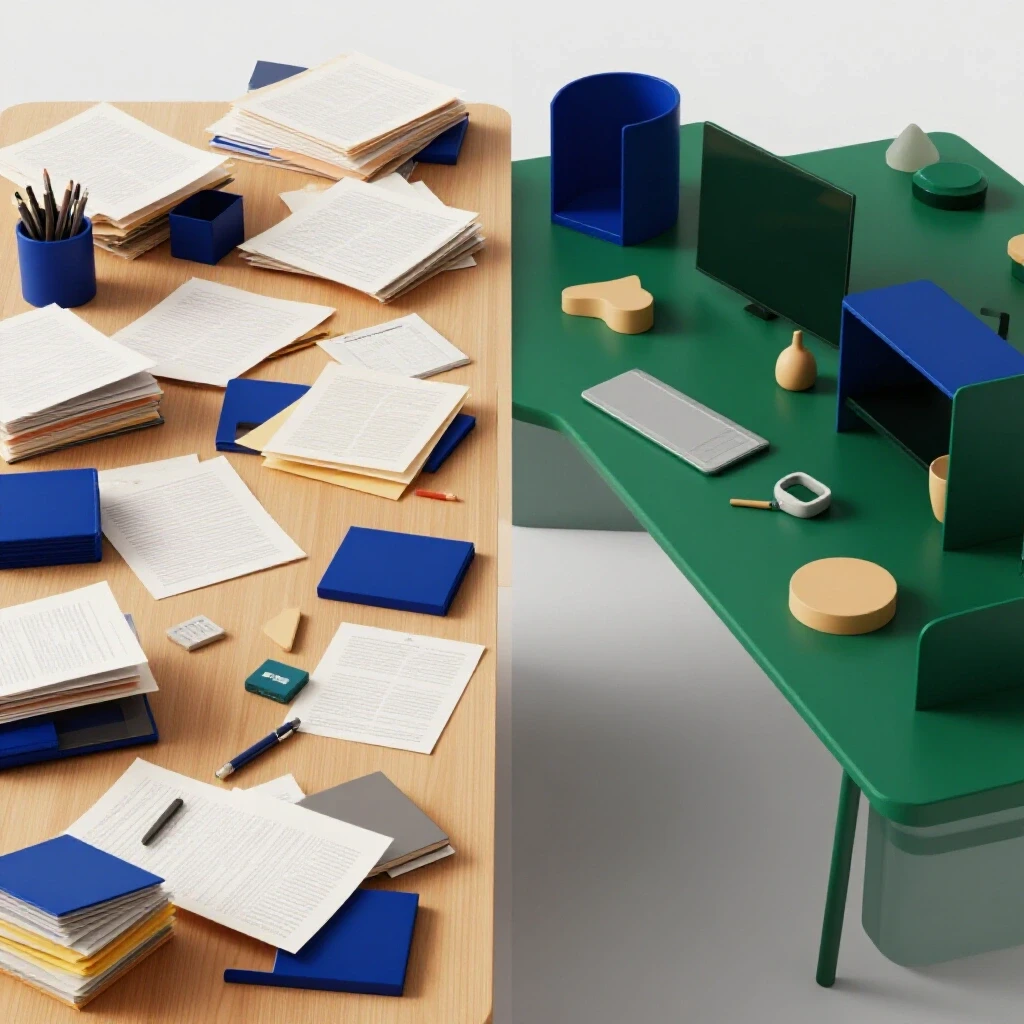
Visual overload occurs when the number of items in our field of vision exceeds our brain’s ability to process them efficiently. This leads to increased cortisol levels and a persistent feeling of mental fatigue. When our surroundings are cluttered, our brains are constantly scanning for “unfinished tasks,” making it impossible to truly rest in our own homes.
Research in environmental psychology suggests that our physical environment acts as a “secondary skin.” When that skin is crowded with items that do not have a clear purpose or place, our focus suffers. In a logistics sense, this is known as “visual noise.” If every surface in your kitchen is covered with new gifts or leftover party supplies, your brain treats every single item as a decision that needs to be made. This leads to decision fatigue, which is why we often feel paralyzed when trying to start a decluttering journey.
To combat this, we must recognize that a seasonal reset is not just about cleaning; it is about reducing the cognitive load of our environment. We want to move from a state of “high visual noise” to a state of “spatial clarity.” This does not mean getting rid of everything we own. Rather, it means ensuring that every item we choose to keep is integrated into a system that requires minimal mental effort to maintain.
Using Logistics Principles to Identify Household Bottlenecks
A household bottleneck is a specific area where the flow of items stops, causing a pile-up of clutter. This usually happens in “transition zones” like entryways, kitchen counters, or the foot of the stairs. By identifying these points of high friction, we can redesign our storage solutions for families to handle the daily inflow and outflow of goods more effectively.
In my professional background, we look at “retrieval friction”—the number of steps it takes to get something out or put it away. If a child has to move three boxes to put one toy away, they simply won’t do it. The item will stay on the floor. This is a system failure, not a behavioral one.
Understanding Retrieval Friction and Spatial Capacity
Retrieval friction is the physical and mental effort required to access or store an object. High friction occurs when items are buried or stored in containers with complex lids. Spatial capacity is the measurable limit of how much a specific area can hold before the organization system fails and items begin to spill over.
When we analyze our homes after a busy season, we can use a “Friction Index” to see why our previous attempts at order failed.
| Storage Method | Physical Steps to Use | Friction Level | Sustainability Rating |
|---|---|---|---|
| Open Bins/Baskets | 1 Step (Drop in) | Very Low | High |
| Labeled Drawers | 2 Steps (Open, Place) | Low | High |
| Stacked Tubs with Lids | 5+ Steps (Move, Unstack, Unlatch) | High | Low |
| High Shelving (Requires Stool) | 6+ Steps (Fetch stool, Climb, Reach) | Very High | Very Low |
By reducing the steps required for daily maintenance, we make it easier for every family member to contribute to a tidy home. Interestingly, studies in organizational behavior show that the more “frictionless” a system is, the more likely it is to become a subconscious habit.
A Systematic Sorting Framework for Shared Spaces
A sorting framework is a logical process used to categorize items based on their frequency of use and their final destination. Instead of moving items from one pile to another, a framework forces a definitive decision on every object. This prevents the “shuffling” effect where clutter is simply relocated rather than managed.
When my family tackles a post-holiday reset, we use a “Flow Rate” approach. We look at how often an item is used. If we received new kitchen gadgets, we don’t just shove them into a cabinet. We evaluate the “outflow.” For every new item that comes in, an older, less-used item must exit the high-value “Prime Real Estate” of our counters and reach-in drawers.
Defining Flow Rates and Item Density
Flow rate refers to the speed at which items move in and out of a home. A high flow rate during the holidays requires a matching outflow to maintain balance. Item density is the measurement of how many objects occupy a cubic foot of storage space; higher density often leads to higher search times.
To execute a high-speed sorting session, use the following log to track your progress. This helps keep the family focused and provides a sense of measurable achievement.
- Zone Identification: Pick one specific area (e.g., the “Command Center” or the playroom).
- The 10-Minute Sort: Set a timer. Rapidly categorize items into: Return to Home, Donate, or Relocate to Deep Storage.
- Density Check: If a shelf is more than 80% full, it is at risk of “system collapse.” Aim for 20% “buffer space” to allow for easy retrieval.
Designing Low-Maintenance Home Organization Systems
A low-maintenance system is one that accounts for human laziness and busy schedules. It prioritizes function over aesthetics, using clear labels and accessible containers that do not require perfect folding or alignment. These systems are designed to be “resilient,” meaning they can handle a few days of neglect without falling apart completely.
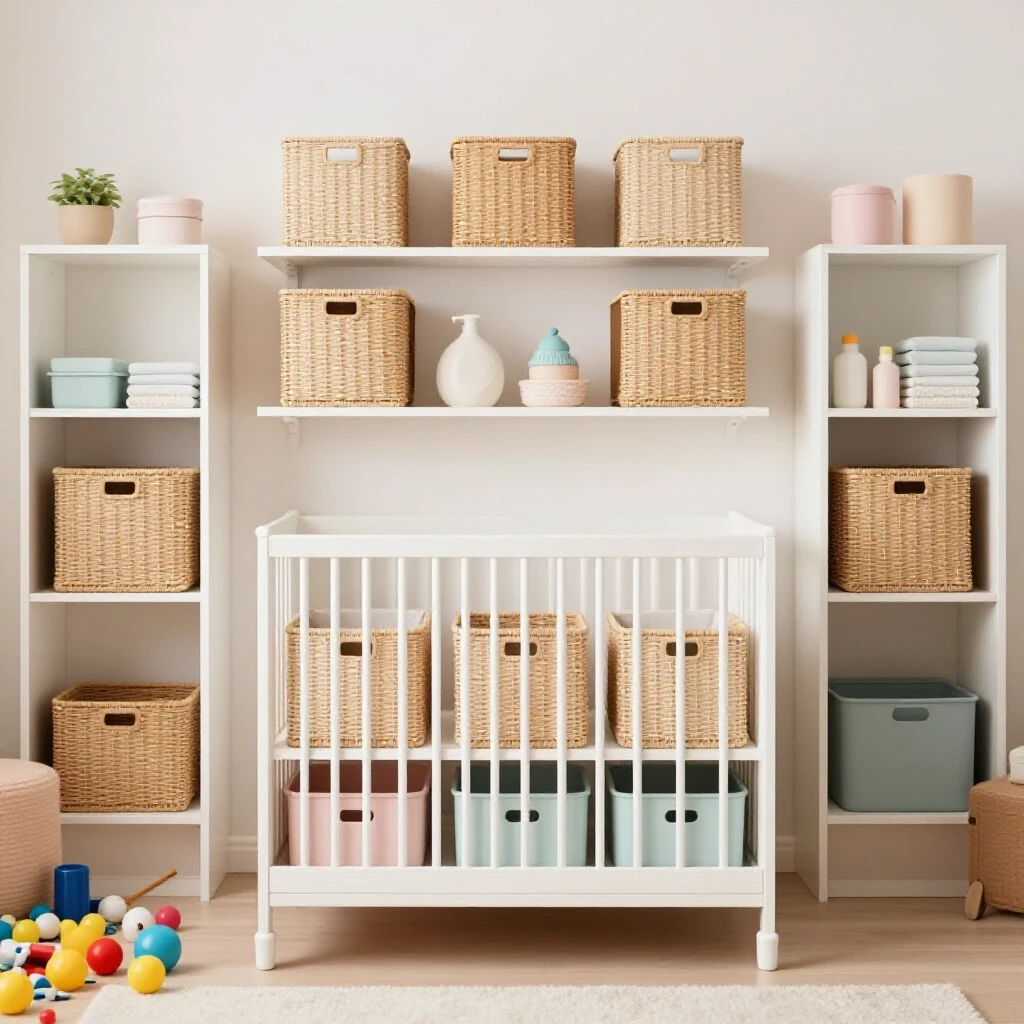
I once made the mistake of buying matching, opaque wicker baskets for our mudroom. They looked beautiful in the store. However, because no one could see what was inside, my kids would dump everything out to find one pair of gloves. We replaced them with clear, open-front bins. The visual “noise” increased slightly, but the “sorting friction” dropped to zero. The floor stayed clear for the first time in months.
Container Selection and Behavioral Alignment
Container friction is the resistance offered by a storage unit during the act of tidying. Behavioral alignment is the practice of matching a storage solution to the natural habits of the people using it. For example, if your spouse drops mail on the counter, a wall-mounted “drop zone” is better than a filing cabinet in the office.
When selecting gear for your post-celebration reset, consider these logistical metrics:
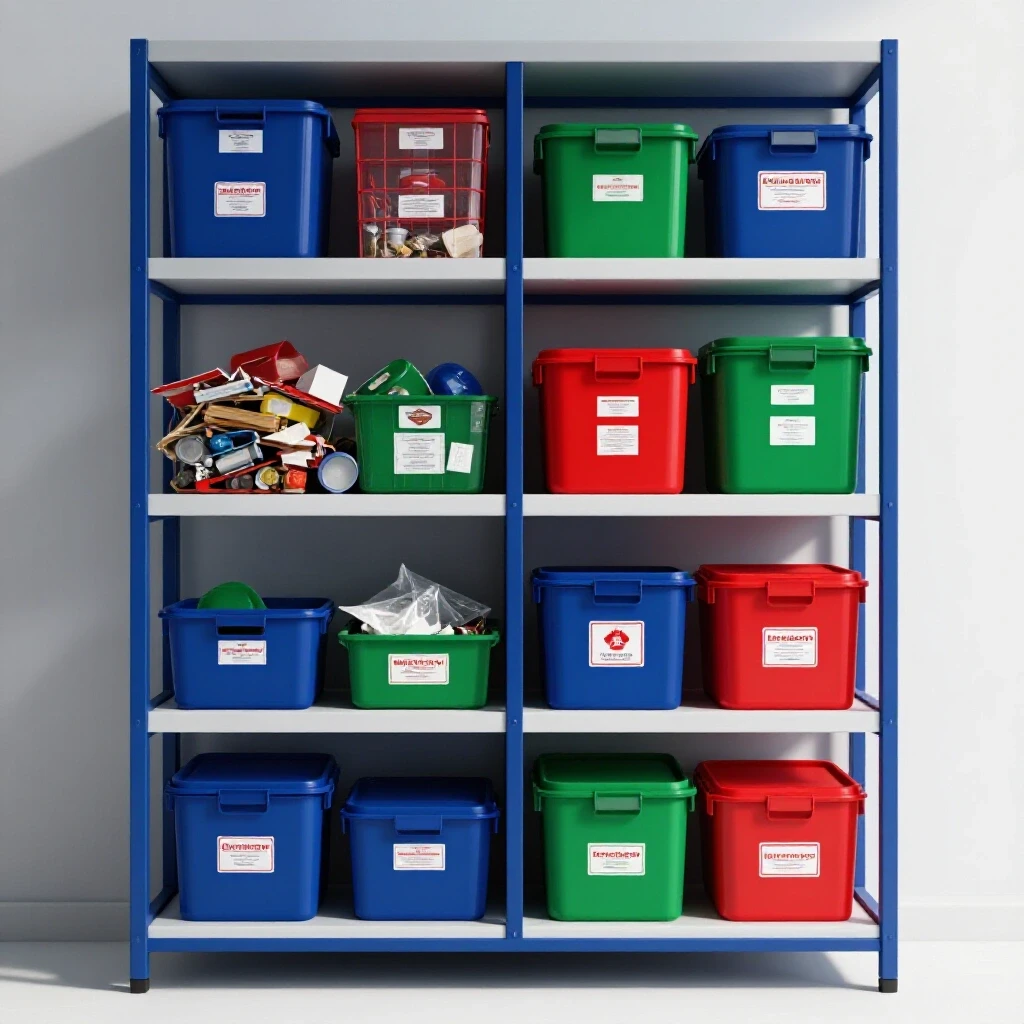
- Visibility: Can you see the contents without opening the container? Clear plastic or wire mesh is often superior to solid wood or fabric.
- Accessibility: Does the container have a lid? For daily-use items, lids are often a barrier to success.
- Modularity: Can the units be rearranged as your family’s needs change? Modular systems prevent the need for major purchases later.
- Labeling: Use bold, sans-serif fonts for labels. For younger children, use picture-based labels to reduce the “cognitive load” of tidying up.
Establishing Daily Habit Loops for Long-Term Success
A habit loop is a three-part process consisting of a cue, a routine, and a reward. In the context of home maintenance, a habit loop automates the “reset” of a room so that clutter never reaches an overwhelming level. These loops are the “preventative maintenance” of the home, ensuring that the systems we build continue to function.
The goal is to reduce the time spent on “heavy lifting” decluttering by performing “micro-sorts” throughout the day. In our house, we have a “15-Minute Evening Logistics Sweep.” This isn’t a deep clean; it’s a flow correction. We move items back to their designated zones so that the “starting state” of the next morning is neutral, not chaotic.
Maintenance Timelines by Family Size
Daily maintenance duration is the total time required to return a home to its “base state.” This time varies based on the number of occupants and the complexity of the storage systems in place. Efficient systems aim to keep this duration under 5% of the family’s total waking hours.
| Family Size | Daily Maintenance (High-Friction System) | Daily Maintenance (Low-Friction System) | Monthly “Deep Reset” Time |
|---|---|---|---|
| 2 Adults | 30 Minutes | 10 Minutes | 2 Hours |
| 2 Adults, 1 Child | 60 Minutes | 20 Minutes | 4 Hours |
| 2 Adults, 3+ Children | 90+ Minutes | 35 Minutes | 6 Hours |
By shifting to low-friction storage, a family of four can save over five hours of cleaning time per week. This time is better spent on rest or family activities, directly reducing the mental fatigue associated with household management.
Creating a Functional Zoning Map for Your Home
Zoning is the process of assigning specific functions to different areas of the home and ensuring that all items related to that function are stored within that zone. This reduces “travel time” within the house and prevents items from being abandoned in the wrong rooms. Zoning turns a house into a series of efficient workstations.
When we reset our space after the holidays, we re-evaluate our zones. Did the new coffee maker create a bottleneck in the kitchen? If so, we move the “Coffee Zone” away from the main cooking area. This industrial approach to spatial management ensures that the home supports our daily routines rather than hindering them.
- Map Your Hotspots: Identify where clutter naturally gathers (e.g., the end of the kitchen island).
- Define the Zone Purpose: Is this a “Drop Zone,” a “Work Zone,” or a “Rest Zone”?
- Align Storage to Purpose: Remove anything from the zone that doesn’t support its primary purpose.
- Implement “Point-of-Use” Storage: Store items as close as possible to where they are actually used. For example, keep scissors in the kitchen, the office, and the playroom rather than having one “junk drawer” in a central location.
Sustainable Decluttering: The “One-In, Two-Out” Rule
The “One-In, Two-Out” rule is a volume control strategy designed to slowly reduce the total inventory of a home. For every new item brought into the house, two existing items must be donated or discarded. This is particularly effective after gift-giving seasons when the “inflow” of goods is at its peak.
This rule addresses the “Spatial Capacity Limit.” Every home has a finite amount of storage. Once you exceed 85% capacity, the time it takes to find and put away items increases exponentially. By actively reducing our inventory, we increase the “efficiency” of our remaining items.
- Step 1: Audit your new gifts and purchases.
- Step 2: Identify the “category” for each new item (e.g., “Sweaters”).
- Step 3: Find two items in that same category that are worn out, ill-fitting, or unused.
- Step 4: Immediately place the “outflow” items in a donation box located in your transition zone (like the garage or trunk of the car).
Practical Steps for a Stress-Free Reset
To achieve a long-lasting reset without feeling overwhelmed, we must break the process into manageable logistical phases. Do not try to organize the entire house in one weekend. This leads to “burnout” and usually results in half-finished projects that add to the visual noise.
- The Visual Sweep (Day 1): Remove all obvious trash and seasonal debris. This provides an immediate “psychological win” by reducing visual noise.
- The Zone Audit (Day 2-4): Focus on one zone per day. Don’t look at the closet if you are working on the entryway.
- The Friction Fix (Day 5): Look for areas where items are piling up. Replace a difficult lid with an open bin or add a hook where clothes are being dropped.
- The Labeling Phase (Day 6): Once the system is tested, add labels. This “locks in” the system and serves as a visual cue for the rest of the family.
- The Habit Launch (Day 7): Begin your 15-minute evening sweep. Consistency is more important than perfection.
By focusing on these measurable improvements, we create a home that serves our needs. We move away from the frustration of constant cleaning and toward a sustainable, functional living space. The goal isn’t a home that never gets messy; it’s a home that can be reset in minutes because the systems are designed for real life.
Frequently Asked Questions
How do I handle the influx of new toys without buying more furniture? Focus on “vertical density” and “rotation.” Use existing bookshelves with clear bins to maximize vertical space. If the shelves are full, implement a toy rotation system where half the toys are stored in a “deep storage” area (like a closet or attic) and swapped out monthly. This keeps the “Prime Real Estate” of the playroom clear and manageable.
What is the best way to get my spouse and kids to follow a new system? Reduce the “cognitive load” of tidying. If a system is too complex, people will naturally avoid it. Use “One-Touch” storage (like hooks instead of hangers) and clear labels. Involve them in the “Zoning” process so they understand where items belong. Remember, if a family member consistently fails to put something away, the system is likely the problem, not the person.
Why does my house look cluttered again just days after I organize it? This usually happens because of “high-friction” storage or exceeding “spatial capacity.” If it takes too many steps to put an item away, it will stay on a flat surface. Additionally, if your cabinets are 100% full, there is no “buffer space” for new items, leading to immediate spillover. Aim for 80% capacity to allow the system to breathe.
How can I manage “sentimental clutter” after the holidays? Apply the “Logistical Value” test. Ask yourself: “Does this item serve a purpose in my current life, or is it a placeholder for a memory?” For sentimental items, create a “Memory Box” with a strict spatial limit. Once the box is full, you must remove an old memory to add a new one. This honors the sentiment without sacrificing your living space.
Is it better to organize by category or by room? From a logistics standpoint, organizing by “Zone” (function) is more effective than category or room. For example, a “Wrapping Zone” might contain items from different categories (paper, scissors, tape) but they are all used together. Storing them in one functional location reduces “retrieval time” and prevents items from being scattered across multiple rooms.
What are the most common mistakes in post-holiday organizing? The biggest mistake is buying “storage solutions” before decluttering. This often leads to “organized clutter”—boxes full of things you don’t actually need. Another mistake is prioritizing “visual perfection” (like color-coding) over “functional speed.” If a system is beautiful but hard to maintain, it will fail within a week.
How do I deal with large, awkward items like new kitchen appliances? Use the “Frequency of Use” metric. If you use a new air fryer daily, it belongs on the counter (Prime Real Estate). If you use a stand mixer once a month, it belongs in a lower cabinet. If you use a turkey roaster once a year, it belongs in “Deep Storage” (the garage or a high shelf). Never give “Prime Real Estate” to low-frequency items.
How do I maintain the motivation to keep the system going? Focus on the “Reward” part of the habit loop. Notice how much faster it is to make coffee in a clear “Coffee Zone” or how much less stressed you feel when the entryway is clear. Track your “Daily Maintenance Time.” When you see that your new system has cut your cleaning time in half, the time saved becomes the motivation to continue.
(This article was written by one of our staff writers, Christopher Bennett. Visit our Meet the Team page to learn more about the author and their expertise.)