How to Paint Basement Stair Rails for Lasting Results (Guide)

Have you ever considered how many times a day your hand actually touches the railing leading down to your basement? In my twelve years managing facilities and upgrading my own homes, I have found that this single piece of wood or metal is often the most abused surface in the entire house. It deals with skin oils, moisture from humid basement air, and the occasional strike from a laundry basket or moving box.
When I first looked at the handrail in my current home, the finish was gummy and grey from years of use. As a busy professional, I did not want to spend every weekend for a month fixing it. I needed a solution that was code-compliant, aesthetically pleasing, and tough enough to pass a long-term durability assessment. I approached this project the same way I manage a building: by analyzing the substrate, selecting the right chemical bonds, and tracking the results over six months of heavy use.
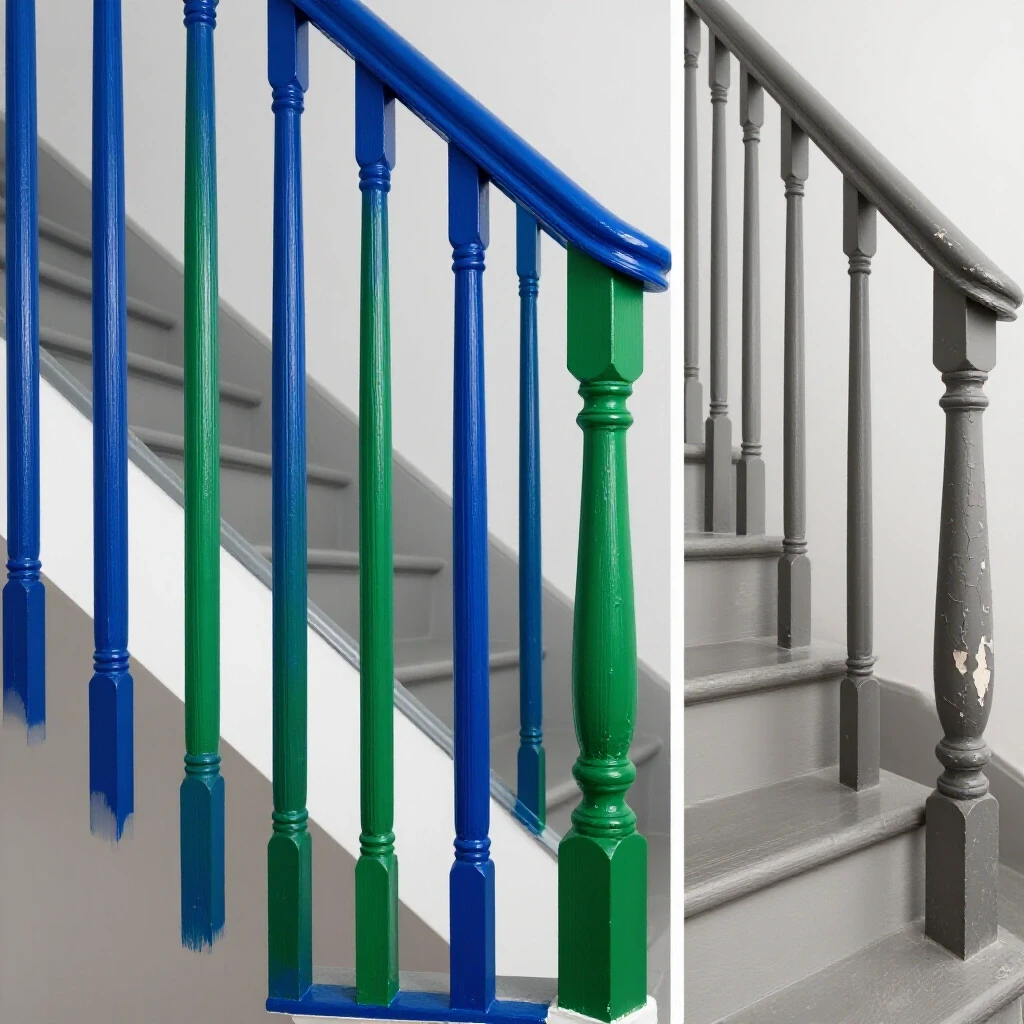
Project Feasibility and Planning
Before picking up a brush, you must evaluate the structural integrity of your staircase support system. This phase involves checking for loose brackets and ensuring the height meets safety standards to avoid a failed home inspection later.
| Metric | DIY Estimate | Professional Comparison |
|---|---|---|
| Active Labor Time | 6 – 8 Hours | 4 – 5 Hours |
| Total Project Duration | 2 – 3 Days (Cure Time) | 2 Days |
| Material Cost | $60 – $90 | N/A |
| Tool Investment ROI | High (Reusable for trim/doors) | Low |
| Skill Level | Intermediate (Prep focus) | Professional |
Assessing the Condition of Your Below-Grade Handrail
The environment of a basement is inherently different from the rest of the home because it often has higher humidity levels and less natural light. Understanding the current state of your railing’s finish—whether it is old oil-based varnish, bare wood, or factory-primed metal—determines your entire prep strategy.
I once made the mistake of painting over an old oil-based finish with standard water-based latex without proper prep. Within three weeks, the paint began to peel off in long, rubbery strips. This happened because the new layer could not “bite” into the slick, oily surface of the old varnish. In a basement, where dampness is common, this failure happens even faster. You must identify if your current finish is oil-based by rubbing a small spot with a cotton ball soaked in denatured alcohol; if the finish doesn’t soften, it is likely oil-based and requires a specific bonding primer.
Identifying Substrate and Finish Types
Knowing what you are working with prevents chemical rejection between layers of product. Wood rails often have a polyurethane topcoat, while metal rails may have a powder coating that requires mechanical abrasion to accept new paint.
- Varnished Wood: Requires deglossing to remove the slick surface.
- Bare Wood: Needs a grain-filling primer to prevent “tannin bleed” (yellow spots).
- Metal: Must be checked for rust and treated with a corrosion-inhibitive primer.
- Previously Painted: Requires a lead-paint test if the home was built before 1978.
Essential Tool Inventory for Staircase Refinishing
A successful weekend DIY project depends entirely on having the right tools staged before you start. Using the wrong grit of sandpaper or a cheap brush will leave visible brush marks and a finish that feels rough to the touch.
For this project, I recommend a “work smarter, not harder” approach. I use a combination of chemical deglossers and mechanical sanding to save my forearms from fatigue. Below is the list of supplies I used for my own durability-tested project:
- Sanding Blocks (120 and 220 grit): 120 grit is for removing the old finish, and 220 is for “scuffing” between coats.
- TSP Substitute (Trisodium Phosphate): This is a heavy-duty cleaner that removes skin oils and grime without the harsh suds of dish soap.
- High-Adhesion Bonding Primer: Specifically, a water-based modified alkyd that sticks to glossy surfaces.
- Urethane Alkyd Enamel Paint: This provides the hardness of an oil paint with the easy cleanup of water.
- 2-Inch Angled Sash Brush: A high-quality synthetic brush allows for “cutting in” around brackets without masking tape.
- Tack Cloths: These are sticky cheesecloths used to pull every microscopic speck of dust off the rail before painting.
- Drop Cloths: Canvas is better than plastic here because it won’t slide on the stairs, which is a major fall hazard.
Maintaining Building Code Compliance
Safety is the primary function of a handrail, and any modification must stay within the International Residential Code (IRC) guidelines. If you remove the rail to paint it, you must reinstall it at the correct height and ensure it remains “graspable.”
According to Section R311.7.8 of the IRC, handrails must be placed between 34 and 38 inches vertically from the sloped plane of the stair treads. Furthermore, the rail must have a “clearance” of at least 1.5 inches from the wall. This ensures that a person’s fingers can wrap around the rail during a fall. If your paint adds too much thickness (unlikely) or if you move the brackets, you must verify these measurements with a tape measure.
Understanding Graspability
A “Type I” handrail, which is most common in homes, must have a circular cross-section diameter between 1.25 and 2 inches. If it is non-circular, the perimeter must be between 4 and 6.25 inches. When I refinished my rail, I made sure not to use a thick, textured “anti-slip” paint that would make the surface too abrasive or difficult to grip quickly in an emergency.
Step-by-Step Execution: Preparing for Longevity
The secret to a finish that survives years of use is 90% preparation and 10% application. If you skip the cleaning phase, your paint is essentially sticking to a layer of human skin oils rather than the wood itself.
Phase 1: Deep Cleaning and Degreasing
I start by mixing a solution of TSP substitute in a bucket of warm water. Using a scrub sponge, I wash the entire length of the rail twice. Interestingly, the water usually turns a murky grey; this is the accumulation of dust and oils. Once washed, wipe it down with a clean, damp cloth to remove any residue and let it dry for at least one hour.
Phase 2: Mechanical Abrasion (Sanding)
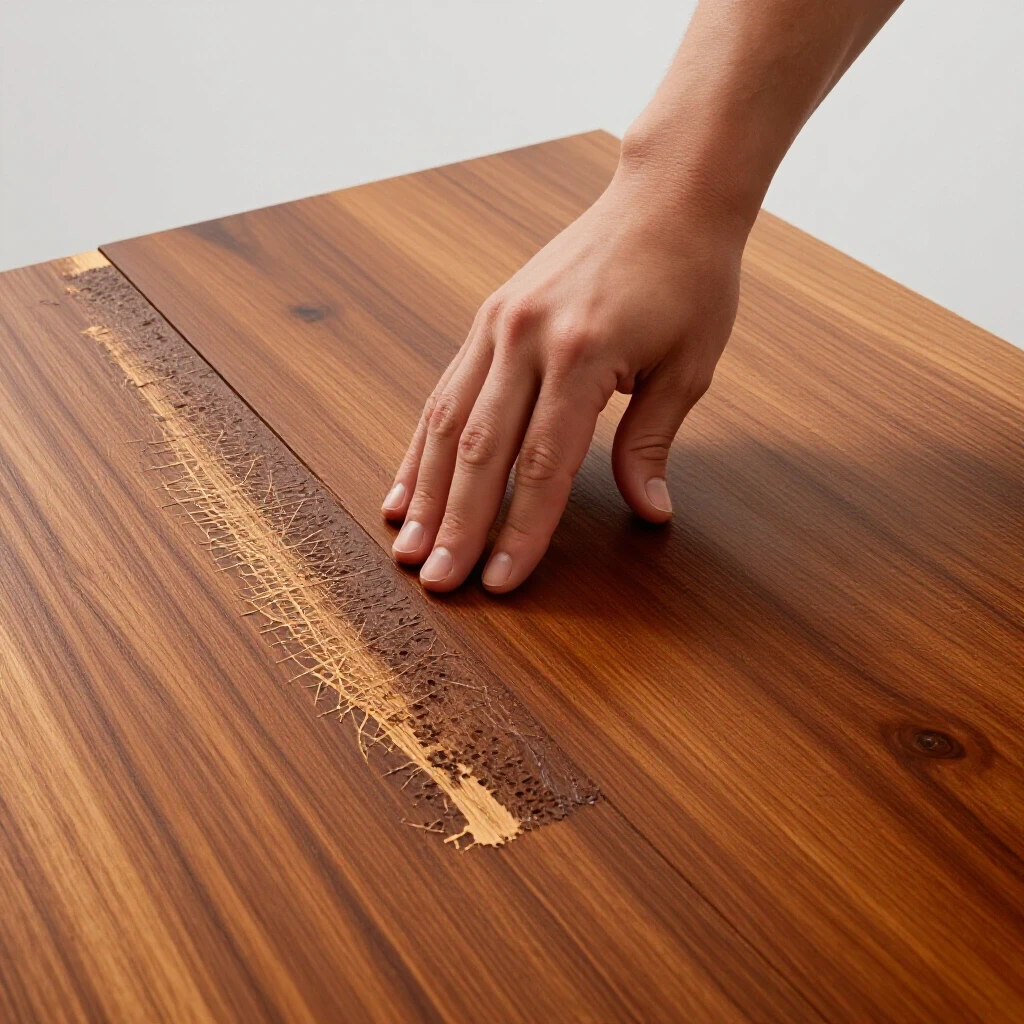
You do not need to sand the wood down to its raw state. Your goal is to “scuff” the surface. Using 120-grit sandpaper, rub the rail until the shine disappears and the surface looks dull. This creates “profile,” which are microscopic valleys that the primer can grab onto. After sanding, use a vacuum with a brush attachment followed by a tack cloth. If you see any dust left behind, the paint will look like it has grains of sand trapped under it.
Phase 3: Priming for Adhesion
In the basement, I prefer a bonding primer that is “stain-blocking.” This prevents the natural oils in the wood from seeping through the paint. Apply one thin, even coat. Do not worry if it looks streaky; the primer’s job is to bond, not to look pretty. Let this dry for the manufacturer-recommended time, usually 2 to 4 hours, depending on the humidity.
The Application Phase: Achieving a Professional Finish
When it comes time for the topcoat, the technique is everything. I always “load” my brush by dipping it only one-third of the way into the paint and tapping it against the side of the can. Never “wipe” the brush on the rim, as this removes too much paint and leads to “dry brushing,” which creates those ugly streaks.
Applying the Urethane Alkyd Enamel
I chose a urethane alkyd enamel for my wear test because it levels out as it dries. This means brush marks naturally disappear. Start at the top of the stairs and work your way down. Use long, continuous strokes. Once a section is covered, do a “tipping off” pass: lightly run the tips of the brush bristles over the wet paint in one long motion to smooth everything out.
Cure Time vs. Dry Time: – Dry to Touch: 1 – 2 hours. – Re-coat Time: 4 – 6 hours. – Light Use: 24 hours. – Full Cure (Hardness): 7 – 14 days.
I tell my family that the rail is “off-limits” for the first 24 hours. Even after that, we avoid “gripping” it tightly for a week. The paint needs time for the chemical cross-linking to finish, which creates that hard, durable shell.
The Six-Month Wear Test Results
To provide you with honest data, I tracked the performance of this specific paint setup over a half-year period. My basement stairs see about 15 to 20 “trips” per day. I looked for three specific failure points: scuffing, softening, and staining.
- Scuff Resistance: The urethane enamel held up exceptionally well against impact. I accidentally hit the rail with a plastic storage bin three months in, and it left no mark.
- Oil Resistance: In areas where we naturally grab the rail at the top of the stairs, there has been no “softening” of the paint. Standard latex often gets sticky in these spots over time; the alkyd hybrid remained hard.
- Cleanability: I used a damp microfiber cloth to wipe the rail down last month. Dust and a small coffee splash wiped off without any staining or loss of gloss.
The measurable outcome is a finish that looks as fresh today as it did on day three. The extra $20 spent on premium enamel instead of “wall paint” saved me from having to redo the project in a year.
Troubleshooting Common DIY Mistakes
Even with a plan, things can go wrong. If you notice “runs” or “sags” (drips of paint that hardened), do not try to sand them while they are wet. Wait 24 hours until they are dry, sand them flush with 220-grit paper, and apply a very thin touch-up coat.
If the paint feels “tacky” or sticky weeks after application, the basement humidity is likely too high, or the coats were applied too thick. In this case, running a dehumidifier in the area for 48 hours usually solves the problem. If it remains sticky, the paint may have been applied over a non-compatible old finish without a bonding primer.
| Problem | Cause | Solution |
|---|---|---|
| Peeling/Flaking | Poor cleaning or no primer | Sand back to solid layer, prime, and repaint. |
| Visible Brush Marks | Cheap brush or “over-working” | Sand with 220-grit, use a high-quality sash brush. |
| Sticky Surface | High humidity/Thick coats | Increase airflow and use a dehumidifier. |
| Yellow Bleed | Tannins from wood | Apply an oil-based or shellac-based primer. |
Conclusion and Next Steps
Refinishing a basement handrail is a high-impact weekend project that combines safety with home aesthetics. By following a strict prep routine—cleaning, sanding, and using a dedicated bonding primer—you can create a finish that rivals professional work. My six-month wear test proves that investing in urethane-modified paints is the best way to ensure your labor lasts for years.
Your next step is to head to the basement with a piece of sandpaper and a cotton ball of alcohol. Test your current finish, measure your rail height to ensure it’s within that 34-to-38-inch safety window, and start your tool list. A well-executed handrail isn’t just about color; it’s about the confidence of a solid, clean grip every time you head downstairs.
Frequently Asked Questions
Can I use regular wall paint on my basement handrail?
I strongly advise against using standard wall paint. Wall paint is designed to be flexible and breathable, but it lacks the “block resistance” (the ability to not stick to skin or objects) and hardness required for a handrail. Within months, wall paint will likely soften from skin oils and begin to peel or feel gummy. Use a dedicated trim or door enamel instead.
Do I really need to remove the handrail to paint it?
While you can paint a rail while it is mounted, removing it allows you to reach the underside and the areas behind the brackets much more easily. If you choose to leave it mounted, you must use high-quality painter’s tape on the brackets and the wall. However, removing it usually results in a more professional, “factory” look.
How long should I wait before actually using the stairs?
You can usually walk the stairs within two hours of painting, but you should not touch the rail for at least 24 hours. I recommend placing a temporary sign or a piece of tape at the top of the stairs to remind family members not to grab the rail. Full hardness isn’t reached for about two weeks, so avoid heavy cleaning during that window.
What is the best temperature for painting in a basement?
Most paints require a temperature between 50°F and 90°F. Basements are often cooler, so if your basement is below 60°F, the paint will take significantly longer to dry. Ensure you have adequate ventilation, as paint fumes can concentrate in enclosed stairwells.
Why is my paint bubbling after I applied it?
Bubbling, or “blistering,” usually happens if the surface was damp when you painted it or if you applied the paint in direct sunlight (unlikely in a basement). In a basement setting, it is usually caused by moisture trapped in the wood or by “over-shaking” the paint can, which introduces air bubbles that get trapped in the film.
Is one coat of paint enough?
Almost never. For a high-touch surface like a handrail, two thin coats are always superior to one thick coat. Thin coats dry harder and more evenly, whereas a single thick coat can remain soft in the middle for a long time, leading to premature wear.
How do I know if my handrail is “graspable” according to code?
If you can comfortably wrap your thumb and fingers around the rail so they almost meet, it is likely graspable. If the rail is a wide “deck-style” board that you can only rest your palm on, it is not code-compliant for an interior staircase and should be replaced for safety.
What should I do if the wood is very rough or splintered?
Start with a coarser sandpaper, such as 80-grit, to smooth out the splinters. Follow this with 120-grit and then 220-grit. If there are deep gouges, use a high-quality wood filler before priming. Sand the filler flush so it disappears under the paint.
Can I paint over a metal handrail using these same steps?
Yes, but the primer choice is critical. You must use a DTM (Direct To Metal) primer or a universal bonding primer. If there is any rust, you must sand it down to bare metal and use a rust-inhibitive primer specifically designed for steel or iron.
Does the color of the paint affect its durability?
Generally, no, but darker colors may show hand oils and dust more quickly than mid-tone or lighter colors. However, the durability comes from the resin in the paint (the urethane or alkyd), not the pigment. High-gloss finishes are technically the easiest to clean but will highlight every imperfection in your sanding. A “satin” or “semi-gloss” is usually the best balance for home use.
(This article was written by one of our staff writers, Robert Callahan. Visit our Meet the Team page to learn more about the author and their expertise.)