How to Paint Exterior Trim for Lasting Weather Protection (Guide)

The current trend in residential maintenance is shifting toward high-performance waterborne alkyd resins. These coatings offer the durability of traditional oil-based paints with the low-VOC benefits of acrylics. As a facilities manager for over a decade, I have seen how these materials behave on a large scale. However, applying them to the detailed woodwork around your own home presents a unique set of challenges. My journey into refinishing outdoor moldings began twelve years ago when I tackled my first colonial-style house. I initially thought a standard gallon of “exterior paint” was all I needed. I quickly learned that the interaction between the coating, the wood substrate, and the local climate determines whether a project lasts ten years or fails in ten months.
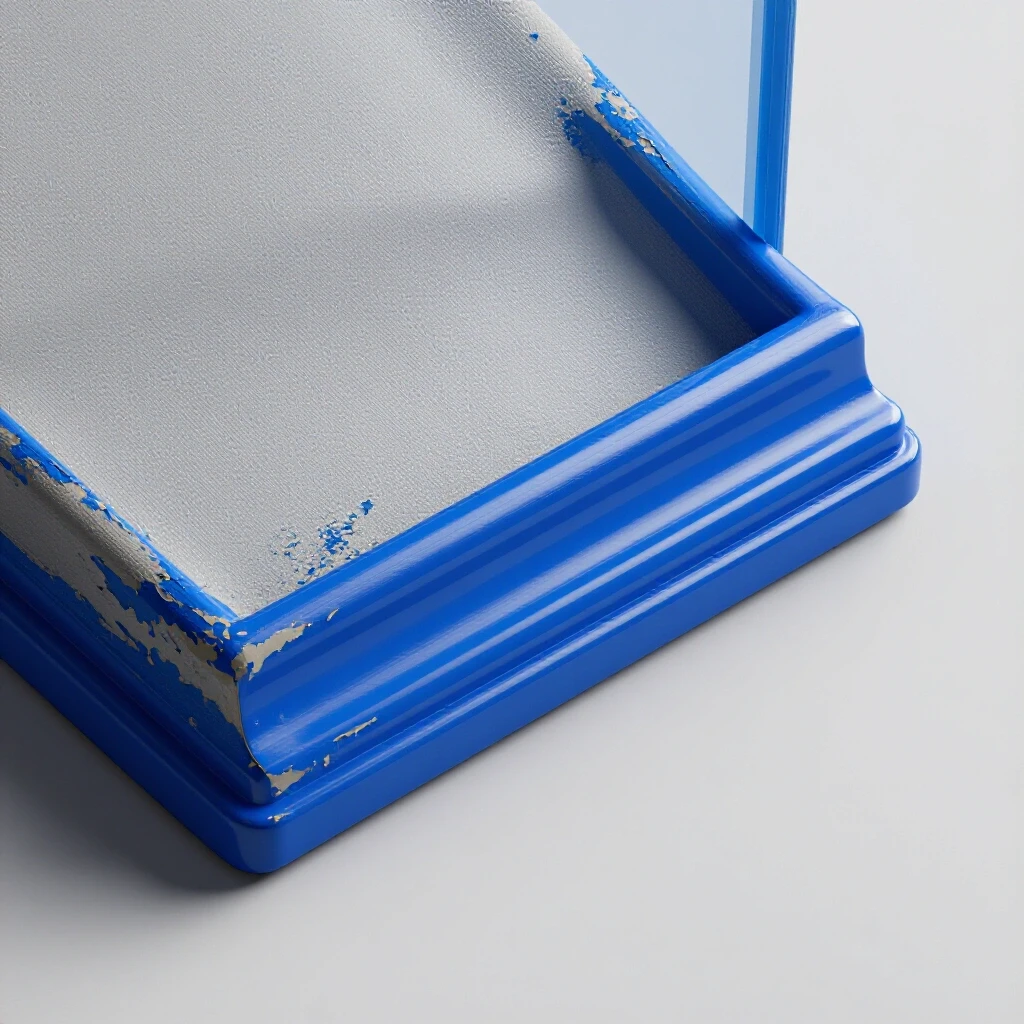
During my first major project, I ignored the manufacturer’s technical data sheet regarding the dew point. I began applying a finish coat late in the afternoon when the humidity was climbing. By the next morning, the moisture in the air had compromised the surface tension of the paint, leaving a hazy, “blushed” finish that required a full sand-down and restart. That mistake taught me that managing your environment is just as important as your brush technique. For busy professionals, time is a finite resource. You cannot afford to repeat a task because you missed a three-degree window in temperature. This guide focuses on the technical reality of protecting your home’s exterior accents while navigating the unpredictable nature of the outdoors.
Preparing for Outdoor Casing Maintenance
Proper preparation is the process of cleaning, repairing, and stabilizing the surfaces surrounding your windows and doors before any coating is applied. This phase ensures that the new finish bonds chemically and mechanically to the substrate. Without thorough preparation, even the most expensive paint will eventually peel or flake away.
In my experience, 70% of the total project time should be spent on preparation. I start by inspecting the wood for rot using a simple “pick test.” I take a small flat-head screwdriver and gently press it into any areas that look discolored or soft. If the wood yields easily, it likely has moisture damage and needs to be replaced or treated with a wood hardener. I once skipped this on a small section of a windowsill, thinking the primer would seal it. Within two seasons, the rot had spread, and I had to replace the entire sill.
Safety during this phase is paramount. If your home was built before 1978, you must assume the presence of lead-based paint. According to the EPA’s Renovation, Repair, and Painting (RRP) rule, you should use lead-safe work practices, such as wet-sanding to minimize dust and using a HEPA-filtered vacuum. I always wear a N95 or P100 respirator and eye protection when removing old finishes. Falling from a ladder is the most common DIY injury, so I follow the OSHA “four-to-one” rule: for every four feet of height, the base of the ladder should be one foot away from the wall.
| Project Phase | Estimated Active Hours | Difficulty (1-10) |
|---|---|---|
| Surface Cleaning & Scraping | 4-6 Hours | 6 |
| Sanding & Smoothing | 3-5 Hours | 5 |
| Caulking & Patching | 2-3 Hours | 4 |
| Priming | 2-4 Hours | 3 |
| Final Coating (Two Coats) | 6-8 Hours | 5 |
Essential Equipment for High-Durability Finishes
Selecting the right tools involves more than just picking up a brush at the local hardware store. It requires understanding how different bristles interact with various paint viscosities and how safety gear protects you from long-term health risks. Professional-grade tools often result in a smoother finish and less hand fatigue.
I have learned that investing in a high-quality 2.5-inch angled sash brush is non-negotiable. Synthetic bristles, like a blend of nylon and polyester, are best for modern water-based coatings because they maintain their stiffness and shape in humid conditions. Natural china bristles are only for oil-based products, as water causes them to swell and lose their edge. When I first started, I used cheap “disposable” brushes, but the stray bristles getting stuck in the wet paint created more work than the money I saved.
- Angle Sash Brush (2.5 inch): Used for “cutting in” or creating sharp lines where the trim meets the siding.
- Carbide-Tipped Scraper: Essential for removing loose, flaking paint without gouging the wood.
- Random Orbital Sander: For smoothing the transition between the bare wood and the remaining old paint.
- Non-Drip Caulking Gun: Provides better control when sealing gaps to prevent water intrusion.
- Moisture Meter: A diagnostic tool used to ensure the wood has a moisture content below 15% before painting.
- Ladder Stabilizer: An attachment that pushes the ladder away from the wall, protecting your gutters and providing a more stable platform.
The Impact of Climate on Coating Success
Environmental conditions refer to the temperature, humidity, and sunlight levels present during the application and curing stages of a project. These factors directly influence how well the paint adheres to the surface and how long it remains flexible. Ignoring these variables often leads to premature cracking or bubbling.
The “weather results” I have documented over a decade show that the most dangerous enemy of a good finish is direct sunlight. If the wood is hot to the touch, the paint will dry too quickly, preventing it from leveling out. This creates visible brush marks and weakens the bond. I prefer to “follow the shade,” working on the east side of the house in the afternoon and the west side in the morning. This ensures the substrate temperature remains within the manufacturer’s recommended range, usually between 50°F and 90°F.
Humidity is another critical factor. Most technical guides suggest an ideal humidity range of 40% to 70%. If the air is too damp, the water in the paint cannot evaporate, which stalls the curing process. I once attempted to finish a door frame when the humidity was at 85%. The paint remained tacky for three days, attracting dust and insects that ruined the surface. Now, I always check the local weather station for the “relative humidity” and “dew point” before I even open a can of primer.
- Temperature: Aim for 50°F to 85°F for optimal flow.
- Humidity: Keep it below 70% to ensure proper evaporation.
- Wind: Avoid gusts over 15 mph, which can blow debris into wet paint.
- Rain: Ensure no precipitation is forecasted for at least 24 to 48 hours after application.
Step-by-Step Application for Window and Door Accents
The execution phase is the systematic process of applying protective layers to the wood in a specific order. This starts with a clean surface, moves through a bonding layer (primer), and finishes with a weather-resistant topcoat. Following a structured sequence prevents common failures like “flashing” or uneven gloss levels.
I begin by washing the trim with a solution of TSP (trisodium phosphate) and water to remove grease and oxidation. Once dry, I sand the surfaces. Sanding isn’t about removing all the old paint; it’s about “scuffing” the surface to create a profile the new paint can grip. I focus on “feathering” the edges where the old paint has chipped, so the transition feels smooth to the touch. This is a step many skip, but it is the difference between a project that looks professional and one that looks like a quick fix.
After sanding, I apply a high-quality exterior primer. Priming is the most misunderstood step. Its job isn’t to look pretty; it’s to provide a uniform surface and seal the wood’s tannins. For cedar or redwood trim, I use an oil-based or a specialized “tannin-blocking” acrylic primer to prevent brown stains from bleeding through. Once the primer is dry, I fill any gaps with a high-performance elastomeric caulk. This type of caulk can stretch and compress as the house moves with the seasons, preventing the gaps from reopening.
- Clean: Scrub with TSP and rinse thoroughly.
- Scrape and Sand: Remove loose material and smooth the edges.
- Dry-Fit and Inspect: Ensure all boards are tight and no rot remains.
- Prime: Apply a full coat to all bare wood and previously painted areas.
- Caulk: Seal joints where the trim meets the siding or window frames.
- Topcoat One: Apply a thin, even coat, working from the top down.
- Topcoat Two: Apply after the recommended “recoat time,” usually 4 to 24 hours.
Monitoring Long-Term Performance and Adhesion
Observing how a finish reacts to the changing seasons is the only way to measure the success of your work. Factors like UV radiation and thermal expansion can cause inferior products or poor application techniques to fail within the first year. Regular inspections allow you to catch small issues before they become major repairs.
In my facilities management role, we use a “cross-hatch” test to check adhesion, but for a homeowner, a visual check every spring and fall is sufficient. I look for “alligatoring,” which is a pattern of cracks that looks like reptile skin. This usually happens when a hard topcoat is applied over a soft, flexible primer, or when the paint is applied too thickly. My personal logs show that trim painted during moderate spring temperatures (65°F) consistently shows better color retention than trim painted during the peak of summer heat.
UV exposure is particularly harsh on darker colors. Darker pigments absorb more heat, causing the wood underneath to expand and contract more aggressively. This thermal movement can stress the paint film. If you live in a high-sun area, I recommend choosing lighter colors or ensuring the paint has a high “volume solids” percentage. Higher solids mean more protective resin is left on the surface after the water evaporates, providing a thicker shield against the sun.
| Weather Element | Impact on Finish | Observation Timeline |
|---|---|---|
| UV Radiation | Fading and Chalking | 12 to 24 Months |
| Rain/Snow | Peeling and Rot | 6 to 12 Months |
| Temperature Swings | Cracking/Checking | 1 to 2 Seasons |
| High Humidity | Mildew Growth | 3 to 6 Months |
Troubleshooting Common Finish Failures
Identifying the root cause of a problem allows you to fix it permanently rather than just covering it up. Most issues result from either poor moisture management or applying the coating under the wrong atmospheric conditions. Understanding the “why” behind a failure is the hallmark of an experienced DIYer.
One of the most common issues I see is “surfactant leaching.” This appears as sticky, tan, or white streaks on the surface of the paint. It happens when the paint is exposed to moisture (like heavy dew or light rain) before it has fully cured. The water-soluble ingredients in the paint rise to the top. Interestingly, this can often be washed away with a gentle garden hose once the paint is fully hard, but it serves as a reminder to check the weather forecast for the 48 hours following your work.
Another frequent failure is “blistering.” This occurs when moisture is trapped behind the paint film. As the sun heats the wood, the moisture turns into vapor and pushes the paint away from the surface. This is why I stress using a moisture meter. If you paint wood that is damp from a rainstorm the day before, you are almost guaranteed to see blisters by the following summer. To fix this, you must scrape the blister, sand back to bare wood, let it dry completely, and then prime and repaint.
- Chalking: A powdery residue on the surface caused by UV breakdown. Solution: Wash and repaint with a UV-resistant topcoat.
- Peeling: Often caused by painting over dirt, grease, or a failing previous coat. Solution: Better surface prep and sanding.
- Mildew: Black or green spots in shaded, damp areas. Solution: Wash with a bleach solution and use a paint with “mildewcides.”
- Poor Hiding: The old color shows through. Solution: Use a high-quality primer and ensure you are not over-spreading the paint.
Project Planning and Final Checklist
To ensure a successful weekend, you must organize your tasks around the sun and the drying times of your materials. A busy professional needs a “critical path” to avoid getting stuck with a half-painted house when the work week begins. Use this checklist to stay on track and ensure code-compliant safety.
- Wednesday: Check the 5-day weather forecast. Look for a window with 0% chance of rain and moderate humidity.
- Thursday: Purchase all materials. Ensure you have enough primer, paint, caulk, and fresh sandpaper.
- Friday Evening: Wash the trim. This allows it to dry overnight so you can begin sanding first thing Saturday morning.
- Saturday Morning: Sand and prime. Early starts are best to avoid the midday sun.
- Saturday Afternoon: Caulk all gaps once the primer is “tack-free.”
- Sunday Morning: Apply the first topcoat.
- Sunday Afternoon: Apply the second topcoat.
- Clean-Up: Clean brushes with warm soapy water immediately. Do not pour rinse water into storm drains; follow local environmental regulations for disposal.
By following this systematic approach, you transition from a weekend warrior to a competent home steward. The satisfaction of seeing a crisp, durable finish on your home’s exterior is worth the meticulous planning. Remember, the goal isn’t just to change the color; it’s to build a weather-resistant barrier that protects your largest investment for years to come.
Frequently Asked Questions
How long should I wait after it rains before I start painting? You should wait at least 24 to 48 hours of dry weather before applying any coating. Wood is porous and acts like a sponge. Even if the surface feels dry, the internal moisture content may be too high. I use a moisture meter to verify the wood is below 15% moisture to ensure the primer can penetrate and bond correctly.
Can I paint my trim if the temperature is expected to drop at night? Most modern acrylic paints need at least 4 hours of temperatures above 50°F to form a proper film. If the temperature drops below the freezing point or the dew point shortly after application, the curing process will stop, and the paint may fail. Check the manufacturer’s label, as some “low-temp” paints can be applied down to 35°F.
What is the difference between “dry time” and “cure time”? Dry time is when the paint is no longer sticky to the touch and can be recoated (usually 1-4 hours). Cure time is when the paint reaches its maximum hardness and chemical resistance, which can take 7 to 30 days. During the curing phase, avoid scrubbing the surface or letting heavy debris rest against it.
Is it necessary to sand between the primer and the topcoat? While not strictly required for adhesion, a light “scuff sand” with 220-grit sandpaper removes any “nibs” or dust particles that stuck to the wet primer. This results in a much smoother final finish. Always wipe away the dust with a tack cloth before applying your topcoat.
Why did my new paint start peeling off the old paint within a month? This is usually an adhesion failure caused by “chalking” on the old surface or painting over a glossy oil-based paint with a water-based paint without a bonding primer. If the old surface is shiny, it must be sanded or treated with a deglosser. If it is powdery (chalking), it must be washed thoroughly.
How much paint do I actually need for the trim on a standard house? For most 1,500 to 2,000 square foot homes, 2 gallons of topcoat and 1 gallon of primer are sufficient for the trim, window casings, and door frames. It is better to have a little left over for future touch-ups than to run out mid-project and risk a “color match” issue with a different batch.
Should I use a roller or a brush for exterior trim? I recommend using a brush for the majority of trim work. Brushes allow you to “work” the paint into the grain of the wood and reach into the profiles of the molding. A small 4-inch “hot dog” roller can be used for large flat areas like fascia boards to speed up the process, but you should “back-brush” immediately to ensure a uniform texture.
What should I do if I find lead paint? If your house is pre-1978 and tests positive for lead, do not use power sanders or heat guns. Use “wet-scraping” methods to keep dust down and wrap all debris in heavy plastic for disposal. Refer to the EPA’s Lead-Safe Renovator guidelines to ensure you are not contaminating your yard or home.
How do I prevent my paint from drying too fast on hot days? You can add a “latex extender” or “flow conditioner” to the paint. This increases the “open time,” allowing the paint to level out before it sets. However, the best strategy is to simply avoid painting in direct sunlight or when temperatures exceed 90°F.
Do I really need two coats of paint? Yes. The first coat provides the color and initial bond, but the second coat provides the necessary “mil thickness” (film depth) to resist UV rays and moisture. A single coat will often look “thin” and will break down significantly faster than a double-layered finish.
(This article was written by one of our staff writers, Robert Callahan. Visit our Meet the Team page to learn more about the author and their expertise.)