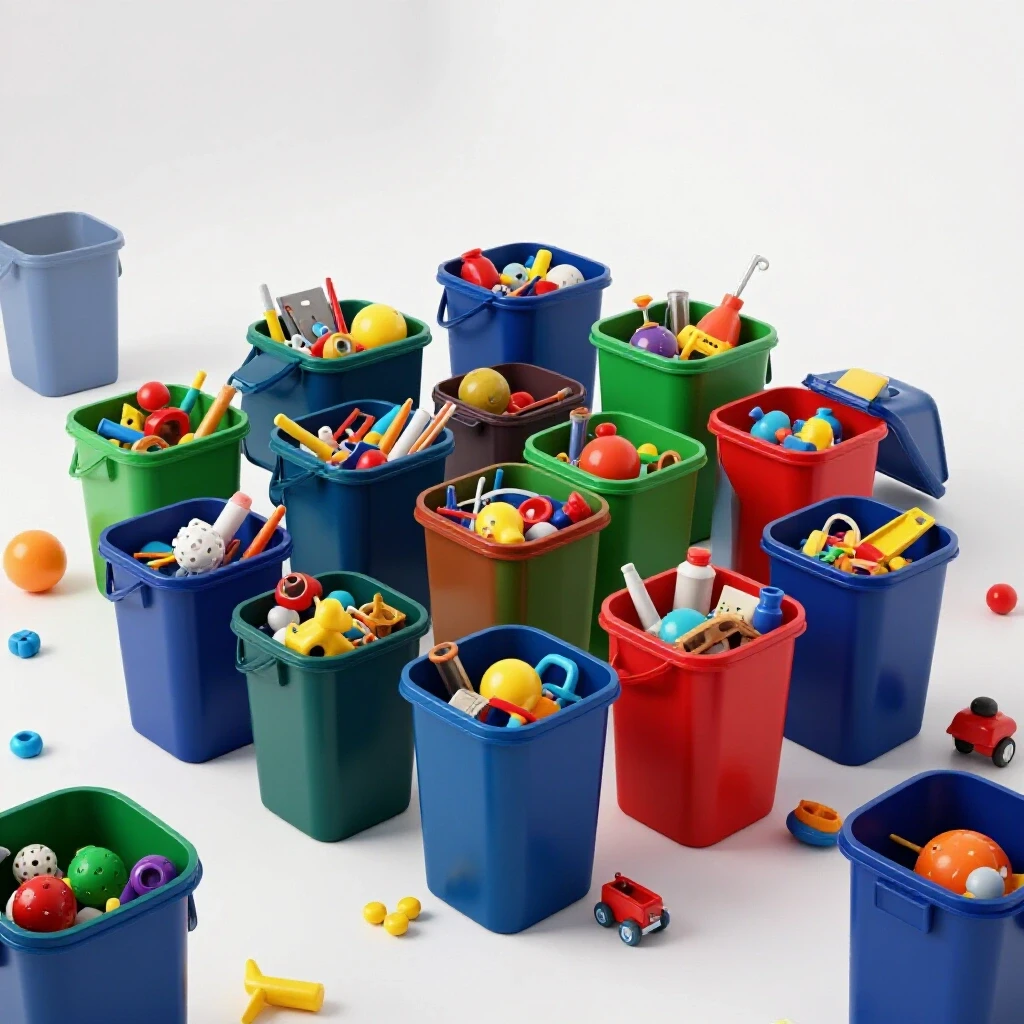
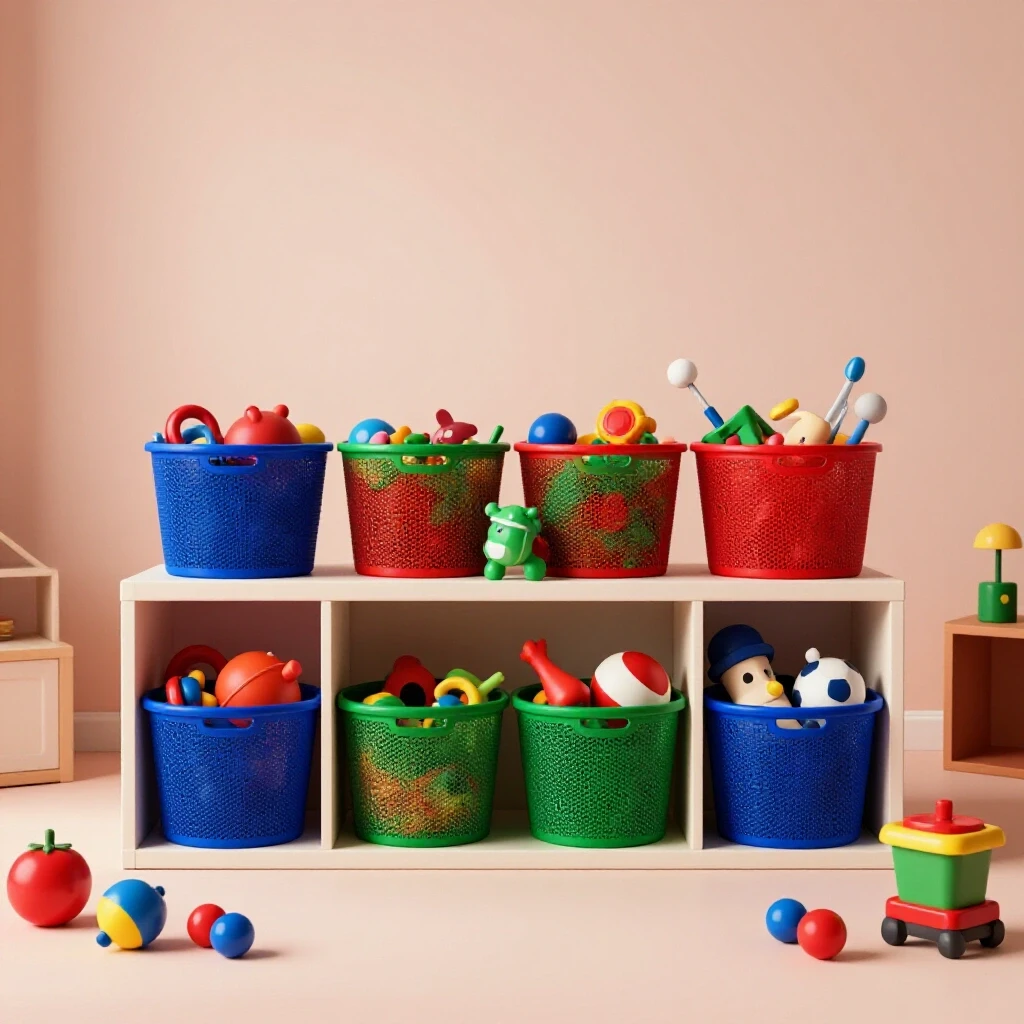
How to Declutter with the Use It or Lose It Method (Step-by-Step)

In the world of interior design, a trendsetter might choose a minimalist glass coffee table to anchor a living room. It looks sleek in a magazine, but in a home with three kids and two working parents, that table quickly becomes a landing pad for mail, stray toys, and half-finished projects. This gap between how a space looks and how it actually functions is where most home organization systems fail. After 11 years in operations and logistics, I have learned that a home is not a static showroom; it is a high-volume distribution center. When the “inflow” of objects exceeds our “outflow” capacity, the system breaks down, leading to the visual clutter that many families struggle to manage.
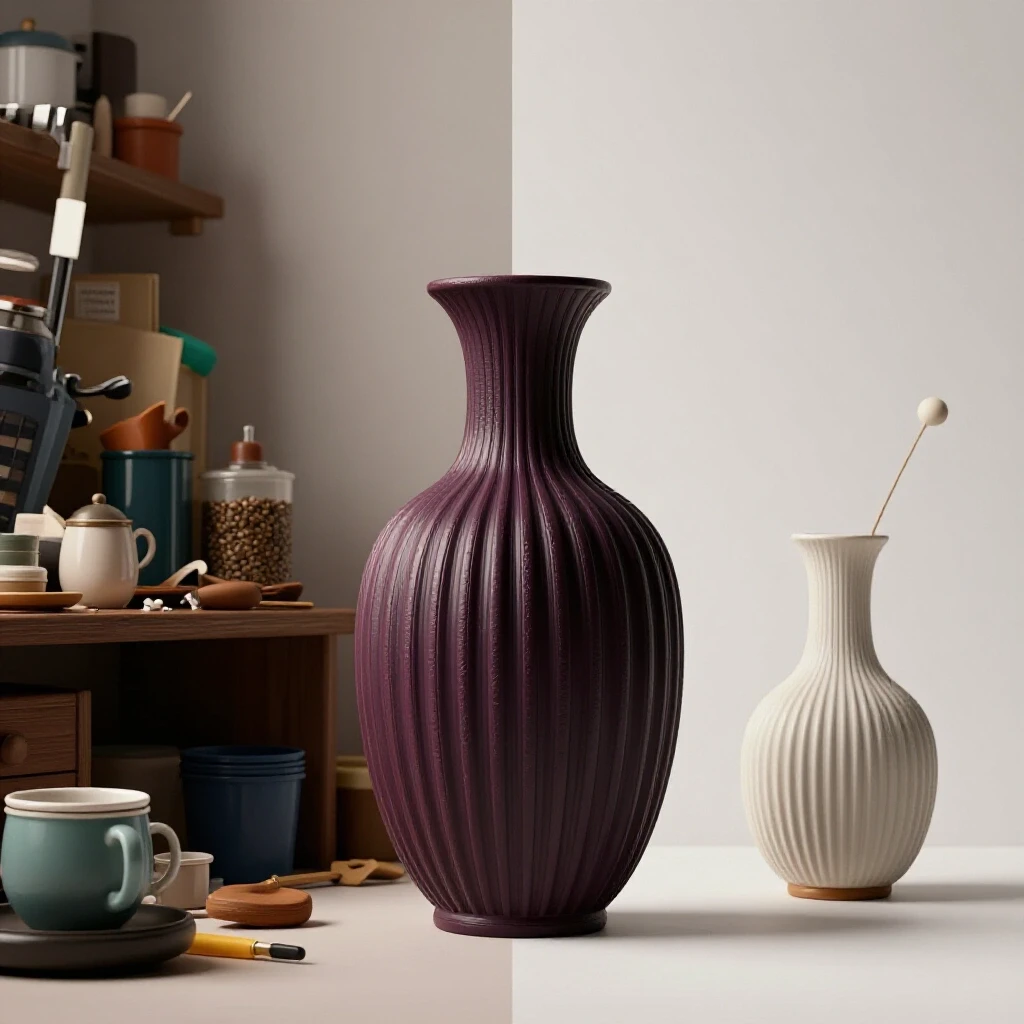
Assessing Household Utility Through Observed Frequency
Evaluating objects based on how often they are actually handled in daily life rather than their perceived value is the foundation of a functional home. Instead of keeping items because they might be useful someday, we look at the reality of our current routines. This involves monitoring the movement of goods within the home to identify which items earn their keep and which simply occupy valuable real estate.
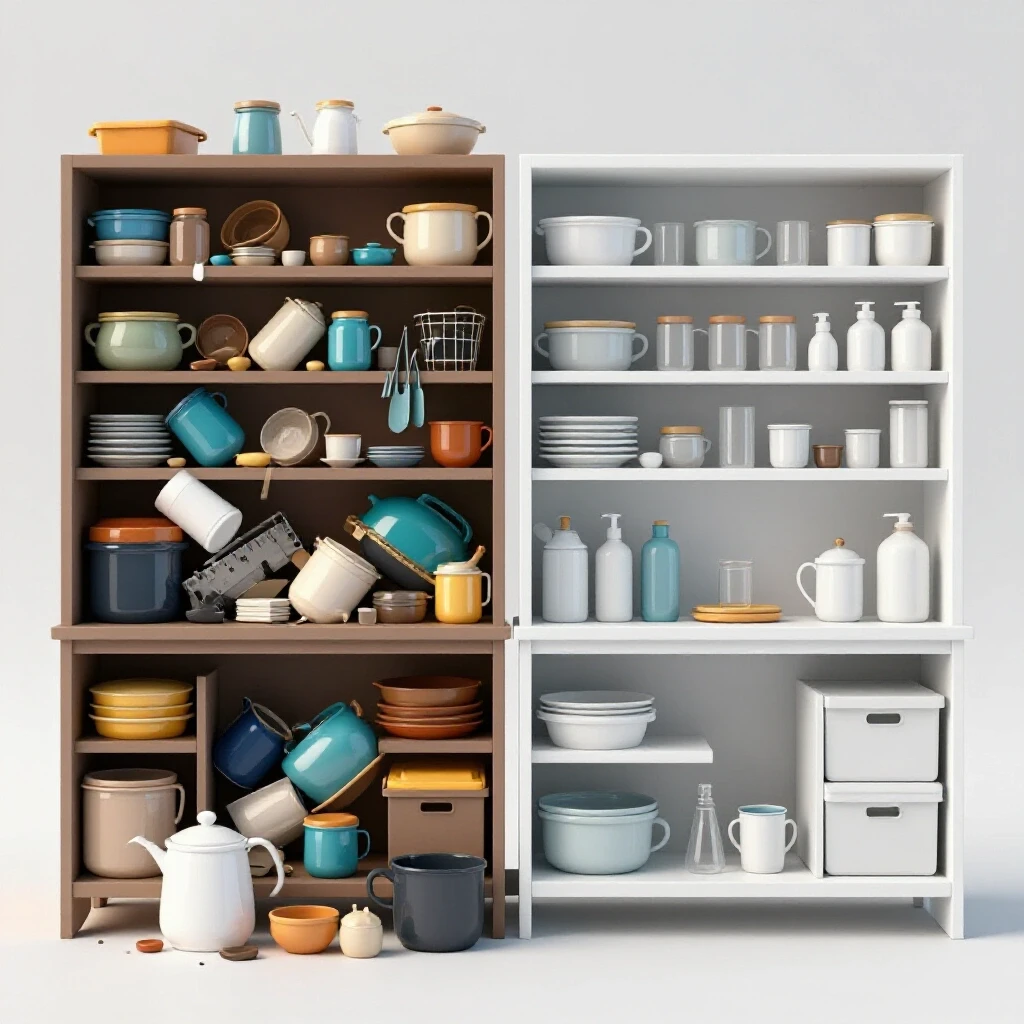
In my own home, I began applying a “frequency of use” audit to our common areas. We noticed that our kitchen counters were crowded with appliances we only used once a month, while the items we used daily, like cutting boards and school lunch containers, were buried in deep cabinets. By tracking how often we touched an object over a two-week period, we identified a significant amount of “stagnant inventory.” This included specialized kitchen gadgets, such as a cherry pitter and a decorative bread basket, which had not been moved in months.
Interestingly, research in environmental psychology suggests that “visual complexity”—too many objects in a field of vision—can increase the time it takes to perform simple tasks. When we remove items that fail the utility test, we are not just cleaning; we are reducing the cognitive load required to navigate our own homes. Building on this, we found that the most surprising discards were often the things we thought we “needed” for a specific lifestyle, like high-end craft kits or complex filing systems that were too cumbersome to actually use.
Why High-Friction Systems Lead to Rapid Clutter Reversion
Retrieval friction refers to the number of physical and mental steps required to get an item out or put it away. If a storage system requires moving three other boxes to reach the one you need, the friction is too high. High-friction systems are the primary reason why rooms revert to a cluttered state within days of being organized, as family members naturally take the path of least resistance.
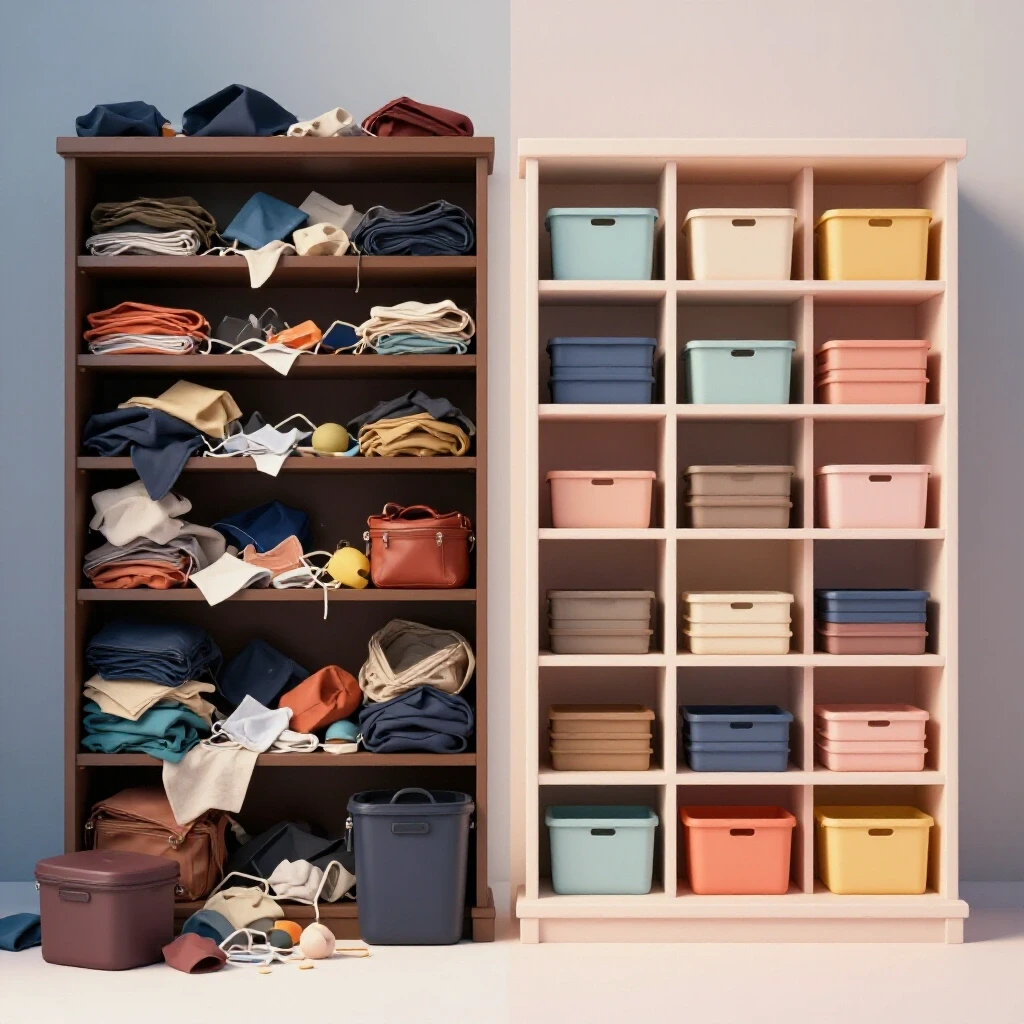
When I redesigned our family’s entryway, I initially installed beautiful lidded wicker baskets for shoes. It looked great for exactly forty-eight hours. Then, the shoes began to pile up on top of the lids. The “friction” of lifting a lid was just enough to discourage my children from completing the task. We swapped the lidded baskets for open-top bins, and the floor remained clear. This change reduced the retrieval and return process from two steps to one.
Storage Friction Index by Bin Type
| Container Type | Steps to Access | Steps to Return | Friction Level | Best For |
|---|---|---|---|---|
| Open Basket | 1 | 1 | Low | Daily toys, shoes, frequently used blankets |
| Lidded Bin (No Latches) | 2 | 2 | Medium | Weekly hobby supplies, seasonal accessories |
| Latched/Stacked Bins | 4+ | 4+ | High | Holiday decor, long-term archival storage |
| Drawer with Dividers | 1 | 1 | Low | Stationery, kitchen utensils, daily tools |
As the table shows, the more steps involved, the less likely a system is to be maintained. For a busy professional, a system with a friction level of “High” for daily items is a guaranteed failure point. By selecting low-friction storage gear, we align our home’s logistics with the natural behavior of the people living in it.
Implementing a High-Efficiency Sorting Framework
A systematic approach to sorting involves categorizing items by their active utility rather than their category. Instead of sorting “all toys,” we sort “toys used this week” versus “toys not touched in a month.” This allows us to prioritize the most accessible zones for the items that facilitate our daily lives while identifying candidates for removal.
During our last major sorting sprint, my family used a simple three-zone map. Zone 1 was for items used daily, Zone 2 for items used weekly, and Zone 3 for anything used less than once a month. We discovered that nearly 40% of the items in our high-traffic living areas were actually Zone 3 objects. These were the “surprising discards”—items like heavy coffee table books no one read, decorative candles that were never lit, and old magazines.
- Zone 1 (Prime Real Estate): Reachable without a stool or bending significantly.
- Zone 2 (Secondary Storage): High shelves or lower cabinets.
- Zone 3 (Deep Storage): Closets, garage, or off-site.
By moving Zone 3 items out of our active living spaces, we increased our spatial capacity. This made it easier to find what we actually used, reducing the time spent searching for keys or school forms. A logistical audit of your home’s “flow rate” can reveal exactly where bottlenecks are occurring.
Identifying Stagnant Objects and Surprising Discards
Stagnant objects are those that have remained in the same position for a long duration, indicating they are no longer integrated into the family’s daily routine. Identifying these items requires a critical eye and a willingness to acknowledge that our interests and needs change over time. Common culprits include hobby materials for abandoned projects and decor that no longer fits the home’s aesthetic.
In our household, the most surprising discards came from my home office and our craft area. I had been holding onto a large collection of specialized shipping supplies and heavy-duty binders that I hadn’t used since my early days in logistics. Similarly, my spouse found that several expensive craft kits had been sitting untouched for three years. These items were taking up prime shelf space that could have been used for current projects.
Decluttering Sorting Log: A Sample Audit
| Item Category | Last Used | Current Location | Action Taken |
|---|---|---|---|
| Specialized Bakeware | 14 Months Ago | Kitchen Counter | Removed to Deep Storage |
| Kids’ Art Supplies | Yesterday | Dining Table | Moved to Low-Friction Bin |
| Old Tech Cables | 2+ Years Ago | Desk Drawer | Discarded/Recycled |
| Decorative Vases | Unknown | Entryway Console | Repurposed for Storage |
Building on this data, we realized that “lifestyle” objects often create the most clutter. These are things we buy for the person we think we are—the person who bakes sourdough every weekend or paints watercolors—rather than the person we actually are. Removing these items didn’t just clear space; it simplified our daily maintenance routines because there were fewer things to move when cleaning surfaces.
Redesigning Zones for Low-Maintenance Flow
Zoning principles involve grouping related activities and their required tools into specific, dedicated areas of the home. This reduces the distance an item must travel from its “home” to its “point of use,” which is a standard efficiency metric in industrial logistics. When zones are clearly defined, every family member knows exactly where an item belongs.
For example, we created a “Launch Pad” near the front door. This zone contains only the items needed to leave the house: keys, bags, and shoes. By strictly limiting this zone to these items, we prevented the “creeping clutter” that usually happens when mail or groceries are dropped there. We also applied this to our children’s play areas, using open-top bins labeled with simple icons rather than complex text.
- Point-of-Use Storage: Keep the coffee pods next to the coffee maker, not across the kitchen.
- Visual Cues: Use clear bins so the contents are visible at a glance, reducing “search time.”
- Capacity Limits: If a bin is full, one item must be removed before a new one is added.
These simple logistical adjustments ensure that the home stays functional even during busy work weeks. When a system is designed around human movement and spatial ergonomics, it requires much less willpower to maintain.
Case Study: The Craft Room Overhaul
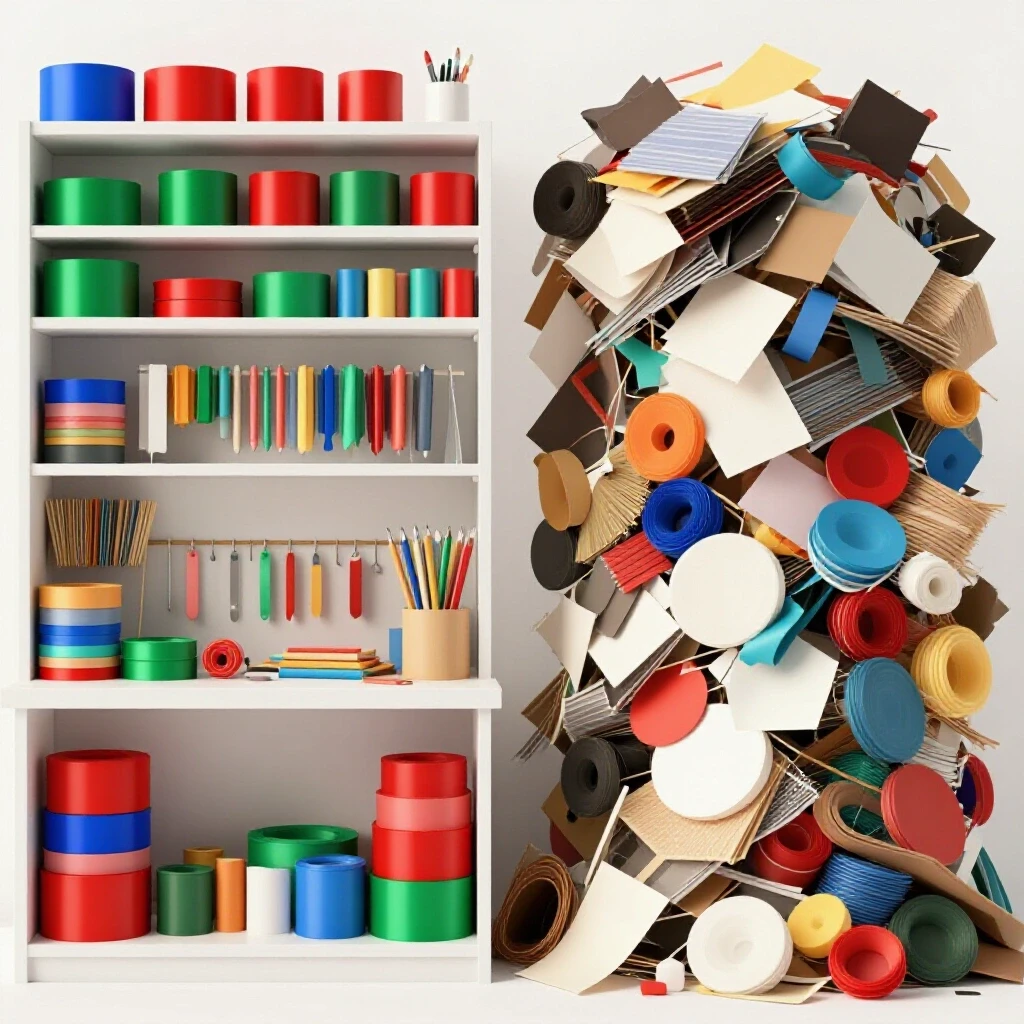
Our craft room was a classic example of a “high-friction” disaster. Supplies were stored in beautiful, matching opaque boxes stacked four high. To get to a piece of construction paper, a child had to unstack three heavy boxes, take the lid off the fourth, and then (theoretically) put it all back. As an operations professional, I saw this as a massive logistics bottleneck.
We replaced the stacked boxes with a modular drawer system. This changed the retrieval process from a multi-step physical task to a single-motion pull. We also evaluated every material in the room. We discovered that nearly half of the supplies were for crafts the children had outgrown or were “one-off” kits that were missing parts. By removing these, we reduced the total volume of items by 30%, which made the remaining supplies much easier to manage.
Daily Maintenance Timelines by Family Size
| Family Size | High-Friction System (Min/Day) | Low-Friction System (Min/Day) | Time Saved Weekly |
|---|---|---|---|
| 2 Adults | 20 | 10 | 70 Minutes |
| 2 Adults, 1 Child | 45 | 20 | 175 Minutes |
| 2 Adults, 2+ Children | 60+ | 30 | 210+ Minutes |
The results were measurable. The time spent “resetting” the room each evening dropped from fifteen minutes to less than five. This demonstrates that the physical layout of our storage has a direct impact on our daily time management.
Sustainable Maintenance Habits and Feedback Loops
A sustainable system requires a feedback loop—a regular interval where you check to see if the system is still working. In logistics, we call this a “cycle count.” In a home, this might be a five-minute sweep before bed or a monthly check of the “Zone 1” areas to see if stagnant items have started to accumulate again.
We established a “One-In, One-Out” rule for certain categories, like clothing and toys. This maintains a steady state of inventory and prevents the home from reaching a tipping point where it feels overwhelming. We also use digital inventory methods for things like pantry items or bulk household goods to avoid over-purchasing, which is a major source of inflow clutter.
- Morning Reset: Spend 5 minutes clearing the “Launch Pad” for the day ahead.
- Evening Sweep: 10 minutes of returning Zone 1 items to their designated low-friction bins.
- Monthly Audit: Identify any item that hasn’t been used in 30 days and move it to Zone 2 or 3.
- Labeling: Use clear, durable labels to reinforce the “home” of every object.
These habits are the “grease” that keeps the logistical gears of the home turning. They are not about perfection; they are about maintaining a functional flow that supports the family’s lifestyle rather than hindering it.
Strategic Recommendations for Long-Term Order
To maintain a tidy, functional living space, focus on the “flow” of objects rather than the “look” of the storage. Start by identifying your high-traffic areas and reducing the friction in those spots first. Don’t be afraid to discard items that are technically “good” but no longer serve a purpose in your current daily life.
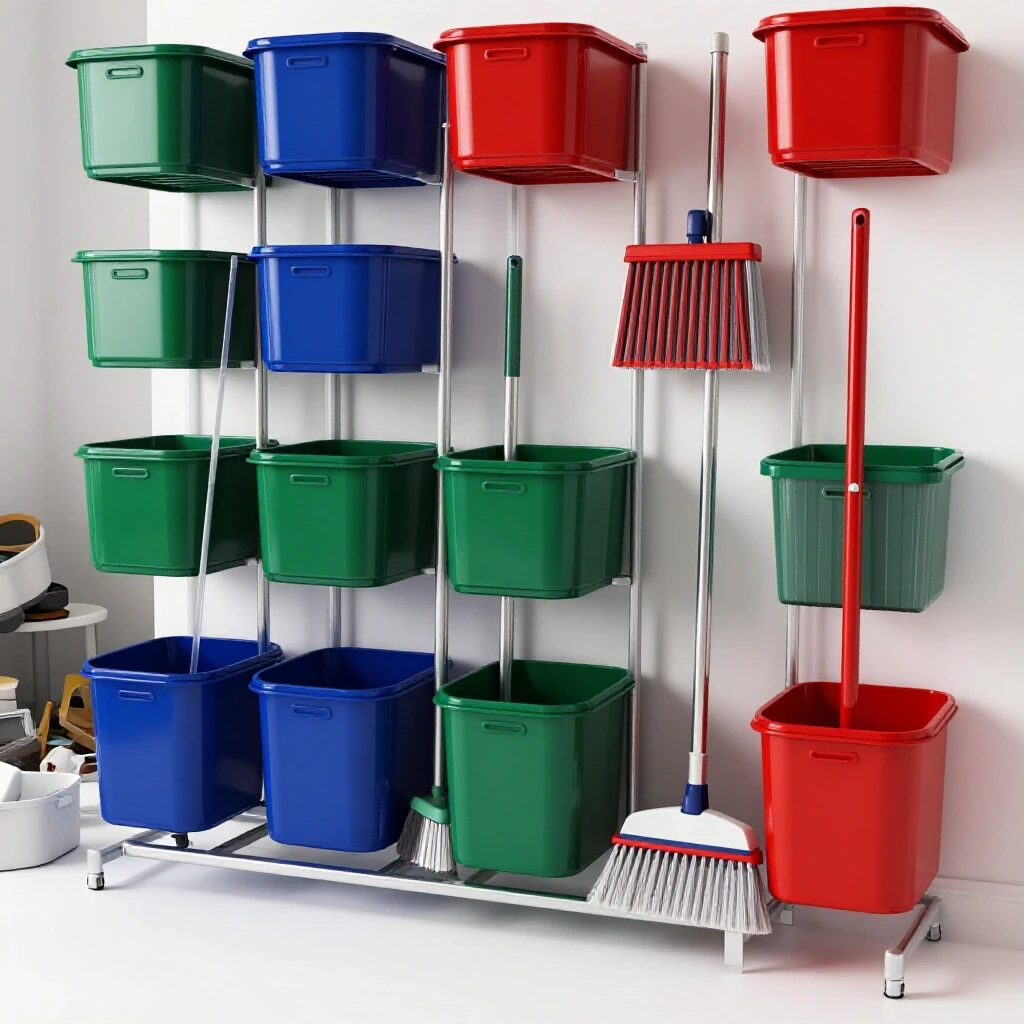
- Prioritize Function Over Form: An open plastic bin that gets used is better than a decorative box that stays messy.
- Audit Your “Just in Case” Items: If you haven’t used it in a year, the cost of the space it occupies is likely higher than the cost of replacing it if needed.
- Involve the Whole Family: Systems must be simple enough for the youngest member to follow, or they will inevitably fail.
By treating your home like a well-oiled logistics hub, you can reduce the daily stress caused by disorganization. The goal is a home that works for you, providing a calm environment where you can focus on what truly matters.
Frequently Asked Questions
How do I decide if an item is “stagnant” if I think I might use it later? A stagnant item is defined by its lack of movement over a specific period, usually six to twelve months. If you haven’t touched it in that time, it is not part of your current “active inventory.” Move it to a secondary storage zone (Zone 2 or 3) to see if you actually miss it. If another six months pass without use, it is a prime candidate for removal.
What are the most common “surprising discards” in a family home? The most common surprises are often specialized kitchen tools (like avocado slicers), hobby supplies for past interests, and “aspirational” decor that no longer fits your style. We also find that old electronics cables and manuals for items we no longer own take up a surprising amount of space in “junk” drawers.
How can I reduce the friction of putting things away for my kids? Use open-top bins at their height. Eliminate lids, latches, and drawers that are heavy or hard to pull. Label bins with pictures or icons so they don’t have to read to know where things go. The fewer steps it takes for them to drop an item into its “home,” the more likely they are to do it.
Why does my house get messy again so fast after I organize it? This usually happens because the storage system has too much “retrieval friction.” If it’s hard to put things away, people will leave them on flat surfaces instead. Your system likely relies on “perfection” rather than “flow.” Simplify the bins and ensure every item has a dedicated, easy-to-reach home.
Is it better to organize room by room or by item category? In a busy home, organizing by “Zone” or “Activity Center” is often more effective. Focus on the areas that cause the most daily friction, like the entryway or the kitchen. Fixing the logistics of these high-traffic zones provides the most immediate relief from daily clutter.
How do I handle “sentimental” items that fail the use-it test? While our focus is on utility, you can manage sentimental items by moving them out of “Prime Real Estate.” Store them in labeled, high-friction bins in a basement or attic (Zone 3). This keeps them safe without allowing them to interfere with the daily function of your living spaces.
What is the “One-In, One-Out” rule, and how do I start? This rule states that for every new item brought into the home, an existing item must leave. It’s easiest to start with specific categories like shoes, toys, or kitchen mugs. This prevents your “inventory” from exceeding your home’s “spatial capacity.”
How often should I perform a “utility audit” of my belongings? A seasonal audit (every three months) is usually sufficient for most families. This aligns with changes in weather and activities, making it a natural time to swap out sports gear, clothing, and seasonal decor while identifying items that weren’t used in the previous season.
Can “visual clutter” really affect how I feel in my home? Yes, from a spatial ergonomics perspective, visual clutter creates “noise” that the brain has to process constantly. This can lead to decision fatigue and a feeling of being overwhelmed. Reducing the number of visible objects simplifies the environment and makes daily tasks feel less taxing.
What are some low-maintenance storage solutions for a small home? Focus on vertical space and multi-functional furniture. Use wall-mounted hooks for bags and coats, and clear, stackable drawers for small items. The key is to keep frequently used items between hip and eye level to minimize the effort required to reach them.
(This article was written by one of our staff writers, Christopher Bennett. Visit our Meet the Team page to learn more about the author and their expertise.)