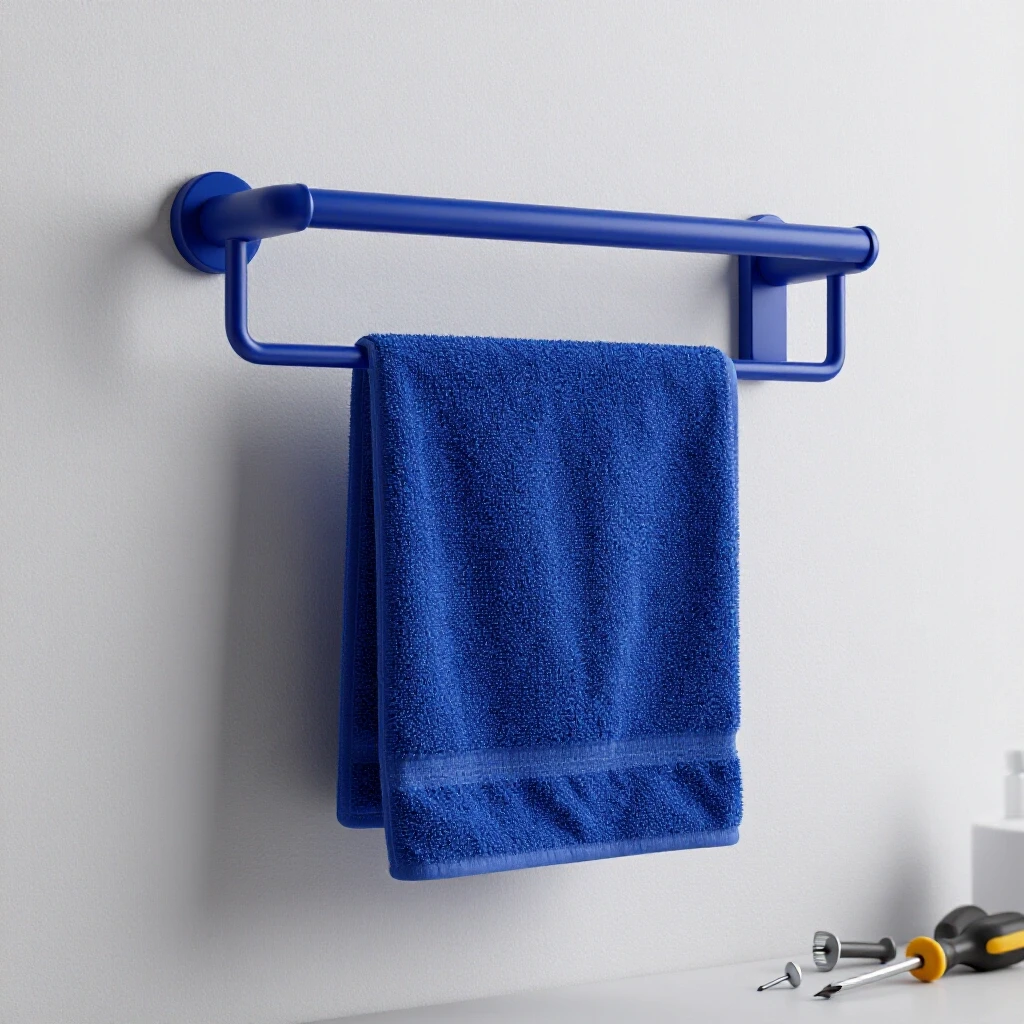
How to Fix a Loose Towel Rack on Drywall (Step-by-Step Guide)

According to home safety data, nearly 235,000 people visit emergency rooms annually due to bathroom-related injuries. While a sagging towel bar might seem like a minor cosmetic issue, it often points to a failure in wall integrity or hardware choice that can lead to further drywall damage. Many homeowners ignore a wobbly fixture until it pulls out completely, leaving behind unsightly holes and a frustrating weekend project.
In my 12 years as a facilities manager, I have seen hundreds of these failures. Most occur because the original installer relied on the cheap plastic expansion anchors that come in the box. These are often insufficient for the “pull force” applied when a heavy, damp bath towel is draped over the bar. In my first home, I made the mistake of simply hammering a larger plastic plug into a crumbling hole, only to have the entire fixture fall off two days later. That was my first real lesson in anchor physics and the importance of using the right hardware for the substrate.
Assessing the Root Cause of Hardware Instability
Before you reach for your drill, you must understand why the current mounting system failed to hold the weight of your linens. This phase involves inspecting the wall material, checking for hidden moisture damage, and determining if the original holes can be reused or if the fixture needs to be shifted slightly for better support.
When a mounting bracket starts to pull away from the wall, it creates a “lever effect.” Every time you pull a towel off the rack, you exert force that widens the internal diameter of the hole in the drywall. If the wall feels soft or looks discolored, you might be dealing with moisture issues behind the surface, which is a common problem in poorly ventilated bathrooms. In most cases, however, the failure is simply due to the anchor’s inability to grip the gypsum core of the drywall.
| Factor | Description | Impact on Repair |
|---|---|---|
| Wall Material | Drywall, plaster, or tile over backer board. | Dictates the type of drill bit and anchor needed. |
| Hole Condition | Clean circle vs. blown-out “crater.” | Determines if a toggle bolt or a patch is required. |
| Moisture Level | Dry and brittle vs. soft and damp. | Soft walls require structural repair before mounting. |
| Weight Load | Standard hand towels vs. heavy decorative sets. | Influences the shear strength requirements of the hardware. |
Essential Tools for Bathroom Hardware Reinforcement
Having the correct toolset prevents the frustration of mid-project hardware store runs and ensures the repair is code-compliant and structurally sound. A successful upgrade requires a mix of precision measuring tools, a reliable power drill, and specialized fasteners that provide a mechanical interlock behind the wall surface rather than just friction.
For this DIY home improvement task, I recommend a “buy once, cry once” approach to tools. A high-quality level and a versatile cordless drill are staples for any weekend DIY projects. You will also need a set of screwdrivers—both Phillips and flathead—to handle the small set screws found on the underside of most decorative mounting posts.
- Cordless Drill/Driver: A 12V or 18V drill is necessary for creating clean pilot holes.
- Torpedo Level: A 6-inch or 12-inch level ensures your bar is perfectly horizontal.
- Toggle Bolts or Zip Toggles: These provide a metal channel that opens behind the drywall for maximum grip.
- Phillips and Flathead Screwdrivers: Needed for the mounting plate and the set screws.
- Stud Finder: Essential for checking if you can bypass anchors and screw directly into a 2×4 stud.
- Dust Mask and Safety Glasses: Protects against fine gypsum dust and flying debris during drilling.
- Pencil and Masking Tape: For marking hole locations without staining the paint.
Selecting the Right Anchors for Drywall and Tile
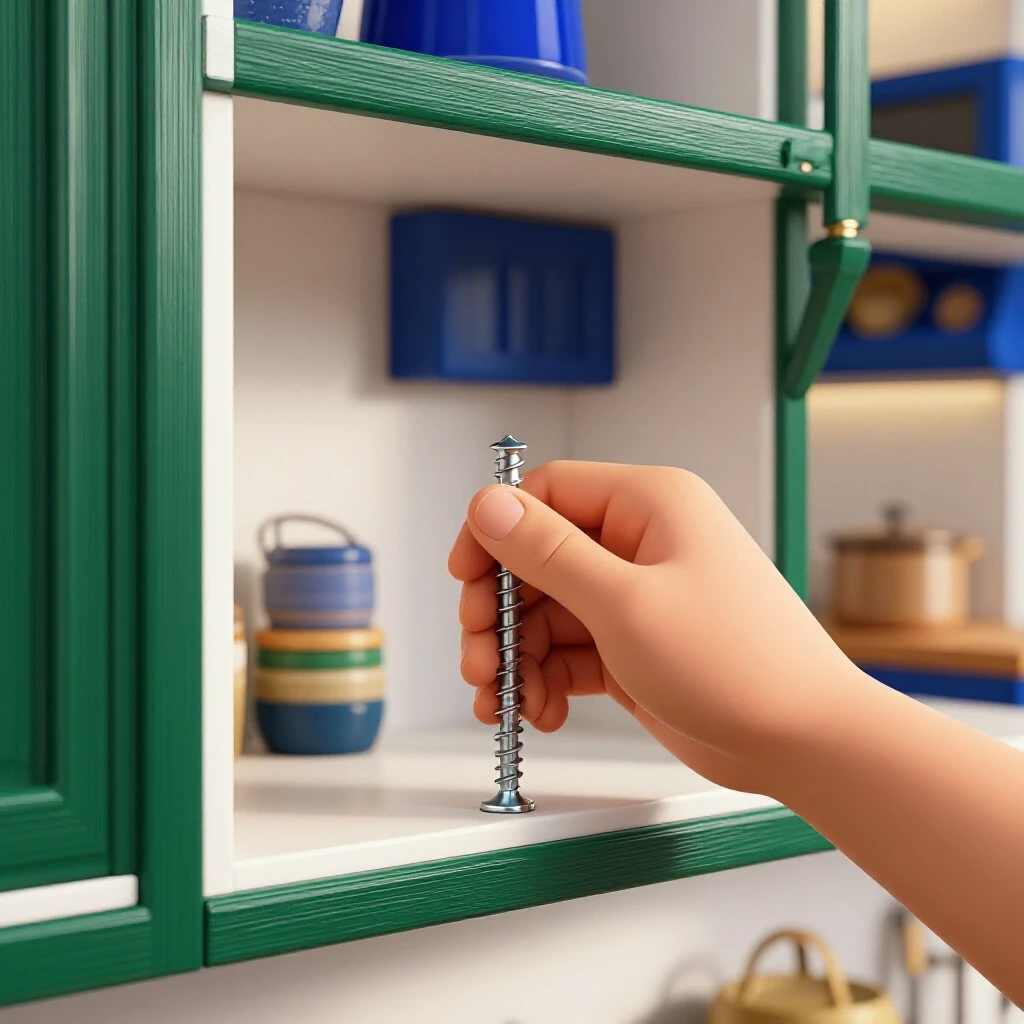
Choosing the correct fastening hardware is the difference between a permanent fix and a recurring headache. While standard plastic plugs rely on friction, heavy-duty anchors like toggle bolts or threaded “self-drilling” zinc anchors create a larger surface area of contact, distributing the weight of the towel bar across a wider section of the wall.
I have found that for most DIY home improvement tasks involving bathroom fixtures, the “Zip Toggle” is a game-changer. Unlike old-fashioned spring-loaded toggle bolts, these allow you to remove the bolt without the backer falling behind the wall. This is a critical feature if you ever need to paint the room or replace the fixture in the future.
- Plastic Expansion Anchors: Best for very light loads on solid walls; generally poor for drywall towel bars.
- Self-Drilling Zinc Anchors: These screw directly into the wall; they offer better grip than plastic but can still pull out of old, dry gypsum.
- Toggle Bolts: The gold standard for hollow walls; a metal wing opens behind the drywall to provide a “sandwich” grip.
- Molly Bolts: These expand into a “mushroom” shape behind the wall; they are permanent and very difficult to remove once installed.
Step-by-Step Guide to Securing a Wobbly Towel Bar
Executing a clean repair requires a systematic approach that starts with the careful removal of the existing hardware to prevent further wall damage. By following a structured process, you ensure that the new anchors are positioned correctly and that the mounting brackets are level, resulting in a professional-grade finish that lasts for years.
First, locate the small set screw on the bottom of each decorative end cap. Use a precision screwdriver to loosen it—you don’t usually need to remove it entirely—and lift the bar and caps off the wall. This reveals the mounting plates. Once the plates are unscrewed, you can see the state of the existing holes. If the holes are significantly enlarged, you will likely need to move to a toggle-style fastener that can span the damaged area.
Phase 1: Preparation and Assessment
Start by cleaning the area around the holes with a damp cloth. Use your stud finder to see if there is wood behind the drywall. If you hit a stud, skip the anchors and use a 2.5-inch wood screw. If the wall is hollow, measure the diameter of the existing hole. Most heavy-duty toggle bolts require a 1/2-inch or 5/8-inch hole, so you may actually need to make the hole slightly larger to accommodate the new hardware.
Phase 2: Installing the New Anchors
If using Zip Toggles, slide the metal channel through the hole while holding the plastic straps. Once the channel is flat against the back of the drywall, slide the plastic cap down the straps until it is flush with the wall surface. Snap off the excess plastic straps. This leaves a threaded metal hole perfectly positioned. This “dry-fit” approach ensures the anchor is secure before you ever touch the mounting bracket.
Phase 3: Mounting and Leveling
Place the mounting bracket over the anchor hole and thread the bolt through. Before tightening it completely, use your torpedo level to ensure the bracket is vertical. For the second bracket, place the towel bar into the first cap and use the bar itself as a guide to ensure the second bracket is perfectly aligned. A common mistake is measuring from the floor; always use a level, as floors and ceilings are rarely perfectly straight.
Troubleshooting Common Installation Hurdles
Even the most straightforward weekend DIY projects can hit a snag, such as encountering a hidden metal plate or finding that a hole is too close to a wall stud. Knowing how to adapt your technique when the wall doesn’t cooperate is what separates an experienced DIYer from a frustrated beginner who ends up calling a pro.
One frequent issue I encounter in facilities management is the “oversized hole” problem. If the drywall has crumbled significantly, a standard anchor won’t work. In this case, you might need to use a “wall plate” or a decorative piece of wood trim to span the gap and provide a new mounting surface. Alternatively, you can use a high-strength wall repair compound to fill the hole, let it cure for 24 hours, and then redrill—though this is rarely as strong as a mechanical toggle.
| Issue | Solution | Time Added |
|---|---|---|
| Stripped Set Screw | Use a small pair of pliers or a rubber band for grip. | 10 Minutes |
| Hit a Stud Partially | Use a specialized “bullnose” screw or shift the bracket. | 15 Minutes |
| Cracked Tile | Use a diamond-tipped masonry bit and slow drill speeds. | 30 Minutes |
| Misaligned Brackets | Use the “slotted” holes in the bracket for minor adjustments. | 5 Minutes |
Safety Precautions and Building Code Considerations
While installing a towel bar doesn’t usually require a building permit, following safety standards like those set by the Americans with Disabilities Act (ADA) can improve the functionality of your home. Understanding the difference between a decorative towel bar and a structural grab bar is vital for the safety of your family and guests.
It is important to note that a standard towel bar is not designed to support human weight. According to most manufacturer technical guides, these fixtures are rated for 10 to 20 pounds of “static load.” If someone grabs the bar to steady themselves, it will almost certainly fail. If you have elderly family members or children, consider upgrading to a “dual-purpose” bar that is rated for 250 pounds and is anchored directly into studs with structural screws.
- Check for Utilities: Before drilling, use a non-contact voltage tester or a stud finder with AC detection to ensure you aren’t about to hit a wire or a plumbing pipe.
- Wear Eye Protection: Gypsum dust is an irritant, and tile shards can be sharp.
- Vacuum Dust Immediately: Bathroom floors become incredibly slippery when covered in fine drywall dust.
- Check Torque: Do not over-tighten the set screws; you can strip the soft metal or crack the decorative finish.
Final Inspection and Maintenance Routine
Once the hardware is secure, a final quality check ensures that your work meets the high standards of a safe home repair. Regular maintenance, such as tightening the set screws every six months, can prevent the minor wobbles that eventually lead to major wall damage, saving you time and money in the long run.
Give the bar a firm but gentle tug to ensure there is no movement. The brackets should feel like they are part of the wall. If you see any gaps between the decorative cap and the wall surface, the set screw may need further adjustment. To keep the finish looking new, avoid using abrasive cleaners that can corrode the mounting hardware over time.
- Check for Level: One last check with the torpedo level.
- Set Screw Tightness: Ensure the bar doesn’t rotate or slide.
- Clean Up: Wipe down the wall to remove any pencil marks or fingerprints.
- Documentation: Keep a spare anchor and the hex key (if provided) in a kitchen drawer for future adjustments.
DIY vs. Professional Cost and Time Analysis
For a busy professional, the decision to handle a repair personally often comes down to the return on investment. While a handyman might charge a minimum service fee just to show up, completing this task yourself allows you to invest in high-quality tools that you will use for future step-by-step home upgrades.
| Category | DIY Approach | Professional Service |
|---|---|---|
| Material Cost | $10 – $20 (High-end anchors) | $10 – $20 |
| Labor Cost | $0 (Your sweat equity) | $75 – $150 (Minimum call-out) |
| Time Investment | 1 – 2 Hours | 4+ Hours (Waiting for arrival) |
| Tool Investment | $50 – $100 (If buying new) | Included in fee |
| Total Savings | $65 – $130 | $0 |
By taking the lead on this project, you gain the satisfaction of a job well done and the peace of mind that comes from knowing the anchors behind the wall are much stronger than the ones the builder originally installed. This is a foundational skill that builds confidence for more complex tasks like tiling or plumbing repairs.
Frequently Asked Questions
Can I just use larger screws in the existing plastic anchors? No. Using a larger screw in a failed plastic anchor usually just stretches the plastic further, causing it to lose its remaining grip on the drywall. It is always better to remove the old anchor and replace it with a toggle bolt that grips the back of the wall.
What should I do if the wall behind the towel bar is damp? If the drywall is soft or damp, you must stop the repair and find the source of the moisture. It could be a leaking pipe or high humidity due to a failing exhaust fan. Anchors will not hold in wet drywall, and you risk mold growth if you simply cover the problem.
Do I need a special drill bit for bathroom tile? Yes. Standard twist bits will dull instantly and likely crack the tile. You should use a carbide-tipped masonry bit or a diamond-tipped hole saw. Tip: Place a piece of masking tape over the tile to prevent the bit from “skipping” when you start the hole.
How do I know if I hit a stud? If your drill suddenly meets significant resistance and you see wood shavings coming out of the hole, you have hit a stud. In this case, do not use an anchor. Switch to a standard wood screw, which will provide a much stronger hold than any hollow-wall fastener.
Is there a weight limit for towel bars? Most standard bars are rated for 10-15 pounds. This is enough for two large, wet bath towels. However, they are not designed to be used as grab bars. If you need a support fixture, you must install a dedicated grab bar anchored into the wall studs.
Why does my towel bar keep coming loose even after I tighten the screws? The most common reason is that the mounting bracket is not flush against the wall, or the set screw is not catching the “lip” of the bracket correctly. Ensure the bracket is screwed tightly to the wall before attaching the decorative end cap.
Can I use liquid nails or adhesive instead of anchors? I do not recommend this. Adhesives can tear the paper face off the drywall when the bar is under load, leading to a much larger repair. Mechanical fasteners are the only code-compliant and reliable way to secure heavy bathroom fixtures.
What size toggle bolt is best for a standard towel bar? A 1/8-inch or 3/16-inch toggle bolt is usually sufficient. These sizes are small enough to fit through most mounting bracket holes while providing hundreds of pounds of pull-out resistance.
Should I use a manual or power screwdriver for the final tightening? Always use a manual screwdriver for the final tightening of the set screws and the mounting plates. Power drivers can easily over-torque the small screws, stripping the heads or the threads.
How do I fill the old holes if I have to move the bar? Use a high-quality spackle or joint compound. Apply it in thin layers, let it dry, sand it smooth with 220-grit sandpaper, and then apply a matching dab of paint. If the holes are large, you may need a mesh patch.
(This article was written by one of our staff writers, Robert Callahan. Visit our Meet the Team page to learn more about the author and their expertise.)