Best Scratch-Resistant Paints for High-Traffic Areas (Guide)

Highlighting innovation in the residential sector often focuses on smart home technology or high-efficiency HVAC systems. However, in my 18 years as a project coordinator, the most impactful advancement I have seen is the development of high-performance interior coatings. These specialized finishes are designed to withstand the daily friction of a busy household, resisting the marks and abrasions that typically degrade a fresh renovation within months.
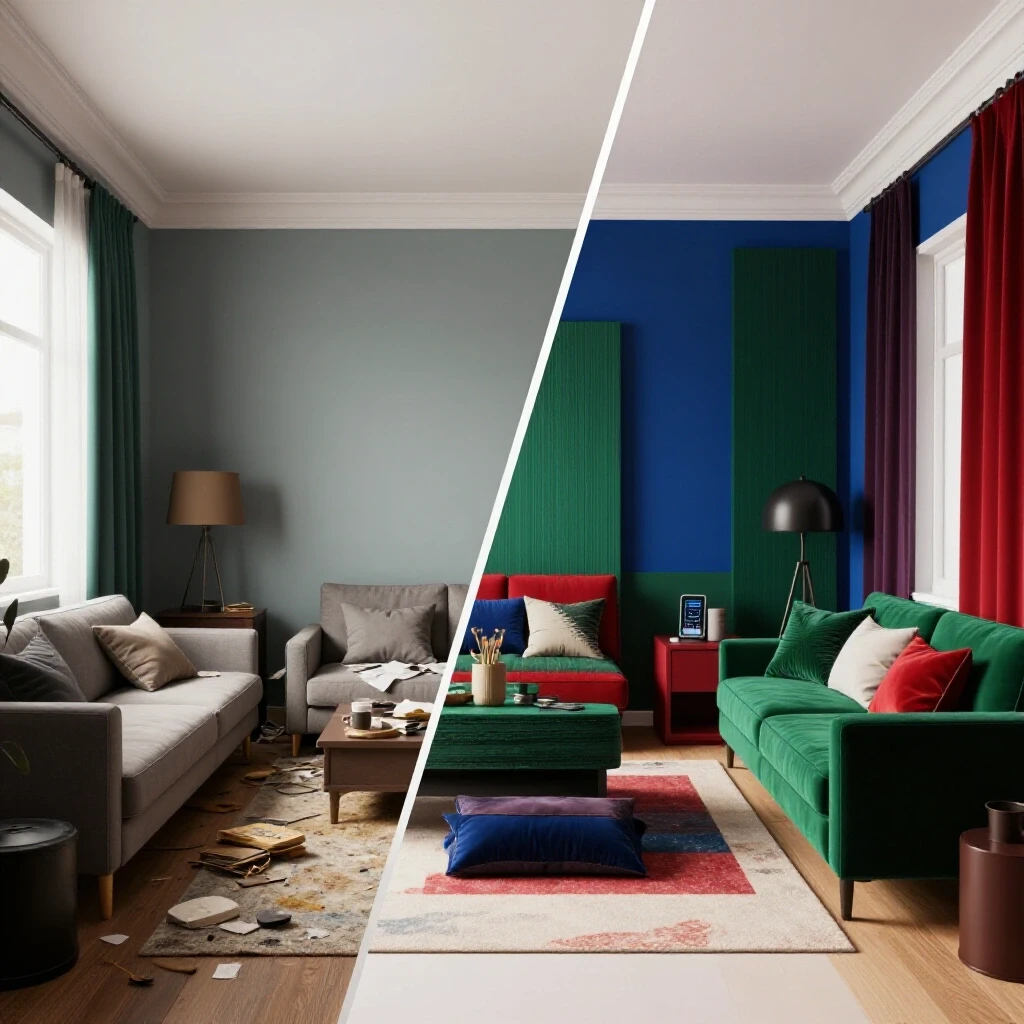
When I managed my first full-home renovation, I made the mistake of using standard contractor-grade latex on the baseboards and hallway walls. Within six months, the vacuum cleaner and my two labs had turned the lower third of my walls into a roadmap of black scuffs and deep nicks. I learned quickly that the “finish phase” of a remodel is not just about color; it is about selecting a surface that can survive real life.
Defining the Scope for High-Performance Interior Coatings
A scope of work is a detailed document that describes every task to be performed in a project, including materials and methods. For a renovation, this means specifying exactly which rooms require finishes that can handle high contact. You do not need a hardened, mar-resistant coating in a guest bedroom that sees little use, but you absolutely need it in mudrooms, kitchens, and stairwells.
In my professional experience, homeowners often treat paint as an afterthought. They focus on the “rough-in” phase—the period when plumbing, electrical, and mechanical systems are installed behind the walls—and then rush the final aesthetic choices. By defining your need for durable finishes during the design phase, you allow for accurate material lead-time calculations. Some premium, scuff-resistant products are not stocked at local big-box stores and may require a week or more for delivery.
- Identify high-traffic zones: Hallways, kitchens, and kids’ rooms.
- Specify the “sheen” or gloss level: Higher sheens are generally more durable but show more wall imperfections.
- Determine the “mil thickness”: This is the thickness of the paint layer when dry; thicker applications often provide better impact resistance.
Budgeting for Scuff-Resistant Surfaces and Hard-Wearing Finishes
Budget forecasting involves estimating the total cost of materials and labor while accounting for market fluctuations. While standard paint might cost $35 per gallon, high-durability coatings often range from $70 to $110 per gallon. According to RSMeans construction estimating data, the material cost for premium finishes can be 200% higher than standard options, but the labor remains relatively consistent.
When I renovated my current home, I allocated a 20% contingency fund specifically for material upgrades. A contingency fund is a set amount of money reserved to cover unexpected costs. During the project, I discovered that the existing plaster in the hallway was too porous for a thin finish. I had to use part of my contingency to buy a high-solids primer to ensure the final scuff-resistant layer would bond correctly.
| Component | Standard Latex Finish | High-Durability Coating | Variance |
|---|---|---|---|
| Material Cost (per Gallon) | $35 – $45 | $75 – $115 | +110% |
| Labor Cost (per Sq. Ft.) | $1.50 – $2.25 | $1.75 – $2.50 | +15% |
| Expected Lifespan (Years) | 3 – 5 | 10 – 15 | +200% |
| Maintenance Frequency | High (Annual Touch-ups) | Low (Occasional Cleaning) | -80% |
Vetting Painters for Advanced Coating Applications
Contractor vetting is the process of verifying a professional’s skills, insurance, and past performance before hiring them. Not every painter is familiar with the specific application requirements of hardened resins. These products often have faster drying times, which can lead to “flashing”—a term for uneven patches where the paint dried too quickly before the edges could be blended.
When interviewing painters, I always ask about their experience with “cross-linking” resins. These are paints that chemically bond as they dry to create a much harder surface than traditional water-based paints. If a contractor tells you that “all paint is basically the same,” they are likely not the right fit for a high-end renovation where durability is a priority.
- Ask for a portfolio of high-traffic residential projects.
- Inquire about their preferred application method (spray vs. roller).
- Request a written warranty that covers “adhesion failure” or peeling.
- Verify they have a current license and workers’ compensation insurance.
Critical Path Scheduling: When to Apply Durable Finishes
Critical path scheduling is a technique used to identify the sequence of project milestones that must be completed on time for the project to finish. In a kitchen or bathroom remodel, painting is part of the “finish phase,” but it must be timed perfectly. If you paint too early, the flooring installers might scuff your new, hardened surfaces. If you paint too late, you risk getting paint on your new cabinets.
In my 18 years of oversight, I have found that the best sequence is to apply the primer and the first coat of your durable finish after the drywall is sanded but before the final flooring is installed. This allows the paint to begin its “curing” process. Curing is the chemical process where the paint reaches its maximum hardness, which can take up to 30 days for some high-performance products.
- Phase 1: Surface preparation and priming.
- Phase 2: First coat application.
- Phase 3: Installation of heavy fixtures (cabinets, toilets).
- Phase 4: Final topcoat and “punch-list” touch-ups.
Managing Hidden Surprises and Structural Prep
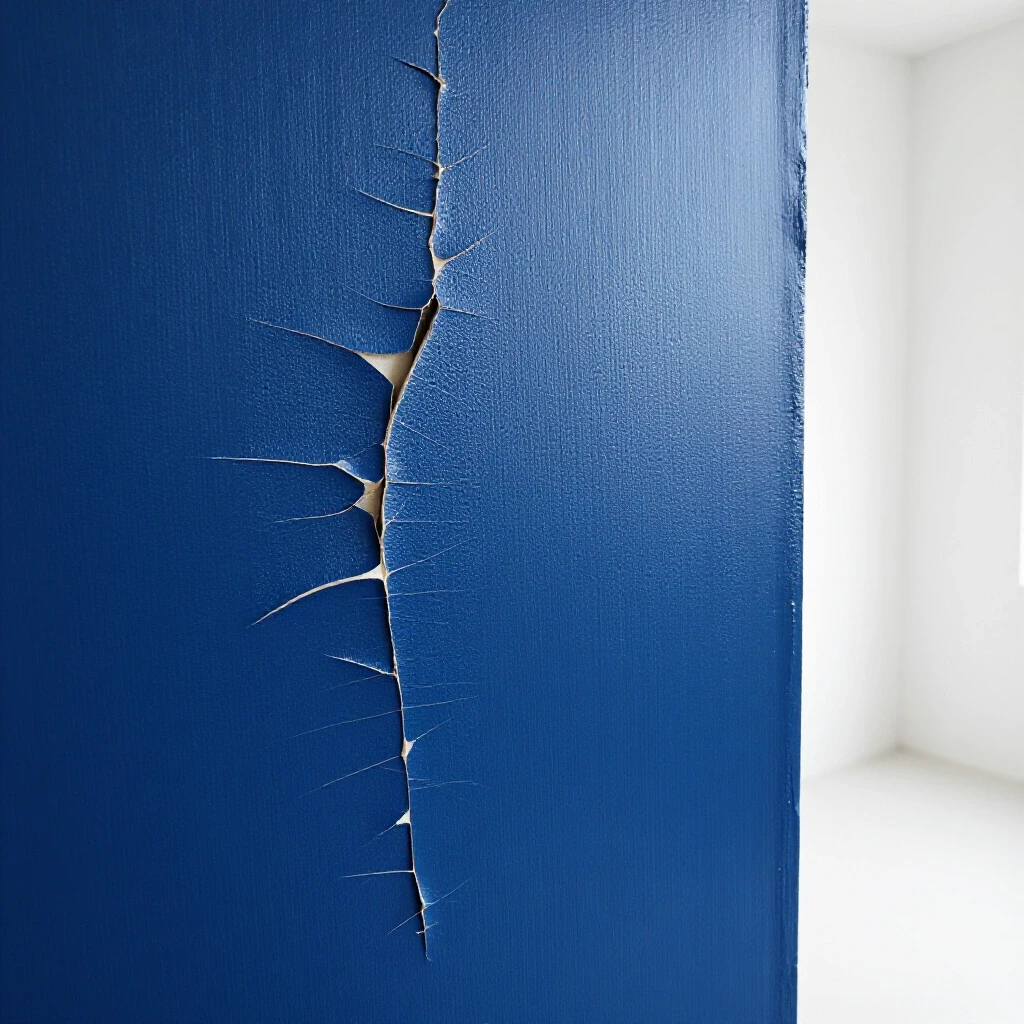
Structural surprises are unforeseen issues, such as mold, rot, or outdated wiring, found after demolition. No matter how tough your paint is, it will fail if the substrate—the surface underneath—is compromised. During a bathroom remodel I coordinated, we found significant moisture behind the vanity. If we had simply painted over it with a scuff-resistant finish, the trapped moisture would have caused the paint to bubble and peel within weeks.
A structural inspection checklist should be used during the “rough-in” phase to ensure the walls are dry and stable. Use a moisture meter to verify that the drywall has a moisture content of less than 12% before applying any premium coatings. This step prevents the “budget-blowing” surprise of having to strip and repaint a room because of an underlying water leak.
- Check for “nail pops” or loose drywall screws that can crack the finish.
- Ensure all joints are taped and sanded to a Level 4 or Level 5 finish.
- Use a high-quality “sealer” primer on new drywall to prevent the paint from soaking in unevenly.
Site Management and Quality Control Benchmarks
Site management involves overseeing the daily activities of subcontractors to ensure work meets the agreed-upon standards. For impact-resistant coatings, quality control focuses on “film thickness” and “environmental conditions.” If the room is too cold or too humid, the paint will not cure properly, and it will never reach its intended hardness.
I recommend using a digital hygrometer to track humidity on-site. Ideally, humidity should be between 40% and 50%. I once saw a project where the painter applied a high-performance trim finish during a humid summer day with no AC. The paint stayed tacky for days, and every piece of dust in the house stuck to it. We had to sand the entire kitchen down and start over—a costly mistake that could have been avoided with better site management.
- Daily Log: Document the temperature and humidity during application.
- Mil Gauge Check: Use a wet-film thickness gauge to ensure the painter is applying enough product.
- Lighting Inspection: Use a high-lumen work light to check for “holidays”—areas where the paint is thin or missing.
Real-World Performance: Personal Case Studies
In my second full-home renovation, I tested a ceramic-bead infused coating on the mudroom walls. This area is the primary entry for my family and pets. After 18 months, the walls showed zero signs of the typical “burnishing” that happens when you scrub a wall. Burnishing is the unwanted increase in gloss that occurs when a surface is rubbed or cleaned repeatedly.
Interestingly, a client of mine opted for a cheaper “scuff-proof” alternative in their rental property. While it resisted marks well, it was very brittle. When a piece of furniture hit the wall during a move-in, the paint chipped off in large flakes rather than resisting the impact. This taught us that “scratch resistance” and “impact resistance” are two different things. A good finish needs to be both hard enough to resist scratches and flexible enough to handle minor bumps.
- Case Study A: Mudroom with ceramic-infused paint. Outcome: 95% mark resistance after two years.
- Case Study B: Kitchen island with water-borne alkyd finish. Outcome: Excellent grease resistance and hardness, but required a 14-day cure time before heavy use.
Resolving the Punch List and Post-Occupancy
A punch list is a document created at the end of a project listing small tasks that need to be completed before final payment. You want to ensure the paint has bonded to the primer and isn’t easily scratched off with a fingernail.
Post-occupancy evaluations are reviews conducted months after the project is finished. I always advise homeowners to keep a small, airtight jar of the original paint for touch-ups. Even the toughest finishes can be damaged by a sharp metal object. Because these specialized paints have unique formulas, a standard color match from a different brand will often have a different texture and sheen, making the patch job look obvious.
- Wait at least 21 days after the final coat before performing a deep clean.
- Use only soft cloths and mild soap; avoid abrasive “magic” sponges which can dull the finish.
- Review the finish every six months to identify any areas where the house may be settling, causing small cracks.
Actionable Tracking Framework for Your Remodel
To keep your project on track and avoid contractor disputes, use a centralized management system. This ensures everyone is on the same page regarding material specs and deadlines.
- Digital Blueprints: Use apps like Bluebeam or even a shared Google Drive to store photos of the walls before the drywall goes up. This helps you find studs and avoid wiring during future “finish” installs.
- Gantt Chart: Create a timeline that shows the “float time”—the amount of time a task can be delayed without affecting the project finish date. Painting needs significant float time to allow for curing.
- Change Order Log: A change order is a formal document used to modify the original contract. If you decide to upgrade to a more durable paint halfway through, get the price difference in writing immediately to avoid a budget surprise at the end.
- Lien Waivers: Always collect a lien waiver from your painter before making the final payment. This is a legal document where the contractor confirms they have been paid and waives their right to put a lien on your property.
Frequently Asked Questions
What is the difference between “scuff-resistant” and “washable” paint?
Washable paint is designed so that dirt can be wiped off the surface without removing the color. Scuff-resistant paint goes a step further by using harder resins that prevent the mark from occurring in the first place. Think of washable paint as a “stain-resistant” shirt and scuff-resistant paint as a “tear-resistant” jacket.
How long does it really take for high-performance paint to cure?
While the paint may feel dry to the touch in 1 to 4 hours, the chemical curing process usually takes 14 to 30 days. During this window, the surface is still relatively soft. I recommend avoiding any heavy cleaning or leaning furniture against the walls for at least three weeks to ensure the finish reaches its maximum hardness.
Is it worth the extra cost for a ceiling?
Usually, no. Ceilings are low-contact areas. You are better off spending your budget on high-contact surfaces like doors, trim, and hallway walls. For ceilings, a standard “dead flat” latex is often better because it hides structural imperfections and doesn’t need to resist friction.
Can I apply these durable finishes over old paint?
Yes, but the bond is only as strong as the layer beneath it. If the old paint is peeling or was a “glossy” oil-based paint, you must sand it and use a “bonding primer” first. Skipping this step is a common rookie mistake that leads to the new, expensive paint peeling off in sheets.
Why does my “scuff-resistant” paint look shiny in some spots?
This is often “flashing,” caused by the painter not maintaining a “wet edge” during application. Because these paints dry faster than standard latex, the painter must work quickly. If they overlap onto a section that has already started to set, it creates a double layer of resin that appears shinier than the rest of the wall.
Do I need a special primer for impact-resistant coatings?
In most cases, yes. Manufacturers of high-performance finishes usually design a specific primer that creates the ideal “tooth” (texture) for the topcoat to grip. Using a cheap, generic primer can compromise the durability of the entire system.
How do I handle a dispute with a painter over the finish quality?
Refer back to your “scope of work” and “quality control benchmarks.” If the contract specifies a “Level 5 finish” and you can see visible brush marks or “holidays” under a work light, the contractor is obligated to fix it. This is why having a clear, written agreement is vital for preventing disputes.
Can these paints be used on kitchen cabinets?
Some specialized “water-borne alkyd” finishes are excellent for cabinets because they dry very hard. However, they require meticulous prep, including de-glossing and heavy sanding. For a kitchen remodel, I always suggest a professional spray application rather than a brush and roller to get that factory-smooth, durable surface.
What is the average cost per square foot for a premium paint job?
Based on current residential building standards and RSMeans data, you should expect to pay between $2.50 and $4.50 per square foot of wall space for a professional two-coat application of high-performance paint, including minor prep. This price can increase if significant structural repairs or “skim coating” are required.
Will high-durability paint hide wall imperfections?
Actually, the opposite is often true. Many hard-wearing finishes have a slight sheen to them, which reflects light and makes bumps or poor drywall joints more visible. If your walls are in bad shape, you will need to invest more in the “prep phase” to ensure the final result looks as good as it performs.
(This article was written by one of our staff writers, David Langford. Visit our Meet the Team page to learn more about the author and their expertise.)