How to Refresh Tile Grout: Step-by-Step Guide (With Before-After)

Craftsmanship is often found in the details that most people overlook until they become an eyesore. In my 12 years as a facilities manager, I have learned that the difference between a house that looks “lived-in” and one that looks “well-maintained” usually lies in the condition of the transitions. For many homeowners, the most prominent transitions are the lines between your floor and wall tiles. Over time, these cement-based joints trap dirt, oils, and moisture, leading to a dull, stained appearance that no amount of standard mopping seems to fix.
When I tackled my first major grout restoration project in my 1940s bungalow, I realized that I had been looking at the problem all wrong. I thought I needed more elbow grease, but what I actually needed was a better understanding of chemistry and the right mechanical tools. As a busy professional, I do not have time to waste on “hacks” that do not work. I need methods that are backed by the Tile Council of North America (TCNA) and manufacturer specifications. This guide focuses on the systematic process of revitalizing those dingy lines to achieve a clean, uniform look that lasts.
Assessing the Integrity of Tile Joints
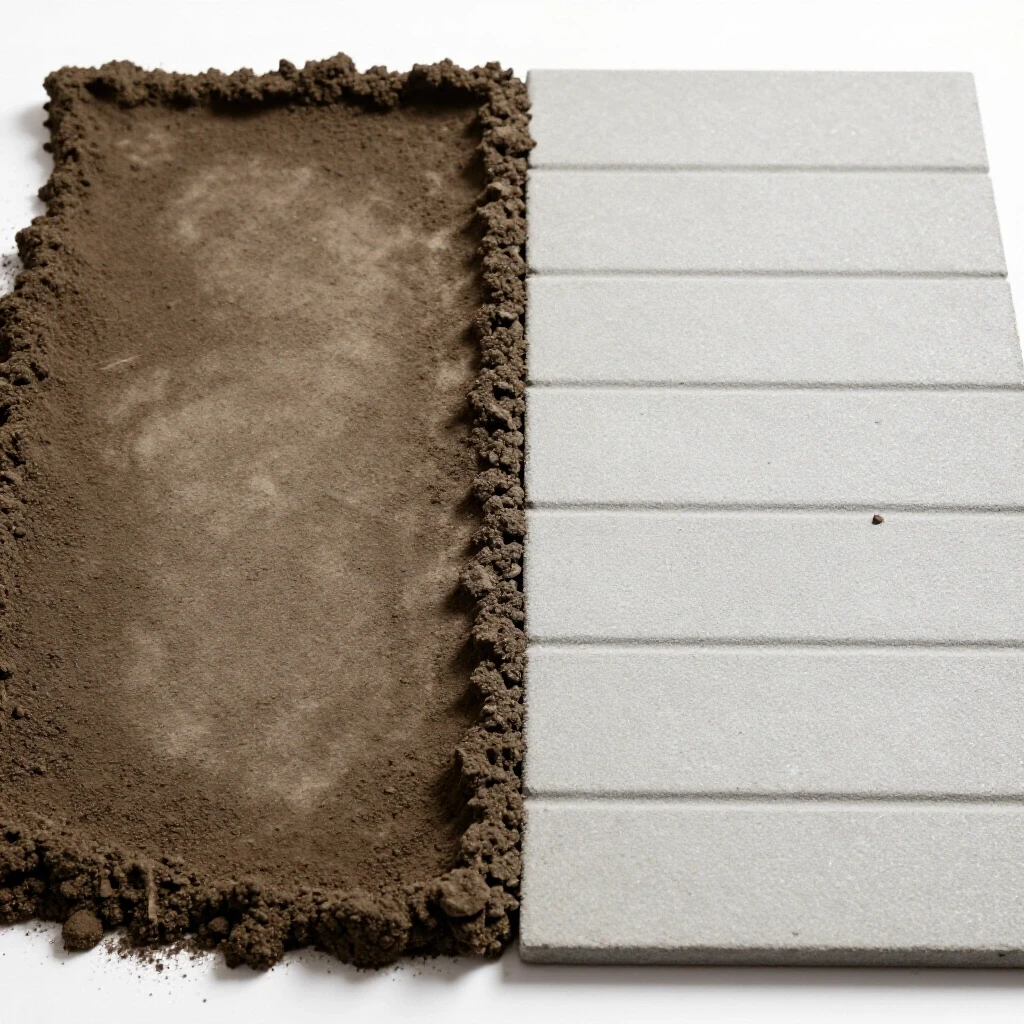
Evaluating the current state of cementitious or epoxy grout is the first step to determine if deep cleaning or color sealing is required. This involves checking for structural cracks, loose material, and persistent staining that indicates moisture penetration or surface wear over time. You must know if the material is stable before applying any chemicals.
Before you pick up a brush, you need to perform a simple “scratch and splash” test. I use a plastic putty knife to gently scrape the surface of the grout. If the material crumbles or turns to powder, you are dealing with structural failure, and cleaning will not help. Next, drop a small amount of water onto a clean section of the grout. If the water beads up, the sealer is still active. If it soaks in and darkens the grout immediately, the pores are open and ready for a deep clean and a fresh seal.
In my experience, most people mistake stained grout for “dirty” grout. Stains are often deep within the porous structure of the cement. If your grout was originally white but is now a mottled gray, you are likely looking at years of dirty mop water that has settled into the joints. Understanding this distinction helps you choose between a simple alkaline cleaner and a more aggressive color-restoration product.
Identifying Porosity and Material Type
Most residential tiles use sanded or unsanded cement-based grout. Sanded grout is used for joints wider than 1/8 inch, while unsanded is for tighter gaps. Because these materials are essentially thin strips of concrete, they are highly porous. If you have natural stone like travertine or marble, you must be extremely careful. Acidic cleaners can etch the stone, causing permanent damage that requires professional grinding to fix. Always check the manufacturer’s technical data sheet (TDS) for your specific tile type before starting.
Essential Inventory for Restoring Grout Lines
A curated list of hand tools and chemical agents designed to lift dirt and restore color without damaging the tile surface is vital for success. This includes mechanical scrubbers, pH-neutral cleaners, and specialized applicators for protective sealants. Having the right tools on hand prevents mid-project trips to the hardware store.
In my facility management role, I have seen many DIYers ruin their floors by using wire brushes. Steel bristles are too hard and will scratch the glaze on ceramic or porcelain tiles. Instead, I recommend nylon-bristled brushes specifically shaped to fit into grout channels. For a weekend project, I also suggest looking into a small handheld steam cleaner. The high heat helps emulsify oils and lift deep-seated grime without the need for harsh chemicals.
| Tool Category | Essential Items | Optional/Advanced |
|---|---|---|
| Cleaning Agents | Alkaline Grout Cleaner, Oxygen Bleach | Steam Cleaner, PH-Neutral Stone Soap |
| Scrubbing Tools | Stiff Nylon Grout Brush, Microfiber Cloths | Cordless Power Scrubber, Wet/Dry Vac |
| Restoration | Grout Colorant/Sealer, Foam Applicators | Detail Painting Brushes, Kneepads |
| Safety Gear | Nitrile Gloves, Safety Glasses | Knee Pads, Respirator (for high-VOC sealers) |
Choosing the Right Chemical Cleaner
Avoid using straight vinegar or dish soap for this task. Vinegar is acidic and can slowly dissolve the cement binders in the grout. Dish soap often contains waxes that leave a film, which actually attracts more dirt later. I prefer an alkaline-based cleaner (pH 10 or higher) for cutting through grease and organic stains. If you are working in a bathroom with mold or mildew, an oxygen-based bleach powder mixed with warm water is a safer, more effective alternative to chlorine bleach.
Safety Protocols and Surface Preparation
Establishing a secure workspace by protecting surrounding fixtures and ensuring proper ventilation is a non-negotiable step. This phase focuses on removing surface debris and masking off delicate areas to prevent chemical etching or mechanical damage during the restoration process. Safety is about protecting both yourself and the structural integrity of your home.
When I was restoring the floor in my second home, I neglected to mask off the baseboards. The alkaline cleaner I used ended up stripping the paint off the bottom inch of the wood. Now, I always use blue painter’s tape and plastic sheeting to protect any surface that isn’t tile. Furthermore, ensure your workspace is well-ventilated. Even “safe” cleaners can produce fumes that become overwhelming in a small, windowless bathroom.
- Ventilation: Open windows and use a box fan to exhaust air out of the room.
- Skin Protection: Wear nitrile gloves; alkaline cleaners can cause chemical burns over long periods.
- Eye Protection: Scrubbing often causes small droplets of cleaner to splash upward.
- Clear the Area: Remove all rugs, furniture, and bathroom fixtures to ensure an unobstructed path.
Pre-Cleaning and Debris Removal
Start by vacuuming the floor thoroughly. Any loose hair, dust, or grit will turn into a muddy slurry once you apply your cleaning solution. I use a shop vac with a brush attachment to pull debris out of the grout lines themselves. This simple step reduces the total time spent scrubbing by about 20% because you aren’t just moving dry dirt around with your wet brush.
Step-by-Step Restoration Process
A systematic approach to revitalizing tile joints begins with a deep chemical clean and moves through mechanical agitation to final color sealing. Each phase is timed to allow for proper chemical reaction and drying to ensure a lasting finish. This is where the actual transformation happens through a series of controlled actions.
This project is best tackled in sections of about 10 to 15 square feet. If you apply cleaner to the entire floor at once, it will dry before you can scrub it, leaving a sticky residue. In my 12 years of experience, the most common mistake is not letting the cleaner “dwell.” The chemicals need time to break the bond between the dirt and the grout.
Phase 1: Deep Chemical Agitation
Apply your chosen cleaner liberally to the grout lines. Let it sit for 10 to 15 minutes, but do not let it dry. If it starts to evaporate, mist it with a little water. Once the dwell time is up, use your nylon brush to scrub each line. Use a back-and-forth motion, applying moderate pressure. You will see the liquid turn dark and murky as the dirt is lifted.
Phase 2: Steam and Mechanical Lifting
If the chemical clean isn’t enough for stubborn stains, this is where a steam cleaner shines. The 200-degree steam penetrates the pores of the grout, loosening grease that chemicals might miss. Direct the steam nozzle along the grout line and follow immediately with a microfiber cloth to wipe up the moisture. This “blast and wipe” method is incredibly effective for high-traffic areas like kitchen entryways.
Phase 3: Applying Colorant and Sealant
Once the floor is completely dry—usually after 24 hours—you can apply a grout colorant. This is essentially a specialized epoxy-based paint that sinks into the grout and seals it simultaneously. Use a small brush or a foam applicator to “paint” the lines. Work in small sections and wipe any excess off the tile faces within 5 to 10 minutes using a damp (not soaking) cloth.
Table: Project Time and Effort Estimates
| Project Phase | Active Labor Time | Waiting/Cure Time | Difficulty (1-10) |
|---|---|---|---|
| Prep and Masking | 1-2 Hours | N/A | 2 |
| Deep Scrubbing | 3-5 Hours | N/A | 7 |
| Drying Phase | N/A | 24 Hours | 0 |
| Color Sealing | 4-6 Hours | 48 Hours (Full Cure) | 5 |
| Total Weekend | ~10-13 Hours | ~72 Hours | 6 (Moderate) |
Documenting Transformation and Quality Control
Using visual benchmarks to track the effectiveness of cleaning methods ensures uniform color application across the entire floor. This helps identify missed spots and provides a record of the project’s success for future maintenance reference. It is also a great way to see the tangible value you have added to your home.
I always take a photo of a single tile corner before I start. Lighting is key; use a bright work light to see the true color of the grout. As you move through the room, compare your “finished” sections to your “before” photo. It is easy to lose perspective when you are on your hands and knees for four hours. Checking your work against a baseline ensures that you don’t end up with a floor that looks blotchy or uneven.
Verifying Sealant Adhesion
After the colorant has dried for a few hours, do a spot check. Gently rub a section of the newly colored grout with a dry cloth. The color should stay firmly in place. If it peels or flakes, the grout was either too damp when you started or there was still a layer of grease preventing a bond. This is why the deep cleaning phase is the most critical part of the entire process.
Long-Term Maintenance and Prevention
Strategies for preserving the restored appearance of tile joints through regular, non-abrasive cleaning and periodic re-sealing are essential for longevity. This section outlines how to avoid common pitfalls like using bleach or vinegar, which can degrade grout over time. Proper maintenance protects your hard work and keeps the floor looking new for years.
The biggest threat to your newly restored grout is your standard cleaning routine. Most people use too much water and too much soap when mopping. This creates a “dirt magnet” film. Instead, use a microfiber flat mop and a pH-neutral cleaner. Change your mop water frequently; once the water is cloudy, you are just spreading dirt back into the porous grout lines you worked so hard to clean.
- Frequency: Deep clean and re-seal every 12 to 18 months in high-traffic areas.
- Daily Care: Wipe up spills immediately, especially acidic liquids like tomato sauce or wine.
- Tool Care: Rinse your scrub brushes after every use and let them air dry to prevent mold growth.
- Avoid Abrasives: Never use steel wool or scouring pads on the tile or grout.
When to Call a Professional
While most grout issues can be handled by a determined DIYer, there are limits. If you find that the grout is falling out in large chunks, or if the tiles themselves are loose or “hollow” sounding when tapped, you may have a failing substrate or water damage behind the wall. In these cases, superficial cleaning will not solve the underlying structural problem, and a full assessment by a tile specialist may be necessary to prevent mold or rot.
FAQ: Common Questions on Revitalizing Tile Grout
How long should I wait to walk on the floor after sealing? You can usually walk on the floor with clean socks after 4 to 6 hours. However, you should avoid heavy foot traffic and keep pets away for at least 24 hours. Do not use any water or cleaning agents on the floor for 72 hours to allow the sealer to reach its full chemical resistance.
Can I use a pressure washer on my indoor tile grout? Absolutely not. Indoor subfloors, like plywood or cement board, are not designed to handle the volume of water a pressure washer produces. Furthermore, the high PSI can easily blast the grout right out of the joints or force water into the wall cavities, leading to catastrophic mold issues.
What is the best way to clean grout in a shower? Showers deal with soap scum and body oils. An alkaline cleaner is best for the oils, while a mild calcium-lime-rust (CLR) remover can help with mineral deposits. Always ensure the shower is bone-dry before applying any new sealer or colorant, which may require using a space heater or fan for 48 hours.
Will color sealing hide mismatched grout colors? Yes, that is one of the primary benefits. If a previous repair resulted in two different shades of grout, a high-quality color sealer will provide a single, uniform look across the entire surface, making the floor look like a professional installation.
Is steam cleaning safe for all types of grout? Steam is generally safe for cement-based grout. However, if you have epoxy grout, check with the manufacturer. Excessive heat can sometimes soften certain epoxy formulations. For natural stone, keep the steam moving quickly to avoid “thermal shock,” which can cause micro-cracking in some delicate stones.
How do I know if my grout is sanded or unsanded? Look at the width of the joint. If the gap is wider than a penny’s thickness, it is likely sanded. You can also feel it; sanded grout feels like sandpaper, while unsanded grout feels smooth like a chalkboard. This matters because sanded grout requires more sealer to fill its larger pores.
Do I need to remove the old sealer before applying a new one? If you are using a standard clear sealer, you generally don’t need to strip the old one as long as the floor is deeply cleaned. However, if you are applying a colorant, the surface must be porous enough for the colorant to “bite.” A deep scrub with an alkaline cleaner usually opens the pores sufficiently.
What should I do if the colorant gets on my tile? Don’t panic, but act quickly. Most colorants can be wiped off the glazed surface of ceramic or porcelain with a damp cloth within the first 10 minutes. If it dries, you can usually remove it with a plastic scraper or a specialized “grout haze remover” without damaging the tile.
Can I mix my own grout cleaner using baking soda and peroxide? This is a popular DIY “hack,” and it is relatively safe and effective for light surface stains. The chemical reaction creates oxygen bubbles that help lift dirt. However, for deep-set professional results, a dedicated alkaline cleaner is more efficient for large-scale projects.
Why does my grout look darker in some spots after cleaning? This usually means there is still moisture trapped in the grout. Cement is like a sponge. Even if the surface feels dry, the core may still be damp. Give it another 24 hours with a fan running. If it stays dark after that, you are likely looking at a permanent stain or “shading” from the original installation.
(This article was written by one of our staff writers, Robert Callahan. Visit our Meet the Team page to learn more about the author and their expertise.)