Open Concept Floor Plans: Pros, Cons & Smart Design Tips (Guide)

Calling attention to durability is often the last thing on a homeowner’s mind when they first see a wide-open floor plan, yet it is the most critical factor for long-term satisfaction. After 15 years as a retail merchandising manager, I have seen how the initial “wow factor” of a vast, wall-less space often erodes under the pressure of daily life. What looks like a breathable sanctuary in a real estate listing can quickly become a chaotic environment where noise, clutter, and lack of privacy create constant friction.
My experience living in and evaluating family homes has taught me that a layout’s success isn’t measured on move-in day. It is measured on day one thousand, when the “newness” has worn off and the practical realities of a busy household take over. I’ve watched families struggle to find a quiet corner for a phone call while the dishwasher runs, or realize that their beautiful, integrated kitchen makes the entire living area feel like a workspace.
The Psychological Impact of Boundaryless Living
Environmental psychology suggests that humans require a balance of social connectivity and private retreat to maintain mental well-being. This concept, often called “prospect and refuge,” explains why a completely open layout can feel unsettling over time, as it removes the physical boundaries that provide a sense of security and quiet.
When we remove walls, we also remove the “cognitive cues” that tell our brains what a specific area is for. In a multi-functional zone, the brain can struggle to switch from “relaxation mode” in the living area to “task mode” in the kitchen. A study published in the Journal of Environmental Psychology found that high levels of noise and visual distraction in open-plan settings can lead to increased cortisol levels and decreased focus. This is especially true for families with children, where the lack of acoustic separation means every toy drop and television show echoes through the entire house.
The Reality of Acoustic and Thermal Management
Acoustic management in a home refers to the control of sound transmission between different functional areas to prevent noise pollution. Thermal management involves maintaining consistent temperatures across various zones, which becomes significantly more complex when large volumes of air move freely between the kitchen, dining, and living spaces.
In my years of auditing home functionality, the most common complaint regarding wall-less designs is the “noise floor.” Without physical barriers, sound reflects off hard surfaces like countertops and hardwood floors. This creates a cacophony that makes it difficult to have two separate conversations in the same general area.
Acoustic and Thermal Performance Benchmarks
| Feature | Partitioned Layout | Integrated Layout | Impact on Livability |
|---|---|---|---|
| Noise Transmission | Low (Walls absorb sound) | High (Sound travels freely) | Integrated spaces require more soft goods to dampen echo. |
| Heating Efficiency | High (Zone control possible) | Lower (Heat rises to high ceilings) | Integrated areas often have “cold spots” near large windows. |
| Privacy Rating | 8/10 | 3/10 | Integrated layouts offer very little “away space.” |
| Odor Control | High (Contained to kitchen) | Low (Spreads to upholstery) | Cooking smells can linger in sofa fabrics for days. |
Why High-Traffic Pathways Fail in Large Spaces
Pathway clearance refers to the unobstructed width required for people to move comfortably through a room without bumping into furniture or each other. In large, open areas, the lack of defined hallways often leads to “drift,” where furniture is placed too far apart or too close together, disrupting the natural flow of the home.
I have found that many homeowners underestimate the “spatial budget” needed for movement. In a partitioned home, the hallway does the work for you. In a wide-open space, you must create “invisible hallways” using furniture placement. If your main walking path is less than 36 inches wide, the room will feel cramped regardless of its actual square footage. For a truly comfortable flow, aim for 42 to 48 inches in high-traffic zones.
Space Clearance Guidelines for Functional Layouts
- Major Walkways: 36–48 inches to allow two people to pass comfortably.
- Between Seating and Coffee Table: 14–18 inches for easy reach without blocking legs.
- Behind Dining Chairs: 36 inches to allow someone to walk behind a seated guest.
- Kitchen Work Triangle: Each leg of the triangle should be between 4 and 9 feet.
Evaluating Fabric Durability in Multi-Use Zones
Fabric durability is measured by the Wyzenbeek method, which records how many “double rubs” (back-and-forth motions) a fabric can withstand before showing significant wear. In homes where the kitchen and living room are one, furniture is subjected to more frequent use, food spills, and airborne grease, necessitating higher performance standards.
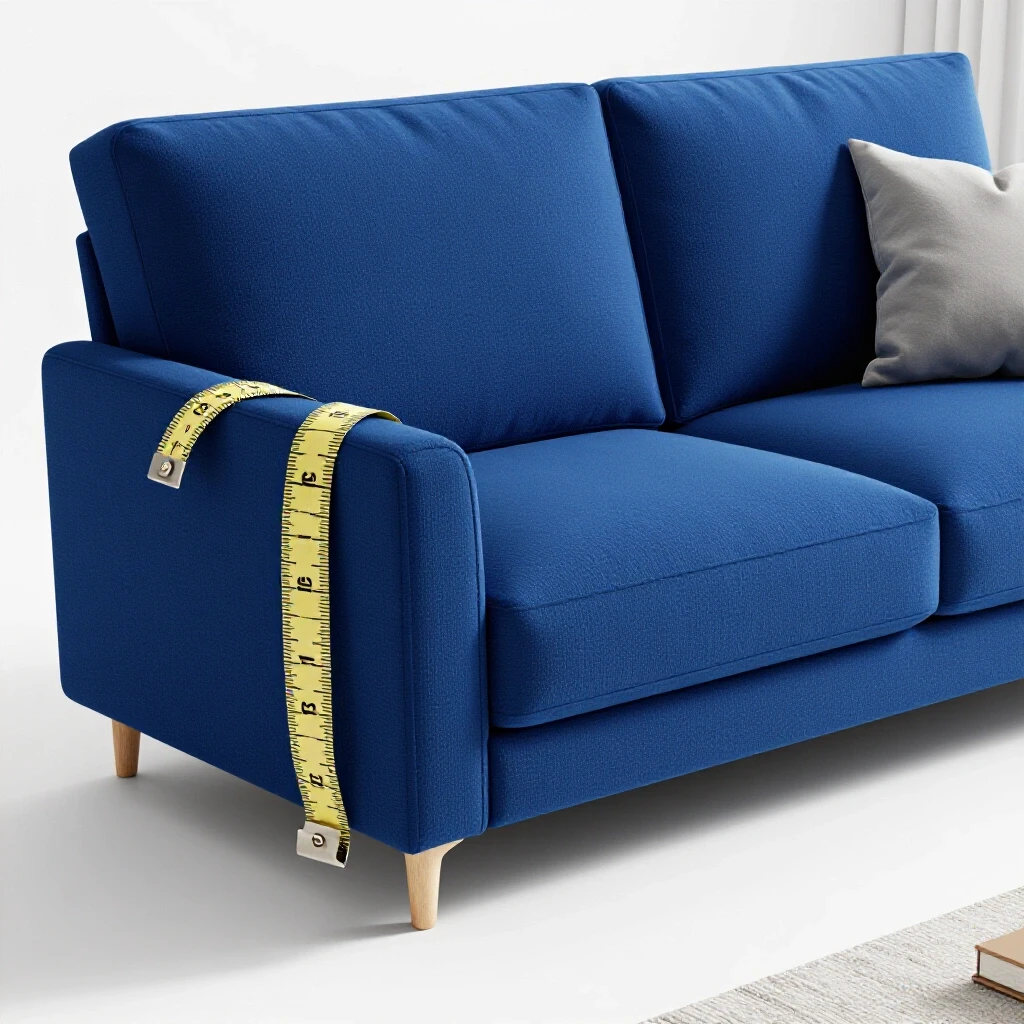
When your living room is also your dining room and your “home office,” your sofa becomes the most hardworking piece of equipment in the house. I always recommend a minimum of 30,000 double rubs for family homes. For households with pets or young children, aiming for 50,000 to 100,000 double rubs ensures the piece won’t look “shabby” after just three years of use.
Fabric Durability and Maintenance Index
- High-Performance Synthetics: Look for “solution-dyed” acrylics or polyesters. These are often rated for 50k+ rubs and are highly stain-resistant.
- Tight Weaves: Avoid loose baskets weaves which snag easily. A tight twill or velvet is much more durable for daily friction.
- Cleanability Codes: Always check for “W” (water-based cleaner) or “S” (solvent-based). For integrated spaces, “W” is generally more practical for DIY spot cleaning.
- Color Saturation: Mid-tone colors (grays, tans, or blues) hide wear better than very dark or very light shades.
The Strategy of Visual Weight and Color Integration
Visual weight is the perceived “heaviness” of an object based on its size, color, and texture within a room’s composition. Color integration in large spaces requires a careful balance of Light Reflectance Value (LRV) to ensure the room feels cohesive without becoming a monolithic, boring block of a single shade.
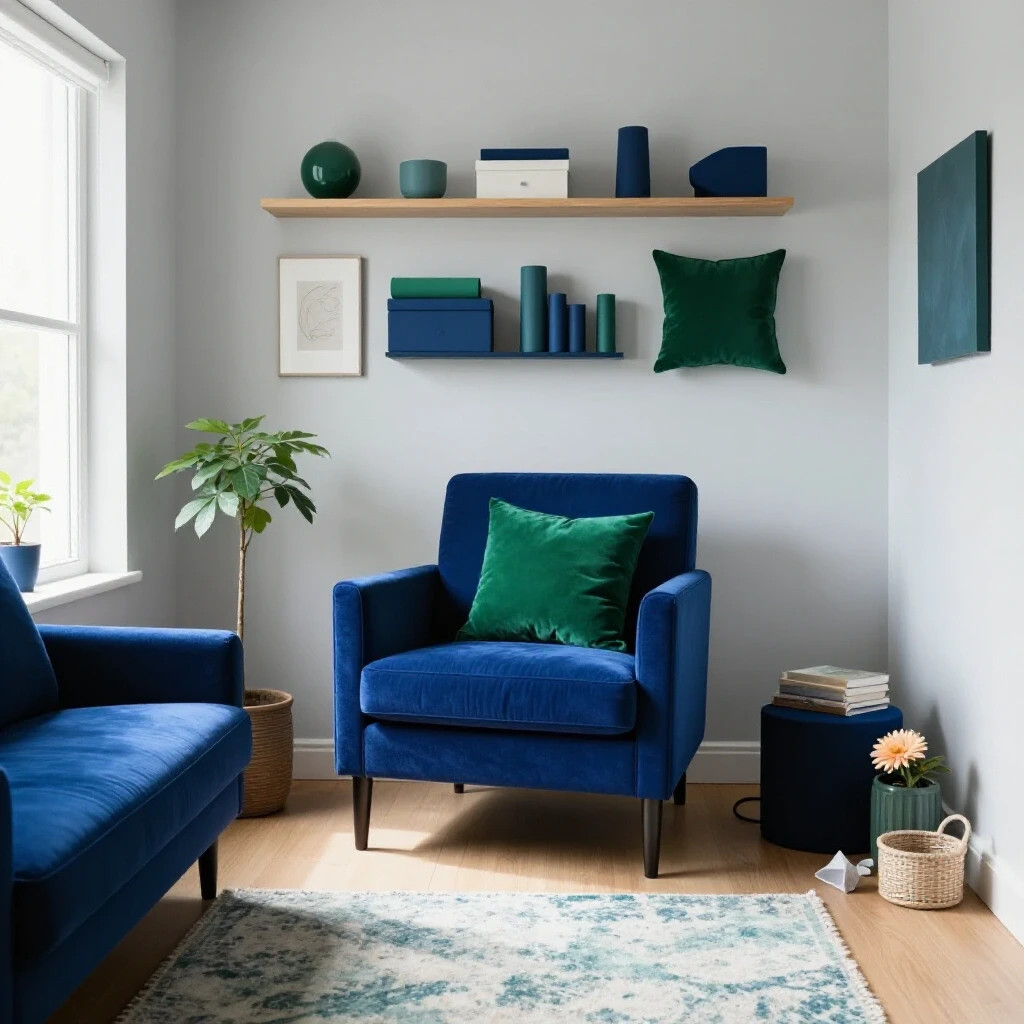
In a wide-open floor plan, every design choice must speak to the others. If you paint one wall a bold navy, it affects the light in the entire “great room.” I suggest using the 60-30-10 rule but spreading it across the entire integrated area. Use a neutral base (LRV 50-70) for 60% of the space, a secondary color for 30% (perhaps on the kitchen island and area rugs), and a bold accent for the final 10%.
Light Reflectance Value (LRV) and Room Feel
- LRV 70-80: Very bright; reflects most light. Good for small, dark corners but can feel “washed out” in large, sunny spaces.
- LRV 50-60: The “sweet spot” for large zones. It provides enough depth to feel cozy but stays bright enough for tasks.
- LRV 30-40: Deep and moody. Best used for “anchoring” specific areas, like a dining nook or a library wall.
Creating Zones Through Integrated Storage Design
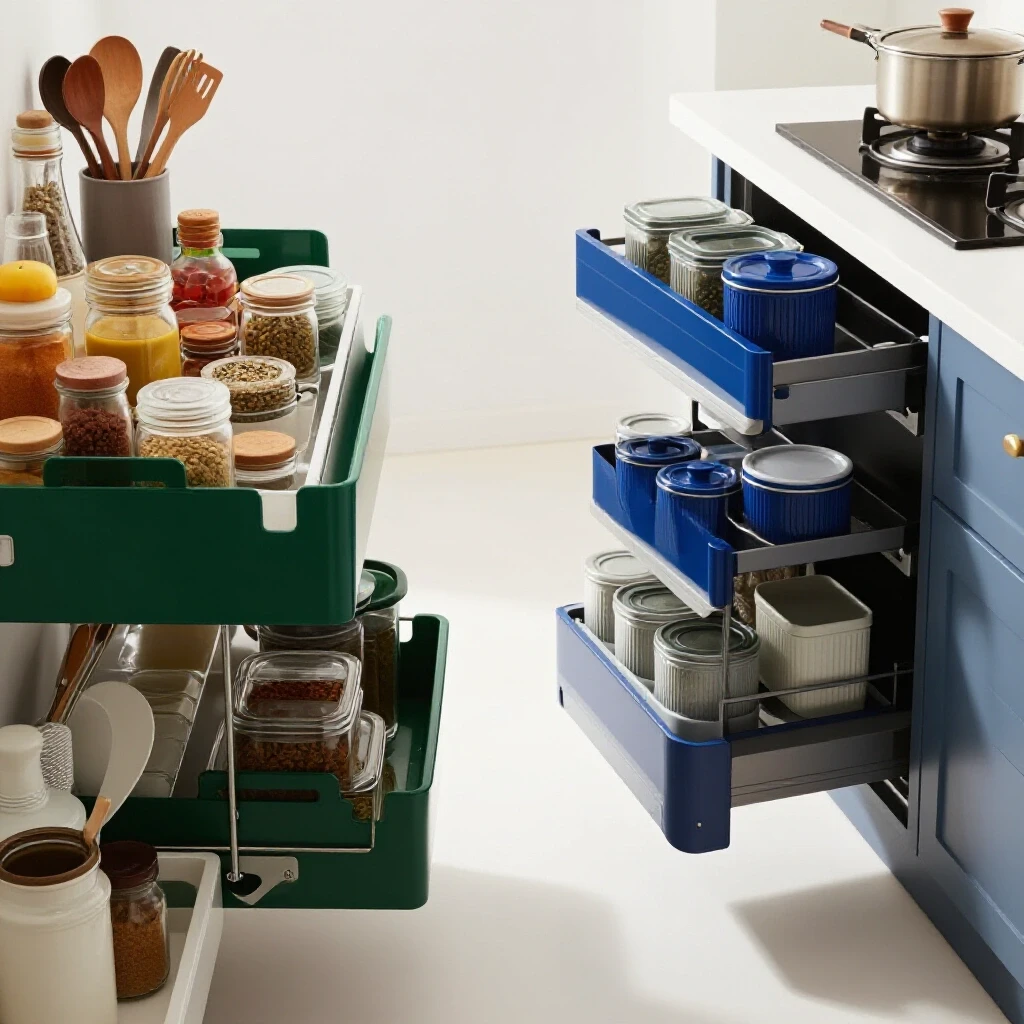
Integrated storage design uses built-in or strategically placed cabinetry to define functional areas while providing essential organization. In layouts without walls, storage must be “double-duty,” acting as both a container for clutter and a physical boundary that directs the flow of the room.
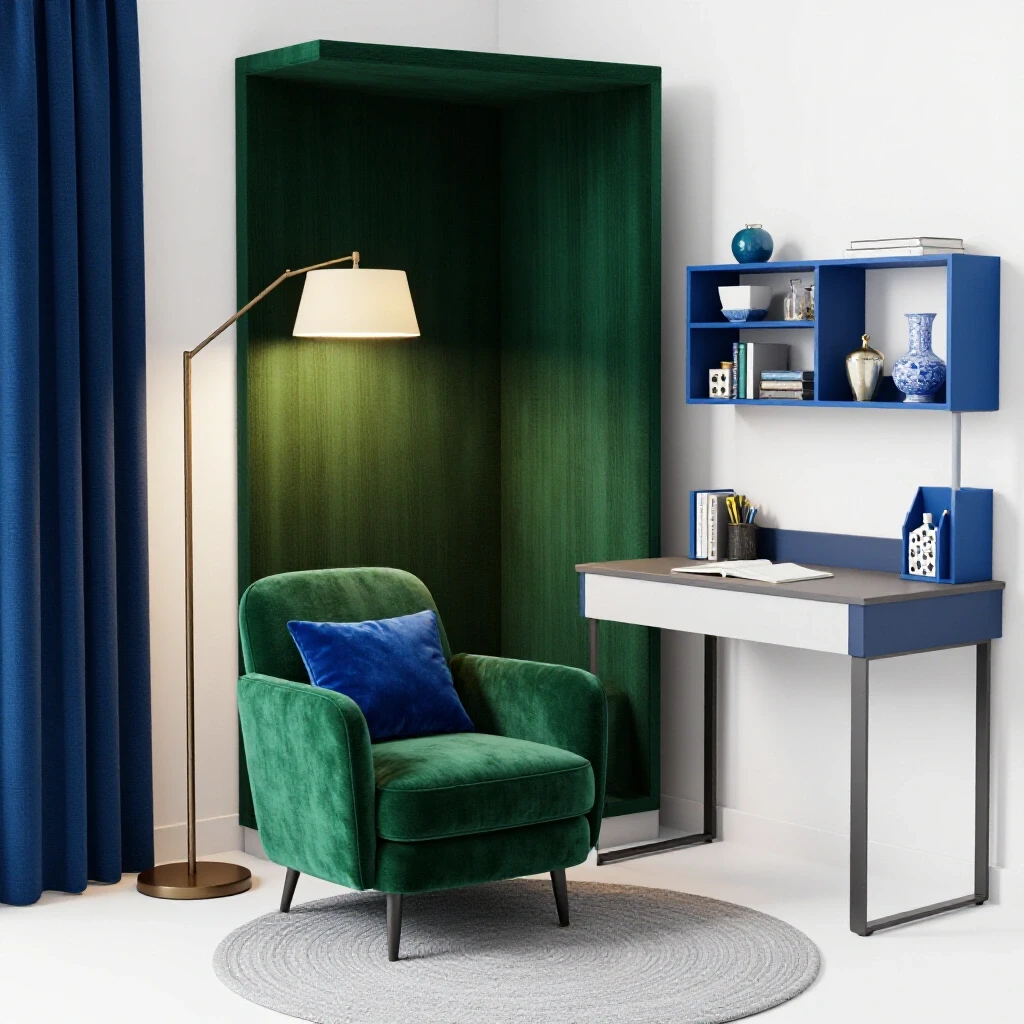
The biggest pain point I see in wall-less homes is the “clutter creep.” Without a closet or a wall to hide the “business of life”—mail, backpacks, chargers—the mess spills across every surface. I recommend a storage-to-room-ratio of at least 10% of the total square footage. This can be achieved through floor-to-ceiling cabinetry that mimics the look of a wall, providing the “refuge” your brain craves without losing the “prospect” of the open space.
Essential Storage Metrics for Families
- Entryway Drop Zone: Requires at least 24 inches of linear width per family member.
- Media Console Depth: 18–22 inches to accommodate modern electronics and hide cables.
- Bookshelf Height: Adjustable shelves are mandatory for long-term flexibility as children’s toys transition to adult books.
Long-Term Livability Audit: A Case Study
A livability audit is a systematic review of how a home’s layout and materials perform over several years of actual use. By tracking wear patterns, noise levels, and “frustration points,” we can identify whether a design trend is serving the family or if it has become a burden.
I recently followed a family who transitioned from a partitioned 1990s home to a modern, fully open floor plan. For the first six months, they loved the light and the ability to watch the kids from the kitchen. However, by year two, the “pros” were being outweighed by the “cons.” The parents felt they never had a moment of peace. The children’s toys seemed to be everywhere. The solution wasn’t to move again, but to “re-partition” using furniture and lighting.
Functional Evolution Over Five Years
| Year | Initial Experience | Long-Term Reality | Necessary Adjustment |
|---|---|---|---|
| Year 1 | Excited by the “airiness” and social flow. | Cleaning takes longer because the whole floor is visible. | Established a “10-minute tidy” routine. |
| Year 3 | Kids are older; noise becomes a major issue. | TV sound interferes with homework at the island. | Added heavy, floor-to-ceiling drapery to absorb sound. |
| Year 5 | Remote work becomes permanent for one parent. | No quiet place for video calls. | Installed a glass partition to create a “semi-private” office. |
Tools for Planning Your Room Layout
- Graph Paper and Scale Templates: Use a 1/4-inch scale (where 1/4 inch equals 1 foot) to map out your room and furniture. This prevents buying pieces that are too large for the space.
- Painter’s Tape: Before buying a new sofa or dining table, tape the dimensions onto your floor. Leave it there for 48 hours to see if it interferes with your natural walking paths.
- Digital Floor Plan Apps: Tools like MagicPlan or RoomScan allow you to visualize the “visual weight” of a room in 3D before making any financial commitments.
- Fabric Swatch Torture Test: Get samples of performance fabrics and try to stain them with ketchup, red wine, and mud. If they don’t clean up easily, they don’t belong in a high-traffic integrated zone.
Practical Steps for Balancing Openness and Function
To achieve a home that is both beautiful and durable, you must be willing to deviate from “magazine-perfect” trends in favor of what works for your specific lifestyle. Start by identifying your “quiet zones” and your “social zones.” If you currently have a wide-open space, use area rugs to define these boundaries visually. A rug acts as a “frame” for a room, telling the eye where one activity ends and another begins.
Next, address the acoustics. If your home feels loud, look at your “hard-to-soft ratio.” A room with 80% hard surfaces (glass, stone, wood) will always be noisy. Aim for a 50/50 balance by adding rugs, upholstered furniture, and window treatments. These aren’t just decorative; they are functional tools for a more peaceful life.
Finally, prioritize “closed” storage over “open” shelving. While open shelves look great on Instagram, they require constant curation and dusting. For a home that stays functional for years, hidden storage is your best friend. It allows you to clear the visual clutter, giving your brain the “reset” it needs at the end of a long day.
Frequently Asked Questions
How do I stop noise from traveling in an open layout?
To reduce sound transmission, increase the volume of soft materials in the space. Use large area rugs with thick felt pads, install floor-to-ceiling drapes, and choose upholstered dining chairs instead of wood or metal. Acoustic panels can also be disguised as wall art to help absorb echoes.
What is the best way to define “rooms” without building walls?
Use “visual anchors” such as large area rugs, varied lighting levels (like a pendant over the dining table and a floor lamp by the sofa), and furniture placement. A sofa with a console table behind it can act as a low-profile wall that separates the living area from the kitchen.
Why does my large living area feel “cold” even when the heat is on?
Large, open spaces often suffer from poor air circulation. Heat rises, so if you have high ceilings, the warm air stays out of reach. Using ceiling fans on a low “reverse” setting can help push warm air back down. Additionally, adding heavy window treatments helps prevent heat loss through glass.
Is an open floor plan bad for resale value?
Not necessarily, but the market is shifting. Many buyers now look for “flex spaces” or “pocket offices” that offer privacy. A layout that offers the feeling of openness while still providing distinct zones for work and relaxation is often the most desirable for modern families.
How do I choose a rug size for a multi-functional room?
The rug should be large enough so that all the legs of the furniture in that “zone” sit on the rug, or at least the front two legs. This physically binds the furniture together into a single cohesive unit, preventing the “floating furniture” look.
What is the ideal distance between a sofa and a television?
For a 1080p TV, the viewing distance should be about 1.5 to 2.5 times the screen’s diagonal width. For a 4K TV, you can sit closer, about 1 to 1.5 times the screen width. Ensuring this ratio is correct prevents the furniture from feeling awkwardly placed in a large room.
How can I hide “clutter” when my kitchen is visible from the sofa?
Invest in a “raised” kitchen island or a “pony wall” that is about 6 to 12 inches higher than the countertop. This creates a visual screen that hides dirty dishes or meal prep mess from the seating area without blocking the view or light.
What paint colors work best to connect different zones?
Stick to a “tonal” palette. Use different shades of the same color family to create subtle distinctions. For example, use a light “greige” for the main walls and a slightly darker version of that same color for a specific nook or built-in unit to add depth without creating a jarring visual break.
How many “double rubs” should I look for in a dining chair fabric?
Since dining chairs are moved frequently and subjected to spills, look for a minimum of 15,000 to 20,000 double rubs. However, for a high-traffic family kitchen, 30,000+ is safer. Always opt for fabrics with a “stain-guard” finish.
Can I add a wall back into an open-plan home?
Yes, and it is becoming a common renovation. You don’t always need a full structural wall; “internal windows,” glass partitions, or large sliding “barn doors” can provide the acoustic and visual separation you need without permanently darkening the space.
(This article was written by one of our staff writers, James Whitaker. Visit our Meet the Team page to learn more about the author and their expertise.)