How to Stop Saving Broken Items and Reduce Clutter (Guide)

Focusing on simplicity is the only way I have found to keep a busy family home from spiraling into chaos. For years, I approached our household organization like a logistics manager handling a warehouse, yet I kept hitting the same wall. I would spend an entire Saturday sorting through bins, only to find the same piles of damaged toys and non-functional electronics reappearing by Tuesday. The turning point came when I realized that our home wasn’t failing because of a lack of bins, but because of an accumulation of “someday” projects. These were items I kept with the honest intention of repairing them, but they instead became stagnant inventory that drained our collective mental energy.
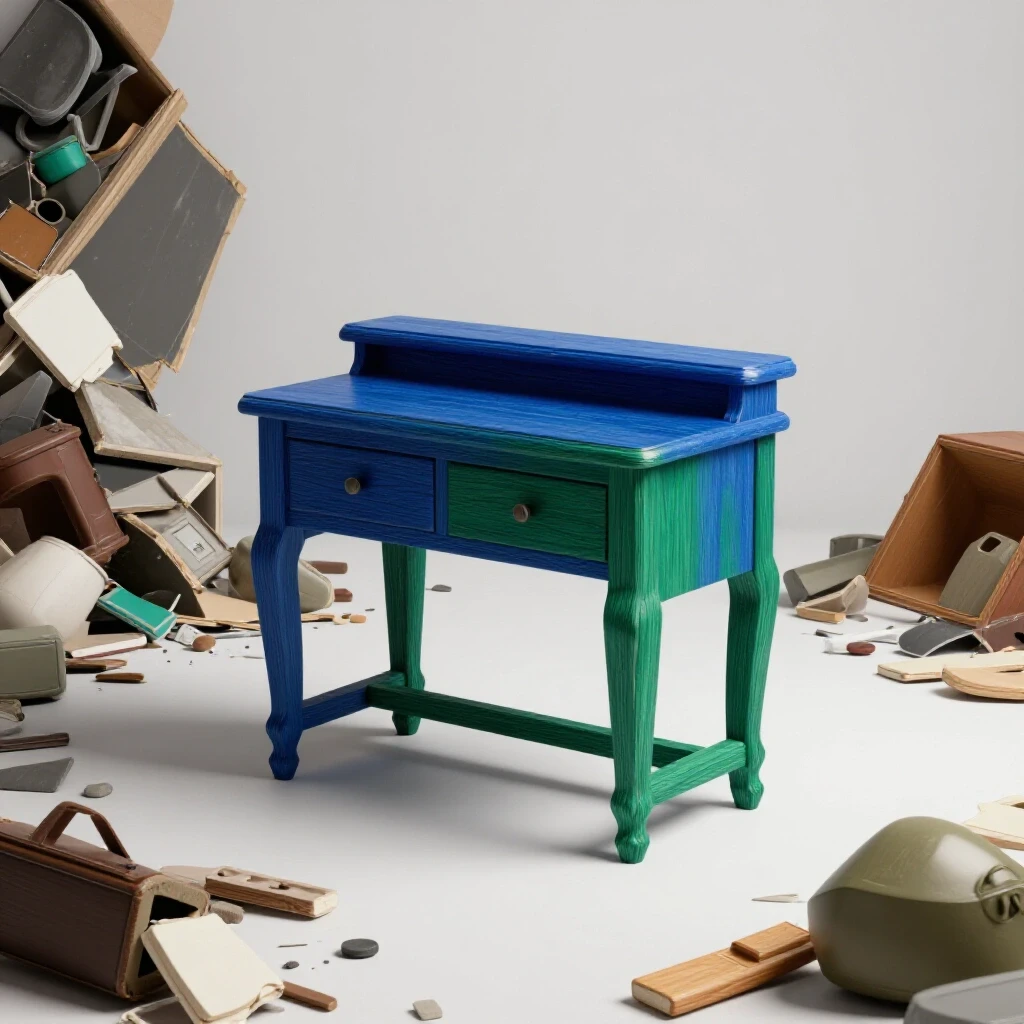
By applying industrial logistics principles to our living space, I began to see these damaged objects as bottlenecks. In a professional supply chain, an item that cannot be used or sold is “dead stock.” In a home, dead stock takes up “prime real estate”—the easily accessible areas we need for daily life. I decided to stop letting these unfinished tasks dictate our home’s flow. This shift wasn’t just about cleaning; it was about reclaiming the spatial capacity of our home and reducing the decision fatigue that comes with seeing a pile of work every time you walk into a room.
The Spatial Logistics of Unfinished Projects
Spatial logistics is the study of how physical items move through a space and the efficiency of their storage. When we keep damaged items, we create a “flow-stop” where an object enters the home but never exits or returns to a functional state.
In my professional experience, every square foot of a facility has a carrying cost. In a home, that cost is paid in stress and lost time. Research in environmental psychology suggests that visual clutter, particularly items associated with uncompleted tasks, triggers a low-level stress response. This is often called the “Zeigarnik Effect,” where our brains remember uncompleted tasks more vividly than completed ones. A cracked picture frame or a toy missing a wheel isn’t just an object; it is a visual reminder of a chore you haven’t done yet.
When I audited our garage, I found that 20% of our shelving was occupied by things waiting for a “quick fix.” By removing these items, we didn’t just gain shelf space; we reduced the “visual noise” that made the garage feel overwhelming. This is the foundation of a functional home: ensuring that every item in a high-traffic zone is either currently useful or easily stored without requiring future labor.
Why High-Friction Bins Lead to Rapid Clutter Reversion
Retrieval friction is the number of physical and mental steps required to put an item away or take it out. If a system requires more than two steps, it will likely fail in a household with children and busy professionals.
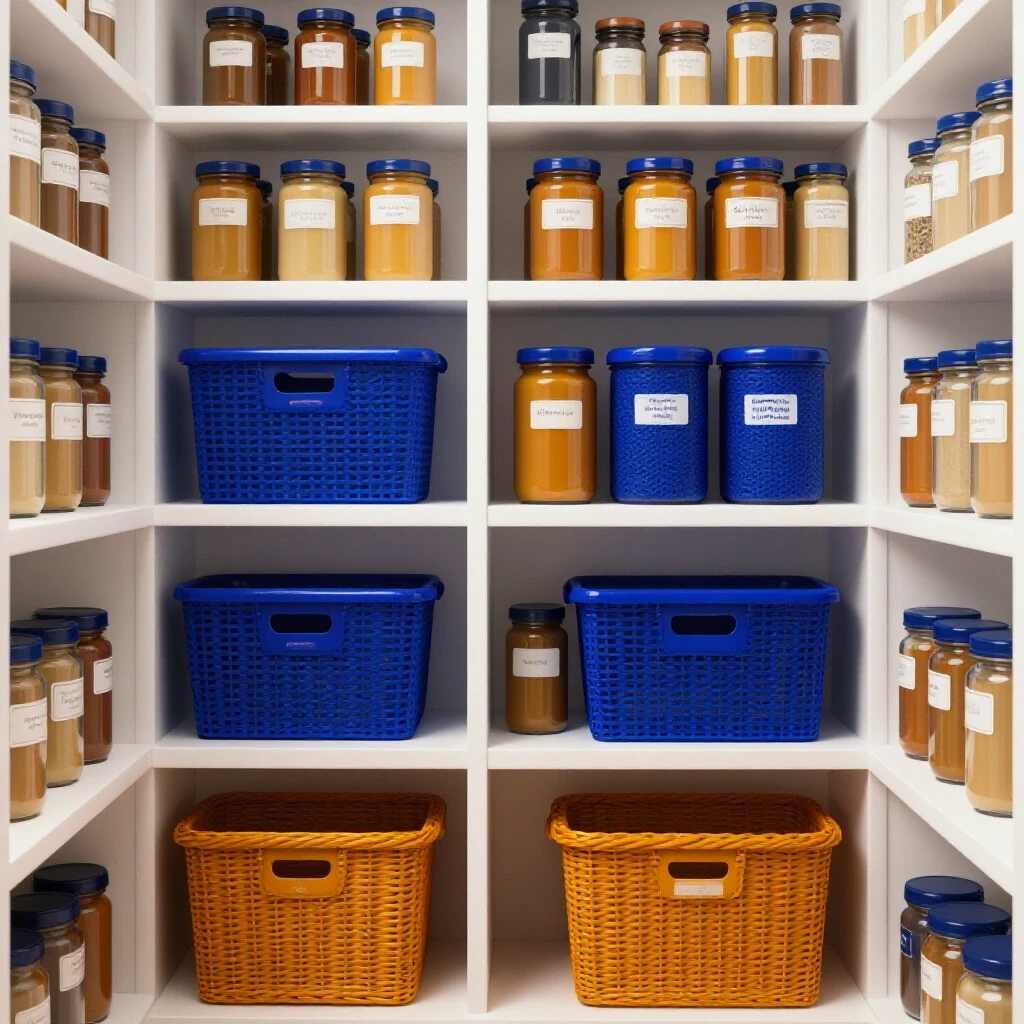
Many families invest in beautiful, opaque bins with tight-fitting lids and complex labeling. While these look great in photos, they represent “high-friction” storage. If you have to move two other boxes, unlatch a lid, and find a specific category just to put away a single item, you won’t do it. Instead, the item will end up on the nearest flat surface. I learned this the hard way with our “repair bin.” Because it was tucked away under a workbench, damaged items simply piled up on top of the bin rather than inside it.
Storage Friction Index by Bin Type
| Container Type | Steps to Access | Friction Level | Sustainability for Families |
|---|---|---|---|
| Open Front Totes | 1 (Drop in) | Low | High – Best for daily items |
| Clear Lidded Bins | 2 (Lift, Place) | Medium | Moderate – Good for seasonal gear |
| Opaque Latching Bins | 3+ (Move, Unlatch, Place) | High | Low – Use only for long-term storage |
| Decorative Baskets | 1 (Drop in) | Low | High – Good for common areas |
To maintain a tidy space, you must lower the friction of “putting away” to be equal to or less than the friction of “leaving it out.” We replaced our repair station with a simple rule: if it cannot be fixed in 15 minutes with tools already on hand, it is recycled or discarded. This reduced our sorting time by nearly 40% during weekly resets.
The Psychological Cost of Maintaining a Repair Backlog
Decision fatigue is the mental exhaustion caused by the constant need to make choices, which often leads to poor discipline and procrastination. A home filled with damaged items forces you to make a decision every time you see them.
Every time you walk past a broken lamp you intend to rewire, your brain asks: “Should I do that now? Do I have the parts? Where did I put the screwdriver?” This constant micro-evaluation contributes to the mental fatigue many parents feel at the end of the day. Environmental psychology studies show that people in cluttered environments have higher levels of cortisol, the body’s primary stress hormone.
In our home, we implemented a “Functional Only” zoning map. This meant that any item in the living room, kitchen, or bedrooms had to be 100% operational. If a kitchen gadget stopped working, it was removed immediately. We stopped treating our living spaces as “holding cells” for future projects. This simple change significantly lowered the daily stress of my spouse and me, as the visual cues in our home began to signal “rest” rather than “work.”
Building a High-Speed Sorting Framework
A sorting framework is a set of pre-determined rules used to categorize items quickly without emotional or analytical overthinking. Speed is the most important factor in preventing clutter from rebuilding.
To manage the constant inflow of items, I developed a “Logistic Sorting Log.” This helps us process items based on their current utility rather than their potential value. When you find a damaged item, you shouldn’t ask “Can this be fixed?” but rather “Will I fix this before Sunday?” If the answer is no, the item has no place in a high-functioning home.
Decluttering Sorting Log (15-Minute Sprint)
- Functional Check: Does the item work right now? (Yes/No)
- Immediate Repair: Can it be fixed in under 15 minutes? (Yes/No)
- Frequency of Use: Have we missed using this while it was broken? (Yes/No)
- Action: If two or more are “No,” the item is removed from the home immediately.
By using this log during our 15-minute evening sweeps, we prevented the “fix-it” pile from ever forming again. We shifted our focus from “saving” items to “saving” our time and space.
Custom Zoning Maps for Family Behavior Alignment
Zoning is the practice of dividing a home into specific areas based on the frequency and type of activity performed there. Effective zoning accounts for how family members actually behave, not how we wish they would.
We often try to force our families to follow systems that are too complex. For example, I used to insist that all broken toys go to a specific drawer in my workshop. My children, however, would just leave them on the playroom floor. I realized the “logistics flow” was broken. I hadn’t accounted for the “point of failure.”
- Zone 1 (High Frequency): Entryways, kitchen counters, living room floors. These must have zero-friction storage (hooks, open baskets). No damaged items allowed.
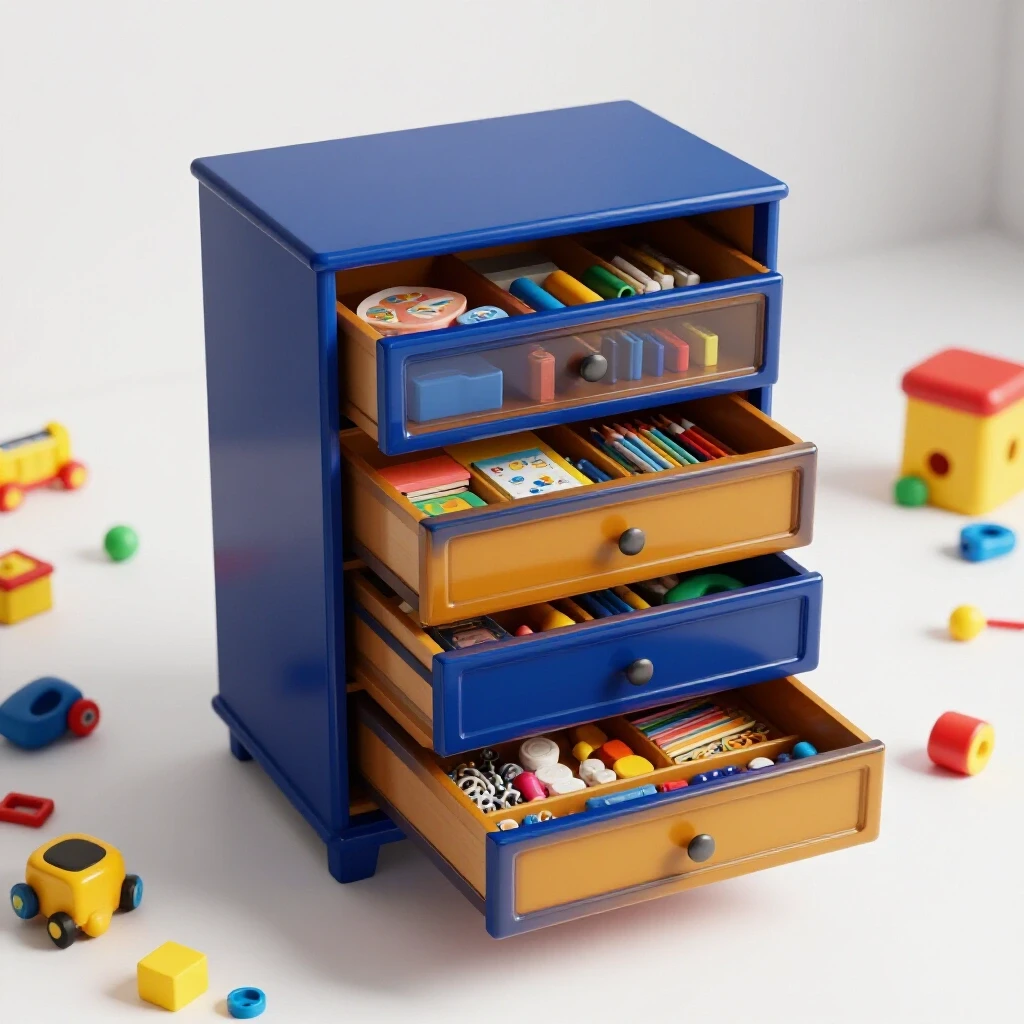
- Zone 2 (Medium Frequency): Closets, toy chests, pantry. Items here should be functional and easy to reach.
- Zone 3 (Low Frequency): Attic, high garage shelves, basement. This is for seasonal items only, not for “purgatory” items you are unsure about.
By aligning our storage with these zones, we reduced the time spent “searching and sorting” by approximately 20 minutes a day. We stopped moving clutter from Zone 1 to Zone 2 and instead moved it out of the house entirely.
Selecting Low-Maintenance Storage Gear
Functional home storage should be durable, modular, and easy to clean. The goal is to create a “set it and forget it” environment where the containers themselves don’t require maintenance.
When selecting gear, I look for “industrial-grade” simplicity. This means avoiding trends and focusing on utility. For instance, we moved away from fabric bins because they lose their shape and collect dust. We switched to heavy-duty plastic or metal mesh.
- Uniformity: Use the same brand and style of bin for specific zones. This allows for easy stacking and modularity.
- Transparency: Use clear bins for anything stored above eye level so you can see the contents without climbing a ladder.
- Labeling: Use a simple label maker or chalk markers. Digital inventory systems (like QR code stickers) are excellent for Zone 3 storage, allowing you to scan a box with your phone to see what’s inside without opening it.
- Accessibility: Ensure that children can reach the bins for their own items. If a child can’t put it away, the system is too complex.
Establishing Sustainable Habit Loops
A habit loop consists of a cue, a routine, and a reward. In a home, the cue is often a specific time of day or an action, like finishing dinner.
For our family, the “Daily Reset” is our most successful habit loop. It isn’t a deep clean; it’s a 10-minute logistical sweep. We focus on “outflow”—ensuring that anything that doesn’t belong in a room is moved to its proper zone or the trash.
- The 5:00 PM Sweep: Before dinner, everyone spends 5 minutes clearing Zone 1 surfaces.
- The “One-In, One-Out” Rule: For every new item that enters the home, an old or damaged item must leave. This maintains a 100% space utilization rate without overstuffing.
- Weekly Outflow Check: Every Saturday morning, we take one bag of items (donations or recycling) out of the house. This ensures the “flow rate” of our home remains steady.
These small, consistent actions prevent the need for massive, exhausting decluttering projects. We no longer spend our long weekends “fixing” the house; we spend them enjoying it.
Metrics for Measuring Household Success
In logistics, we use Key Performance Indicators (KPIs) to track efficiency. You can apply similar metrics to your home to see if your organization systems are actually working.
- Retrieval Time: How long does it take to find a specific tool or document? It should be under 60 seconds.
- Reset Duration: How long does it take to return the living room to a “tidy” state? For a family of four, this should be under 15 minutes.
- Item Density: Are your shelves so full you have to move things to get to the back? If yes, your density is too high (aim for 70-80% capacity).
- Decision Speed: When you find a damaged item, how long do you spend debating its fate? Aim for a 5-second “keep or toss” rule.
By tracking these numbers, I realized that our “fix-it” mentality was the primary reason our reset duration was so high. Once we stopped saving broken things, our daily cleanup time dropped by half.
Common Mistakes in Family Organization
Many people fail because they try to organize “clutter” instead of removing it. You cannot organize your way out of having too much stuff, especially stuff that doesn’t work.
- Buying Bins First: Never buy storage containers until you have finished the “outflow” process. Otherwise, you are just buying “clutter coffins.”
- Over-Categorizing: Don’t have a bin for “Broken Blue Trucks.” Just have a bin for “Cars.” Too many categories increase mental load.
- The “I Might Need It” Trap: This is the most common logistics failure. If you haven’t needed the parts from that broken toaster in six months, you won’t need them in the next six years.
- Ignoring the “Flow”: If items always pile up on the stairs, don’t just get mad—put a basket there. Work with your family’s natural movement patterns.
Practical Next Steps for a Functional Home
Transitioning to a low-maintenance home doesn’t happen overnight, but you can start with three immediate actions. These steps focus on reducing the inventory debt that broken items create.
- The “Broken Item” Audit: Set a timer for 30 minutes. Walk through every room and collect every item that is cracked, torn, or non-functional.
- The 15-Minute Rule: Look at your pile. If you can’t fix it right now in 15 minutes, put it in the recycling or trash. Do not put it back on a shelf.
- Clear One Surface: Choose one high-traffic counter or table. Commit to keeping it 100% clear of “someday” projects for one week. Notice how much lighter that room feels.
By letting go of the burden of future repairs, you create space for the life you are actually living today. A home should be a support system for your family, not a warehouse for unfinished chores.
FAQ: Managing Household Clutter and Repair Backlogs
How do I know if an item is worth keeping to fix later? Apply the 15-minute rule. If you do not have the tools, parts, or skills to fix it immediately, the item is likely “dead stock.” If it has been broken for more than a month, the “carrying cost” of the stress it causes outweighs its value.
What is the best way to stop the “fix-it” pile from returning? Change your “inflow” rules. When something breaks, make an immediate decision: fix it now or discard it. Never allow a “purgatory” zone where items sit while you decide their fate.
How can I get my kids to follow a low-maintenance system? Reduce friction. Use open-top baskets and hooks instead of lidded bins and hangers. Label bins with pictures for younger children. The easier it is to “drop and go,” the more likely they are to help.
Is it wasteful to throw away things that could be repaired? Consider the waste of your time and mental health. Keeping a broken item “just in case” wastes the physical space of your home and your mental energy. If the item is high-value, set a strict one-week deadline for the repair. If the deadline passes, let it go.
What are “low-friction” storage solutions? These are containers that require only one hand and one motion to use. Examples include wall-mounted hooks for bags, open-top felt baskets for toys, and magnetic strips for kitchen tools.
How do I handle sentimental items that are damaged? Sentimental items are not “functional inventory.” If you cannot display the item in its current state, take a high-quality photo of it and then let the physical object go. The memory is in the photo, not the broken ceramic.
What should I do if my partner wants to keep broken items? Focus on “zoning.” Agree that “someday” projects can stay in a specific, limited area (like one shelf in the garage). Once that shelf is full, a “one-in, one-out” policy must be enforced.
How often should I perform a household “logistics audit”? A quick 10-minute daily reset keeps the home functional. A deeper spatial audit should happen seasonally (every 3 months) to ensure that Zone 3 storage isn’t becoming a graveyard for unused items.
Why do clear bins help with organization? Clear bins reduce the “search time” in your retrieval metrics. When you can see the contents, your brain doesn’t have to wonder what is inside, which reduces the cognitive load of managing your belongings.
What is the “One-In, One-Out” rule? It is a simple inventory management strategy. For every new item brought into the home, one item must be removed. This prevents “inventory creep” and ensures your home stays within its spatial capacity.
How can I reduce decision fatigue while decluttering? Use a pre-set sorting framework. Instead of asking “Do I want this?”, ask “Does this function?” and “Have I used this in 90 days?”. Binary (Yes/No) questions are much easier for the brain to process than emotional ones.
What is “visual noise” and how does it affect me? Visual noise is the overstimulation caused by seeing too many objects at once. It competes for your attention and makes it harder to focus or relax. Removing broken and unused items is the fastest way to “turn down the volume” of a room.
(This article was written by one of our staff writers, Christopher Bennett. Visit our Meet the Team page to learn more about the author and their expertise.)