How to Prioritize Home Improvements as a New Homeowner (Guide)

The best-kept secret about owning a home isn’t found in a glossy real estate magazine or a high-end renovation show. It is hidden in the boring, dusty pages of a well-kept maintenance log. Most new owners walk through their front door and see a list of aesthetic changes they want to make. However, after fourteen years of tracking every dollar and hour spent on three different properties, I have learned that the real value of a home is preserved in the systems you cannot see. The transition from renter to owner is less about picking paint colors and more about becoming the chief operating officer of a small, complex utility plant. By focusing on a logical order of operations, you can turn a source of anxiety into a predictable, manageable asset.
Navigating the Financial Shift from Renter to Owner
The transition to ownership requires moving from a fixed monthly cost to a variable budget model. This involves setting aside funds for both expected upkeep and the sudden failures that inevitably occur during the first few years of occupancy. Understanding this shift is the first step toward long-term stability.
When I bought my first house, I assumed my mortgage was the “ceiling” of my monthly costs. I quickly learned it was actually the “floor.” According to the U.S. Census Bureau’s American Housing Survey, the average homeowner spends over $3,000 annually on maintenance and repairs. In my own logs, I found that first-year costs are often higher because you are correcting the deferred maintenance of the previous owner. You aren’t just paying for your life; you are paying for the years the house was neglected before you arrived.
- Establish a “house emergency fund” separate from your personal savings.
- Track every utility bill to find seasonal peaks and valleys.
- Review your home inspection report every six months to check on noted “aging” systems.
- Set aside 1% to 3% of your home’s purchase price annually for a dedicated repair fund.
Establishing a Reliable Home Maintenance Reserve
A maintenance reserve is a dedicated savings account used to cover the costs of keeping a home in good working order. Experts recommend setting aside a specific percentage of the home’s value annually to ensure you are never caught off guard. This proactive approach prevents small issues from becoming expensive disasters.
In my second home, a 1950s ranch, I ignored the 1% rule and spent my extra cash on a new sofa. Six months later, the main sewer line backed up. Because I hadn’t built a reserve, that $4,500 repair went straight onto a high-interest credit card. Data from HUD reports suggests that proactive maintenance can save a homeowner up to 25% in long-term repair costs. A reserve isn’t just a safety net; it is a tool that allows you to negotiate from a position of strength when a contractor gives you a quote.
Annual Maintenance Reserve Benchmarks by Home Age
| Home Age | Recommended Annual Reserve | Rationale |
|---|---|---|
| 0–5 Years | 1% of Home Value | Primarily cosmetic and minor system tuning. |
| 6–15 Years | 1.5% of Home Value | Major appliances and HVAC systems start to age. |
| 16–30 Years | 2% to 3% of Home Value | Roofing, windows, and major mechanicals may need replacement. |
| 30+ Years | 3% + of Home Value | Structural components and outdated systems require attention. |
Why Your First-Year Budget Needs a Buffer
A first-year budget buffer is a financial cushion designed to absorb the costs of “inherited” problems from the previous owner. Even with a good inspection, hidden issues often emerge within the first twelve months of living in a property. This buffer provides peace of mind during a high-stress period.
During my first year in my current home, I discovered that the previous owner had “patched” a leaking window with simple caulk rather than fixing the flashing. It held through the inspection but failed during a heavy spring rain. My log shows I spent $850 on a professional repair that I hadn’t planned for. Without a buffer, that $850 would have meant skipping other necessary tasks. I recommend a “Year One” buffer of at least $5,000, regardless of the home’s age, to handle these inevitable “welcome to the neighborhood” surprises.
Essential Tools for the New Homeowner’s Arsenal
A basic toolkit consists of the high-quality manual and power tools required for routine tasks and minor repairs. Investing in the right gear early prevents frustration and reduces the need to hire professionals for simple jobs. Quality tools are a one-time investment that pay for themselves quickly.
You don’t need a garage full of professional-grade machinery on day one. However, relying on a cheap, plastic-handled hammer from a grocery store will lead to stripped screws and bruised knuckles. I have tracked my DIY savings over a decade, and having the right tools allowed me to handle about 60% of my home’s minor issues without calling a technician. This saved me an estimated $1,200 per year in service call fees alone.
- A high-quality 18V or 20V cordless drill and impact driver set.
- A 25-foot locking tape measure and a digital level.
- A 16-ounce claw hammer with a comfortable grip.
- A multi-bit screwdriver set and a set of Allen wrenches.
- A non-contact voltage tester for safety when changing light fixtures.
- A set of adjustable wrenches and tongue-and-groove pliers for basic plumbing.
- A sturdy 6-foot aluminum or fiberglass stepladder.
Ranking Functional Upgrades for Maximum Daily Impact
Functional upgrades focus on projects that improve your daily quality of life while maintaining the home’s value. These tasks often bridge the gap between simple aesthetic changes and necessary structural preservation. Prioritizing these helps you feel “at home” while staying within a reasonable budget.
When you move in, the urge to “do everything at once” is overwhelming. I call this homeowner’s paralysis. By ranking projects based on how much they affect your daily routine, you can make progress without burning out. For example, updating the lighting in a dark kitchen often provides more satisfaction than replacing a perfectly functional bedroom carpet. My personal logs show that projects costing under $500 often have the highest “happiness ROI” for new owners.
Refreshing Your Kitchen Without a Full Gut
A kitchen refresh involves making high-impact cosmetic changes like painting cabinets or updating hardware. This approach saves money compared to a full renovation while significantly improving the look and feel of the most-used room in the house. It is a perfect middle-ground project for early ownership.
In my first home, the kitchen was a sea of 1990s oak. A full remodel was quoted at $25,000. Instead, I spent $400 on high-quality cabinet paint and $150 on modern matte black handles. The project took three weekends of labor, but it transformed the room. According to the EPA, reusing existing cabinetry is also a more sustainable choice, reducing the waste sent to landfills.
Lighting and Ambiance: Low-Cost, High-Reward Changes
Lighting upgrades include replacing dated fixtures and switching to energy-efficient LED bulbs. These changes are among the most affordable ways to modernize a space and can drastically change the mood of a home. Good lighting can even make small rooms feel significantly larger.
I once tracked the energy usage in my second home after switching every incandescent bulb to LED. My electric bill dropped by an average of $22 per month. Over a year, that $264 savings paid for two new designer light fixtures. When you replace a “boob light” ceiling fixture with a modern recessed light or a sleek pendant, the visual impact is immediate. It is one of the few DIY tasks where the results look professional with very little specialized skill required.
The Core Systems: Protecting Your Largest Investment
Core systems include your HVAC, water heater, and roof, which are the most expensive components to replace. Regular inspection and minor preventative care can extend their lifespans by years and prevent catastrophic failures. Neglecting these systems is the most common mistake made by first-time buyers.
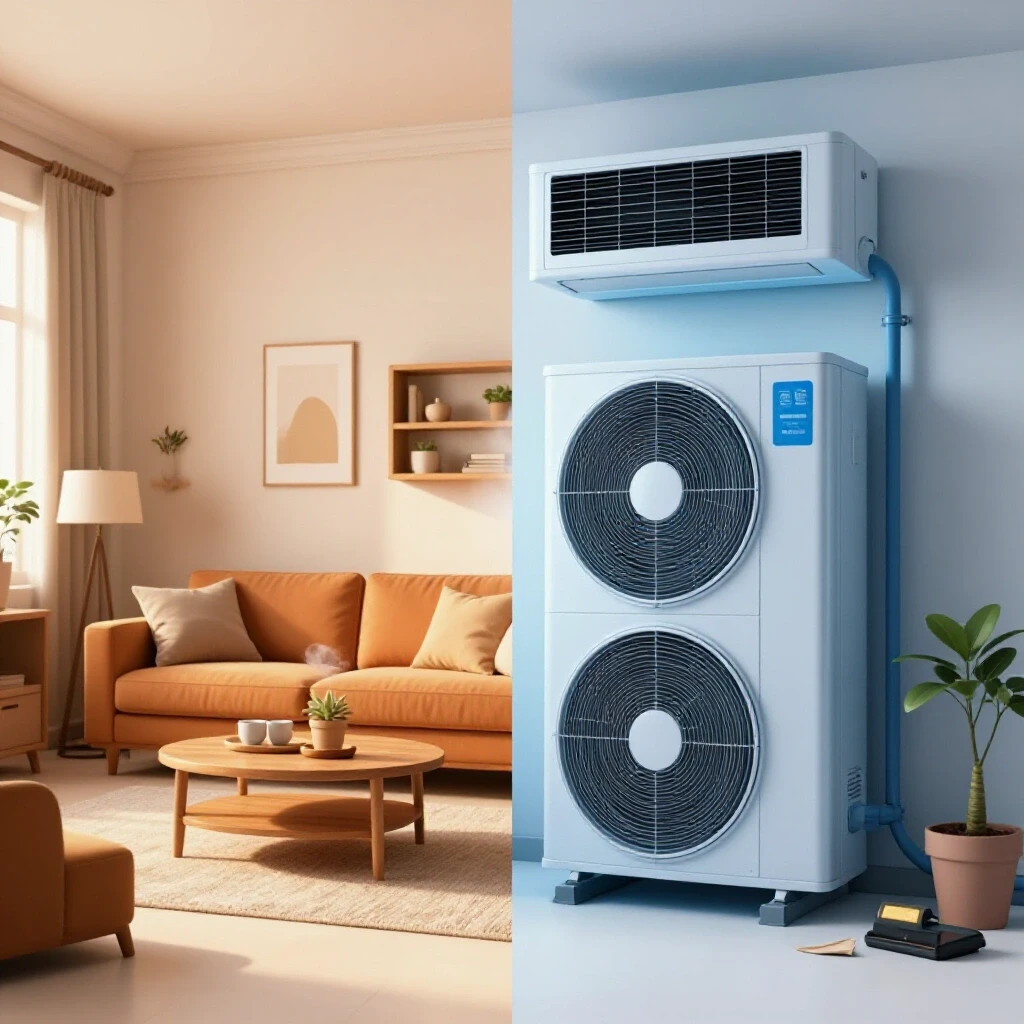
The most expensive entry in my 14-year home log is a $12,000 HVAC replacement. It happened because I didn’t understand the importance of cleaning the outdoor condenser coils. Dust and debris caused the compressor to overheat and fail prematurely. A $150 annual professional tune-up would have likely added five years to that system’s life. Understanding the “thermal envelope” of your home—how it holds heat and sheds moisture—is vital for protecting your bank account.
Appliance Lifespan and Replacement Horizons
| System/Appliance | Average Lifespan | Warning Signs of Failure |
|---|---|---|
| HVAC (Central Air) | 12–15 Years | Strange noises, inconsistent temps, rising bills. |
| Water Heater | 8–12 Years | Rusty water, popping sounds, slow recovery. |
| Dishwasher | 9–10 Years | Dishes stay dirty, water pooling at bottom. |
| Roof (Asphalt Shingle) | 20–25 Years | Curled shingles, granules in gutters, leaks. |
| Refrigerator | 10–13 Years | Excessive humming, food spoiling quickly. |
Why Early HVAC Maintenance Saves Thousands
Preventative HVAC care involves changing filters monthly and scheduling professional inspections twice a year. This simple routine ensures the system runs efficiently and prevents the most common causes of total system failure. It is the single most important task for any new homeowner.
- Change your 1-inch pleated filters every 30 to 90 days.
- Keep the area around your outdoor unit clear of weeds and debris by at least two feet.
- Check the condensate drain line for clogs to prevent water damage inside your home.
- Listen for “clunking” or “squealing” sounds, which often indicate a failing motor or belt.
Managing DIY Projects Without Burning Out
Homeowner burnout occurs when the list of tasks feels endless and overwhelming. Learning to balance DIY ambitions with your professional and personal life is essential for long-term satisfaction in your new home. It is okay to admit when a project is outside your current skill level.
In my third year of ownership, I tried to retile a bathroom while working a 50-hour week. I ended up with a non-functional bathroom for three months and a lot of frustration. My logs now include a “Time vs. Money” calculation. If a project will take me more than three weekends to complete, I strongly consider hiring a pro. Protecting your mental health is just as important as protecting your equity.
DIY Time-Investment vs. Professional ROI
| Task | DIY Time Estimate | Pro Cost (Avg) | DIY Skill Level |
|---|---|---|---|
| Interior Painting (Room) | 8–12 Hours | $400–$800 | Beginner |
| Installing a Faucet | 2–4 Hours | $150–$300 | Intermediate |
| Changing Light Fixture | 1–2 Hours | $100–$250 | Intermediate |
| Deck Staining | 10–15 Hours | $500–$1,200 | Beginner |
| Tiling a Backsplash | 15–20 Hours | $600–$1,500 | Advanced |
Managing the Psychological Transition to Homeownership
The psychological transition involves shifting your mindset from being a guest in a rental to being the steward of a property. This change requires accepting that you are now the final decision-maker for every repair and improvement. It can be a heavy emotional burden if not managed correctly.
When something breaks in a rental, you call the landlord. When something breaks in your home, you are the landlord. I remember the first time my dishwasher leaked; I sat on the kitchen floor feeling completely defeated. Over time, I realized that every repair was an opportunity to learn about my home. Using digital home logs—like a simple spreadsheet or a dedicated app—helps turn that “feeling of defeat” into a documented “win” once the repair is finished.
- HomeZada or Centriq: Apps for tracking appliance manuals and maintenance schedules.
- YNAB (You Need A Budget): Excellent for “sinking funds” like home repairs.
- Google Sheets: A simple, free way to log every repair, contractor name, and cost.
- YouTube: Specifically channels like “Home RenoVision DIY” for visual learners.
Strategic Asset Protection and Energy Audits
Asset protection involves looking at your home as a long-term investment that requires specific environmental defenses. Energy audits help identify where your home is “leaking” money through poor insulation or air gaps. These steps ensure your home stays comfortable and affordable as energy prices rise.
I conducted a DIY energy audit using a simple thermal leak detector I bought for $40. I found that my front door was leaking as much air as a medium-sized hole in the wall. Spending $20 on a new weatherstripping kit reduced my winter heating bill by 8%. According to the EPA, sealing air leaks and adding insulation can save homeowners an average of 15% on heating and cooling costs. These aren’t “glamour” projects, but they are the ones that pay you back every single month.
Managing Long-Term Goals Without Overwhelm
Long-term goal management involves creating a five-year plan for your property. Instead of reacting to every problem, you plan for major updates like flooring or windows well in advance. This allows you to save cash and avoid the stress of “emergency” renovations.
In my current home, I know the roof will likely need replacement in four years. Because I have this in my log, I am saving $200 a month specifically for that. When the time comes, I won’t have to scramble for a loan. This level of planning turns homeownership from a series of crises into a series of scheduled events. It allows you to enjoy your home today while being responsible for its future.
- Create a “Master Wishlist” of every project you want to do.
- Categorize them into “Must Do,” “Should Do,” and “Want to Do.”
- Assign a rough cost and a target year to each project.
- Review and adjust this list every New Year’s Day.
FAQ: Essential Knowledge for New Homeowners
How much should I realistically save for home maintenance each month? Follow the 1% rule as a baseline. If your home cost $300,000, aim to save $3,000 a year, or $250 a month. If the home is older than 20 years, try to bump that to 2% or $500 a month. This covers both small repairs and the eventual replacement of big-ticket items like the roof or HVAC.
Which DIY projects offer the best return on investment for a first-time owner? Interior painting, updating cabinet hardware, and replacing old light fixtures offer the best visual “bang for your buck.” These tasks require minimal specialized tools and can be learned via short tutorials. They modernize the home’s look without the high cost of professional labor.
How often should I really change my HVAC filters? For standard 1-inch filters, every 30 to 60 days is ideal, especially if you have pets. If you use high-efficiency 4-inch media filters, you can often go 6 to 12 months. Checking them monthly ensures you don’t forget, as a clogged filter is the leading cause of blower motor failure.
Is a home warranty actually worth the cost? Home warranties can be helpful in the first year if your appliances are very old, but they often have high service fees and many exclusions. My 14-year logs show that I would have saved more money by putting that “warranty premium” into a dedicated savings account instead.
What are the signs that my water heater is about to fail? Look for “pitting” or rust on the tank itself, or rusty-colored water coming from your hot taps. If you hear a loud popping or rumbling sound (which is boiling sediment), the unit is likely near the end of its life. Most tank heaters last 8 to 12 years.
How do I prioritize my “to-do” list when everything feels urgent? Prioritize by “Threat to Structure” first. A leaking roof or a plumbing leak always comes before a kitchen backsplash. Use the “Rule of Three”: focus on one safety/structural task, one maintenance task, and one cosmetic task at a time to keep things balanced.
Should I paint my house before I move in or after? If possible, paint before you move your furniture in. It is significantly faster and cheaper because you don’t have to move or cover heavy items. My logs show that painting an empty room takes about 40% less time than painting a furnished one.
How do I find reliable contractors for the jobs I can’t do myself? Avoid “lead generation” sites that sell your info. Instead, ask neighbors on local forums or check with your local hardware store. Always get three quotes and ask for proof of insurance. A good contractor will never pressure you to sign a contract on the spot.
What is the most common “rookie mistake” in home maintenance? Ignoring water. Whether it is a small drip under the sink, a clogged gutter, or a damp crawlspace, water is the primary enemy of a home’s structure. Most major repairs I have documented started as a small “water issue” that the owner ignored for too long.
How do I lower my monthly utility bills without a massive investment? Install a smart thermostat, seal gaps around doors and windows with weatherstripping, and switch all bulbs to LEDs. These three steps usually cost less than $200 total but can reduce your annual energy spending by 10% to 20% depending on your climate.
(This article was written by one of our staff writers, Michael Morrison. Visit our Meet the Team page to learn more about the author and their expertise.)