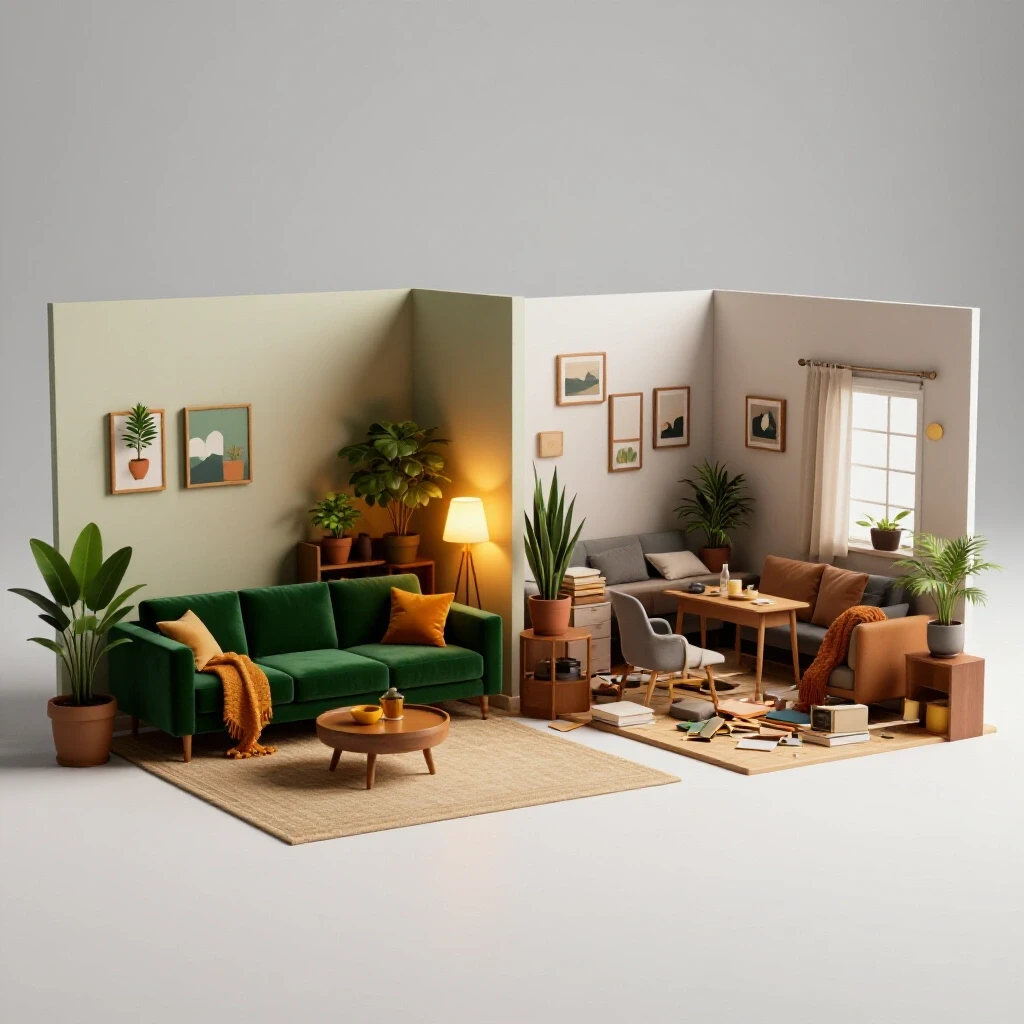
How to Balance Style and Function When Moving Homes (Guide)

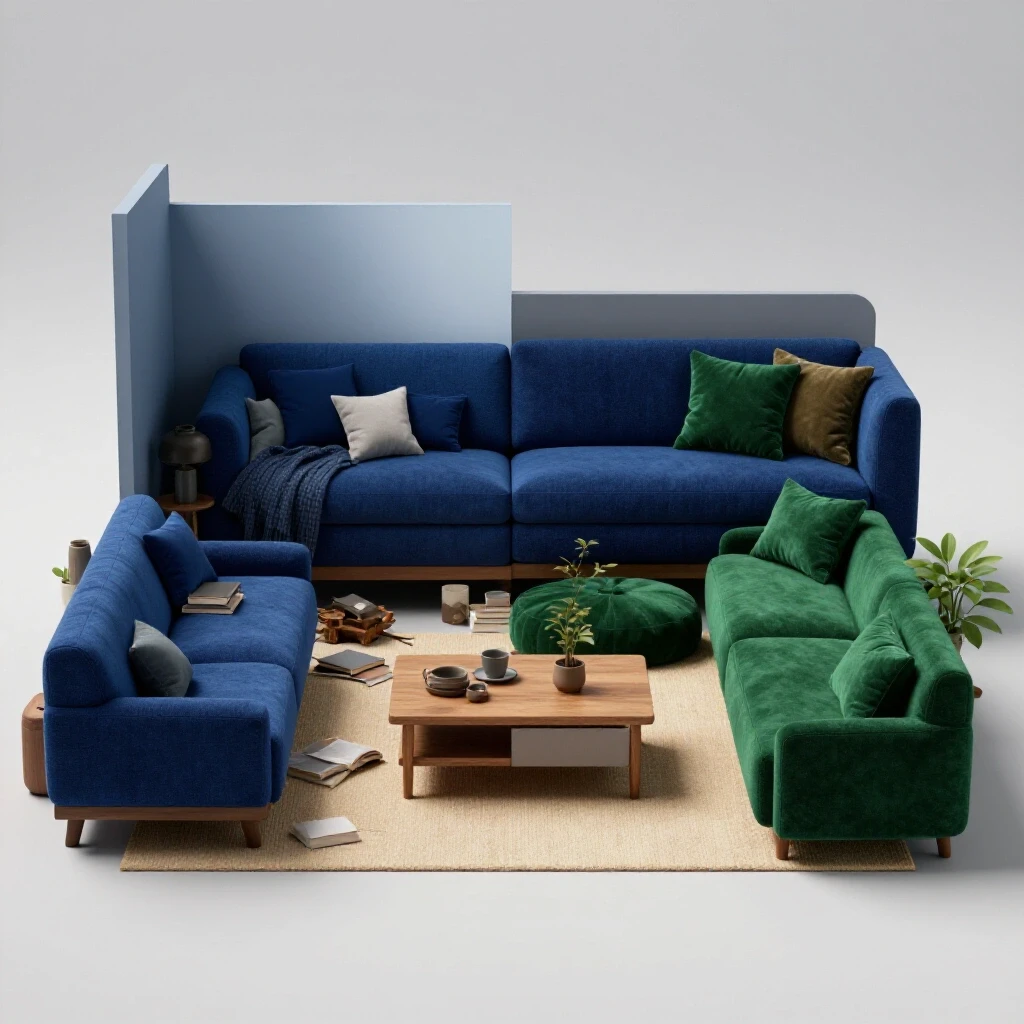
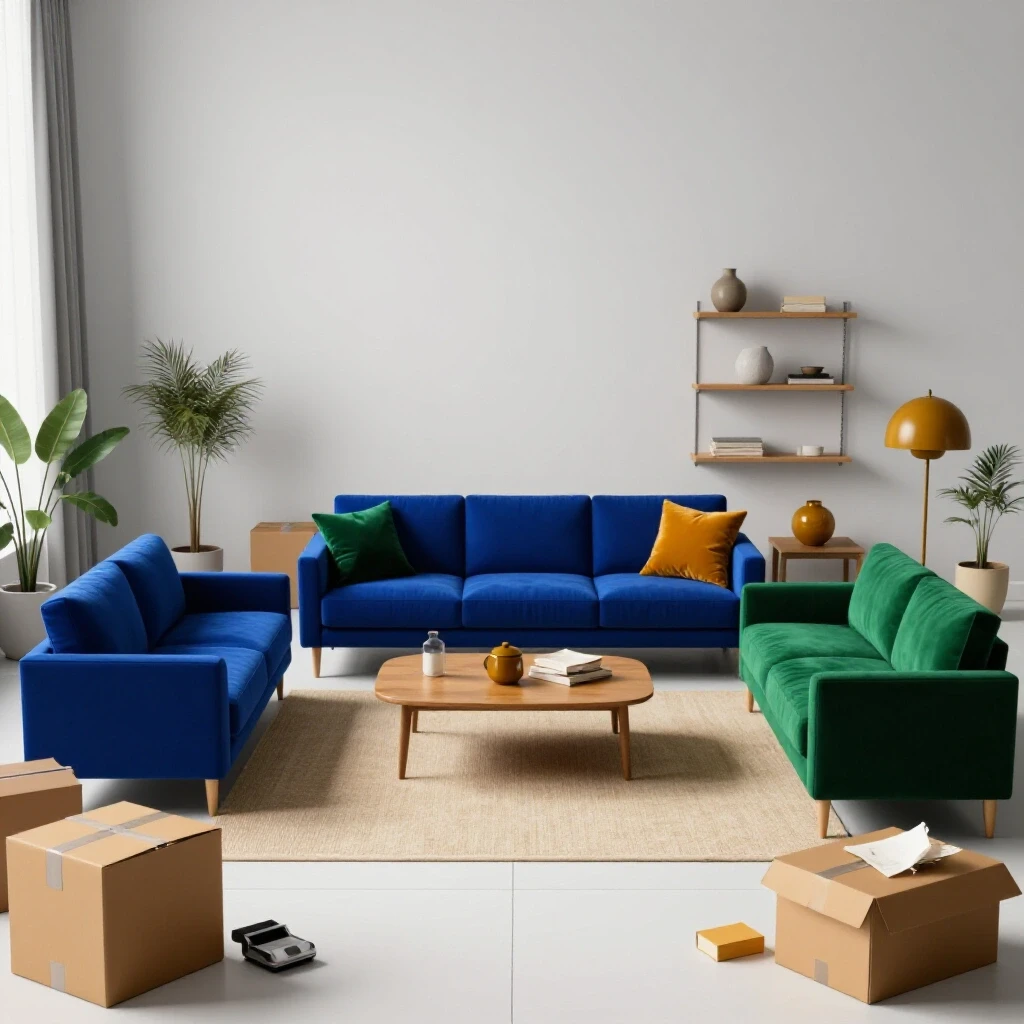
I stood in the middle of our third living room in seven years, staring at a sofa that looked like a giant in a dollhouse. The tape measure in my hand didn’t lie, but my eyes had certainly deceived me during the walk-through. Outside, the movers were waiting for a decision on where to drop the heavy sectional, and my kids were already asking where their LEGO bins were. This was the moment I realized that moving isn’t just about hauling boxes; it is a complex puzzle of fitting an old life into a new, often stubborn, architectural reality.

Auditing Your New Floor Plan Before the First Box Arrives
This phase involves evaluating the physical dimensions and flow of a new home to ensure existing belongings match the structural reality.
Before you ever load a truck, you must perform a spatial audit. In my 19 years of relocating, I have learned that a floor plan on a screen feels much larger than it does when you are standing in it with a stack of boxes. You need to identify the “primary paths”—the routes you walk most often, such as from the bedroom to the bathroom or the kitchen to the trash bin. These paths require a minimum of 30 to 36 inches of clearance to feel comfortable.
Interestingly, most people overlook the “swing” of doors and the placement of floor vents. During our move to a 1920s craftsman, we realized too late that our favorite bookshelf blocked the only intake vent in the living room. We had to choose between the aesthetic of our library and the efficiency of our heating system. We chose the heat. This type of home transition planning requires a cold, hard look at your new home’s physical limitations.
Spatial Blueprint Compatibility Matrix
| Room Type | Key Furniture Item | Required Clearance | Common Conflict |
|---|---|---|---|
| Living Room | Sectional Sofa | 30″ walk space | Blocks walkways or heaters |
| Dining Room | 6-Chair Table | 36″ behind chairs | Restricts movement to kitchen |
| Bedroom | Queen/King Bed | 24″ on sides | Blocks closet door swing |
| Home Office | Desk & Chair | 42″ depth for chair | Limits guest bed placement |
Evaluating Furniture Scale Against Room Dimensions
This is the process of measuring furniture against the visual weight and physical clearance of a new room to prevent overcrowding.
One of the hardest lessons I learned was during our cross-country move when I tried to force a massive, dark wood armoire into a sun-drenched, airy guest room. It didn’t just take up physical space; it swallowed the light. This is what housing experts call “visual weight.” To succeed in a small room furniture layout, you have to be willing to let go of pieces that worked in your old house but suffocate your new one.
When you are assessing your items, use a “keep, adapt, or donate” system based on the room’s footprint. If a piece of furniture leaves you with less than 24 inches of walking space, it is a safety hazard and a source of daily frustration. In my family, we once traded a beautiful but oversized coffee table for a set of nesting tables. We lost the “style” of the large centerpiece, but we gained the “function” of a floor where our toddler could actually crawl without hitting corners.
- Standard Clearance Margins: 36 inches for major traffic lanes.
- Seating Depth: 30 to 32 inches for comfortable legroom.
- Visual Balance: Mix heavy pieces with “leggy” furniture to create a sense of openness.
Strategies for Managing Awkward Layouts and Small Rooms
This involves using zoning and multi-functional arrangements to make non-traditional room shapes usable for daily family life.
Awkward rooms—those with too many windows, slanted ceilings, or off-center fireplaces—are the biggest hurdles in spatial layout adaptation. I once dealt with a “long and skinny” living room that felt like a bowling alley. Building on the concept of zoning, we divided the room into two distinct areas: a cozy conversation nook and a dedicated play zone. We used a low-profile rug to define the boundaries without building a physical wall.
As a result, the room felt intentional rather than cluttered. When you face an awkward space, look for the “anchor point.” This is usually the largest uninterrupted wall. Place your most important piece of furniture there first, then build outward. If you have a small room, consider vertical storage. We once used wall-mounted crates for shoes in a narrow entryway because a traditional bench left us bumping into the walls every morning.
Furniture Clearance Guidelines by Room Footprint
- Entryways: Keep at least 42 inches clear near the front door for multiple people to enter at once.
- Kitchens: Maintain a 48-inch “work triangle” between the stove, sink, and fridge if possible.
- Hallways: Never go below 30 inches; 36 inches is the gold standard for moving laundry baskets or strollers.
The First-Month Transition: Designing for Daily Routines
This means organizing a home based on the sequence of daily activities to reduce the friction of a new environment.
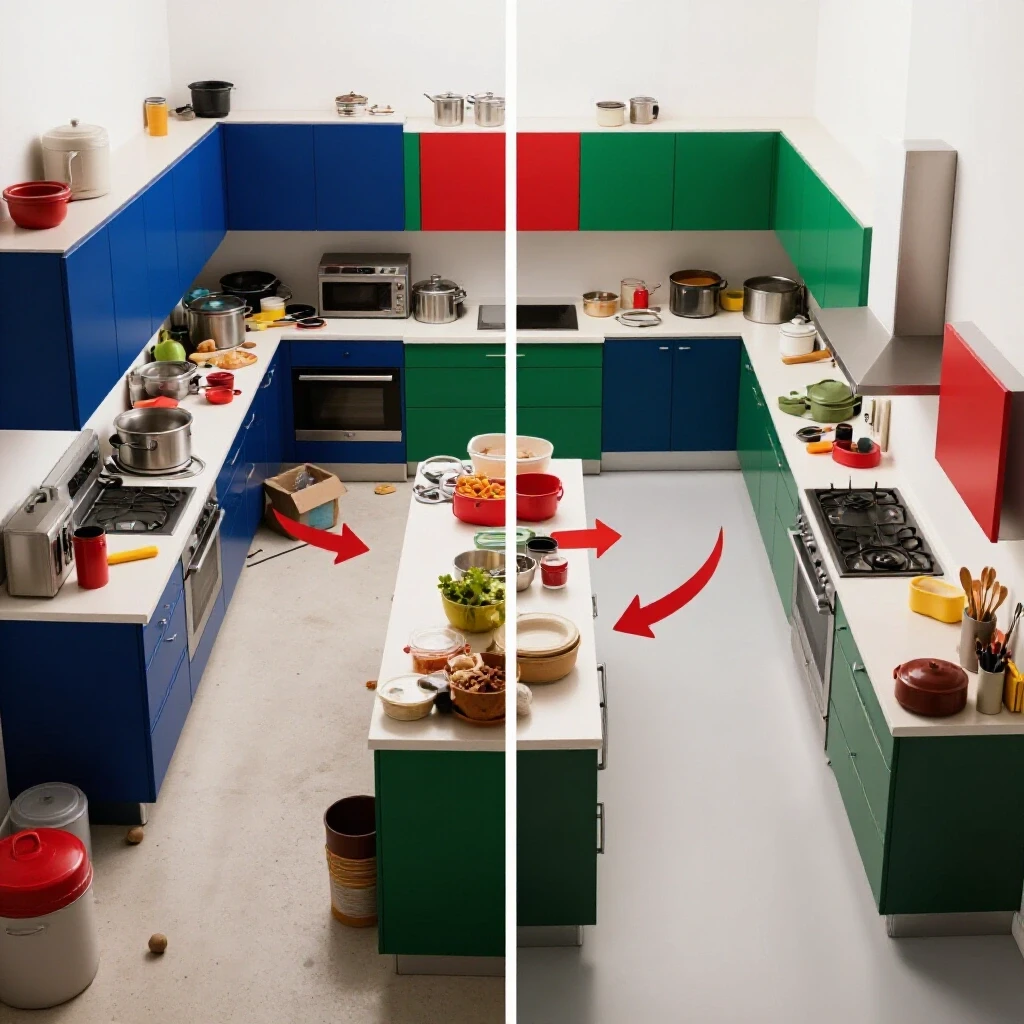
The first 30 days in a new home are a “beta test.” You are essentially testing a hypothesis of how you think you will live. During our second move, I insisted on putting the coffee maker in a beautiful “coffee station” nook. However, it was ten feet away from the sink. After three mornings of carrying dripping water across the kitchen, I moved it next to the sink. It didn’t look as “Pinterest-ready,” but it saved my sanity.
A successful new home adjustment guide focuses on “functional zones.” Think about your morning routine: Where do you put your keys? Where does the mail go? Where do the kids drop their backpacks? If you don’t designate these spots in week one, the clutter will designate them for you. We call this the “Landing Strip” method—a dedicated 4-foot area near the main entrance that handles the transition from the outside world to the home.
- Week 1: Focus on “Survival Zones” (Kitchen, Master Bed, One Bathroom).
- Week 2: Establish “Utility Zones” (Laundry, Home Office, Trash systems).
- Week 3: Refine “Social Zones” (Living room layout, Dining area).
- Week 4: Address “Storage Zones” (Garage, Attic, Closets).
Building Community and Navigating Social Friction
This is the proactive effort to establish connections in a new neighborhood to mitigate the isolation often felt after a relocation.
Moving isn’t just about where the couch goes; it’s about where you go. Neighborhood community building is a vital part of the transition. In my experience, the “three-house rule” works best: introduce yourself to the neighbor to your left, your right, and the one directly across the street within the first ten days. It feels awkward, but it breaks the ice before you actually need to ask them where the best local grocery store is.
We also found that spending time in the front yard instead of the back yard for the first month is a game-changer. Whether you are unpacking boxes in the garage or just sitting on the porch, being visible makes you approachable. According to relocation logistics statistics, people who establish at least one local acquaintance in the first month report 40% lower stress levels regarding their move.
Practical Tools and Resources for Layout Planning
These are digital and physical aids that help visualize furniture placement and track moving progress.
To avoid the physical strain of moving heavy furniture twice, I highly recommend using digital tools before the movers arrive. These resources allow you to “fail on paper” so you can succeed in person.
- MagicPlan: An app that uses your phone’s camera to create floor plans simply by scanning the room.
- Floorplanner.com: A robust web-based tool for dragging and dropping furniture into a 2D or 3D model of your home.
- Home moving checklist templates: Use a shared digital doc (like Google Sheets) to track box inventory by room and weight.
- Painter’s Tape: The most underrated tool. Tape out the footprint of your furniture on the floor of the new house to see if you can still walk around it.
- Digital Moving Label Systems: Use QR codes on boxes that link to a photo of the contents inside.
Managing the Logistics of a Family Move
This section covers the practical weight and volume constraints of moving household goods safely and efficiently.
When packing, remember that weight tolerances are crucial for both your back and the structural integrity of your boxes. A standard “small” moving box (1.5 cubic feet) should be used for heavy items like books. A “large” box (4.5 cubic feet) is for light, bulky items like pillows. In my 19 years of moving, I’ve seen more boxes fail because they were over-packed than because they were cheap.
- Small Box Weight Limit: 30 lbs (Books, canned goods).
- Medium Box Weight Limit: 40 lbs (Small appliances, toys).
- Large Box Weight Limit: 50 lbs (Linens, lampshades).
First-Month Spatial Adjustment Timeline
| Phase | Goal | Key Action |
|---|---|---|
| Days 1-3 | Safety & Sleep | Assemble beds; clear paths to exits. |
| Days 4-10 | Functional Flow | Set up kitchen; organize the “Landing Strip.” |
| Days 11-20 | Comfort & Style | Hang curtains; adjust furniture that feels “off.” |
| Days 21-30 | Community | Host a “pizza on boxes” night for new neighbors. |
Why Blind Furniture Placement Fails
If you don’t have a plan, you will likely end up with what I call “The Perimeter Problem”—where all the furniture is pushed against the walls, leaving a cold, empty cavern in the middle. This happens because we are afraid of blocking movement. However, by using a layout blueprint, you can see that floating a sofa in the middle of a room can actually improve the flow if you leave that 36-inch margin behind it.
In our fourth move, we had a living room with four doors. It felt impossible. By drafting a layout first, we realized that placing the TV on a stand in a corner—something I usually hate—was the only way to keep the walking paths clear. It was a tradeoff. We lost the “perfect” viewing angle, but we gained a room where we weren’t constantly tripping over each other’s feet.
Key Takeaways for a Smooth Transition
Moving is a marathon of adjustments. You will likely change your mind about a room’s layout three times before it feels right. That is not a failure; it is a necessary part of the adaptation process. Be patient with the space and with yourself.
- Measure twice, move once. Use painter’s tape to visualize footprints.
- Prioritize traffic flow. Ensure 30-36 inches of clearance in all major lanes.
- Zone your rooms. Give every corner a specific job to do.
- Be a visible neighbor. Spend time in your front yard to build community early.
- Accept the tradeoffs. Sometimes function has to beat style for a home to be livable.
The goal isn’t to create a showroom on day one. The goal is to create a functional environment that supports your family’s daily life while you slowly turn a new house into a home.
Frequently Asked Questions
What is the most common mistake people make when arranging furniture in a new home? The most frequent error is the “Perimeter Problem,” where all furniture is pushed against the walls. This often makes a room feel less cozy and can actually interfere with natural walking paths between doors. Instead, try “floating” furniture to create distinct zones, ensuring you maintain a 30-36 inch clearance for traffic.
How do I know if my old furniture is too big for my new space? Use the “Two-Foot Rule.” If a piece of furniture leaves you with less than 24 inches of clearance between it and the next object (or wall), it is likely too large. You should also consider “visual weight”—if a dark, heavy piece of furniture blocks a window or takes up more than one-third of a wall’s length, it may overwhelm the room.
What should I unpack first to make the transition easier? Always start with the “Survival Zones”: the kitchen (for basic meals), the master bedroom (for sleep), and one bathroom. Having a place to eat, sleep, and shower comfortably within the first 24 hours significantly reduces moving stress and allows you to tackle the rest of the house with a clear head.
How can I make a small, awkward room feel functional? Focus on multi-functional furniture and vertical space. Use wall-mounted shelves to keep the floor clear and look for “leggy” furniture that allows light to pass underneath. Zoning is also key—use rugs or lighting to define a specific area, like a reading nook, within the larger awkward space.
Is it worth it to hire a professional space planner for a move? While professional help is great, most people can manage using digital tools like MagicPlan or Floorplanner. These apps allow you to see if your sectional will fit before you pay movers to carry it inside. If you have a very complex or small space, a one-time consultation might save you from buying furniture that won’t fit.
How do I handle the “social friction” of moving into a new neighborhood? Be proactive but low-pressure. The “three-house rule” is a great start—introduce yourself to your immediate neighbors within the first week. Spending time in your front yard or porch also makes you more approachable than staying behind a closed garage door or a backyard fence.
What are the standard clearance margins I should keep in mind? For major traffic lanes, aim for 36 inches. For space around a dining table (to pull out chairs), aim for 36 inches from the table edge to the wall. In a bedroom, try to keep at least 24 inches on either side of the bed for easy movement and bed-making.
How do I deal with a room that has too many doors and windows? Identify the “anchor wall”—the one with the least amount of “breaks.” Place your largest piece of furniture there. If you must place furniture in front of a window, choose low-profile pieces that won’t block the light. Use the center of the room to “float” seating if the walls are too busy with openings.
What is the “Landing Strip” method for entryways? This is a designated zone (usually 4-5 feet long) near your main entrance designed to catch the “debris” of daily life. It should include a spot for keys, mail, shoes, and bags. Establishing this functional zone early prevents the rest of your new home from becoming cluttered with daily-use items.
How long does it realistically take to feel “settled” in a new home? In my experience, it takes about 30 days to get the layout functional and about six months to feel a true sense of “home.” The first month is for logistical adjustments; the following months are for decorating and building the deeper community connections that make a place feel like yours.
(This article was written by one of our staff writers, Kevin Thompson. Visit our Meet the Team page to learn more about the author and their expertise.)