How to Set Up a Home Office in a Shared Space (Simple Guide)

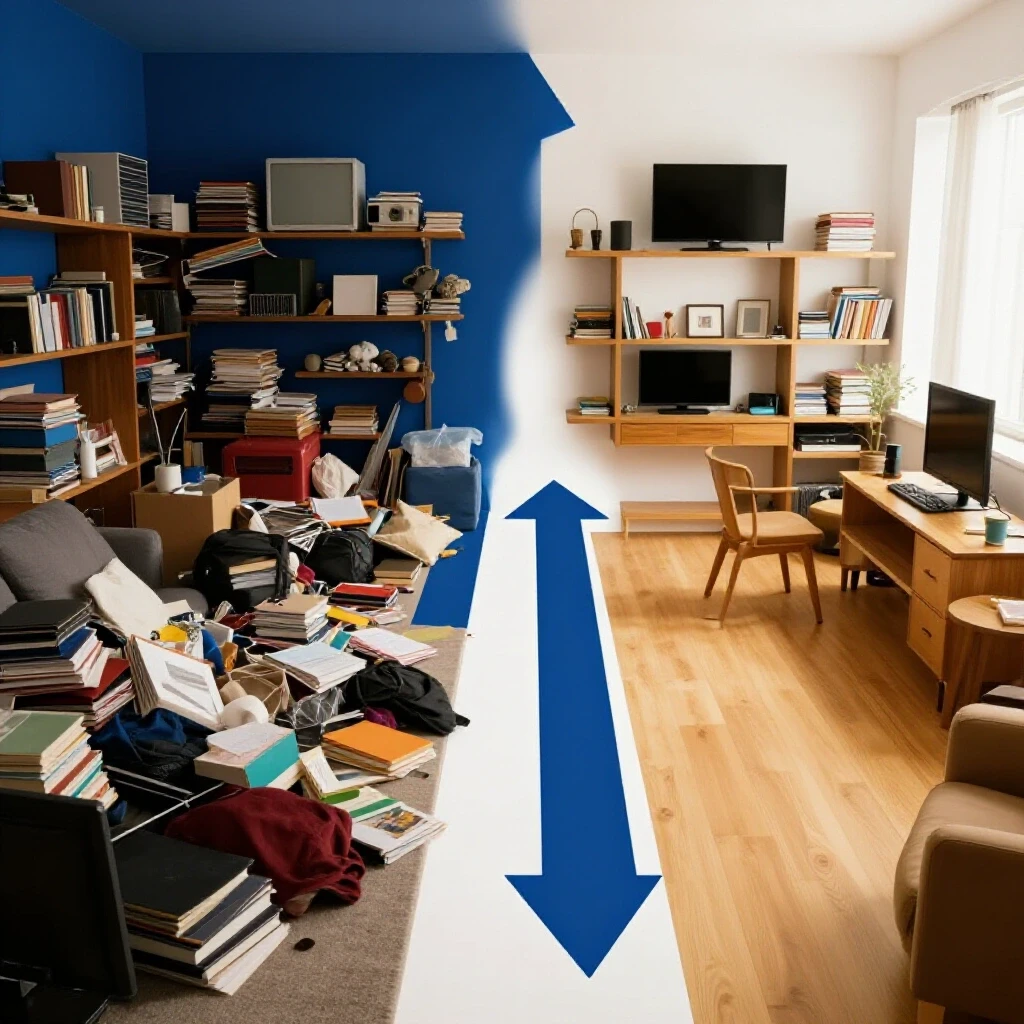
In the late 19th century, the “keeping room” was the heart of many homes. This single space functioned as a kitchen, a dining area, and a place for evening chores or study. Everyone shared the warmth of the hearth while performing different tasks. Today, as we transition into new homes or downsize into smaller footprints, we are returning to this multi-functional reality. We often find ourselves needing to carve out a productive zone within a living room or bedroom without the luxury of a dedicated door to close.
Over 19 years and four major relocations, I have learned that a successful move is not just about getting boxes from point A to point B. It is about spatial layout adaptation. When my family moved cross-country for the third time, we transitioned from a sprawling suburban house to a compact urban apartment. We had to learn how to integrate a functional workspace into our primary living area while maintaining a sense of calm. This guide shares the grounded strategies we used to optimize awkward floor plans and build daily routines that actually work.
Understanding Spatial Layout and Environmental Transitions
Spatial layout is the intentional arrangement of furniture and objects to support movement and specific activities within a room. Environmental transition refers to the psychological and physical process of adapting to a new home. Both are essential for reducing the stress of a relocation.
When you first walk into a new home, the floor plan can feel like a puzzle. You are not just placing a desk or a couch; you are defining how you will move through your life every day. A successful transition requires looking at the “why” before the “how.” Why does a certain corner feel cramped? Why does the kitchen table feel like the only place to work? By defining these needs early, you can create a home moving checklist that prioritizes function over aesthetics.
The Importance of Circulation Paths
Circulation paths are the invisible “highways” in your home where people walk most often. In a shared space, these paths must remain clear to prevent frustration and physical clutter.
- Primary Walkways: These should be 30–36 inches wide to allow for comfortable movement.
- Secondary Clearances: Areas between furniture, like the space between a coffee table and a sofa, should be at least 18 inches.
- Work Zone Buffers: A desk area needs at least 24–30 inches of “push-back” space for a chair to move freely without hitting other furniture.
Analyzing Your New Floor Plan Before Unpacking
A common mistake in home transition planning is trying to force old furniture into new rooms without measuring the footprint. Before you open a single box, you must conduct a spatial audit of your new environment.
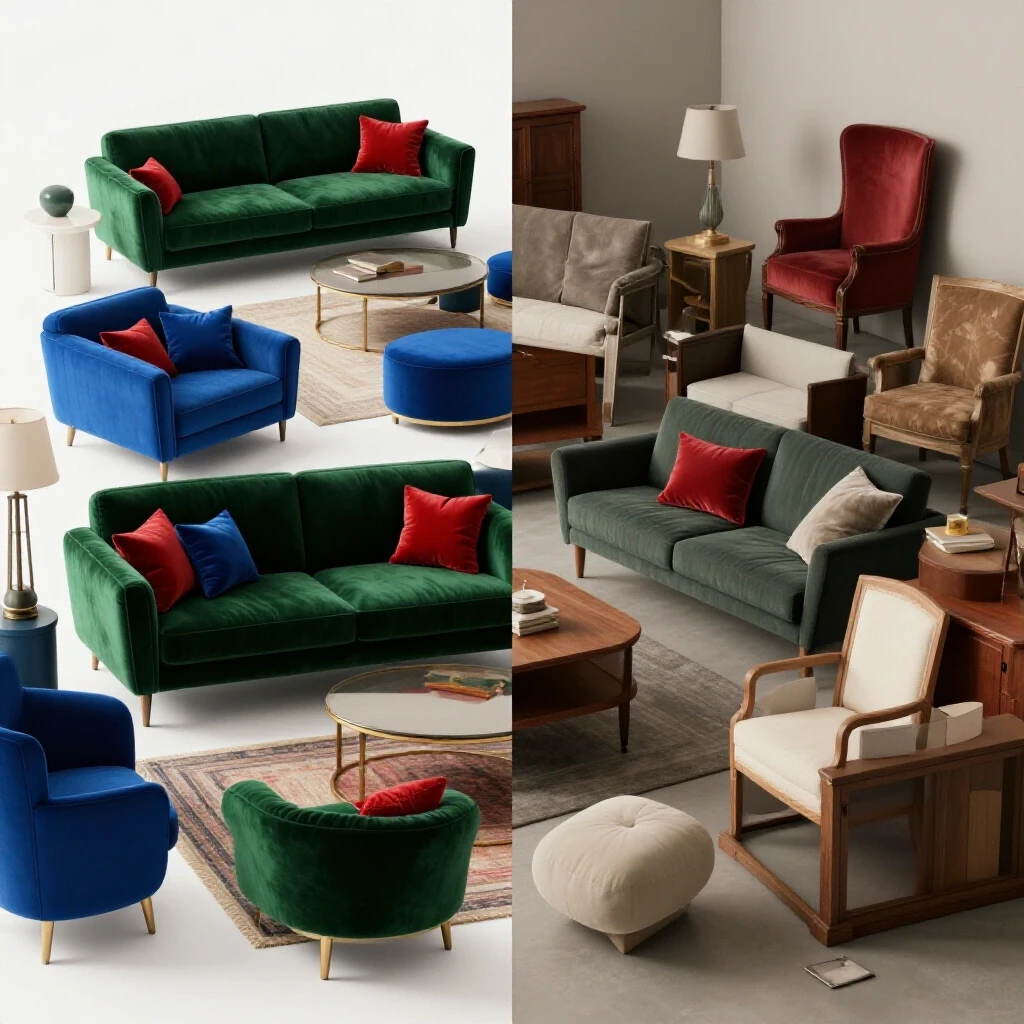
During our second move, I assumed our large sectional would fit in our new living room. It did, but it blocked the natural light and made the room feel like a storage unit. I learned that measuring the room is only half the battle; you also have to measure the “visual weight” of your items. If a piece of furniture dominates the room, it will make the shared workspace feel intrusive rather than integrated.
Why Blind Furniture Placement Fails
Blind placement happens when you put things where they “seem” to go without a plan. This leads to awkward layouts and high stress. Instead, draft a spatial layout blueprint. This is a simple sketch of your room with marked dimensions of your largest pieces.
- Step 1: Measure the total square footage of the shared room.
- Step 2: Identify the “dead zones”—corners or alcoves that don’t get much foot traffic.
- Step 3: Map out the windows and power outlets, as these dictate where a work zone can realistically exist.
Spatial Blueprint Compatibility Matrix
| Furniture Item | Ideal Clearance (Inches) | Best Placement Strategy | Shared Space Impact |
|---|---|---|---|
| Standard Desk | 30 behind chair | Against a wall or window | Low visual footprint |
| Dining Table | 36 around all sides | Centralized | High multi-functionality |
| Bookshelf | 12–15 depth | Flanking the desk | Creates a “zone” feel |
| Area Rug | 6–12 from walls | Under the work zone | Visual boundary |
Strategies for Carving Out a Work Zone in Shared Areas
Creating a functional workspace in a shared room requires visual zoning. This means using non-permanent elements to tell your brain—and your family—that a specific area has a different purpose. We used these low-cost adaptations to make our “trial” workspace feel separate from the lounging area.
Using Textiles and Rugs for Zoning
A rug is one of the most effective tools for small room furniture layout. By placing a small rug under your desk and chair, you create a “physical island.” This boundary signals that the area is for work, even if it is only three feet away from the sofa. In our third apartment, a simple 4×6 jute rug helped my kids understand that when I was on the “work island,” I was busy.
Modular Storage as a Room Divider
You do not need to build walls to create privacy. Open-backed shelving units are excellent for this. They provide storage for work materials while acting as a semi-transparent screen. This allows light to pass through so the room doesn’t feel smaller, but it provides enough of a barrier to reduce visual distractions.
- Use bins or baskets in the lower shelves to hide messy cords or papers.
- Keep the top shelves clear or decorated with plants to maintain an airy feel.
- Position the shelf perpendicular to the wall to act as a “fin” that separates the desk from the living area.
Lighting Tweaks for Functional Separation
Lighting is often overlooked in home transition planning. To make a shared space work, you need “layered lighting.” A dedicated desk lamp creates a pool of light that focuses your attention. When you turn off the overhead “big light” and use only the desk lamp, the rest of the room fades away, helping you concentrate. Conversely, when work is over, turning off that lamp serves as a mental “off switch” for the day.
A Step-by-Step Unpacking Plan for New Residents
The first month in a new home is a period of high logistics stress. To manage this, I recommend a phased approach to unpacking. This prevents the “sea of boxes” feeling and allows you to test your layout before committing to it.
Phase 1: The First 48 Hours (Survival Mode)
Focus only on the essentials. Set up the beds, the bathroom, and a temporary “command center” in the kitchen. Do not worry about the workspace yet. Use this time to observe how the sun moves through the rooms and where the natural traffic flows are.
Phase 2: Days 3–10 (The Layout Trial)
This is when you set up your primary work and living zones. Place your desk in the spot you identified during your spatial audit. Use blue painter’s tape on the floor to mark out where other furniture will go. This allows you to walk through the room and ensure the 36-inch clearance margins are maintained.
Phase 3: Days 11–30 (Refinement)
By now, you will know if your desk placement is working. Are you getting too much glare on your screen? Is the chair bumping into the dining table? This is the time to make small adjustments. Move the rug, shift the shelving, or swap the desk to a different corner. This iterative process is much easier than moving heavy furniture multiple times.
First-Month Spatial Adjustment Timeline
- Day 1: Unpack “Open First” boxes; set up basic sleeping areas.
- Day 3: Place large furniture items (sofa, bed, desk) based on the blueprint.
- Day 7: Evaluate circulation paths. If you are constantly dodging a table leg, move it.
- Day 14: Implement visual zoning (rugs, lighting, modular storage).
- Day 21: Organize storage bins and clear the “clutter corners.”
- Day 30: Finalize the layout and begin neighborhood community building efforts.
Adapting Existing Furniture to Awkward Layouts
One of the biggest challenges for movers aged 25–45 is making old furniture fit into a new, often smaller, footprint. When we moved from a traditional house to a modern loft, our bulky wooden desk was a disaster. It didn’t fit the scale of the room.
If your furniture is too large, consider its “visual weight.” A heavy, dark desk in a small shared room will make the space feel cramped. You can lighten the look by: – Removing the hutch or top section of a desk. – Using a chair with a lower profile or a transparent “ghost chair” style. – Swapping heavy curtains for light-filtering shades to keep the perimeter of the room feeling open.
Furniture Clearance Guidelines by Room Footprint
- Small Rooms (under 120 sq ft): Keep at least 60% of the floor space visible. Choose furniture with legs rather than “blocky” bases to increase the sense of space.
- Medium Rooms (120–250 sq ft): Use the 30-36 inch rule for main paths. You can afford one “hero” piece of furniture, like a large sofa, but keep the desk area compact.
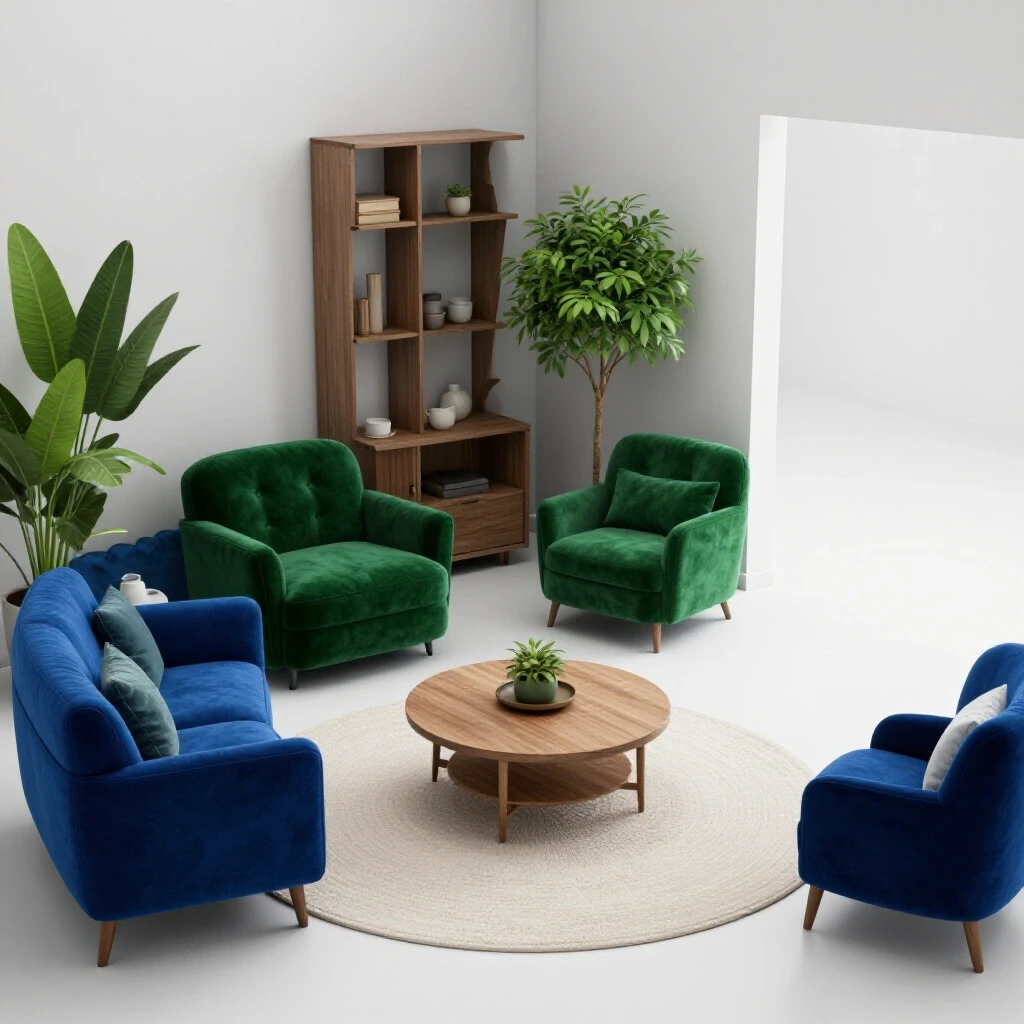
- Large Shared Rooms (250+ sq ft): Use furniture “clusters” to define zones. A sofa and rug cluster for lounging, and a desk and shelf cluster for work.
Establishing Daily Routines and Household Systems
A new home adjustment guide isn’t complete without addressing the social friction of shared spaces. When your work life and family life happen in the same 200 square feet, boundaries can blur.
I found that creating a “closing ceremony” for my workspace was vital. At 5:00 PM, I clear the surface of my desk, put my laptop in a drawer, and turn off the desk lamp. This physical act signals to my family—and myself—that the room is now a shared living space again.
Building a “Landing Strip”
In every move, I prioritize a “landing strip” near the entrance. This is a small area with hooks for keys, a basket for mail, and a spot for shoes. By containing the “outside world” clutter at the door, the rest of the shared living area remains organized. This reduces the visual noise that can make working in a shared space so difficult.
Integrating Into Your New Neighborhood
Relocating is about more than just square footage; it is about finding your place in a new community. High stress often comes from feeling isolated. Once your spatial layout is functional, turn your attention outward.
- The 10-House Rule: Introduce yourself to the five neighbors on either side of your home within the first two weeks.
- Walk the Perimeter: Take a different walking route every day for a month. This helps you map out local coffee shops, parks, and grocery stores.
- Shared Space Socializing: If you live in an apartment, spend time in the common areas. Working from a communal lounge once a week can help you meet other residents who are also navigating the same transitions.
Practical Tools for Layout Planning
To help you visualize your new environment, I recommend using digital space-planners. These tools allow you to “move” furniture without the physical strain.
- Floorplanner: A user-friendly tool for creating 2D and 3D floor plans. It is excellent for testing whether a desk will fit in a specific corner.
- Magicplan: This app uses your phone’s camera to measure rooms and create a floor plan instantly. It is perfect for a quick spatial audit during a house tour.
- HomeByMe: A more detailed tool that helps with interior design and furniture placement, allowing you to see how visual weight impacts the room.
- Trello or Notion: Use these for your home moving checklist and to track box inventories.
Key Metrics for a Successful Transition
- Move-in Buffer: Allow 3–5 days of “empty house time” for cleaning and measuring before the moving truck arrives.
- Unpacking Goal: Aim to have 80% of boxes unpacked within 14 days to prevent “moving fatigue.”
- Spatial Margin: Always maintain at least 30 inches of clearance around major exits and high-traffic doors.
- Weight Tolerance: Ensure your moving boxes do not exceed 30–40 pounds each to prevent injury and box failure.
Transitioning into a new home is a marathon, not a sprint. By focusing on spatial layout adaptation and using visual zoning, you can create a functional work environment even in the smallest shared spaces. Remember that your home is an evolving system. What works in the first month might need adjustment by the sixth. Stay flexible, keep measuring, and prioritize the flow of your daily life.
Frequently Asked Questions
How do I stop my workspace from taking over the living room? Use visual boundaries like rugs and lighting. A dedicated rug under your desk creates a “zone” that separates work from leisure. Additionally, use a “closing ceremony” where you put away work items at the end of the day to reclaim the room for family time.
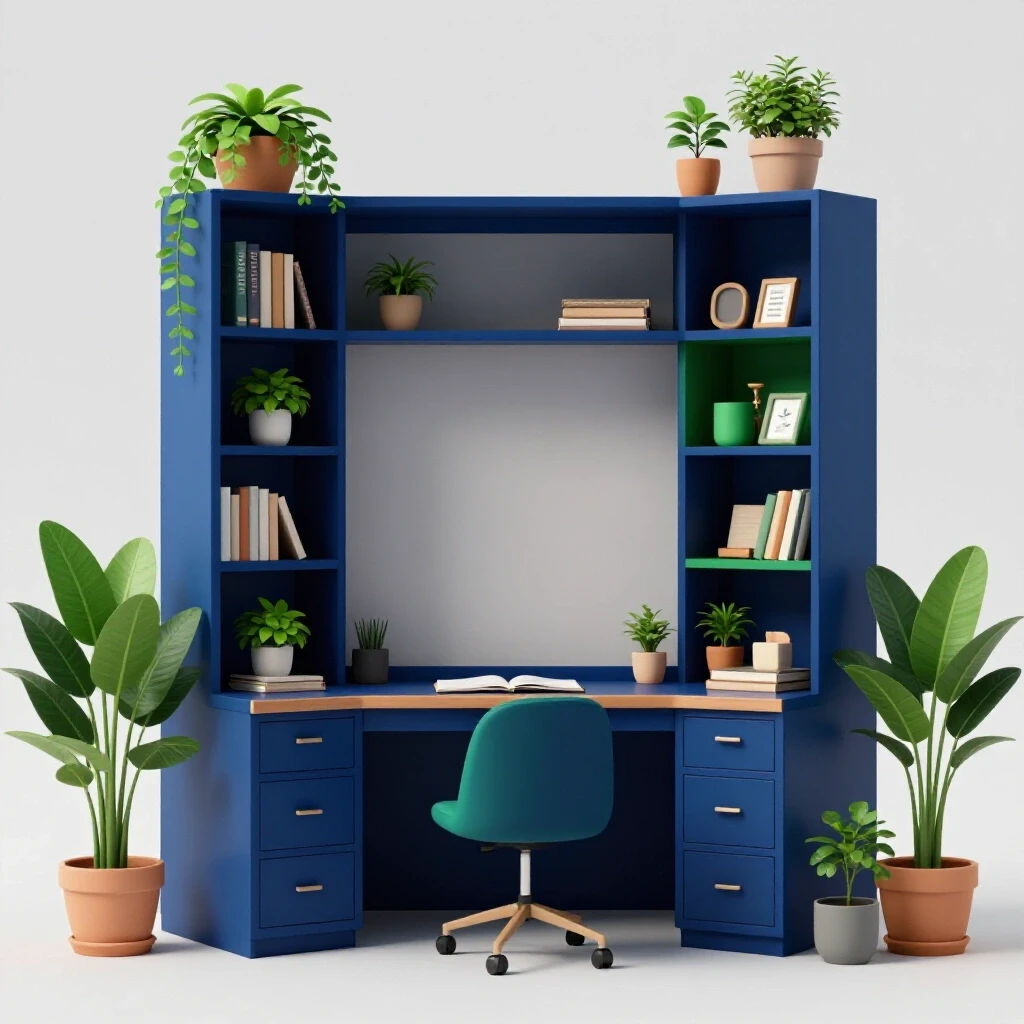
What is the best way to handle an awkward corner in a new floor plan? Measure the corner and look for “vertical opportunities.” If a standard desk won’t fit, a small corner unit or a wall-mounted fold-down desk can utilize the space without blocking circulation paths. Always ensure you have 24-30 inches of clearance for your chair.
How can I make my old, large furniture fit into a smaller apartment? Focus on “visual weight.” If a piece is too bulky, try to place it against a wall of the same color to help it blend in. If it blocks a 30-36 inch walking path, it may be time to sell or donate it in favor of a piece that supports the room’s flow.
How do I deal with the noise of a shared space while working? While this guide focuses on layout, the physical placement of your desk matters. Position your desk facing away from the main “action” areas like the TV or kitchen. Use modular shelving as a sound-dampening barrier by filling it with books or fabric bins.
What should be on my first-week home moving checklist? Prioritize measuring your circulation paths, setting up the “landing strip” for daily essentials, and identifying the “dead zones” for your work area. Don’t worry about decorating yet; focus on how you move through the space.
How long does it realistically take to feel “at home” after a move? Most people need about 30 days to settle into a spatial routine and 3–6 months to feel a sense of neighborhood community. Using the first month to iterate on your furniture layout helps speed up the physical adjustment.
Can I use a dining table as a desk in a shared space? Yes, but it requires a “transition system.” Use a portable bin or caddy for your work supplies so you can quickly clear the table for meals. This prevents work clutter from bleeding into family time.
How do I manage cords in a shared room workspace? Cable management is crucial for safety and aesthetics. Use cord clips or a “cable box” to hide power strips. Run cords along the baseboards or under rugs (using cord covers) to keep circulation paths clear and prevent tripping hazards.
What are the standard clearance margins I should follow? Keep main walkways at 30–36 inches. Maintain 18 inches between coffee tables and sofas. Ensure you have 24–30 inches of space behind any desk chair to allow for easy movement.
How do I introduce myself to neighbors without feeling awkward? Try the “10-house rule.” A simple “Hi, I’m [Name], we just moved in” while you are out for a walk is usually enough. Focus on the first two weeks when your presence is new and people are naturally curious.
(This article was written by one of our staff writers, Kevin Thompson. Visit our Meet the Team page to learn more about the author and their expertise.)