How to Find Calm After Moving to a New Home (Practical Guide)

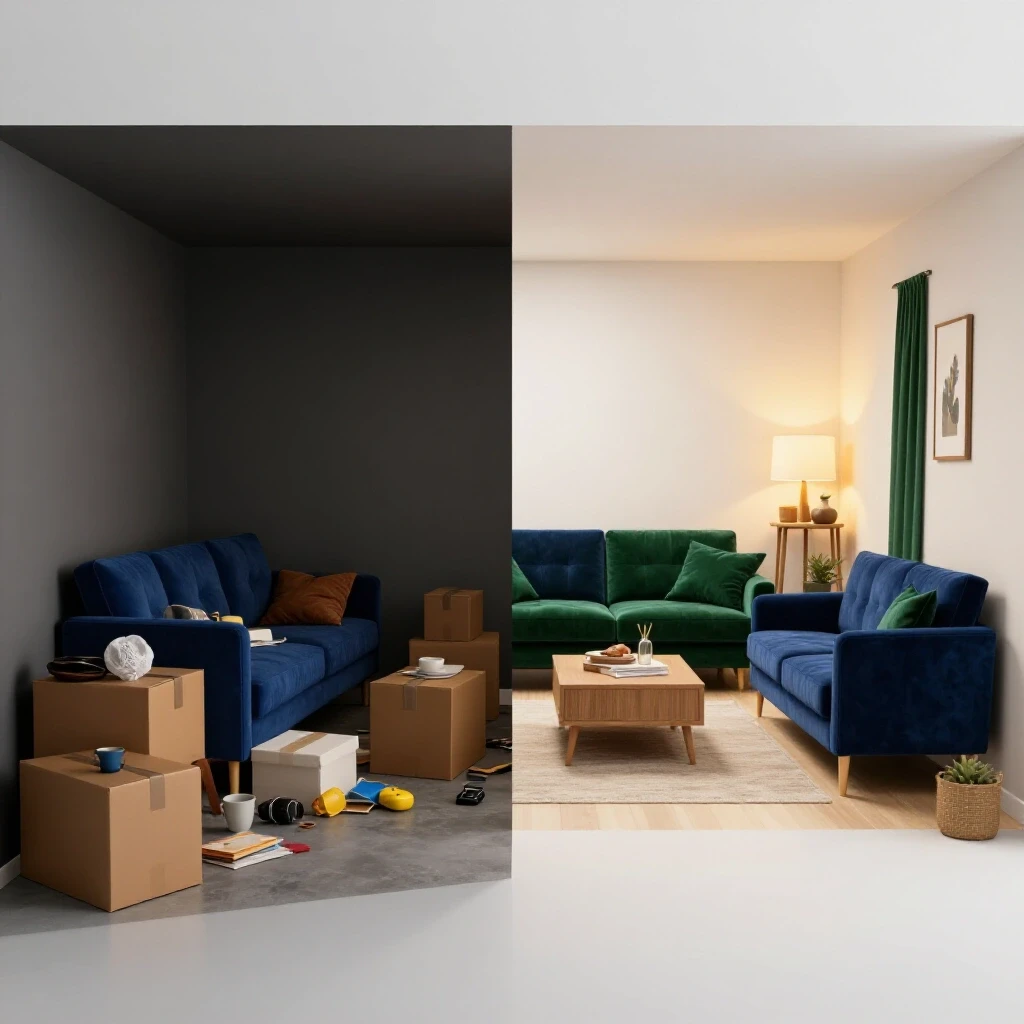
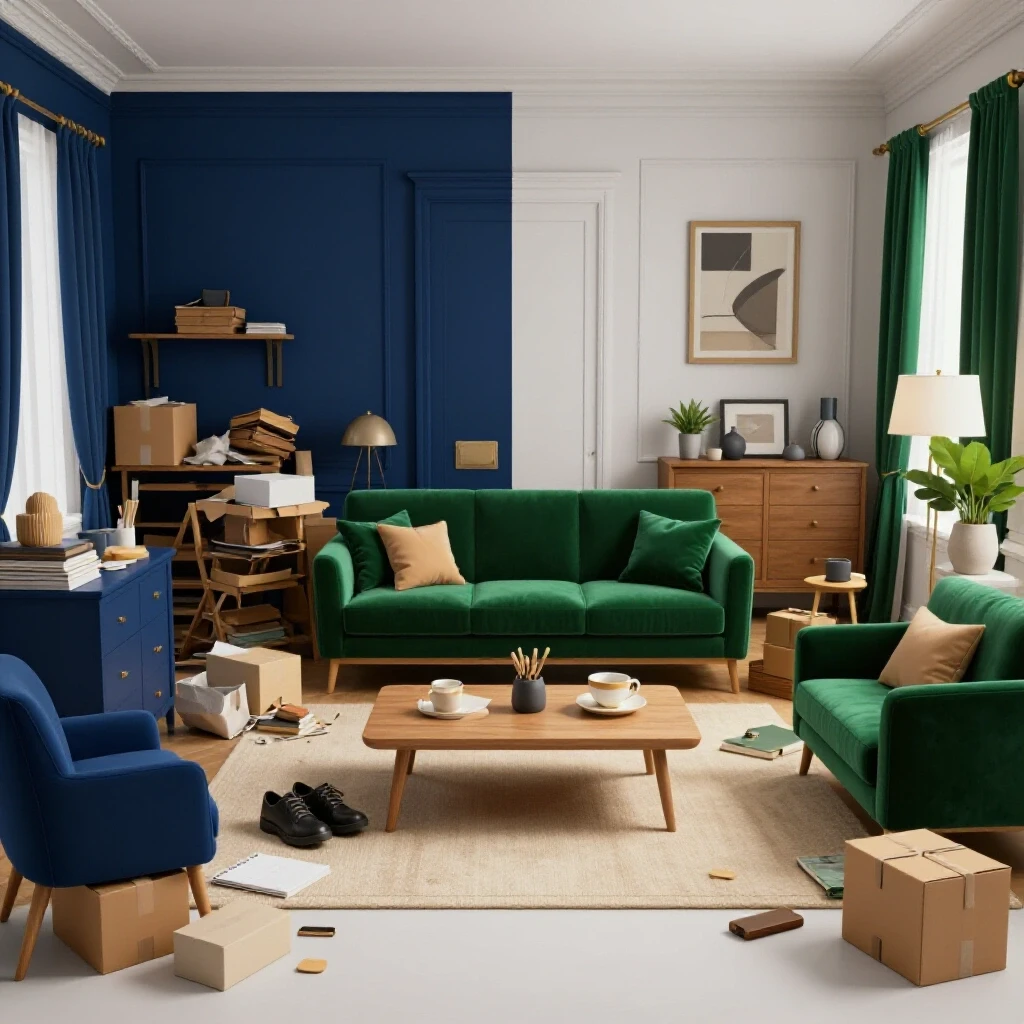
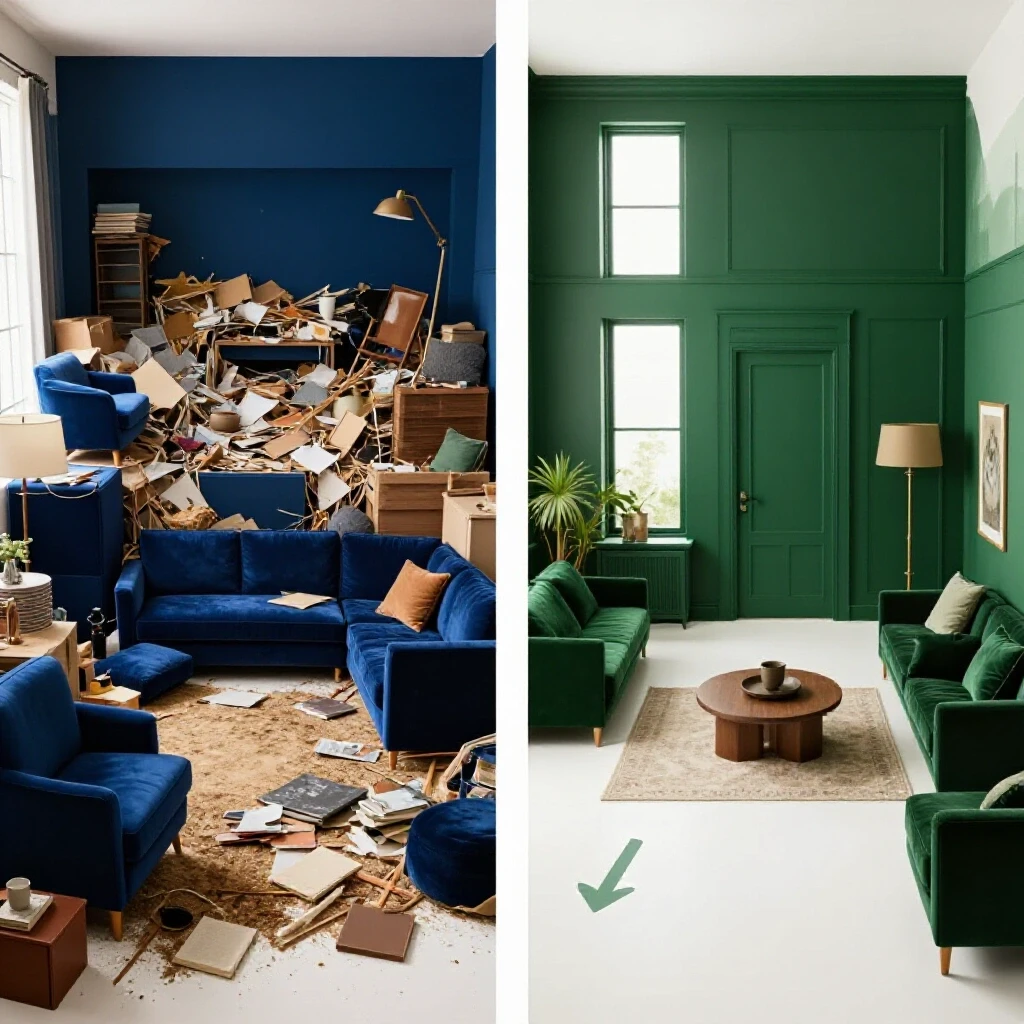
Standing in the center of a new living room surrounded by towers of cardboard is a feeling I know well. Over the last 19 years, I have moved my family between four different homes, ranging from cramped city apartments to sprawling suburban layouts. Each time, the primary challenge wasn’t just getting the boxes through the door, but figuring out how to make our old life fit into a brand-new shell. I remember one specific move where our oversized sectional sofa blocked the only path to the kitchen, forcing us to hop over the cushions for three days. It was a stressful lesson in spatial awareness that taught me why the first few weeks in a new home require a mix of logic, measurement, and a little bit of creative styling.
Decoding the New Floor Plan Through Spatial Auditing
Spatial auditing is the process of measuring your new environment to understand how physical objects interact with the room’s permanent features. It involves identifying “dead zones,” natural light sources, and traffic paths before you commit to a permanent furniture arrangement. This step ensures your daily movement remains fluid and unblocked.
Why Analyzing Structural Scale Prevents Layout Friction
Structural scale refers to the relationship between the size of your furniture and the height, width, and depth of your new rooms. When you understand the scale of a room, you can avoid the common mistake of overcrowding a small space or leaving a large room feeling cold and empty.
In my third move, I transitioned from a house with ten-foot ceilings to a cottage with low, slanted walls. My tall bookshelves, which looked great in the old place, suddenly felt like they were swallowing the room. By auditing the scale early, I realized I needed to horizontalize my storage. Instead of tall towers, I used long, low consoles. This kept the sightlines open and made the room feel wider.
Mapping Circulation Paths for Daily Ease
Circulation paths are the invisible “roads” people walk through a home to get from one point to another, such as the route from the bedroom to the bathroom. Keeping these paths clear of furniture is the most effective way to reduce the feeling of clutter and physical frustration in a new layout.
- Main Walkways: These should be at least 36 inches wide to allow two people to pass or for someone to carry a laundry basket comfortably.
- Secondary Paths: Areas between a coffee table and a TV stand can be narrower, usually around 18 to 24 inches.
- Door Swings: Always measure the arc of a door to ensure it doesn’t hit the corner of a rug or a side table.
| Room Type | Recommended Clearance Margin | Common Obstruction |
|---|---|---|
| Dining Room | 36 inches behind chairs | Sideboards or hutches |
| Bedroom | 30 inches around the bed | Nightstands or wardrobes |
| Living Room | 18 inches from sofa to table | Large ottomans |
| Hallway | 36 inches total width | Floor plants or coat racks |
Adapting Existing Furniture to Awkward Floor Plans
Spatial layout adaptation is the art of rearranging your current belongings to suit a floor plan that may have strange angles, narrow corners, or misplaced windows. It requires looking at your furniture not just as fixed items, but as modular tools that can serve different purposes in a new environment.
Strategies for Small Room Furniture Layout
A small room furniture layout focuses on maximizing floor space by using pieces that serve multiple roles or have a light visual weight. This approach prevents a room from feeling “stuffed” and helps maintain a sense of order even when square footage is limited.
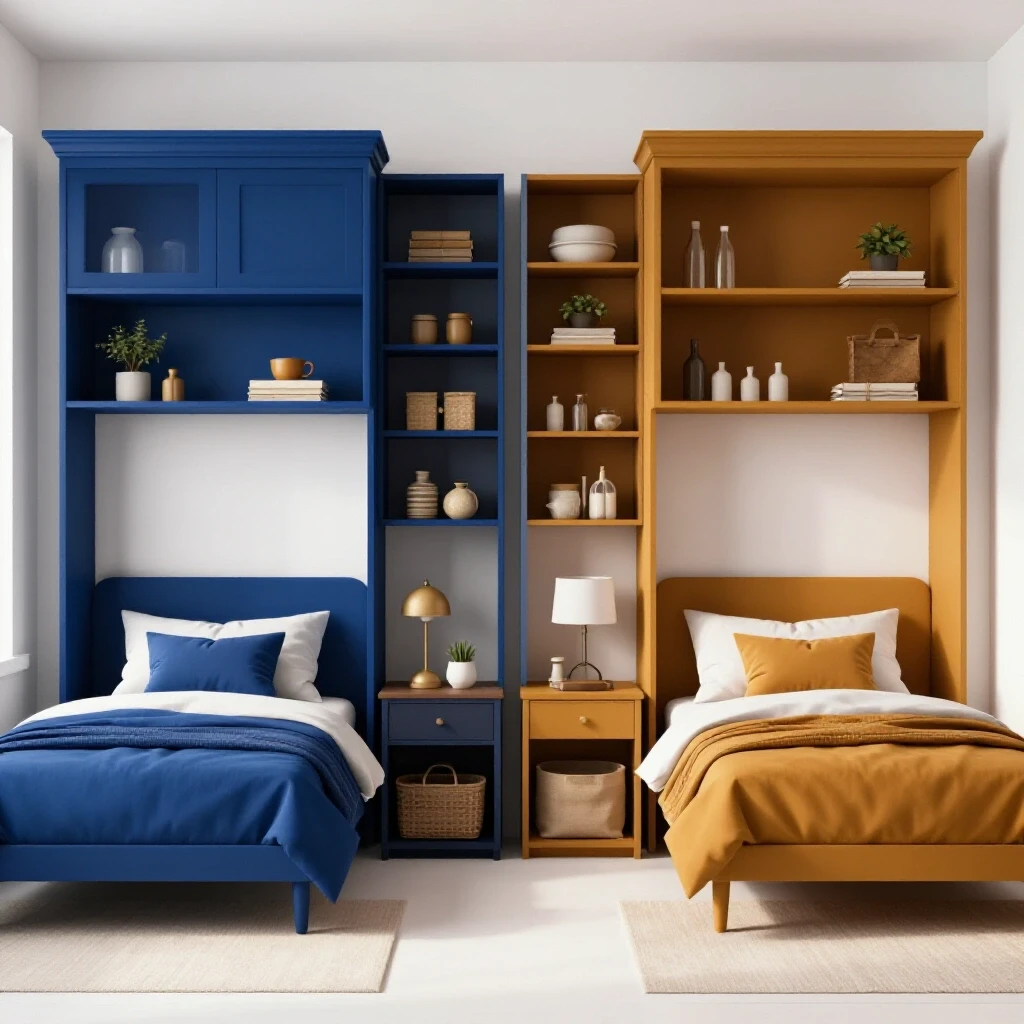
When we moved into our second apartment, the “master” bedroom was barely large enough for a queen bed. To make it work, I removed the bulky headboard and used a flat wall hanging instead. This saved us four inches of floor space, which was exactly what we needed to open the closet door fully. Using furniture with exposed legs also helped; seeing the floor underneath the dresser made the tiny room feel less cramped.
Balancing Visual Weight in Large Open Areas
Visual weight is how “heavy” an object looks based on its color, texture, and size. In a large, open-concept home, light-colored or glass furniture can disappear, making the space feel unfinished. To settle in comfortably, you must balance these areas with “anchors” like rugs or darker wood pieces.
- Use Rugs to Zone: A large area rug can act as a “boundary” for a seating area in a room without walls.
- Group by Function: Place the sofa, coffee table, and armchairs together to create a “room within a room.”
- Vertical Elements: Use tall floor lamps or indoor trees to fill the vertical void in homes with high ceilings.
Establishing Functional Zoning and Daily Systems
Functional zoning is the practice of dividing a room into specific areas based on the activities that happen there, such as a “coffee station” or a “command center.” By creating these zones early, you establish a sense of order that helps the whole family navigate the new home without confusion.
Creating a Home Transition Planning Timeline
A home transition planning timeline is a schedule that dictates which parts of the house are set up first to ensure the most important daily needs are met. This prevents the “box fatigue” that happens when you are still searching for a toaster three weeks after moving in.
In my experience, the first 72 hours are the most critical. I focus on the “Survival Zone” first. This isn’t just about unpacking; it’s about styling the space so it feels functional. We set up the beds with fresh linens and get the coffee maker on the counter. Once the “High-Traffic” zones are styled, the rest of the house feels less like a construction zone and more like a home.
First-Month Spatial Adjustment Timeline
- Days 1–3: Set up sleep and hygiene zones. Clear all walkways of boxes.
- Days 4–10: Arrange the primary seating area. Set up a “landing strip” for keys and mail near the entrance.
- Days 11–20: Focus on secondary rooms like home offices or guest spaces. Adjust furniture if paths feel tight.
- Days 21–30: Add personalization. Hang art, place rugs, and install permanent lighting fixtures.
The “Landing Strip” Methodology for Entryways
The entryway is the most important zone for maintaining a sense of order. A “landing strip” is a designated spot near the front door for items that usually cause clutter, such as keys, bags, shoes, and mail.
- Wall Hooks: Mount these at different heights so kids can hang their own bags.
- Small Tray: A dedicated dish for keys prevents the “where are my keys?” panic.
- Bench or Stool: Having a place to sit while putting on shoes keeps the floor clear of stray footwear.
Softening the Environment with Textiles and Lighting
A new home adjustment guide must include the “soft” elements of a room, which are often overlooked during the heavy lifting. Textiles like curtains and rugs, along with layered lighting, help dampen the echo of an empty house and create a warmer, more inviting atmosphere.
Using Textiles to Dampen Sound and Add Warmth
New homes often feel cold because of hard surfaces like wood floors and bare windows. Textiles act as acoustic buffers, soaking up the “hollow” sound that makes a new space feel temporary.
- Curtains: Hanging drapes at least 6 inches above the window frame makes the ceiling look taller.
- Layered Rugs: Placing a small, patterned rug over a larger, neutral one adds depth and comfort.
- Throw Blankets: Draping a soft knit over a leather sofa makes the furniture look more integrated into the room.
The Three-Layer Lighting Rule
Relying only on the “big light” (the overhead fixture) can make a room feel like a surgical suite. To create a settled environment, you need to layer your lighting. This involves using different types of lamps at different heights to create a soft glow.
- Ambient Lighting: The main overhead light for general visibility.
- Task Lighting: Desk lamps or under-cabinet lights for specific jobs like reading or cooking.
- Accent Lighting: Floor lamps or small table lamps in corners to add warmth and eliminate shadows.
| Light Type | Placement Goal | Recommended Bulb Type |
|---|---|---|
| Floor Lamp | Dark corners | Warm White (2700K) |
| Table Lamp | Next to seating | Soft White (3000K) |
| Sconce | Near artwork or beds | Dimmable LED |
| Task Light | Under kitchen cabinets | Bright White (4000K) |
Personalizing the Space with DIY and Styling
Personalization techniques are small, low-cost projects that help you claim a new space as your own. This might include changing cabinet hardware, painting a single accent wall, or creating a gallery wall of family photos. These projects bridge the gap between “the house we bought” and “the home we live in.”
Why Small Projects Speed Up the Settling Process
When you perform a DIY task in a new home, you are interacting with the structure in a way that builds a sense of ownership. It doesn’t have to be a major renovation. In our last move, I spent the first Saturday replacing the generic plastic switch plates with matte black ones. It cost $40 and took an hour, but every time I turned on a light, the room felt more like “mine.”
Designing a Gallery Wall for Visual Continuity
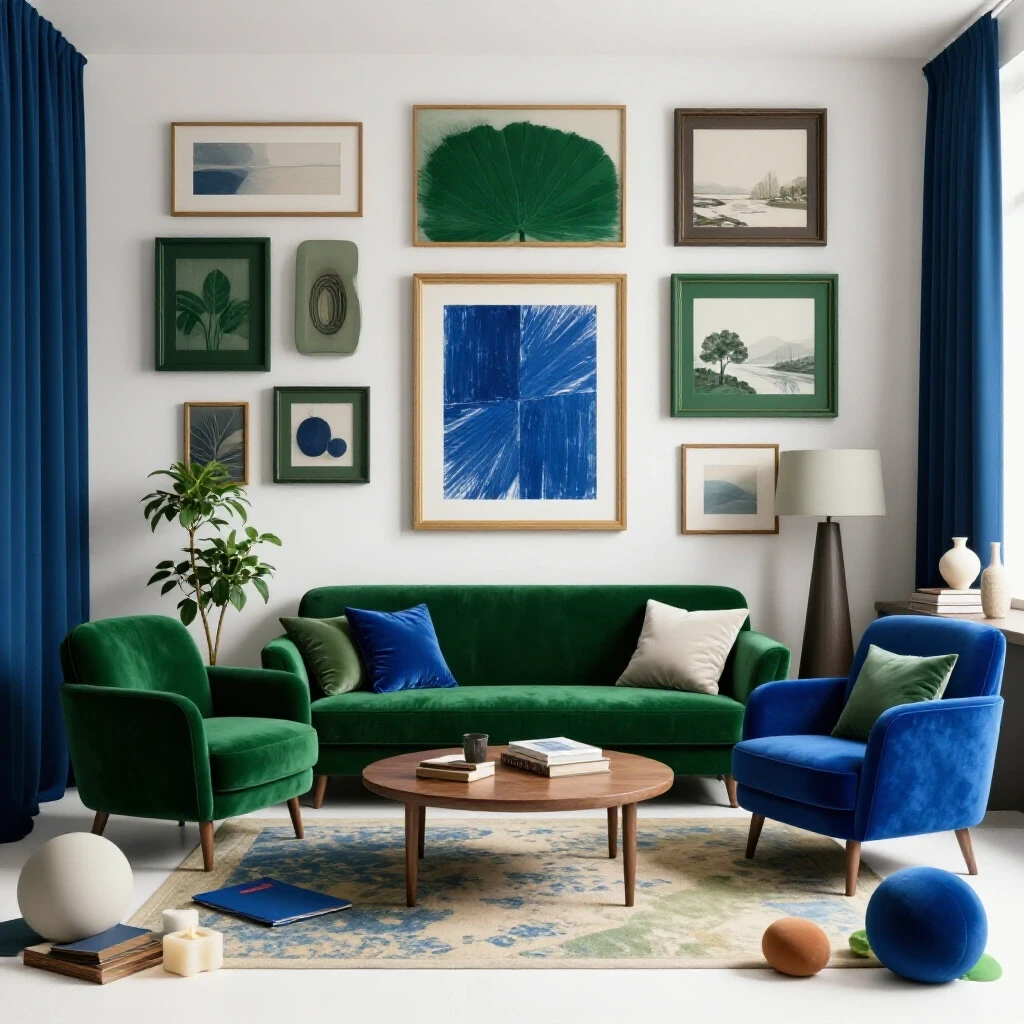
A gallery wall is an excellent way to fill a large, awkward wall while bringing familiar memories into the new space. To do this effectively, lay your frames out on the floor first to find the best arrangement.
- Spacing: Keep about 2 to 3 inches between each frame.
- Eye Level: The center of the gallery should be roughly 57 to 60 inches from the floor.
- Themes: Use matching frame colors to make a collection of different photos look cohesive.
Building Social Routines in a New Locale
Neighborhood community building is the final step in the transition process. It involves moving your daily routines outside the walls of your home and into the local area. This helps reduce the feeling of isolation that often follows a move to an unfamiliar neighborhood.
Mapping Your Local “Third Places”
A “third place” is a location that is not your home (first place) or your work (second place), where you can interact with the community. Identifying these early helps you feel like a local faster.
- The Morning Stop: Find a local coffee shop and visit at the same time a few days a week.
- The Green Space: Locate the nearest park for afternoon walks or for the kids to play.
- The Essential Hub: Identify your go-to grocery store, pharmacy, and library.
Establishing a “New Home” Open House Tradition
One of the best ways to integrate is to invite people in. You don’t need a perfectly decorated house to host a “pizza and boxes” night. Inviting a neighbor over for a drink or a quick tour breaks the ice and helps you feel more connected to the street you live on.
Essential Tools for Space Mapping and Layout Planning
To make these transitions easier, I rely on a few digital and physical tools. These help take the guesswork out of whether a dresser will fit or where a rug should go.
- MagicPlan (App): Uses your phone camera to create an instant floor plan with measurements.
- RoomPlanner (App): Allows you to drop 3D models of furniture into a virtual version of your room.
- Graph Paper and Cutouts: The old-school way. Draw your room to scale (1 square = 1 foot) and move paper furniture shapes around.
- Laser Measure: Much faster and more accurate than a metal tape measure for long distances.
- Blue Painter’s Tape: Use this to “draw” the footprint of furniture on the floor of your new home to see how it affects traffic flow.
Conclusion and Next Steps
Adapting to a new home is a marathon, not a sprint. The “hollow” feeling of a new space usually fades as you fill it with your own rhythms, textures, and layouts. Start by auditing your space and clearing your walkways. Once the physical flow is established, focus on the “soft” layers like lighting and textiles. Finally, reach out to your new community to anchor yourself in the neighborhood.
Your First Week Checklist: – Measure all major walkways to ensure a 36-inch clearance. – Identify one “awkward corner” and plan a specific use for it (reading nook, plant stand). – Set up at least two light sources in the main living area besides the overhead light. – Visit one local “third place” (coffee shop or park) to begin neighborhood integration.
Frequently Asked Questions
How do I make my old furniture fit into a room with an awkward shape?
The best way to handle awkward rooms is to use the “painter’s tape” method. Tape out the dimensions of your furniture on the floor to see if it blocks windows or heaters. If a piece is too large, consider “re-homing” it to a different room or using it as a room divider to create a more square living area within the odd shape.
What is the most important room to set up first after moving?
I always recommend the bedroom. Being able to sleep in a clean, organized space with your own bedding significantly reduces stress. Once you have a “sanctuary” to retreat to, you will have more energy to tackle the more complex layout challenges in the kitchen and living room.
How can I stop my new house from echoing?
Echoes are caused by sound bouncing off hard, flat surfaces. To fix this, add “soft” materials. Large area rugs, fabric curtains, and even canvas wall art will absorb sound waves. Filling bookshelves with books also acts as a natural sound diffuser.
What should I do if my living room feels too big and cold?
Use “zoning” to break the space down. Instead of pushing all the furniture against the walls, pull the sofa into the center of the room. Use a large rug to define the seating area and add a console table behind the sofa to create a visual “wall” that makes the space feel more intimate.
How long does it usually take to feel “settled” in a new layout?
Research into housing adaptation suggests it takes about three to six months to fully adjust to a new environment. During the first month, expect to move furniture around several times as you discover how you actually use the space. Don’t feel pressured to have it “perfect” in the first week.
How do I choose the right rug size for a new room?
A common mistake is buying a rug that is too small. In a living room, at least the front legs of all seating furniture should rest on the rug. In a dining room, the rug should be large enough that the chairs stay on the rug even when they are pulled out for someone to sit down (usually 24-30 inches beyond the table edge).
What is the best way to meet neighbors without feeling awkward?
Start small. Spend time in your front yard or on your porch rather than the backyard. A simple wave or a “hello” when you see someone getting their mail is often enough. You can also join local social media groups to see neighborhood events or ask for local recommendations.
How do I handle a kitchen with very little counter space?
Look for “vertical” solutions. Use a magnetic strip for knives, hang pots from a ceiling rack, or add a rolling kitchen island that can be tucked away when not in use. Creating a separate “coffee station” on a sideboard in the dining area can also free up valuable prep space on the main counters.
(This article was written by one of our staff writers, Kevin Thompson. Visit our Meet the Team page to learn more about the author and their expertise.)