How to Organize Garage Donation Piles for Easy Decluttering (Guide)

I once told my family that the corner of our garage was a “temporary staging area” for items we no longer needed. Three years later, those boxes had gained enough seniority to vote in local elections. It turns out that without a logistical plan, a “temporary” spot for household overflow quickly becomes a permanent graveyard for things we intended to give away.
In my 11 years managing operations and logistics, I have learned that home organization systems fail not because we are lazy, but because our systems have too much friction. When we move items from the living room to the garage, we often think the job is done. In reality, we have just moved the bottleneck. My own home used to suffer from this “stalled outflow” problem until I applied industrial sorting principles to our daily lives.
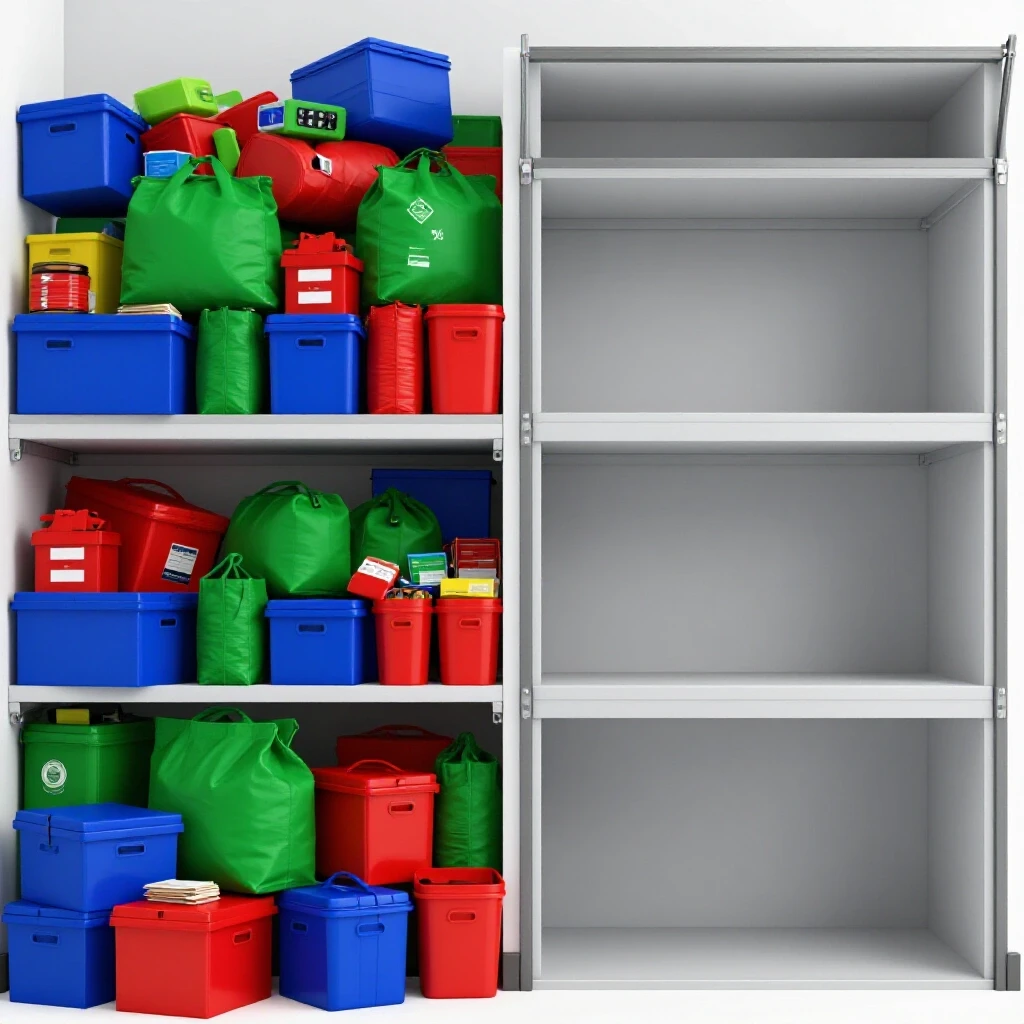
This guide explores how to transform that stagnant transit zone into a high-flow system. We will look at why these areas fail and how to build a functional home storage plan that your family can actually follow.
Why the Garage Becomes a Bottleneck for Household Items
The garage often serves as a temporary holding area for items leaving the home, but without a clear system, these items become permanent fixtures. Understanding the logistical flow of your household helps identify where the “outflow” of goods stops, causing a backup that creates visual and mental stress for the entire family.
Logistically, your home is a system of “inflow” and “outflow.” When you buy new clothes or toys, that is inflow. When items are outgrown or replaced, they must exit via the outflow. Most families are great at inflow but struggle with the exit strategy. When an item is marked for removal but stays in the garage, it creates a “logistics tail”—a lingering task that drains your mental energy every time you walk past it.
Research in environmental psychology suggests that visual clutter acts as a constant “to-do” list for the brain. Even if you are not actively looking at the boxes in your garage, your subconscious recognizes them as unfinished business. This leads to decision fatigue. By the time you get home from a long workday, the last thing you want to do is sort through a mountain of old linens or plastic toys.
To fix this, we have to look at the “flow rate” of your home. If you bring in ten items a month but only successfully remove five, your garage will eventually reach a 100% capacity limit. Once a space hits that limit, the system breaks, and items start spilling into your living areas.
The Psychological Impact of Stagnant Overflow Zones
Stagnant zones where items wait for removal create a specific type of mental fatigue known as cognitive load. When a space intended for utility is instead filled with unsorted belongings, it signals a lack of control over the environment, which can increase stress levels for busy parents and professionals.
When my family first started our decluttering journey, I noticed that my frustration levels spiked every time I tried to find a seasonal decoration in the garage. I wasn’t just annoyed by the mess; I was suffering from “visual processing overload.” My brain had to filter out dozens of irrelevant items just to find the one thing I needed.
Studies in organizational behavior show that “friction” is the primary reason people stop maintaining a system. If it takes more than three steps to put an item away or move it to a sorting bin, the system will fail. We need to reduce the steps required to move an item from “living room floor” to “out of the house.”
- Retrieval Friction: The number of physical actions required to get an item.
- Sorting Friction: The mental effort required to decide where an item goes.
- Exit Friction: The logistical hurdles that prevent an item from leaving the property.
Developing a High-Efficiency Sorting Framework
A high-speed sorting framework uses industrial logic to categorize items quickly, reducing the time spent making difficult decisions. By setting specific time-box intervals and using clear categories, families can process household overflow at a rate of 20 to 30 items per 15-minute session, preventing the buildup of unsorted piles.
In my professional work, we use “sorting logs” to track how long it takes to process inventory. You can do the same at home. Instead of a weekend-long marathon that leaves everyone exhausted, use 15-minute sorting blocks. Set a timer and focus only on one small section of the garage staging area.
The Three-Zone Sorting Method
To make sustainable decluttering work, you need three distinct zones in your garage. These zones act as a filter for everything leaving your home.
- The Immediate Exit Zone: Items that are ready to go today. These should be near the garage door.
- The Decision Zone: Items that need a quick check (e.g., checking if a toy still works) before they move to the exit.
- The Seasonal Buffer: Items that are staying but need to be moved out of high-traffic areas.
Decluttering Sorting Log Example
| Session Date | Items Processed | Time Spent | Destination |
|---|---|---|---|
| Oct 12 | 25 | 15 min | Sorting Bin A |
| Oct 14 | 40 | 20 min | Vehicle for Drop-off |
| Oct 15 | 15 | 10 min | Seasonal Storage |
Reducing Retrieval Friction with Low-Maintenance Storage Gear
Low-maintenance storage gear focuses on accessibility and visibility rather than just hiding items away in opaque containers. By choosing the right bins and shelving units, you can reduce the physical steps required to manage household clutter, making it easier for children and busy adults to maintain the system.
I have seen many families buy expensive, matching bins only to find their garage cluttered again in a month. The problem? The bins had heavy lids that required two hands to open. In logistics, we call this “high-friction packaging.” If you have to unstack three boxes to put one item away, you won’t do it.
Storage Friction Index by Bin Type
| Container Type | Steps to Store | Steps to Retrieve | Maintenance Level |
|---|---|---|---|
| Open Front Bin | 1 | 1 | Very Low |
| Clear Bin (No Lid) | 1 | 1 | Low |
| Lidded Tote (Stacked) | 4 | 4 | High |
| Cardboard Box (Taped) | 6+ | 6+ | Very High |
When selecting storage solutions for families, aim for 70% open storage for items in frequent transition. Reserve lidded bins only for long-term, deep storage like holiday lights or old tax records. For items waiting to be donated, use large, open-top bags or bins that can be easily grabbed and put into a car.
Designing a Functional Home Storage Map
A functional home storage map is a visual plan that assigns specific “neighborhoods” to different categories of items based on their frequency of use. This spatial management technique ensures that high-use items are easily accessible while overflow items are moved to designated “transit zones” that do not interfere with daily life.
To prevent your garage from becoming a dumping ground, you must define the spatial capacity of your staging area. If you designate a 4-foot by 4-foot square for items leaving the house, you have a physical limit. Once that square is full, no new items can enter the garage until the current pile is removed.
How to Zone Your Garage for Success
- Active Transit (Zone 1): Located within 5 feet of the car. This is for items leaving the house this week.
- Utility Storage (Zone 2): Items used monthly (e.g., bulk paper towels).
- Deep Storage (Zone 3): High shelves or back corners for items used once a year.
- The “No-Fly” Zone: A clear path from the house door to the car. Nothing is ever allowed to sit here.
By using a Zone 1 priority, you ensure that the most “stress-inducing” items—the ones meant for donation—are the easiest to move out. This reduces the “sorting time” and keeps the flow of goods moving.
Aligning Household Behavior with Sustainable Systems
Aligning household behavior involves creating simple habit loops that every family member can follow, regardless of age. By reducing the “cognitive load” of cleaning up, you make it more likely that children and busy professionals will stick to the organization system long-term.
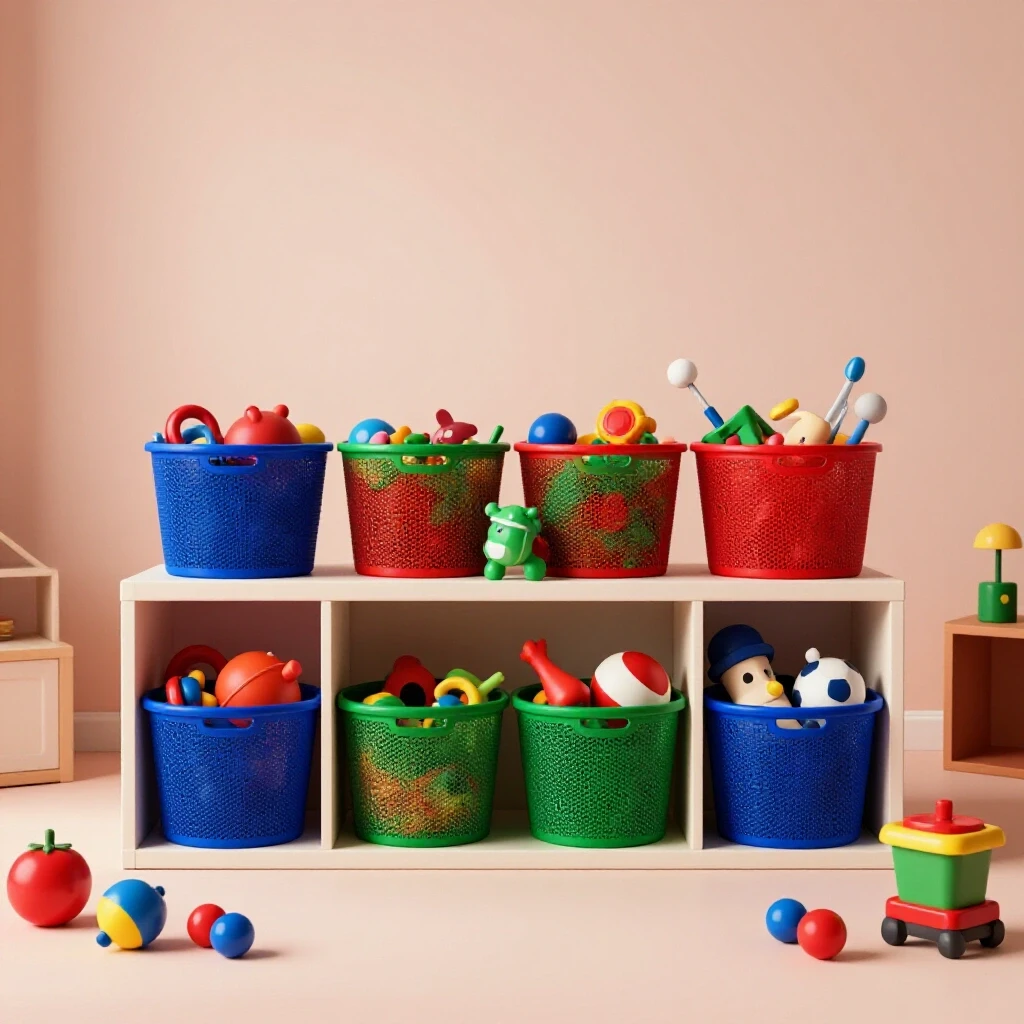
One of the biggest mistakes I made early on was trying to force my kids to use a complex labeling system. It failed immediately. Now, we use visual cues. Instead of a label that says “Outgrown Clothes,” we use a blue bin. Everyone in the house knows that if something goes in the blue bin, it is leaving the house.
Building the 2-Minute Habit Loop
- Trigger: You find an item that is no longer needed.
- Action: Walk it directly to the Zone 1 bin in the garage.
- Reward: The living space stays clear, and the garage “outflow” is ready for the next trip.
In our home, we follow the 80% Rule. We never fill a storage shelf or bin more than 80% full. This leaves “spatial wiggle room” so that putting something away doesn’t require a game of Tetris. When the donation bin hits that 80% mark, it is the immediate signal that a drop-off trip is required.
Maintaining Order Over the Long Term
Maintaining order requires a shift from “big clean” events to “micro-maintenance” routines that manage the flow of items daily. By monitoring the density of items in your transit zones and scheduling regular exit trips, you can prevent the garage from reverting to a state of disorganization.
To keep the system running, I recommend a monthly “Flow Audit.” Take 10 minutes on the last Saturday of the month to look at your garage zones. Is Zone 1 overflowing? Is there something in the Decision Zone that has been there for more than 30 days?
- Item-Density Guideline: No more than 5 unsorted boxes at any time.
- Exit Frequency: At least one trip to a donation center every 14 days.
- Sorting Speed: Aim for 5 minutes of “sorting maintenance” per day.
Modern technology can also help. We use smart-label tracking for our deep storage bins. A quick scan of a QR code on the side of a bin tells us exactly what is inside without us having to open it. This reduces retrieval friction and prevents us from buying duplicates of things we already own.
Conclusion: Reclaiming Your Space and Mental Clarity
Managing the “outflow” of your home is not about achieving a perfect aesthetic. It is about logistics. By treating your garage as a functional transit hub rather than a storage graveyard, you can significantly reduce the daily stress of household clutter.
Start small. Designate your Zone 1 today. Find a single open-top bin and place it near your garage door. Commit to the 80% rule and watch how much easier it becomes to keep your home tidy. When you reduce the friction of leaving, you create the space for living.
Frequently Asked Questions
Why does my garage always get cluttered again so quickly?
Clutter reversion usually happens because the “exit friction” is too high. If you don’t have a designated spot for items leaving the house, they end up in random piles. Without a scheduled time to move those items off the property, the “inflow” of new goods quickly overwhelms the space.
What is the best way to sort items when I have very little time?
Use “time-boxing.” Instead of trying to sort the whole garage, set a timer for 15 minutes. Focus only on one category, such as “outgrown toys.” Use a high-speed sorting method where you only decide if an item is “Stay,” “Go,” or “Fix.”
How do I get my kids to help with the garage organization?
Simplify the system. Use color-coded, open-top bins rather than complex labels or heavy lids. If a child can toss an item into a “Donation Bin” in one step, they are much more likely to do it than if they have to ask for help opening a container.
What should I do with items that I’m not sure about giving away?
Create a “Decision Zone” with a “30-Day Rule.” Put the items in a box and date it. If you haven’t reached for anything in that box within 30 days, it moves to the “Exit Zone.” This removes the immediate pressure of making a final decision.
How do I handle large items that don’t fit in bins?
Designate a specific “Oversize Area” in your Zone 1. Use floor tape to mark the boundaries. If an item doesn’t fit within those lines, it must be moved out of the house immediately rather than waiting for the next scheduled trip.
Are clear bins better than opaque ones for garage storage?
For items you need to find quickly, clear bins are superior because they reduce “visual search time.” However, for items waiting to be donated, opaque bags or bins can actually reduce visual stress by hiding the “mess” until it is ready to leave.
How often should I take items to a donation center?
A bi-weekly schedule works best for most busy families. This prevents the “Exit Zone” from reaching its spatial capacity. If you wait longer, the pile often becomes so large that it feels like a daunting chore rather than a simple errand.
What is “retrieval friction” and why does it matter?
Retrieval friction is the number of physical steps it takes to get an item out of storage. High friction (like unstacking heavy boxes) leads to “clutter abandonment,” where people leave items out on counters or floors because putting them away is too difficult.
How can I track what is in my long-term storage bins?
Use a digital inventory system or smart labels. By placing a QR code on the bin, you can see a list of contents on your phone. This prevents you from digging through boxes and creating a new mess just to find one item.
What is the 80% rule in home organization?
The 80% rule states that you should never fill any shelf, drawer, or bin more than 80% full. This extra 20% of “white space” allows for easy retrieval and prevents the “Tetris effect,” where you have to move everything just to get to one item.
(This article was written by one of our staff writers, Christopher Bennett. Visit our Meet the Team page to learn more about the author and their expertise.)