Winter Home Readiness Checklist: Essential Steps for Comfort (Guide)

Focusing on pet-friendly choices is often the first step I take when the seasons begin to shift. As someone who has spent nearly two decades managing the physical health of older buildings, I have learned that preparing an interior for the colder months is as much about the materials we choose as the routines we establish. Whether it is selecting a rug that can withstand a muddy paw or ensuring a textile doesn’t trap excessive dander, our seasonal adjustments dictate the longevity of our home’s finishes.
In my 17 years as a facilities technician, I have seen how small, neglected issues in a building’s envelope can lead to significant headaches. I remember a specific 1920s Craftsman where the owner ignored a slight chill in the parlor. By mid-January, the lack of proper floor coverings and furniture placement had led to localized condensation that ruined the original oak flooring. My approach to home care is rooted in building science—the study of how heat, air, and moisture move through a structure. By understanding these flows, we can make strategic choices that protect our legacy properties while increasing our daily comfort.
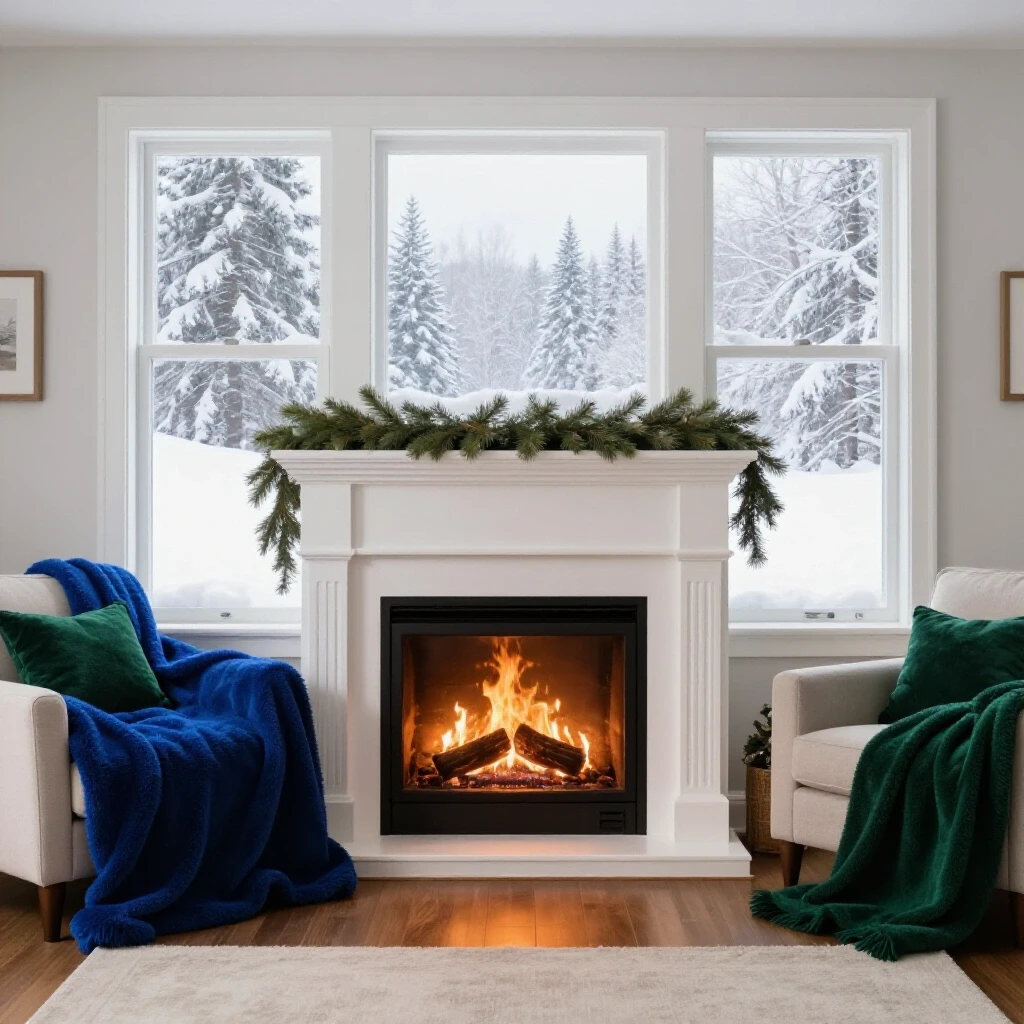
Establishing a Baseline for Interior Environment Stability
This process involves evaluating the current state of your home’s interior climate and visual appeal before the cold sets in. By monitoring baseline conditions, you can identify where the building’s “skin” is failing to keep the environment steady. This allows for targeted adjustments rather than guesswork.
Building science teaches us about the “stack effect,” where warm air rises and escapes through the top of a house, pulling cold air in through the bottom. In older homes, this often manifests as cold floors and drafty corners. To diagnose these areas, I rely on a few specific tools:
- Digital Hygrometer: This measures relative humidity (RH). Ideally, your home should stay between 30% and 50% during winter to prevent wood shrinkage or mold growth.
- Infrared Thermometer: Use this to scan the surface temperature of your floors and walls. A significant delta (difference) between the center of a room and the baseboard indicates a need for better layering.
- Moisture Meter: This tool helps check the moisture content of wooden furniture or flooring. A reading between 6% and 12% is generally considered stable for interior wood.
By tracking these metrics, I can determine exactly where to place heavy textiles or move furniture to break up air currents.
Strategic Textile Layering for Thermal Comfort
Textile layering is the use of various fabric densities and materials to create barriers against cold surfaces and improve heat retention. This is not just about aesthetics; it is about creating a “thermal break” between the cold structural elements of an older home and the living space.
Thermal bridging occurs when a more conductive material (like a cold subfloor) allows heat to bypass your home’s interior warmth. To combat this, I look at the R-value of rugs—a measure of thermal resistance. A thick wool rug with a felt pad can provide a significant barrier.
- Wool Rugs: These are naturally flame-retardant and excellent for insulation. They also handle moisture better than most synthetics.
- Felt Rug Pads: I always recommend a high-quality felt pad over rubber. Felt adds actual insulation and prevents the rug from “breathing” cold air directly from the floorboards.
- Heavy Drapery: In older properties, windows are a major source of radiant heat loss. Hanging thick, lined curtains creates a pocket of still air that acts as an extra layer of protection.
| Symptom | Potential Root Cause | Diagnostic Step | Corrective Action |
|---|---|---|---|
| Cold feet while sitting | Thermal bridging through floor | Measure floor temp with IR thermometer | Add a wool rug with a 1/2 inch felt pad |
| Static shocks when touching metal | Low relative humidity (below 30%) | Check digital hygrometer | Introduce indoor plants or a gentle humidifier |
| Musty smell near rugs | Capillary action (moisture from below) | Use moisture meter on subfloor | Ensure rug pad is breathable; rotate rug |
| Drafts felt near ankles | Convection currents from windows | Use a smoke pen to track air movement | Install floor-length, heavy-weight drapes |
Furniture Reconfiguration and Spatial Optimization
Furniture reconfiguration involves moving interior elements to avoid cold spots and maximize the distribution of warmth throughout a room. In large, older rooms, how you arrange your pieces can either trap heat where you need it or allow it to dissipate into unused corners.
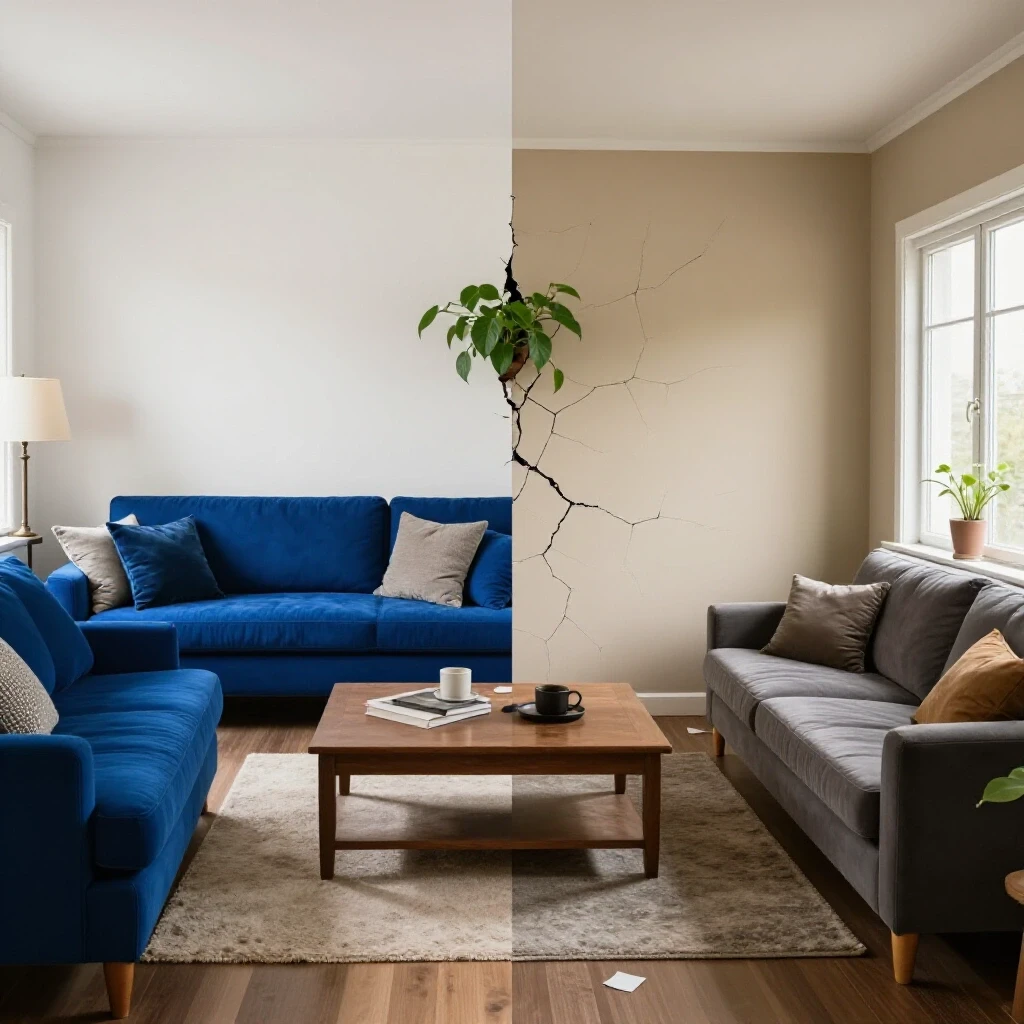
I often see homeowners push their sofas directly against exterior walls. This is a mistake in a legacy property. Leaving a 2-4 inch gap allows air to circulate, preventing “cold spots” where moisture can condense behind the furniture. This circulation is vital for preventing the growth of surface mold on wallpaper or plaster.
- Center-Focused Seating: Move your primary seating areas toward the center of the room or closer to internal walls.
- Blocking Air Paths: Use bookshelves filled with books against exterior walls. The paper and wood act as a natural, decorative form of insulation.
- Height Adjustments: In rooms with high ceilings, common in older homes, heat accumulates at the top. I suggest using decorative screens or taller furniture to help break up these vertical air volumes.
Maintaining Interior Surfaces and Natural Materials
This involves the routine cleaning and preservation of wood, stone, and fabric to prevent degradation during dry winter months. Low humidity can cause wood to contract, leading to cracks in heirloom furniture or gaps in floorboards.
Building science reminds us that wood is “hygroscopic,” meaning it absorbs and releases moisture to stay in equilibrium with its environment. When I manage older properties, I focus on “feeding” the wood.
- Wood Conditioning: Apply a high-quality wax or oil-based conditioner to wooden surfaces in late autumn. This creates a thin protective barrier that slows down the rate of moisture loss.
- Stone Care: Natural stone hearths or floors should be checked for cracks. Cold temperatures can cause existing fissures to expand if moisture gets trapped inside.
- Fabric Rotation: I make it a point to rotate rugs and cushions every 90 days. This ensures even wear and prevents one area of a textile from becoming a “sink” for dust or moisture.
A Systematic Approach to Seasonal Transitions
A systematic approach ensures that no part of the home is overlooked as the temperature drops. By following a structured timeline, you can address minor issues before they become structural failures that require expensive intervention.
In my facility logs, I always emphasize the “envelope-in” method. We start by looking at how the house interacts with the outside, then move to the immediate interior environment.
- Check the Drainage: Even though we are focused on the interior, ensure that your indoor rugs aren’t placed near doors where snow or salt might be tracked in. I use “walk-off” mats in entryways to capture moisture before it reaches legacy hardwood.
- Inspect the Hearth: If you have a fireplace, the decorative elements around it should be heat-resistant. I check for any signs of soot or discoloration on nearby textiles, which could indicate a backdrafting issue.
- Monitor the Attic Access: Many homeowners forget the “hatch.” A simple decorative cover or a snug-fitting insulated box can prevent warm air from escaping into the attic space.
Recommended Tools for Seasonal Home Assessment
To maintain a property effectively, you need more than just a keen eye. These are the tools I have carried in my kit for years to ensure a home is ready for the change in weather.
- Digital Hygrometer (Accuracy +/- 3%): Essential for monitoring the air to prevent wood shrinkage.
- Infrared Thermometer: Used to find cold spots on walls and floors without touching them.
- Moisture Meter (Pinless preferred): To check the health of wooden floors and furniture.
- Smoke Pen or Incense Stick: A low-tech way to find where air is moving or “leaking” through decorative trim.
- LED Inspection Flashlight: For looking behind furniture and into dark corners for signs of moisture or pests.
Multi-Year Prevention and Maintenance Schedule
Maintaining an older home is a marathon, not a sprint. I suggest a rolling schedule that breaks down tasks so they are manageable and consistent.
- October: Assess all textiles. Clean and store summer-weight blankets. Apply wood conditioner to tables and chairs.
- November: Deploy heavy rugs and drapes. Check humidity levels weekly. Move furniture away from exterior walls.
- December: Monitor for condensation on windows. If seen, increase airflow by opening interior doors.
- January: Deep clean rugs to remove salt and winter debris. Check for any new gaps in floorboards.
By following this technical, diagnostic approach, I have been able to preserve the character of older homes while making them significantly more comfortable. It is about working with the building’s natural tendencies rather than fighting them.
Frequently Asked Questions
How can I tell if my rugs are actually helping with the cold? Use an infrared thermometer to measure the surface of the rug and then the bare floor next to it. A significant temperature difference (often 5-10 degrees) proves the rug is providing a thermal break. If the rug feels damp to the touch, your humidity is too high, or you have moisture wicking up through the subfloor.
Is it safe to put rugs over radiant floor heating? You must check the rug’s material and the manufacturer’s guidelines. Some synthetic backings can degrade or off-gas when heated. Natural fibers like wool or cotton are usually safer, but a thick rug can act as an insulator that prevents the heat from reaching the rest of the room.
Why does my wood furniture seem to “creak” more in the winter? This is due to the hygroscopic nature of wood. As the air dries out, the wood releases moisture and shrinks. This movement causes joints to rub against each other, creating noise. Maintaining a steady relative humidity of 40% can minimize this.
What is the best way to clean heavy winter drapes? Most heavy, lined drapes should be professionally cleaned or vacuumed with a HEPA-filter attachment. Avoid washing them in a standard machine, as the shrinkage can be uneven between the face fabric and the lining, ruining the “hang” of the drape.
Can furniture placement really affect my home’s structure? Indirectly, yes. Furniture placed tightly against a cold exterior wall can trap moisture. Over time, this localized humidity can lead to mold growth on the plaster or rot in the baseboards. Always leave a small gap for airflow.
How do I choose a pet-friendly rug that still provides warmth? Look for low-pile wool rugs. Wool is naturally stain-resistant due to the lanolin in the fibers and provides excellent insulation. Avoid “loop” piles (like Berber), as pet claws can snag the loops and unravel the rug.
What should I do if I find condensation on the bottom of my walls? This usually indicates that the wall surface is reaching the “dew point.” Increase the room’s temperature slightly or use a fan to improve air circulation in that specific area. Adding a decorative wall hanging can also help provide a small amount of insulation to that cold surface.
Is a felt rug pad better than a rubber one for older floors? Yes. Rubber or latex backings can sometimes react with the finish on older hardwood floors, causing permanent discoloration. Felt is breathable, provides better R-value (insulation), and is gentler on the wood’s surface.
How often should I check my home’s humidity? In the transition months, I check it daily until it stabilizes. Once the winter routine is set, a weekly check is sufficient. If you see your windows fogging up, your humidity is too high; if you are getting static shocks, it is too low.
Can indoor plants really help with winter comfort? Plants release moisture through a process called transpiration. While they won’t replace a humidifier in a very dry house, a cluster of plants can create a localized “microclimate” with higher humidity, which is beneficial for both the air quality and your wooden furniture.
(This article was written by one of our staff writers, Daniel Whitaker. Visit our Meet the Team page to learn more about the author and their expertise.)