Is the One Bag a Day Challenge Realistic for Decluttering? (Guide)

Focusing on pet-friendly choices often means looking at our homes through a lens of durability and ease of cleaning. In my eleven years as an operations professional, I have found that managing a household is remarkably similar to managing a warehouse. Both require a clear understanding of flow rates—how much stuff comes in versus how much goes out. When our family first attempted a consistent daily item removal habit, we realized that the primary obstacle wasn’t a lack of effort, but rather a failure in our logistical systems.
Understanding the Logistics of Constant Item Outflow
The concept of removing a single container of unwanted items every day is a strategy designed to balance the scales of household consumption. It focuses on the principle of “outflow,” ensuring that the volume of goods leaving the home matches or exceeds the volume entering. This prevents the spatial capacity of the home from being breached, which is when clutter becomes visible and stressful.
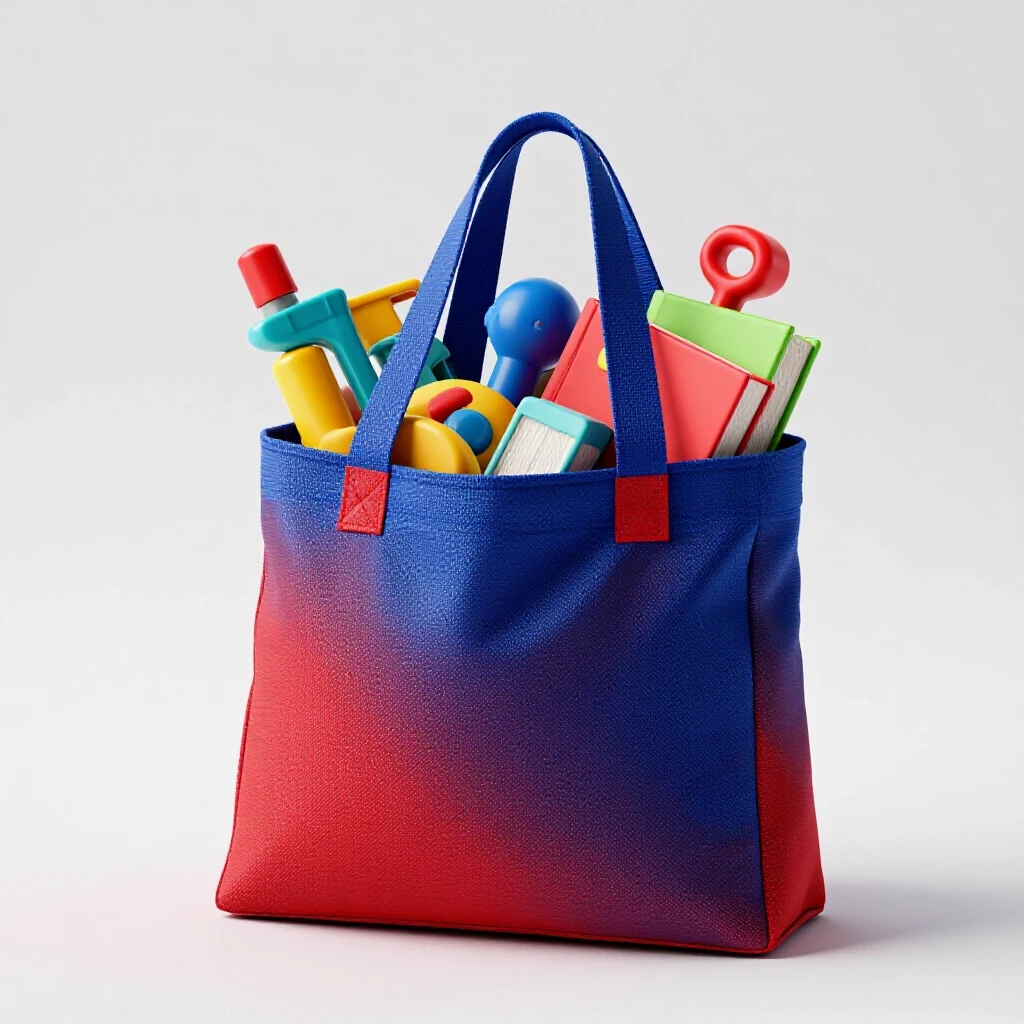
In logistics, we talk about “throughput.” In a home setting, this is the speed at which items move from the front door to their designated storage spot, and eventually, out of the house when they are no longer useful. Most families struggle because their inflow is high, but their outflow is stagnant. By committing to a small, daily task of identifying items for removal, you create a steady stream of “inventory reduction.” This prevents the massive, exhausting weekend-long cleaning sessions that rarely stick.
The Psychological Impact of Visual Processing Overload
Environmental psychology suggests that our brains are constantly scanning our surroundings for “to-do” cues. Every pile of unsorted mail or stray toy represents a micro-task that our brain feels the need to solve. When these cues become too numerous, we experience visual processing overload. This leads to increased cortisol levels and a feeling of mental fatigue that persists even when we are trying to relax.
Sustainable decluttering is not about achieving a sterile environment. It is about reducing the number of visual “signals” our brain has to process. When we remove a bag of items daily, we are essentially lowering the noise floor of our living space. Research in organizational behavior shows that consistent, small wins are more effective for long-term habit formation than infrequent, high-intensity efforts. This is because small tasks do not trigger the same level of “task avoidance” or procrastination that a major overhaul does.
Reducing Retrieval Friction in Family Storage Systems
One of the biggest reasons home organization systems fail is “friction.” In spatial management, friction is the amount of physical and mental effort required to put an item away or take it out. If a child has to open a lid, move a tray, and then find a specific slot for a toy, the friction is too high. The toy will likely end up on the floor instead.
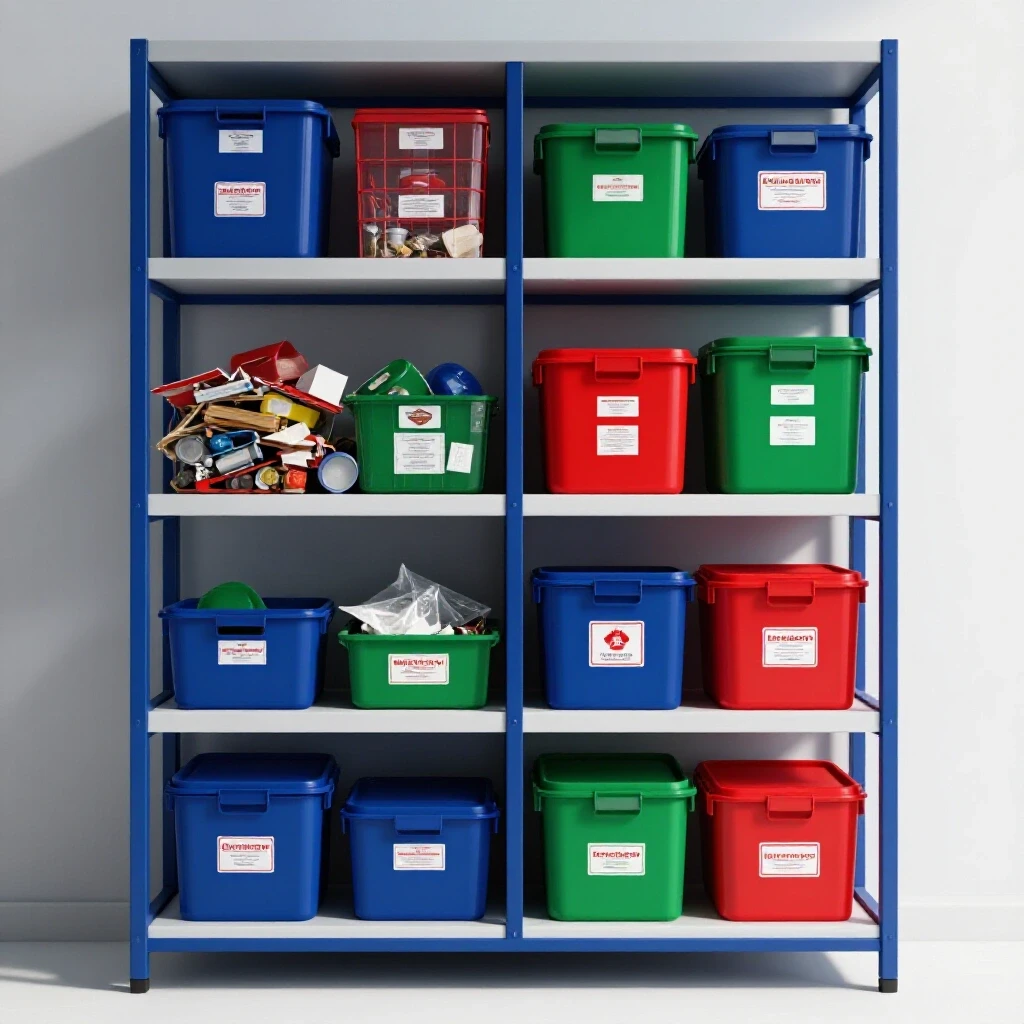
To support a daily habit of tidying, we must design functional home storage that prioritizes low friction. This means using open bins for frequently used items and reserving latched, stacked containers only for long-term storage. When we analyze our own household failures, we found that “pretty” storage often had the highest friction. We replaced decorative boxes that required two hands to open with simple, sturdy baskets. This shift reduced our daily sorting time by nearly 15 minutes.
Storage Friction Index by Container Type
| Container Type | Steps to Access | Friction Level | Best Use Case |
|---|---|---|---|
| Open Basket/Bin | 1 (Drop/Grab) | Very Low | Daily toys, shoes, pet gear |
| Drawer (No Divider) | 2 (Open, Drop) | Low | Clothes, linens |
| Lidded Bin (No Latch) | 3 (Lift, Drop, Replace) | Medium | Craft supplies, office tools |
| Latched/Stacked Bin | 5+ (Unstack, Unlatch, etc.) | High | Holiday decor, keepsakes |
The Reality of Daily Sorting: My Family’s 11-Year Journey
In my professional life, I optimize supply chains; at home, I optimize the “toy chain.” I remember a period where our living room felt like it was shrinking. We were constantly “straightening up,” but by Tuesday, the clutter returned. We decided to test the feasibility of a daily removal habit. We didn’t aim for a full trash bag every day; sometimes it was just a small grocery bag of outgrown clothes or old magazines.
The breakthrough happened when we stopped looking for “trash” and started looking for “redundancy.” We realized we had four whisks and three identical sets of screwdrivers. By focusing on reducing household clutter through the lens of utility, the daily task became a game of efficiency rather than a chore of loss. We also learned to involve our children by giving them “autonomy zones.” They were responsible for their own small bins, which taught them about spatial capacity limits early on.
Designing High-Speed Zoning Maps for Your Home
A zoning map is a logistical tool that defines the primary function of every square foot in a facility. In a home, zoning helps prevent “item drift,” where objects from the kitchen end up in the bedroom and stay there for weeks. To make daily decluttering realistic, you need to know exactly where things belong.
- Zone 1: High-Frequency (The Hot Zone): Areas like the entryway or kitchen counters. Items here should be cleared daily.
- Zone 2: Daily Use: Closets and toy bins. These require low-friction storage solutions for families.
- Zone 3: Deep Storage: The attic, garage, or top shelves. These are for items used less than once a month.
- Zone 4: The Outflow Station: A designated spot (like a box in the trunk of the car or by the back door) for items leaving the house.
By having a designated Outflow Station, the “one bag a day” habit becomes a physical reality. You aren’t just moving clutter around; you are moving it toward the exit.
Measuring Success: Item Density and Sorting Metrics
In operations, we use metrics to determine if a system is working. You can apply these same measurements to your decluttering journey. Instead of “feeling” like the house is cleaner, you can track tangible data points. For example, we use “sorting time-boxes.” We set a timer for 10 minutes. If we cannot clear a surface in that time, the item density is too high for the space.
- Standard Item Density: Aim for 70% capacity in any storage bin. Anything more makes retrieval difficult.
- Sorting Interval: 10-15 minutes of daily outflow identification.
- Decision Speed: If it takes more than 30 seconds to decide if an item stays, put it in a “quarantine box” for one week.
- Step Count: The number of steps from where an item is used to where it is stored should be as low as possible.
Daily Maintenance Timeline by Family Size
| Family Size | Daily Outflow Goal | Sorting Time (Mins) | Focus Area |
|---|---|---|---|
| 2 Adults | 5-10 Items | 10 | Paperwork/Kitchen |
| 2 Adults + 1 Pet | 10-15 Items | 12 | Pet Gear/Living Room |
| 2 Adults + 2 Kids | 1 bag (small) | 20 | Toys/Clothes/Entry |
| Large Family (5+) | 1 bag (standard) | 30 | Multi-room sweep |
Why High-Friction Bins Lead to Rapid Clutter Reversion
We often buy storage solutions because they look good in a catalog. However, if a bin is difficult to use, the system will fail within 72 hours. This is known as “system abandonment.” In my experience, families often over-complicate their storage. They buy specialized organizers for every tiny item, which actually increases the cognitive load of tidying up.
To establish long-lasting storage and organization systems, you must prioritize “one-handed” operations. If you can’t put an item away with one hand while holding a toddler or a cup of coffee with the other, the system is too complex. Use clear bins so you can see the contents without opening them. This reduces the “search time” and prevents people from dumping out a whole bin just to find one thing.
Building Systematic Habit Loops for the Whole Family
A habit loop consists of a cue, a routine, and a reward. For a daily decluttering habit to stick, it needs to be tied to an existing routine. In our house, the “outflow sweep” happens right after dinner while the coffee is brewing. The cue is finishing the meal, the routine is filling one small bag, and the reward is a tidy living space for the evening.
- The “One-In, One-Out” Rule: For every new item that enters the house, one must leave.
- The 5-Minute Evening Reset: A family-wide effort to return items to their zones.
- Visual Labeling: Use pictures for younger children and clear text for adults to eliminate “where does this go?” questions.
- Digital Inventory: For high-value or seasonal items, use a simple spreadsheet or a smart-label app to track what is in deep storage.
Overcoming Decision Fatigue During the Sorting Process
Decision fatigue is a real phenomenon where the quality of our choices declines after a long period of decision-making. This is why major decluttering projects often end in a messier state than they started; we simply run out of “mental fuel” to finish the job. The beauty of a daily, small-scale approach is that it limits the number of decisions you have to make at one time.
By only filling one bag, you are making maybe 20 to 30 decisions. This is manageable for a busy professional after a long workday. It keeps the “decision cost” low. If you find yourself struggling with an item, use the “Logistics Test”: Have we used this in the last 12 months? Is the cost of storing it (spatial rent) higher than the cost of replacing it if needed?
Practical Tools for Modern Home Management
To maintain a functional home storage system, you can leverage modern tools that go beyond simple plastic bins.
- Smart Labels: QR-code stickers that you can scan to see a photo of what’s inside a box without opening it.
- Modular Shelving: Systems that can be reconfigured as your family’s needs change (e.g., as kids grow out of large toys and into smaller hobbies).
- App-Based Lists: Shared family apps for grocery and “to-buy” lists to prevent duplicate purchases and inflow bloat.
- Heavy-Duty Totes: For garage and attic storage, use uniform, stackable totes that maximize vertical space.
Key Takeaways for Sustainable Home Order
Maintaining a tidy home is not a destination; it is a process of managing flow. By focusing on consistent, daily removals, you align your home’s “inventory” with its “spatial capacity.” This reduces the mental load on every family member and creates a more resilient living environment.
- Focus on reducing friction in your storage choices.
- Use zoning to define the purpose of every space.
- Treat your home like a professional logistics operation—monitor your inflow and outflow.
- Accept that “good enough” and functional is better than “perfect” and unsustainable.
- Involve the whole family by making the systems easy enough for a child to follow.
Frequently Asked Questions
How do I decide what qualifies for the “daily bag” without getting overwhelmed? Start with the “low-hanging fruit.” Look for obvious trash, broken items, or duplicates in your high-traffic zones. Don’t start with sentimental items like old photos. Focus on functional items like kitchen gadgets, outgrown clothes, or excess linens. The goal is to build the “decision-making muscle” gradually.
What if I don’t have enough clutter to fill a bag every single day? That is actually a sign of success! The “one bag” is a guideline for the initial phase of reducing household clutter. Once you reach a baseline of order, your daily task might shift from “removal” to “maintenance”—simply ensuring everything is in its zone. However, most busy families find that between mail, school papers, and outgrown items, there is almost always something that can leave.
How do I get my spouse or children to participate in this system? Focus on the “why” and make the “how” incredibly easy. Explain that the system reduces everyone’s stress. Then, implement low-friction storage like open baskets. When people see that it takes less than 10 seconds to put something away properly, they are much more likely to do it. Avoid criticizing their efforts; instead, focus on the improved flow of the room.
Is it better to donate, sell, or trash the items in the bag? From a logistics perspective, the priority is getting the items out of the house. Selling items takes the most time and creates the most friction. If you have the bandwidth, designate one day a month for a donation drop-off. If an item is broken or has no value, do not feel guilty about trashing it. The “spatial rent” it is taking up in your home is more valuable than the item itself.
How do I handle sentimental items that I can’t just put in a bag? Sentimental items should be handled separately from your daily routine. These require more “cognitive energy.” Set aside a specific time, perhaps once a month, to go through one small box of keepsakes. For the daily habit, stick to utilitarian items to keep the momentum high and the stress low.
What should I do if I miss a day? Don’t try to “make it up” by doing two bags the next day. This can lead to burnout. Simply resume the habit the following day. The goal is consistency over a long period, not a perfect streak. In logistics, we expect minor disruptions; the key is having a system that is robust enough to recover quickly.
How can I prevent new clutter from coming in while I’m doing this? Implement a “waiting period” for new purchases. If you want something that isn’t a necessity, wait 48 hours. Often, the impulse passes. Also, be mindful of “free” items like promotional swag or hand-me-downs that you don’t actually need. Every item that enters requires “spatial rent” and future maintenance time.
Are expensive organizational containers necessary for this to work? Absolutely not. In fact, some of the best functional home storage solutions are the simplest. Sturdy cardboard boxes can work for sorting, and basic plastic bins are often more durable than decorative ones. The effectiveness of the system depends on the logic of the layout and the reduction of friction, not the price tag of the bins.
(This article was written by one of our staff writers, Christopher Bennett. Visit our Meet the Team page to learn more about the author and their expertise.)