How to Replace a Toilet Fill Valve for Water Savings (Step-by-Step)

As the seasons change and we spend more time indoors, the subtle sounds of our homes become more noticeable. A faint hissing or a sudden, rhythmic trickle from the bathroom often signals that a small component is failing. For a busy professional, these sounds are more than just a nuisance; they represent wasted resources and an increasing utility bill. Addressing these minor mechanical failures during a weekend DIY project is one of the most effective ways to maintain a home while gaining a sense of tangible accomplishment.
In my twelve years of managing facilities and maintaining my own properties, I have found that the internal water-supply mechanism of a toilet is often overlooked until it causes a significant spike in water usage. I remember a particular Saturday in my first home when a “phantom flush” woke me up at 3:00 AM. I realized then that a worn-out valve was slowly leaking water into the overflow tube, costing me money every hour. By taking a systematic approach to updating these internal parts, you can ensure your home remains efficient and your weekends remain productive.
Essential Components of a High-Efficiency Tank System
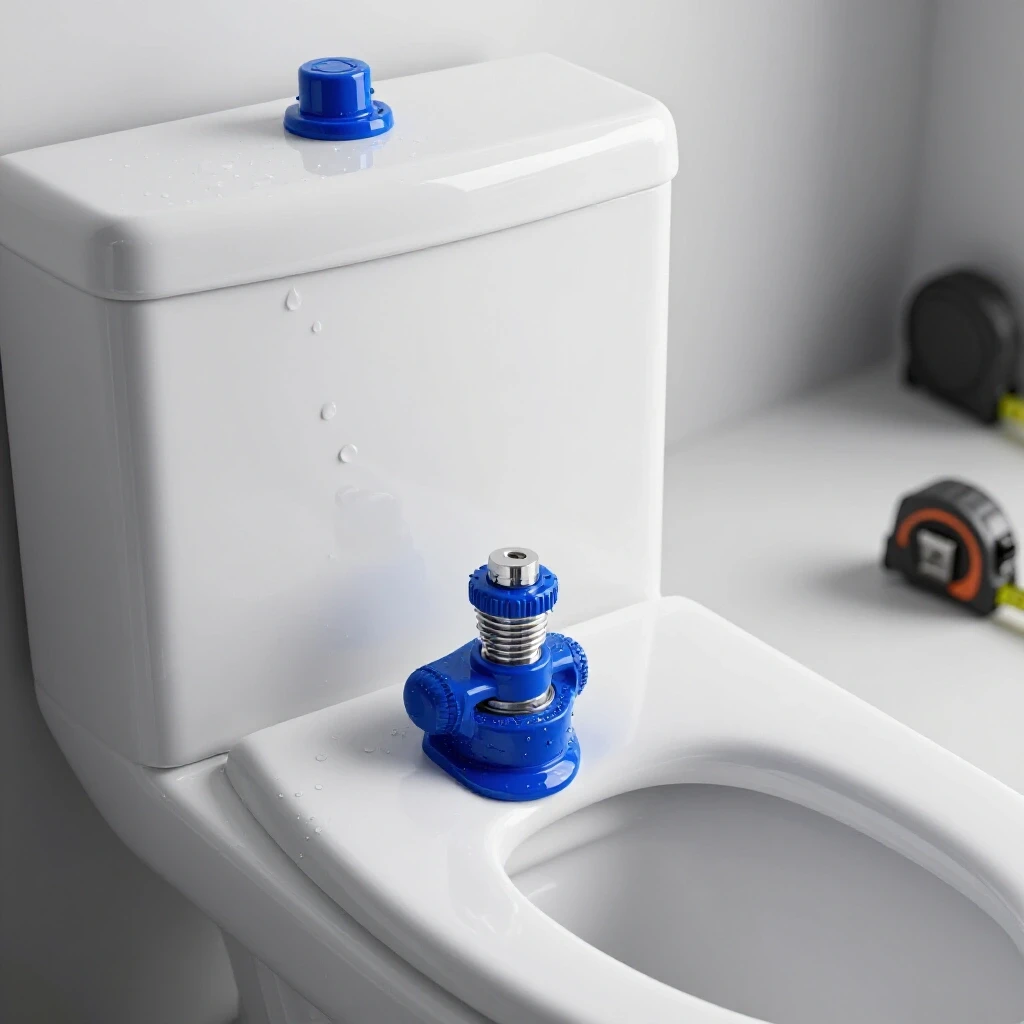
The internal hardware of a toilet tank is responsible for refilling the reservoir after every flush and stopping the flow once the water reaches a specific level. This system relies on a combination of pressure, buoyancy, and mechanical seals to function without constant supervision. Understanding how these parts interact is the first step toward a successful upgrade.
Recognizing the Symptoms of Internal Component Wear
Identifying when the water-supply assembly is failing requires a mix of observation and simple testing. Common signs include a constant humming sound, the water running long after the flush cycle should have ended, or the tank refilling on its own without being used. These issues usually stem from a degraded seal or a float that no longer sits at the correct height.
In my experience, the “dye test” is the most reliable way to confirm an internal leak. By dropping a few drops of food coloring into the tank and waiting twenty minutes, you can see if the color migrates into the bowl. If it does, your valve or flapper is failing. This simple diagnostic prevents you from guessing and ensures that your weekend DIY project is actually necessary.
Project Scope and Time Estimates for the Weekend DIYer
Estimating the time required for home maintenance is often where most people struggle. For a standard internal valve update, you should set aside approximately one to two hours. This timeframe includes the initial setup, the removal of old hardware, the installation of the new unit, and the critical calibration phase where you test for leaks and adjust water levels.
| Project Phase | Estimated Time | Effort Level |
|---|---|---|
| Preparation & Tool Setup | 15 Minutes | Low |
| Draining & Hardware Removal | 20 Minutes | Moderate |
| Installation of New Valve | 25 Minutes | Moderate |
| Calibration & Leak Testing | 20 Minutes | Low |
| Total Estimated Time | 80 Minutes | Moderate |
While the task itself is not physically exhausting, it requires working in cramped spaces and handling plastic components that can be brittle. I have learned the hard way that rushing through the tightening of a mounting nut can lead to a cracked tank, which turns a simple fix into a much larger problem. Slow, deliberate movements are key to a safe home repair.
Necessary Tools and Preparation for a Leak-Free Installation
Before you begin any plumbing task, having the right tools on hand is mandatory to avoid mid-project trips to the hardware store. Because you are dealing with pressurized water lines, preparation also involves knowing exactly how to shut down the system. A well-organized workspace reduces stress and minimizes the risk of accidental water damage to your flooring.
The Essential DIY Plumbing Kit
For this specific upgrade, you do not need an extensive array of power tools. Instead, focus on high-quality hand tools that provide good leverage and grip. You will need a set of channel-lock pliers, a small bucket to catch residual water, and several highly absorbent rags. A sponge is also useful for removing the last bit of water from the bottom of the tank.
- Channel-lock Pliers: Used for loosening the supply line nut and the mounting nut under the tank.
- Small Bucket: Essential for catching the water that remains in the supply line after the valve is closed.
- Adjustable Wrench: Useful if your supply line has a hexagonal nut that the pliers might mar.
- Sponge and Towels: To ensure the work area stays dry, preventing slips and protecting subflooring.
- Measuring Tape: To check the height of the new valve against the manufacturer’s specifications.
I always recommend checking your supply line while you are at it. If the flexible hose looks corroded or is more than five years old, it is a good idea to replace it during this project. In my facility management roles, we treat these hoses as “wear items” because a burst supply line is one of the leading causes of indoor flooding.
Safety Protocols for Working with Indoor Water Lines
Safety in plumbing projects is primarily about moisture control and preventing structural damage. Before touching any hardware, locate the shut-off valve (often called an angle stop) behind the toilet. Turn it clockwise until it stops. If the valve feels stuck, do not force it with a wrench, as old valves can snap, leading to an immediate plumbing emergency.
If your angle stop is frozen, you may need to shut off the main water supply to the house before proceeding. This is a common hurdle in older homes. I once worked on a 1940s bungalow where every single shut-off valve was seized. Taking the extra ten minutes to shut off the main line saved me from a high-pressure spray that would have ruined the original hardwood floors.
Executing the Installation of the New Fill Assembly
Once the water is off and your tools are ready, the core work begins. This phase involves removing the old, likely mineral-crusted hardware and replacing it with a modern, high-efficiency unit. Modern valves are often adjustable in height, allowing them to fit a wide variety of tank sizes while maintaining the required safety clearances.
Draining the Reservoir and Removing Old Hardware
To remove the old valve, you must first empty the tank. Flush the toilet and hold the handle down until as much water as possible has exited the bowl. Use your sponge to soak up the remaining inch of water at the bottom. This step is vital; any water left in the tank will pour directly onto your floor the moment you loosen the mounting nut.
- Place your bucket under the point where the supply line meets the tank.
- Use your pliers to unscrew the supply line nut.
- Unscrew the plastic mounting nut that holds the valve shank to the bottom of the tank.
- Lift the old valve assembly out of the tank, being careful not to drip water on the floor.
Interestingly, many people find that the old valve is covered in a slimy film or mineral scale. This is a natural byproduct of water chemistry and is exactly why these components eventually fail. The rubber seals harden over time, losing their ability to create a watertight closure.
Securing the New Valve and Establishing the Correct Height
Most modern replacement valves feature a “twist-to-lock” height adjustment. Before placing the new valve in the tank, compare its height to the overflow tube. The top of the valve (specifically the “Critical Level” mark often stamped as ‘CL’) must sit at least one inch above the top of the overflow tube. This is a requirement of the Uniform Plumbing Code (UPC) to prevent back-siphonage.
- Adjust the valve height by twisting the shank.
- Ensure the rubber gasket is seated firmly at the base of the valve.
- Insert the valve into the hole at the bottom of the tank.
- Hand-tighten the mounting nut from underneath.
- Give the nut an extra quarter-turn with pliers, but do not over-tighten.
Over-tightening is a frequent mistake in weekend DIY projects. Plastic threads can strip easily, and the pressure can crack the porcelain of the tank. I follow the “hand-tight plus a nudge” rule, which has served me well across dozens of installations. If it leaks later, you can always tighten it a bit more, but you cannot “un-crack” a toilet tank.
Calibrating the System for Maximum Water Savings
The final stage of the project is where you see the actual return on your investment. By properly adjusting the float and the refill tube, you can significantly reduce the amount of water used per flush. A high-efficiency valve allows you to fine-tune the water level to the exact point needed for a clean flush without wasting a single gallon.
Setting the Float Level to Manufacturer Specifications
The float is the component that tells the valve when to shut off. If it is set too high, water will constantly pour into the overflow tube. If it is too low, the toilet will not flush effectively, leading to “double flushing” which wastes even more water. Most modern valves have a screw or a clip that allows for micro-adjustments to the float position.
Check the inside of your tank for a “Water Line” mark etched into the porcelain. Your goal is to adjust the float so that the water stops exactly at that mark, which is usually about half an inch below the top of the overflow tube. In my own home, I managed to lower the water level by just a quarter-inch, which saved nearly half a gallon per flush. Over a year, for a family of four, that adds up to thousands of gallons.
Testing the Anti-Siphon Mechanism and Leak Checks
After the heights are set, attach the small refill tube from the valve to the top of the overflow tube. Use the provided clip to ensure the tube stays above the water line. This creates an air gap that prevents tank water from being sucked back into your home’s clean water supply if there is a sudden drop in pressure.
- Slowly open the shut-off valve: Listen for the tank filling and watch the connections underneath for any drips.
- Observe the shut-off: Ensure the valve stops completely when the float reaches the set height.
- Check the refill tube: Ensure it is sending water down the overflow tube to refill the bowl during the cycle.
- Dry the area: Use a paper towel to wipe the connections and check for any moisture that might indicate a slow leak.
If you see a drip at the mounting nut, tighten it by a tiny increment. If the valve doesn’t shut off, check if the float is hitting the side of the tank or the flapper chain. This “dry-run” testing phase is what separates a successful project from one that ends in a midnight call to a professional.
Troubleshooting Common Post-Installation Issues
Even with a careful approach, minor issues can arise after the tools are put away. Most of these are easily fixed with small adjustments rather than a full redo. Being analytical about the failure point allows you to solve the problem without frustration.
If the valve is noisy or vibrates, there may be debris in the line. Sometimes, turning the water off and on can dislodge small bits of sediment that were stirred up during the project. Most modern valves have a removable top cap that allows you to flush out the internal diaphragm without removing the entire unit. This is a trick I use frequently in facility maintenance when working with older plumbing systems.
Another common issue is a “slow fill.” This usually happens if the refill tube is kinked or if the shut-off valve isn’t fully open. Ensure the tube has a smooth arc and that the angle stop is turned all the way to the left. By systematically checking these points, you can ensure your safe home repair remains functional for years to come.
Measuring the Long-Term Benefits
Completing this upgrade provides more than just a quiet bathroom. It offers measurable savings. A standard older valve can leak up to 200 gallons of water a day without you even noticing. By replacing it with a modern, code-compliant assembly, you are taking an active step toward a more sustainable household.
I track my utility bills in a simple spreadsheet, and after updating the valves in my current home, I saw a 12% reduction in my monthly water costs. For a project that costs less than $30 in materials and takes under two hours, the return on investment is exceptional. It is the perfect example of how small, deliberate DIY home improvement tasks can lead to significant long-term gains.
FAQ
Why is my new valve still hissing after the tank is full? This usually indicates that the float is set slightly too high, allowing water to trickle into the overflow tube. Try turning the adjustment screw to lower the float by an eighth of an inch. If the hissing persists, there may be debris under the valve cap preventing a total seal.
Do I need to use plumber’s tape on the plastic threads? Generally, no. Most manufacturer technical guides advise against using Teflon tape on plastic-to-plastic connections. The seal is created by the rubber gasket inside the supply line nut, not the threads themselves. Tape can actually make it easier to over-tighten and crack the plastic.
What is the “Critical Level” (CL) mark on the valve? The CL mark is a safety indicator required by building codes. It represents the point where the valve could potentially allow back-siphonage. For safety, this mark must always be at least one inch above the top of the overflow pipe in your tank.
Can I replace just the seal instead of the whole valve? While some valves allow for seal replacement, it is often more practical to replace the entire assembly. For the low cost of a new unit, you get a fresh float, a new anti-siphon mechanism, and a clean shank, which ensures a much longer service life.
What should I do if my shut-off valve starts leaking after I turn it? If the angle stop leaks from the stem after you turn it, try slightly tightening the “packing nut” located right behind the handle. A quarter-turn is often enough to compress the internal washer and stop the drip. If it continues, the shut-off valve itself may need replacement.
How often should these internal components be replaced? In most homes, these parts last between five and seven years. However, if you have hard water or use “in-tank” chlorine cleaning tablets, the chemicals can degrade the rubber components much faster, sometimes in as little as two or three years.
Why does the water level in my bowl seem lower after the upgrade? The bowl refill is controlled by the small flexible tube that clips to the overflow pipe. If the bowl level is low, ensure the tube is correctly aimed into the overflow pipe and that the valve’s refill ratio is properly adjusted according to the manufacturer’s specs.
Is it safe to use a wrench on the plastic mounting nut? It is best to start by hand-tightening. If you cannot get a watertight seal by hand, use pliers very gently. Plastic nuts can easily deform or “cross-thread” if too much force is applied with a large wrench.
What is an anti-siphon valve and why do I need one? An anti-siphon valve prevents contaminated tank water from being sucked back into your home’s potable water lines during a pressure drop. This is a critical safety feature required by the Universal Plumbing Code to protect your family’s health.
How much money can I actually save with this project? While results vary, a leaking valve can waste thousands of gallons a year. At average utility rates, fixing a “running” toilet can save between $50 and $150 annually on your water bill, meaning the project pays for itself in just a few months.
(This article was written by one of our staff writers, Robert Callahan. Visit our Meet the Team page to learn more about the author and their expertise.)