Bathroom Refresh Ideas: Cost vs Value for Weekend Projects (Guide)

I remember standing in my guest bathroom on a rainy Friday evening, staring at a vanity that looked like a relic from 1984. I had a dinner party scheduled for Saturday night and exactly $400 in my pocket. My “aha” moment came when I realized that I didn’t need to rip out the tub or move the plumbing to change the room’s entire feel. By simply swapping the crusty chrome faucet for a matte black model and updating the yellowed light fixture, the space transformed. This experience taught me that strategic, small-scale updates often provide a better return on time than massive overhauls.
Strategizing Your Low-Cost Aesthetic Update
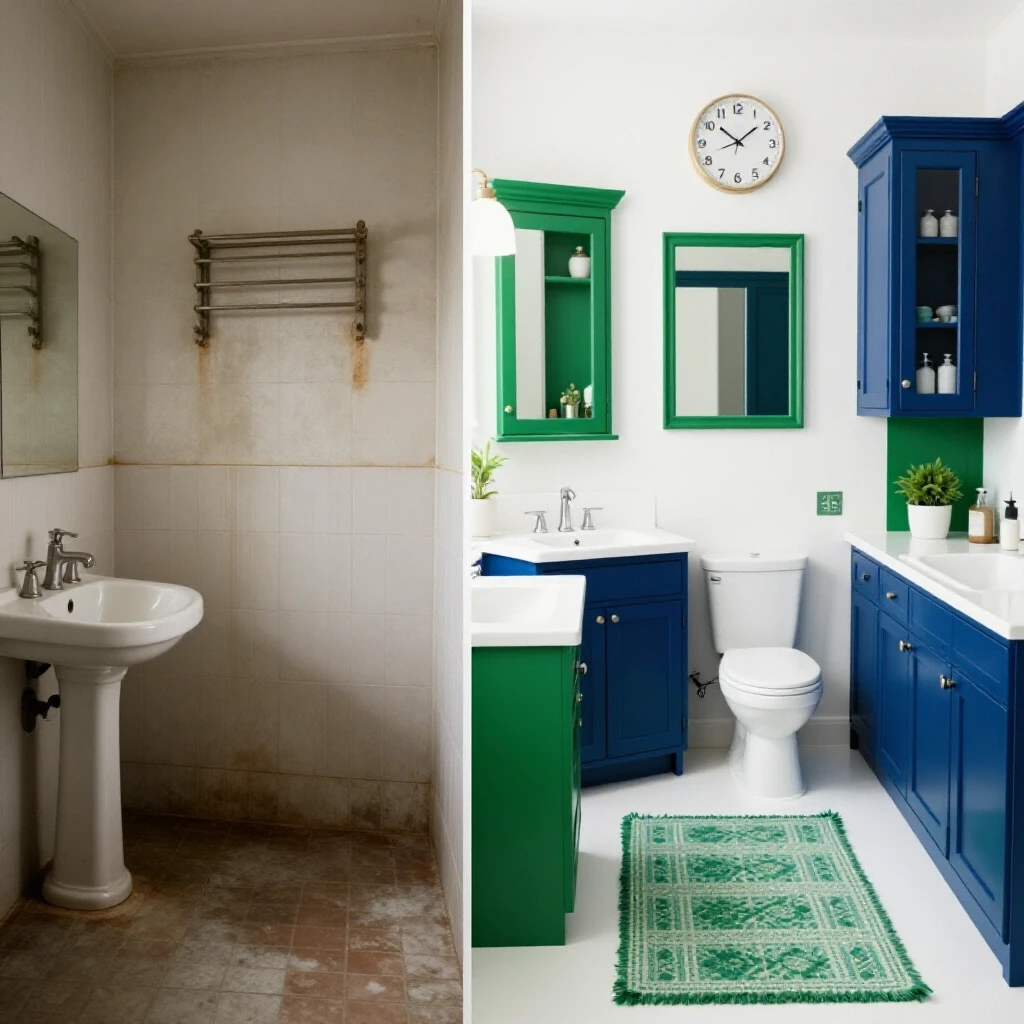
This phase involves identifying which surface-level changes will yield the highest visual impact and functional improvement within a 48-hour window. By focusing on paint, hardware, and lighting, you can avoid the complexities of permits while staying within a strict $400 to $600 budget.
Planning is the most critical step for any busy professional. In my 12 years of facilities management, I have seen projects fail not because of a lack of skill, but because of a lack of parts. Before you pick up a screwdriver, you must perform a site audit. Check your shut-off valves under the sink to ensure they actually turn. If they are frozen, your weekend project just became a plumbing emergency.
I recommend a “walk-through” where you touch every fixture you plan to replace. Measure the “on-center” distance between the holes in your cabinet doors. If you buy 4-inch handles for 3-inch holes, you will spend your Saturday drilling and patching instead of finishing. This level of detail prevents the mid-project “pro-call” that eats your budget.
| Project Element | DIY Cost (Estimated) | Professional Labor Savings | Estimated Active Hours |
|---|---|---|---|
| Cabinet Hardware Swap | $50 – $100 | $150 | 1 – 2 Hours |
| Vanity & Trim Painting | $80 – $120 | $400 | 6 – 8 Hours |
| Light Fixture Upgrade | $70 – $150 | $200 | 1 – 2 Hours |
| Accessory & Mirror Update | $100 – $200 | $150 | 2 – 3 Hours |
Essential Inventory for Minor Bathroom Upgrades
Having the correct tools on hand is the difference between a functional upgrade and a frustrated weekend. This list covers the foundational equipment needed for surface-level repairs, painting, and safe electrical component replacement without requiring specialized trade knowledge.
You likely already own a hammer and a screwdriver set, but bathroom work requires more precision. For example, a non-contact voltage tester is non-negotiable. I once assumed a circuit was dead because the light was off, only to find a “hot” wire tucked in the back of the box. That $20 tool saved me from a dangerous shock.
- Non-contact voltage tester: To verify power is off before touching wires.
- Precision screwdriver set: For small set-screws on towel bars and faucets.
- 4-in-1 screwdriver: A versatile tool for cabinet hinges and switch plates.
- Adjustable wrench (Medium): For supply line connections.
- Small level (Torpedo level): To ensure mirrors and shelves are straight.
- Caulk gun and silicone sealant: For refreshing the seal around the backsplash.
- Microfiber rollers and angled brushes: Specifically for smooth cabinet finishes.
- Multimeter: To troubleshoot basic continuity if a new light fails to turn on.
Navigating Safety and Code Compliance for Small Projects
Even minor upgrades must adhere to the National Electrical Code (NEC) and the Uniform Plumbing Code (UPC) to ensure your home remains safe and insurable. Understanding these standards prevents common errors like installing the wrong light fixture in a high-moisture zone.
Safety is my primary focus as a facilities manager. When you change a light fixture, the NEC 410.10(D) dictates that cord-connected luminaires or pendants cannot be within 3 feet horizontally and 8 feet vertically from the top of a bathtub rim. For our purposes, stick to surface-mounted or recessed lights rated for “damp locations.”
Always verify your GFCI (Ground Fault Circuit Interrupter) protection. If your bathroom outlets do not have “Test” and “Reset” buttons, they might be protected by a GFCI breaker in your main panel. Use a GFCI outlet tester to confirm. If the circuit doesn’t trip when you press the test button on the tool, you have a safety issue that needs addressing before you finish your decorative updates.
- Always turn off the breaker, not just the wall switch.
- Wear safety glasses when scraping old caulk or painting overhead.
- Ensure adequate ventilation when using oil-based primers or sealants.
- Never force a threaded fitting; if it doesn’t turn by hand, it’s likely cross-threaded.
Executing a High-Impact Cabinet Transformation
Updating your vanity with paint and new hardware is the most cost-effective way to change the room’s aesthetic. This process requires meticulous cleaning, sanding, and the use of specialized primers to ensure the finish survives the humid bathroom environment.
I have learned the hard way that “all-in-one” paints often fail on bathroom cabinets. The humidity and frequent cleaning require a dedicated bonding primer. Start by removing all doors and drawers. Label them with painter’s tape so you know exactly where they go back. Use a degreaser like TSP (Trisodium Phosphate) to remove years of hairspray and soap scum.
Once clean, scuff-sand the surface with 220-grit sandpaper. You aren’t trying to remove the old finish, just creating “tooth” for the primer. After sanding, use a tack cloth to remove every speck of dust. If you leave dust behind, your final finish will feel like sandpaper.
- Apply one coat of high-adhesion bonding primer.
- Wait the manufacturer-recommended 4 hours before the first topcoat.
- Use a 2-inch angled sash brush for corners and a 4-inch microfiber roller for flat surfaces.
- Allow 24 hours of drying time before reattaching hardware to prevent the paint from “blocking” or sticking.
Safe Installation of New Lighting Fixtures
Swapping an old light for a modern fixture can dramatically improve the “perceived value” of your home. This task involves identifying wire polarity, securing the mounting bracket, and ensuring the electrical box can support the weight of the new unit.
When you remove the old fixture, you will likely see a black wire (hot), a white wire (neutral), and a green or bare copper wire (ground). I always take a photo of the original wiring before disconnecting anything. Interestingly, older homes might have different color codes, so your non-contact voltage tester is your best friend here.
Check the mounting bracket. New fixtures often come with a universal “crossbar.” Ensure this is screwed tightly into the junction box. If the box wiggles, your light will sag. Use wire nuts that are the appropriate size for the gauge of wire you are using. A loose connection is a fire hazard. After twisting the wire nuts on, give each wire a firm tug to ensure it stays seated.
Refreshing Hardware and Accessories for a Cohesive Look
Small details like towel bars, toilet paper holders, and faucet handles tie a room together. Replacing these items is a straightforward task that requires careful measurement and the use of appropriate wall anchors for stability.
Most builders use cheap hollow-wall anchors that eventually pull out of the drywall. When I update accessories, I switch to “toggle bolts” or “zinc self-drilling anchors.” These provide a much higher load tolerance, especially for towel bars that might be pulled on by children or guests.
When replacing a faucet, the biggest challenge is often the “basin nut” located behind the sink bowl. If you can’t reach it with a standard wrench, a “basin wrench” is a $15 investment that will save your knuckles. Always perform a “dry-fit” of your new hardware before applying any plumber’s putty or silicone to ensure the holes align correctly.
| Material/Task | Initial Dry Time | Full Cure Time | Usage Restrictions |
|---|---|---|---|
| Water-Based Primer | 1 Hour | 7 Days | Do not scrub for 1 week |
| Cabinet Enamel Paint | 4 Hours | 14 – 30 Days | Avoid heavy moisture for 48 hours |
| Silicone Caulk | 30 Minutes | 24 Hours | No shower use for 24 hours |
| Wood Filler | 2 Hours | 24 Hours | Sand only after fully dry |
Troubleshooting Common Weekend Project Hurdles
Even the most prepared DIYer will encounter issues like stripped screws, mismatched paint, or stubborn old caulk. Knowing how to pivot when these problems arise prevents a minor setback from ruining your schedule.
If you encounter a stripped screw in a cabinet hinge, don’t panic. I usually use the “toothpick trick.” Jam a few wooden toothpicks and some wood glue into the hole, snap them off flush, and let it dry for an hour. This gives the screw new wood to bite into.
For old, hardened caulk that won’t budge, use a plastic caulk removal tool rather than a metal putty knife. Metal can easily scratch your porcelain or acrylic surfaces. If the residue is stubborn, a small amount of isopropyl alcohol can help soften silicone. Just be sure to wipe the area dry before applying new sealant, as moisture trapped behind caulk leads to mold growth.
- Stripped screw: Use a rubber band between the driver bit and the screw head for extra grip.
- Paint peeling: Usually caused by moisture; ensure the surface is bone-dry and use a fan.
- Fixture won’t sit flush: Check if the mounting screws are too long and trim them with wire cutters if necessary.
- Uneven shelves: Always use a level and mark your holes with a pencil before drilling.
Final Inspection and Maintenance Protocols
The final hour of your weekend should be dedicated to quality control and tool maintenance. This ensures your hard work lasts for years and your tools are ready for the next project on your list.
Check every connection. Turn on the faucet and run your hand along the supply lines to feel for “weeping” leaks. Turn the light on and off several times to ensure there is no flickering. Wipe down your new hardware with a soft microfiber cloth to remove oils from your skin, which can tarnish some finishes over time.
Clean your brushes immediately. I use a “brush comb” to get the paint out of the ferrule (the metal part holding the bristles). If paint dries there, the brush is ruined. Store your leftover paint in a cool, dry place, and consider placing a piece of plastic wrap under the lid before sealing it to prevent the “skin” from forming.
- Verify all electrical plate covers are straight and screws are vertical (a professional touch).
- Check that the cabinet doors swing freely without rubbing the frame.
- Ensure the caulk bead is smooth and has no gaps.
- Update your home maintenance log with the paint colors and brands used.
Conclusion: Maximizing Your Home’s Potential
Completing these focused upgrades over a single weekend provides an immense sense of accomplishment. By investing roughly $500 and 15 hours of labor, you can achieve a transformation that mimics a much more expensive renovation. The key is respecting the process: prep thoroughly, follow safety codes, and don’t rush the drying times. As a professional who balances a demanding career with home maintenance, I can tell you that the value added isn’t just in the resale price—it’s in the daily satisfaction of using a space that feels clean, modern, and safe.
Frequently Asked Questions
Can I paint my bathroom vanity without removing the doors? You should never paint with the doors attached. Paint will inevitably pool in the hinges, causing them to squeak or bind. Removing the doors allows you to lay them flat, which prevents drips and “curtains” in the finish. It also ensures you can reach the frame edges properly.
What is the best paint for a high-moisture bathroom environment? Look for a “cabinet-grade” water-borne alkyd enamel. These paints offer the easy cleanup of water-based products but dry to a hard, durable finish similar to oil-based paint. Ensure the label specifically mentions “moisture resistance” or “anti-microbial” properties to prevent mildew.
How do I know if a light fixture is safe for a bathroom? Check the manufacturer’s packaging for a “UL Listed” mark and a “Damp Rated” or “Wet Rated” designation. In a bathroom, most fixtures above the vanity only need to be damp-rated. If the light will be inside a shower stall, it must be wet-rated and vapor-tight.
Do I really need to sand my cabinets if I use a “no-sand” primer? Yes. In my experience, “no-sand” claims are often marketing fluff. A light scuff-sanding with 220-grit paper takes only 20 minutes and increases the lifespan of your paint job by years. It removes surface contaminants that cleaning alone might miss.
What should I do if my new faucet supply lines are too short? Do not try to stretch them or pull the plumbing. You can buy “supply line extensions” at any hardware store. These are braided stainless steel hoses with male and female ends that simply screw onto your existing lines.
How can I tell if my bathroom outlet is GFCI protected? Use a GFCI outlet tester, which costs about $10. Plug it in and press the button on the tester. If the power goes out, the outlet is protected. If it doesn’t, check your circuit breaker panel for a GFCI breaker. If neither exists, you should replace the outlet with a GFCI unit for safety.
Is it safe to use a regular mirror in a bathroom? While any mirror works, “bathroom-rated” mirrors often have a sealed backing to prevent “desilvering” or black spots caused by moisture. If you use a standard decorative mirror, ensure your bathroom has a high-quality exhaust fan to keep humidity levels low.
How long should I wait to shower after applying new caulk? Most standard silicone caulks require 24 hours to cure before they can be exposed to water. There are “quick-dry” versions available that claim to be water-ready in 30 minutes, but for the best long-term bond, I recommend waiting the full day.
What is the most common mistake people make during a weekend update? Rushing the “dry-to-touch” time. Just because paint or caulk feels dry doesn’t mean it has cured. Putting hardware back on “dry” paint often causes the hardware to fuse to the door, which will rip the paint off if you ever need to adjust the handle later.
How do I match the finish of my new hardware if I can’t find the exact brand? Focus on the “undertone.” For example, some “brushed nickel” has a warm, yellowish undertone, while others are cool and blue. Bring a sample of your new handle to the store to compare it under the same light. If you can’t match it, consider a “mixed metal” look, like black hardware with a gold faucet, which is a popular design trend.
(This article was written by one of our staff writers, Robert Callahan. Visit our Meet the Team page to learn more about the author and their expertise.)