How to Declutter Unused Belongings for Better Habits (Guide)

Many families believe that a durable home organization system requires heavy duty bins or expensive shelving. In my eleven years of managing logistics and home operations, I have found that true durability has nothing to do with the strength of a plastic box. Instead, it is about how long a system can survive the chaos of a Tuesday morning before it collapses. Most systems fail because they are designed for an idealized version of a family, not the one that actually lives there. When we look at why our homes revert to a cluttered state, we often find that the stagnant items in our closets are trying to tell us something about our actual habits.
Analyzing the Spatial Logistics of Stagnant Items
Spatial logistics is the management of physical flow and storage within a home to optimize movement and access. It focuses on how items enter, stay, and exit the living environment. By treating your home like a small warehouse, you can identify where “inventory” is piling up and why the current flow is blocked.
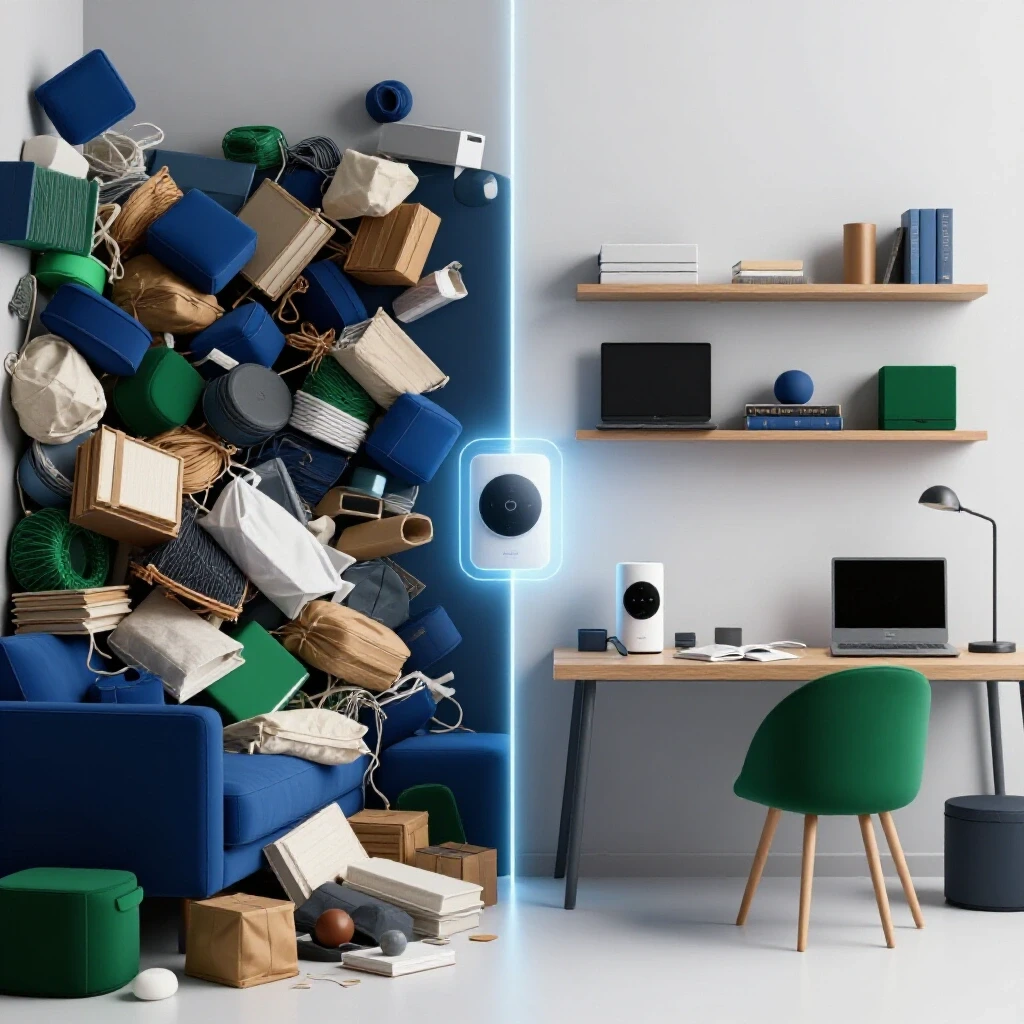
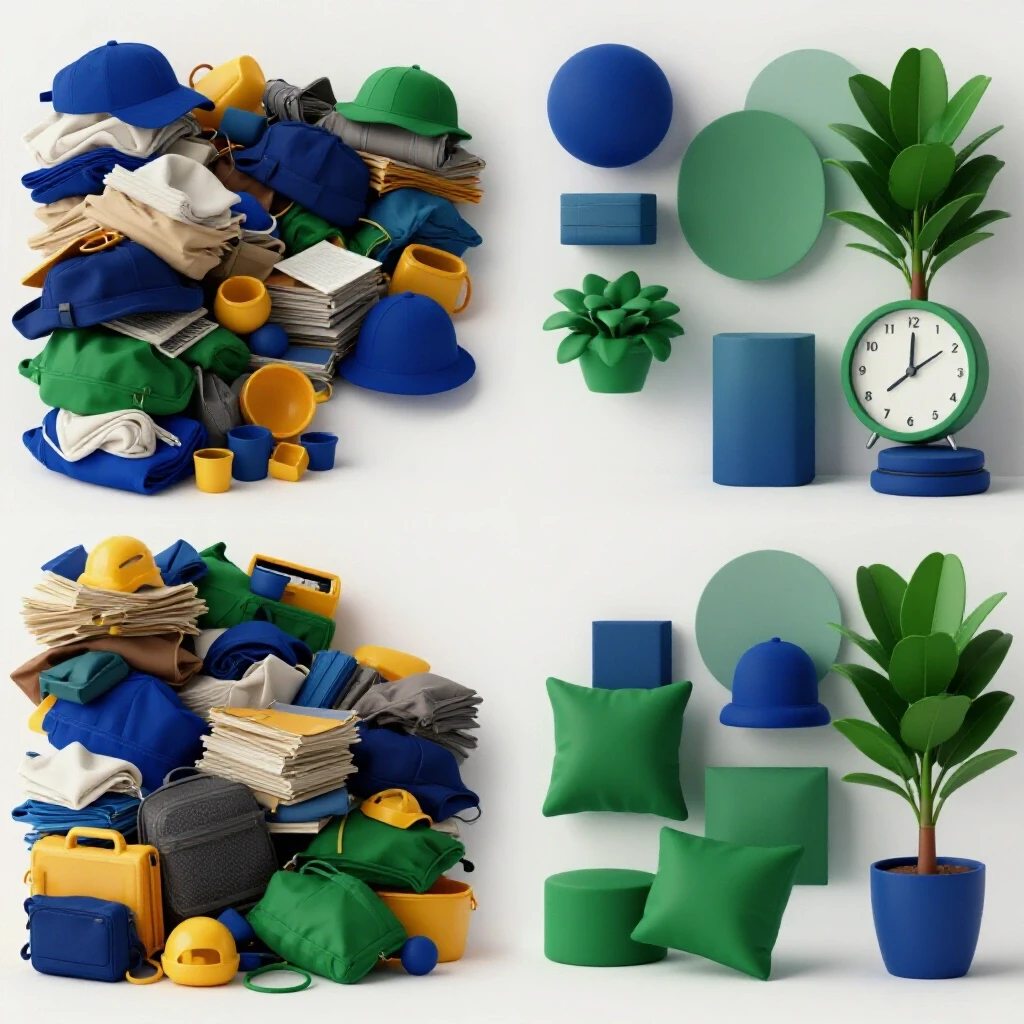
When I audited my own home, I realized that the items we never used were not just trash; they were data. They showed me exactly where my family’s habits differed from the systems I had built. For example, a shelf full of unread books in the hallway was a bottleneck. It took up prime real estate that could have held school bags. In logistics, we call this a “dead zone.” A dead zone occurs when high-value space is occupied by low-utility items.
Research in spatial ergonomics suggests that the more steps it takes to put something away, the less likely it is to happen. If a child has to open a closet, pull out a heavy bin, remove a lid, and then place a toy inside, the system has too much friction. We aim for a “one-motion” rule. If you can’t put it away with one hand in under three seconds, the system is likely to fail during a busy week.
The Psychological Cost of Visual Overload and Decision Fatigue
Psychological cost refers to the mental energy required to process a cluttered environment. It manifests as decision fatigue and sensory overwhelm when a space exceeds its functional limit. Every unused item in your peripheral vision is a “micro-task” your brain feels it needs to complete, leading to exhaustion.
Environmental psychology journals often discuss the “visual cortex tax.” When our brains see a pile of unsorted mail or a counter full of gadgets, our cortisol levels can rise. This is especially true for busy parents who are already managing high cognitive loads at work. In my home, I noticed that my frustration levels peaked not when the house was “dirty,” but when it was “crowded.”
The items we keep “just in case” are often the biggest culprits. They represent a deferred decision. Every time you look at that unused bread maker, your brain has to decide again whether to keep it, use it, or move it. This constant loop of decision-making is what leads to the mental fatigue many professionals feel when they walk through their front door.
Implementing a High-Efficiency Sorting Framework
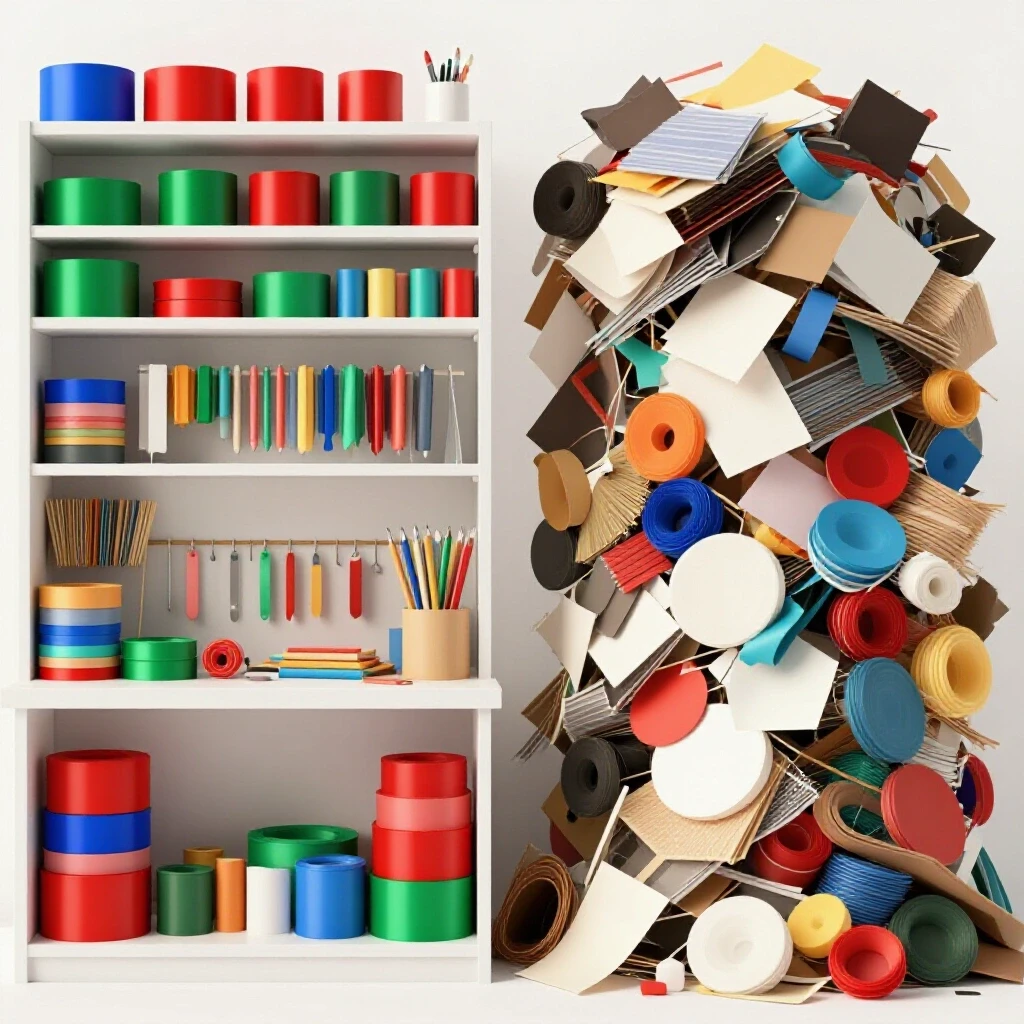
A sorting framework is a standardized method for categorizing items based on frequency of use and functional necessity. It removes the emotional weight of decision-making by using clear criteria. This industrial approach ensures that every object has a designated “velocity” through your home.
To stop the cycle of constant re-organizing, I moved my family to a velocity-based sorting model. We no longer sorted by “room” but by “use frequency.” This changed how we viewed our belongings. We categorized everything into three simple tiers:
- Active Inventory: Items used daily or weekly (e.g., coffee mugs, school shoes).
- Buffer Stock: Items used monthly or seasonally (e.g., holiday decor, baking supplies).
- Dead Stock: Items not used in over six months that serve no clear purpose.
Sorting Log Example for a Family Kitchen:
| Item Category | Use Frequency | Current Location | New Logic |
|---|---|---|---|
| Daily Dishes | 3x Daily | Eye-level Cabinet | Keep in Active Zone |
| Specialty Platters | 1x Yearly | Top Shelf | Move to Buffer Storage |
| Duplicate Peeler | Never | Drawer | Remove (Dead Stock) |
| Kids’ Lunchboxes | 5x Weekly | Deep Pantry | Move to Low Active Zone |
By using this log, we reduced our daily sorting time by 40%. We stopped moving the same unused items from one shelf to another and started removing the “inventory drag” that was slowing us down.
Designing High-Speed Zoning Maps for the Whole Family
Zoning is the practice of dedicating specific areas for specific activities or item categories. High-speed zoning minimizes the distance between where an item is used and where it is stored. This creates a natural path of least resistance for every family member.
When I redesigned our living room, I mapped out the “touchpoints” of each family member. My kids were dropping their shoes by the door because the shoe rack was too far away in the mudroom. This was a logistical failure, not a behavioral one. By moving the “Active Zone” for shoes to the exact spot where they naturally took them off, the clutter vanished overnight.
A successful zoning map follows the “80/20 Rule.” Eighty percent of your daily activity should happen in twenty percent of your space. This core area must be kept at a low item density to allow for easy movement.
Zoning Guidelines by Space Utility:
- Zone 1 (The Hot Zone): Within arm’s reach of where the task happens. (e.g., coffee pods next to the machine).
- Zone 2 (The Reach Zone): Requires standing up or reaching, but no walking. (e.g., spices in a drawer below the stove).
- Zone 3 (The Storage Zone): Requires walking to another area. (e.g., bulk paper towels in the garage).
Reducing Container Friction to Ensure System Longevity
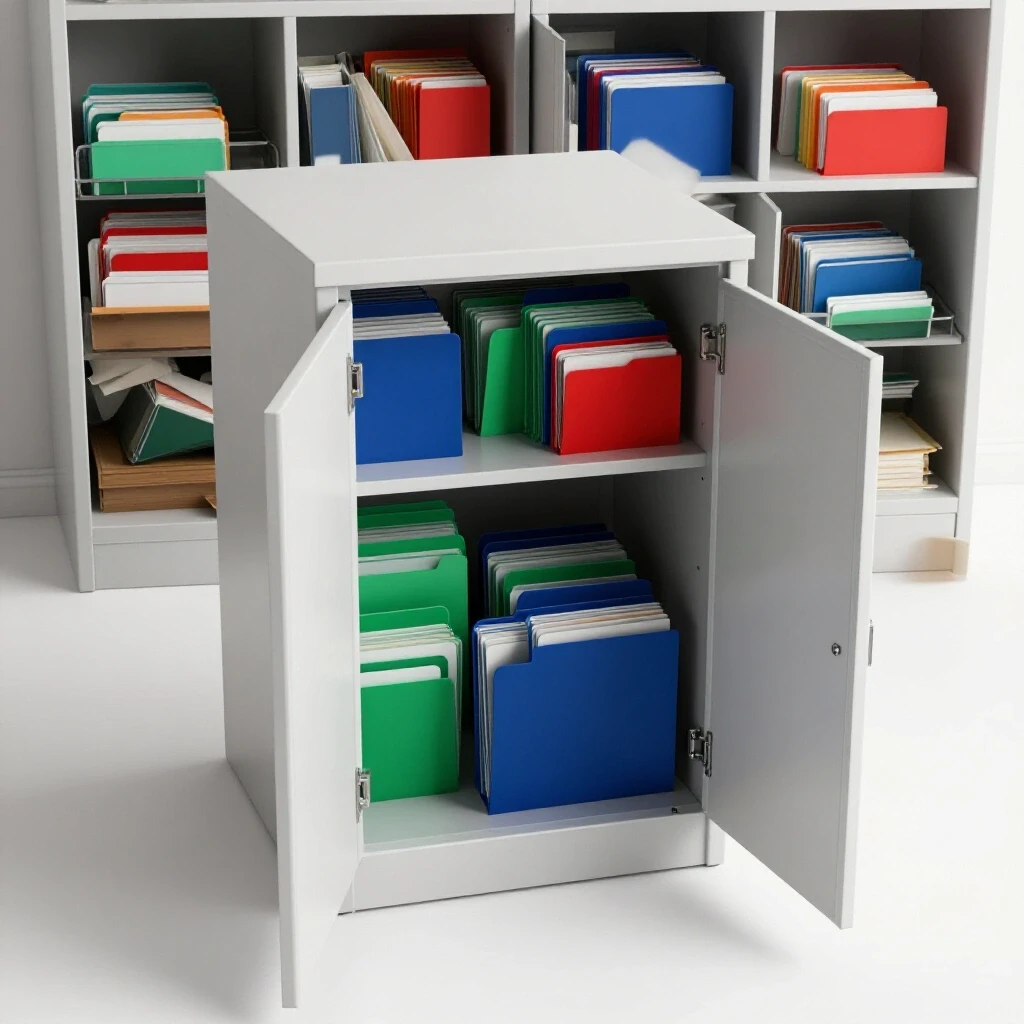
Container friction is the physical effort required to put an item away or take it out. High friction (multiple steps) leads to system failure, while low friction (one step) promotes maintenance. In a busy home, the “open bin” is almost always superior to the “lidded box.”
In my professional experience, I have seen warehouses lose thousands of dollars in efficiency because of poorly designed containers. The same happens in a home. I once bought a set of beautiful, matching boxes with intricate latches for my kids’ building blocks. Within three days, the blocks were on the floor and the boxes were empty. The latches were a “friction point.”
We switched to open-top canvas bins. The retrieval step count dropped from four steps to one.
Storage Friction Index by Bin Type:
| Bin Type | Steps to Store | Friction Level | Best For |
|---|---|---|---|
| Lidded & Latched | 4-5 Steps | High | Long-term Archive |
| Lidded (No Latch) | 2-3 Steps | Medium | Seasonal Clothing |
| Open-Top Basket | 1 Step | Low | Daily Toys / Laundry |
| Clear Stackable | 2 Steps | Medium | Craft Supplies |
By focusing on low-friction storage solutions for families, we ensured that even the youngest family member could contribute to the house’s order without needing constant supervision.
Aligning Household Behavior Systems with Logistics
Household behavior systems are the collective habits and routines that keep a home functioning. They align individual actions with the structural requirements of the storage setup. Without a behavior system, even the best storage solutions for families will eventually fail.
One lesson my unused belongings taught me was that I was buying items for a “fantasy self.” I bought a high-end blender because I thought I would make smoothies every morning. I didn’t. The blender sat on the counter, gathering dust and taking up space. This is a “behavioral mismatch.”
To fix this, we implemented a “One-In, One-Out” rule for specific categories. If I want a new kitchen gadget, an old one must leave. This forces a conscious evaluation of our actual habits versus our aspirations. We also established a “10-Minute Reset” every evening. This isn’t a deep clean; it’s a logistical reset where we move items back to their designated zones.
Daily Maintenance Timeline (Family of 4):
- Morning (2 mins): Clear the “Launchpad” (entryway) of yesterday’s debris.
- After-School (3 mins): Move backpacks and shoes to Zone 1.
- Evening Reset (10 mins): Return all “Active Inventory” to its home.
- Weekly Audit (15 mins): Check for “Dead Stock” in the fridge and pantry.
Managing Inflow and Outflow to Prevent Reversion
Maintenance systems are the recurring, low-effort checks and resets that prevent a home from reverting to a cluttered state. They focus on flow rates rather than deep cleaning. If the rate of items entering your home exceeds the rate of items leaving, clutter is inevitable.
In logistics, we manage “throughput.” To keep a home functional, you must have a clear exit strategy for items that no longer serve a purpose. We keep a “Permanent Outbox” in the laundry room. Any time someone finds an item that is broken, outgrown, or unused, it goes into the outbox immediately. We don’t wait for a “decluttering day.”
Actionable Metrics for Sustainable Decluttering:
- Item Density: Aim for no more than 75% shelf occupancy. This allows for “visual breathing room” and easier retrieval.
- Retrieval Time: You should be able to find any “Active” item in under 30 seconds.
- Sorting Bursts: Never sort for more than 20 minutes at a time to avoid decision fatigue.
- The 6-Month Rule: If an item in a high-traffic zone hasn’t been touched in 180 days, it must be demoted to Zone 3 or removed.
Building Sustainable Habit Loops for Long-Term Order
The key to a functional home storage system is the habit loop: Trigger, Action, and Reward. The trigger is arriving home. The action is placing keys in the designated bowl. The reward is never losing your keys and feeling a sense of calm when you leave the next morning.
I discovered that my family’s most successful habits were the ones that required the least amount of thought. We used “habit stacking” to maintain our systems. For example, while the coffee brews in the morning (Trigger), we empty the dishwasher (Action). The reward is a clean kitchen for the rest of the day.
We also started using digital inventory methods for our “Zone 3” storage in the garage. By using a simple spreadsheet or a dedicated app with QR codes on the bins, we stopped buying duplicates of things we already owned but couldn’t find. This reduced our inflow of unnecessary items and saved us money.
Practical Steps to Redesign Your Home Flow
If you are currently feeling overwhelmed, do not start by buying more bins. Start by observing the flow of your home for three days. Look for where things “land” naturally. These landing spots are where your systems are currently failing.
- Identify the Bottlenecks: Where does the mail pile up? Where do the kids drop their bags?
- Measure the Friction: How many steps does it take to put those items away? Can you reduce it to one step?
- Audit the Dead Zones: Clear one shelf of items you haven’t touched in a year. Notice how the “visual tax” in that room decreases.
- Assign a Home Based on Velocity: Move daily items to eye level and seasonal items to the basement or high shelves.
- Label for Everyone: Use clear, simple labels so that guests and children don’t have to ask where things go. This reduces the “mental load” on you as the primary organizer.
By treating your home like a living, breathing logistical system, you move away from the frustration of “cleaning” and toward the ease of “managing flow.” The goal is not a house that looks like a museum; it is a house that supports your life without demanding all of your free time.
Frequently Asked Questions
Why does my house get messy again just days after I organize it? This usually happens because the system has too much friction or is based on “visual” order rather than “functional” order. If a system requires too many steps to maintain during a busy week, it will fail. You likely have a mismatch between your family’s natural habits and the storage solutions you’ve implemented.
How do I get my kids to follow these new systems? Focus on the “One-Motion” rule. If a child can drop a toy into an open bin without opening a lid or moving another box, they are much more likely to do it. Use labels with pictures for younger children and ensure that their “Active Inventory” is stored at their height, not yours.
What is the best way to handle items I might need “someday”? Move these items out of your “Active Zones.” Store them in a “Zone 3” area like a garage or attic. Label the bin with a “Discard Date.” If you haven’t opened that bin by that date, you can safely remove the items without looking inside, as you’ve proven they aren’t part of your functional life.
How can I reduce the mental fatigue caused by my home? Reduce “Visual Noise.” Clear your flat surfaces, such as kitchen counters and dining tables. These are high-value areas that our brains use to scan for “work.” When they are clear, your brain receives a signal that the “shift” is over, which lowers stress levels.
Do I need to buy a specific brand of storage containers? No. In fact, buying containers before you have sorted your items is a common mistake. The best containers are often the simplest ones you already own. Focus on the “friction level” of the container (lids vs. no lids) rather than the brand or aesthetic.
What is the “80/20 Rule” in home organization? It suggests that you use 20% of your items 80% of the time. Your home should be organized so that this 20% (Active Inventory) is the easiest to access. The other 80% should be tucked away in “Buffer” or “Archive” storage to clear up your daily living space.
How long should a daily reset take? For a standard family home, a logistical reset should take no more than 10 to 15 minutes. If it takes longer, you either have too much “Inventory” for the size of your “Warehouse” (home) or your storage systems are too far away from where the items are actually used.
Is it better to organize by room or by category? In a busy household, organizing by “Use Frequency” (Velocity) is often more effective than by category alone. Keep everything you need for a specific task (like making school lunches) in one “Zone,” even if those items technically belong in different categories (like food, containers, and bags).
How do I stop buying things I don’t need? Implement a “Wait Period” for non-essential items. If you see something you want, wait 48 hours. Most of the time, the impulse passes. Additionally, keeping a digital inventory of what you already own prevents “duplicate inflow,” which is a major cause of household clutter.
What should I do with “sentimental” clutter? Sentimental items are “Archive Stock.” They should never occupy “Active Zones” like your kitchen or living room. Put them in a dedicated memory box in a “Zone 3” area. This honors the memory without allowing the item to interfere with your daily functional living.
(This article was written by one of our staff writers, Christopher Bennett. Visit our Meet the Team page to learn more about the author and their expertise.)