How to Replace a Kitchen Sink Shutoff Valve (Step-by-Step Guide)

I learned a hard lesson about home maintenance at 10:00 PM on a Sunday night. While attempting to fix a minor drip under my kitchen sink, I turned the old plastic handle of the water supply valve, and it snapped clean off in my hand. Suddenly, what should have been a five-minute adjustment turned into a full-blown plumbing crisis. I had to shut off the main water line to the entire house, leaving my family without water for showers or coffee the next morning. This experience taught me that these small components are the most critical “gatekeepers” of a home’s plumbing system.
Assessing the Condition of Your Under-Sink Water Controls
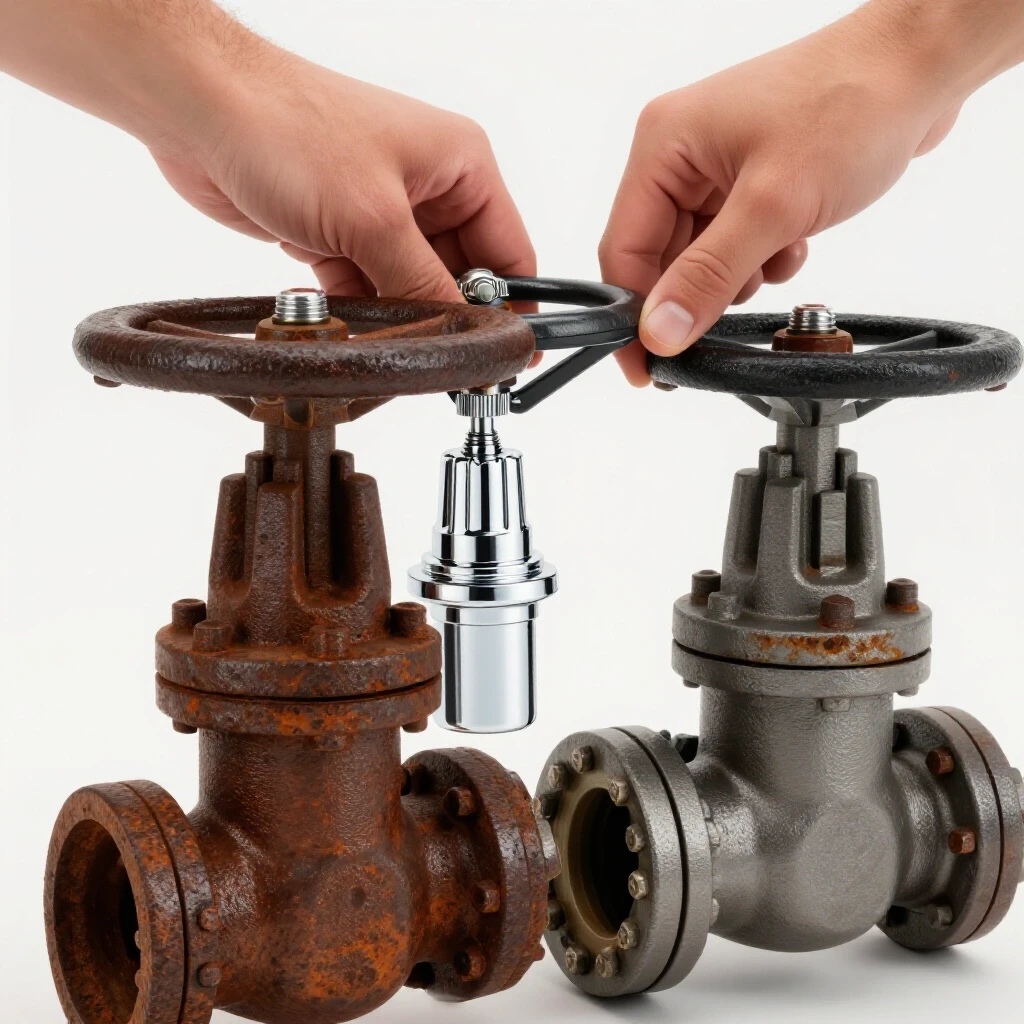
Evaluating the health of your plumbing valves involves checking for corrosion, mineral buildup, or stiff handles that refuse to turn. These components are designed to provide an immediate way to stop water flow to a specific fixture without affecting the rest of the house.
In my 12 years of managing facilities, I have seen that most homeowners ignore these valves until they fail. If you see white, crusty deposits (calcium buildup) around the stem or nut, the internal seals are likely degraded. A valve that feels “frozen” or stuck should never be forced with a wrench, as this often leads to the exact type of break I experienced. Instead, plan a proactive replacement on a Saturday morning when the hardware store is open and you have plenty of daylight.
Why Standard Multi-Turn Valves Frequently Fail
Multi-turn valves use a rubber washer compressed against a metal seat to stop water flow. Over time, the rubber hardens or the plastic stem becomes brittle, making it impossible to get a tight seal.
Interestingly, these older styles are prone to leaking at the packing nut—the small nut just behind the handle. When the internal washer fails, water seeps out along the stem. While you can sometimes tighten the packing nut to stop a minor leak, it is usually a temporary fix for a component that has reached the end of its service life.
The Advantage of Modern Quarter-Turn Ball Valves
Quarter-turn ball valves use a stainless steel ball with a hole through the center to control water. They are much more reliable than multi-turn gate valves because they do not rely on a rubber washer that can rot.
As a facilities manager, I always recommend upgrading to these during any DIY home improvement project. They are less likely to seize up over years of inactivity. Because they only require a 90-degree turn to fully close, they are also easier to operate in the cramped, dark spaces typical of a kitchen cabinet.
Essential Gear and Materials for a Successful Valve Swap
Having the right tools on hand prevents the frustration of mid-project runs to the store. For this task, you need tools that can grip, cut, and seal metal components without damaging the soft copper piping.
I have found that “universal” tools often cause more harm than good in plumbing. Using a pair of pliers instead of a dedicated wrench can round off the hex nuts, making future repairs nearly impossible. Below is the kit I keep in my truck for these specific weekend DIY projects.
- Two Adjustable Wrenches: You need one to hold the valve body steady and another to turn the compression nut. This “counter-wrenching” prevents you from twisting and damaging the copper pipe coming out of the wall.
- Small Tubing Cutter: If the old pipe end is scarred or deformed, you will need to trim a quarter-inch off to get a fresh surface for the new seal.
- Deburring Tool or Sandpaper: This is used to smooth the edges of the pipe after cutting. A smooth surface is vital for a watertight connection.
- Ferrule Puller (Optional but Recommended): This specialized tool helps remove the old compression ring (ferrule) if it is stuck on the pipe.
- New Quarter-Turn Compression Valve: Ensure it matches your pipe size, which is typically 1/2-inch nominal copper (5/8-inch Outer Diameter) for the inlet and 3/8-inch for the outlet.
| Tool/Material | Purpose | Estimated Cost |
|---|---|---|
| Quarter-Turn Valve | Primary flow control | $10 – $15 |
| Adjustable Wrench (Set of 2) | Tightening nuts | $25 – $40 |
| Tubing Cutter | Clean pipe trimming | $12 – $20 |
| Braided Supply Line | Connects valve to faucet | $8 – $12 |
| Total DIY Investment | $55 – $87 |
Understanding the Mechanics of Compression Fittings and Pipe Prep
Compression fittings work by squeezing a soft metal ring, called a ferrule, between a nut and the valve body. This action deforms the ring against the copper pipe, creating a mechanical, watertight seal without the need for heat or solder.
Building code compliance, specifically under the Uniform Plumbing Code (UPC) Section 606.5, requires that these valves remain accessible. You should never bury a compression fitting behind a finished wall. Before you even touch the new hardware, the copper pipe must be prepped. It should be straight, clean, and free of any old paint or drywall mud. I use a piece of 200-grit sandpaper to buff the pipe until it shines, ensuring the new ferrule can seat perfectly.
The Importance of Dry-Fit Testing
A dry-fit test involves sliding the nut and ferrule onto the pipe to ensure they move freely before you apply any force. This step helps you identify if the pipe is out-of-round or if there are burrs that need filing.
If the nut feels tight or gritty as you slide it on, stop immediately. Forcing a compression nut over a damaged pipe will almost certainly result in a leak. In my experience, taking an extra two minutes to inspect the pipe surface saves two hours of troubleshooting later.
Why You Should Avoid Thread Sealants on Compression Threads
A common mistake in safe home repairs is applying Teflon tape or pipe dope to the threads of a compression fitting. The threads themselves do not provide the seal; the ferrule does.
Adding tape can actually prevent the nut from tightening down far enough to properly crush the ferrule. This leads to a false sense of security where the nut feels tight, but the internal seal is incomplete. Keep the threads clean and dry, unless the manufacturer’s technical guide specifically calls for a tiny drop of lubricant to prevent thread galling.
Step-By-Step Execution: Removing the Old Unit and Installing the New
The actual process of swapping the hardware requires a methodical approach to avoid damaging the existing plumbing. You must work carefully to ensure the pipe coming out of the wall stays stationary while you apply torque to the fittings.
Phase 1: Shutdown and Drainage
First, shut off the main water supply to the house. Open the kitchen faucet and a faucet on a lower level (like a basement utility sink) to drain the remaining water from the lines. This prevents a “geyser” effect when you loosen the old valve. Place a shallow bucket or a heavy towel under the workspace to catch the pint of water that will inevitably remain in the pipe.
Phase 2: Removing the Failed Hardware
Use your two wrenches to loosen the nut connecting the supply line to the faucet first. Then, move to the nut connecting the valve to the wall pipe. Hold the valve body firmly with one wrench while turning the nut clockwise (from the perspective of looking toward the wall) with the other.
If the old ferrule is stuck on the pipe, do not try to pry it off with a screwdriver, as you will gouge the copper. Use a ferrule puller or, if you have enough pipe length, use your tubing cutter to remove the last half-inch of pipe containing the old ring. This provides a “factory-fresh” end for the new installation.
Phase 3: Installing the New Valve
Slide the new nut onto the pipe first, followed by the new ferrule. Push the valve body onto the pipe until it hits the internal stop. Slide the ferrule and nut up to the valve and hand-tighten.
Now, use your wrenches to tighten the nut. The general rule for compression fittings is “one-quarter to one-half turn past hand-tight.” You should feel a significant increase in resistance as the ferrule “bites” into the pipe. Avoid over-tightening, which can thin the copper wall and cause the connection to fail prematurely.
Troubleshooting Common Leak Points and Seal Failures
Even with careful work, a small drip may appear when you turn the water back on. Knowing how to diagnose these minor issues is what separates a successful weekend DIYer from someone who has to call a professional.
If you see a slow weep from the compression nut, the most common solution is a tiny additional turn—perhaps an eighth of a circle. However, if the leak is a steady spray, the ferrule may be cocked at an angle. In this case, you must shut the water off again, disassemble the fitting, and check for alignment.
- Drip at the Wall Nut: Tighten 1/8 turn. If it persists, check for pipe scratches.
- Drip at the Supply Line: Ensure the rubber gasket inside the braided line is seated flat.
- Handle Leak: On quarter-turn valves, this usually indicates a defective unit that needs replacement.
- Water Bypassing the Valve: If water still comes out of the faucet when the valve is “off,” the internal ball or seat is faulty.
Code Compliance and Safety Standards for Residential Plumbing
Following local residential building codes ensures your work is safe and won’t cause issues during a future home inspection. The UPC and International Residential Code (IRC) provide the framework for these standards.
One critical code requirement is the use of “lead-free” components for any part of the potable water system. When buying your replacement, look for the “NSF/ANSI 61” certification on the packaging. Additionally, ensure that the valve is reachable. If you have installed new pull-out shelving in your cabinet, make sure it doesn’t block access to the shutoff handles.
Understanding Load Tolerances and Thermal Expansion
While kitchen lines are generally stable, water hammers (pressure surges) can put stress on your new connections. Using braided stainless steel supply lines instead of rigid plastic ones helps absorb these minor movements.
Manufacturer technical guides often specify a temperature range for these valves. Most residential ball valves are rated for up to 180 degrees Fahrenheit, which is well above the 120-140 degrees typical of a home water heater. Always verify that you are using a “hot/cold” rated valve for the hot water side of the sink.
Project Planning: Time, Cost, and Professional ROI
One of the biggest frustrations for busy professionals is underestimating how long a “simple” fix will take. While the actual turning of the wrenches takes 15 minutes, the prep and testing add significant time.
I suggest blocking out three hours on a Saturday for this task. This allows for the “unexpected”—like finding out your pipe is a non-standard size or needing to run back to the store for a ferrule puller. The financial savings, however, are substantial. A professional plumber will often charge a minimum “truck fee” of $150 plus labor and parts, totaling $250 to $400 for a simple valve swap.
| Activity Phase | Estimated Time | Complexity Level |
|---|---|---|
| Preparation & Water Shutdown | 30 Minutes | Low |
| Removal of Old Components | 30 Minutes | Medium |
| Pipe Cleaning & Deburring | 15 Minutes | High (Precision matters) |
| Installation of New Valve | 20 Minutes | Medium |
| System Testing & Cleanup | 45 Minutes | Low |
| Total Project Time | 2.3 Hours | Moderate |
Final Quality Control Checklist
Before you close the cabinet doors and call the project finished, perform a final walkthrough of your work. This systematic check ensures long-term reliability and peace of mind.
- Dry the Area Completely: Use a paper towel to wipe every connection bone-dry.
- The Tissue Test: Wrap a single ply of toilet tissue around the nuts. Check it after 15 minutes. If it stays dry, you have no “micro-leaks.”
- Check Handle Clearance: Ensure the handle can turn fully from “on” to “off” without hitting the cabinet wall or the drain pipes.
- Verify Flow: Turn the faucet on and off several times to ensure there are no air pockets or debris clogging the aerator.
- Re-Check in 24 Hours: Open the cabinet the next day to perform one last visual inspection.
By taking these steps, you transform a potential emergency into a controlled, professional-grade upgrade. You gain the satisfaction of knowing the job was done to code and the security of knowing exactly how to shut off the water if a future leak occurs.
Frequently Asked Questions
Can I reuse the old compression nut and ferrule? It is generally not recommended. The old ferrule has already been deformed to fit the old valve. Reusing it often leads to leaks because the “bite” pattern won’t align perfectly with the new valve body. Always use the new hardware provided with the valve.
What if my pipes are PEX instead of copper? If you have PEX (flexible plastic) piping, you cannot use a standard compression valve designed for copper. You will need a cinch-clamp, crimp-ring, or push-to-connect valve specifically rated for PEX. Check the markings on your pipe to confirm the material before buying parts.
How tight should the compression nut be? Start by tightening it by hand as much as possible. Then, use your wrenches to turn the nut an additional 1/4 to 1/2 turn. If it leaks during testing, tighten it in very small increments (1/8 turn) until the dripping stops.
Do I need to turn off the water heater? If you are only working on the cold water side, no. If you are replacing the hot water valve and will be draining a significant amount of water from the lines, it is a safe practice to turn the water heater to “pilot” or “off” to prevent the heating elements from burning out if the tank level drops.
What is a “lead-free” valve? Federal law requires that all pipes, fittings, and fixtures used for drinking water contain no more than 0.25% lead. Look for the “LF” mark or the NSF/ANSI 61 certification on the valve body or packaging to ensure it meets these safety standards.
What if the pipe coming out of the wall is too short? If the pipe is too short to cut and still attach a valve, you may need to install a “coupling” or a pipe extender. This is a more advanced task that might involve soldering or using a specialized push-fit extension. Always ensure you have at least 1 inch of straight pipe for a secure connection.
Why is my new valve handle so hard to turn? New quarter-turn ball valves can be stiff initially because the internal seals are very tight. This is normal. It should become slightly easier to operate after the first few uses. If it is impossible to turn, it may be a manufacturing defect.
Can I use “SharkBite” or push-to-connect valves? Yes, push-to-connect valves are code-approved for accessible locations like under a sink. They are easier to install but generally more expensive than compression valves. Ensure the pipe is cut perfectly square and deburred before pushing the valve on.
What do I do if the copper pipe is scratched? If the pipe has deep longitudinal scratches, the ferrule may not be able to seal them. You can try to sand the scratches out with emery cloth. If they are too deep, you will need to cut the pipe back to a smooth section or use a repair coupling.
Is it normal for the water to be cloudy after I turn it back on? Yes. This is usually just tiny air bubbles trapped in the lines. Running the faucet for a minute or two will clear the air and the water will return to normal. You may also see some sediment; cleaning the faucet aerator after the project is a good practice.
(This article was written by one of our staff writers, Robert Callahan. Visit our Meet the Team page to learn more about the author and their expertise.)